2026 Best Grinder Core Bit Types for Global Buyers

Time:2026-09-08 Author:Ethan
0%

Choosing the right Grinder Core Bit in 2026 is not a simple size comparison. Global buyers must evaluate concrete hardness, aggregate type, drilling depth, machine power, and cooling conditions. A bit that performs well in dense granite may cut poorly through reinforced concrete. The wrong bond can also create heat, vibration, and premature diamond loss.

Diamond-tooling specialist Dr. Elena Marquez offers a practical reminder: “A core bit should match the material before it matches the machine.” That principle guides this overview of Grinder Core Bit types for contractors, distributors, and purchasing teams. We examine segmented, continuous-rim, turbo, vacuum-brazed, and electroplated designs. Each type has a different balance of cutting speed, edge control, service life, and operating cost.

Real purchasing decisions are rarely perfect. Product labels can simplify complex performance factors. Laboratory results may also change on dusty job sites or under uneven water flow. We will therefore consider field experience, manufacturer data, segment composition, connection systems, and basic safety expectations. Independent testing remains valuable, especially when buyers compare unfamiliar suppliers across regions.

The best choice is often less dramatic than expected. It may depend on steady pressure, correct rotation speed, and a clean working surface. Small details matter. This guide helps global buyers ask better questions before ordering a Grinder Core Bit in 2026. It also recognizes a useful limitation: no general chart can replace a controlled trial on the actual material.
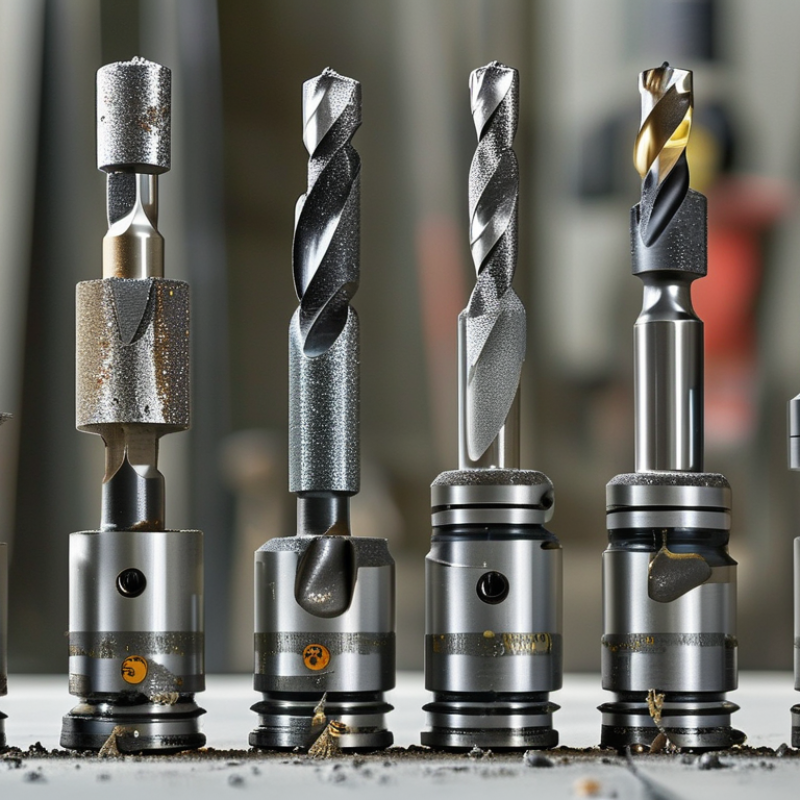
2026 Best Grinder Core Bit Types for Global Buyers

What Is a Grinder Core Bit and How Does It Work?

A grinder core bit is a hollow cutting tool fitted to an angle grinder or compact rotary machine. Its steel barrel carries diamond segments that scrape masonry, tile, concrete, or stone rather than cutting with solid teeth. As the spindle rotates, the segments create a circular kerf, while the empty center removes a clean plug. The process is fast, but it generates heat, vibration, and fine dust.

The U.S. Geological Survey’s 2025 Mineral Commodity Summaries identifies synthetic diamond as a major industrial material for cutting, grinding, and drilling tools. That explains why segment quality matters more than appearance. Coarse diamonds usually cut hard concrete aggressively, while finer bonds can leave cleaner edges. Choose the bit diameter, arbor size, and rated speed together. A mismatch can damage the bit or the grinder.

Dust control deserves equal attention. OSHA sets an eight-hour respirable crystalline silica limit of 50 micrograms per cubic meter, with an action level of 25 micrograms. Use local extraction or approved wet drilling where the equipment permits it. Never assume every grinder supports water. I have seen operators focus on drilling speed and ignore cooling, which shortens segment life. The better check is practical: inspect the barrel, confirm rotation direction, secure the workpiece, and stop when unusual vibration appears. Some product labels remain vague, so technical verification is still necessary.

How Are Grinder Core Bit Types Classified by Material and Design?

Grinder core bit types are classified by both material and working design. The cutting layer usually uses synthetic diamond, carbide, or abrasive grain. The U.S. Geological Survey’s Mineral Commodity Summaries 2024 reports that synthetic diamond supplies more than 90% of industrial diamond consumption. This explains its dominance in concrete, stone, and masonry drilling.

Bond design changes performance. Sintered metal-bond bits expose fresh diamond gradually, so they suit hard concrete and repeated dry work.

Electroplated bits cut aggressively at first, but their working layer wears faster. Vacuum-brazed designs hold diamond particles firmly and often handle mixed masonry better. Carbide-tipped cores remain useful for softer block, brick, and some composite materials.

The cutting edge also matters. Segmented rims remove dust quickly and tolerate heat, while continuous rims produce cleaner holes. Turbo rims balance speed and edge control. A 2024 Grand View Research market assessment identifies construction and infrastructure as major demand areas for diamond tooling, reflecting wider drilling needs worldwide. In field use, I match segment height, bond hardness, diameter, and grinder speed to the substrate. The label alone is not enough. A high diamond concentration can cut slowly in soft brick, which surprises some buyers. Dust extraction and cooling assumptions also vary by design, so supplier test data deserves careful checking. Some classifications remain imperfect because manufacturers use different terminology.

Which Grinder Core Bit Fits Concrete, Masonry, Stone, or Tile?

Choosing the right grinder core bit starts with the material, not the tool. Concrete usually needs a diamond core bit with a durable segmented rim. It handles cement, aggregate, and occasional reinforcement more effectively. Wet drilling controls heat and dust during deep holes. Dry drilling can work for smaller holes, but pauses are essential.

Masonry is less uniform than concrete. A general-purpose diamond bit suits brick and block, while softer joints may cut quickly and unevenly. Watch the surface. Heavy pressure can crack older blocks. Stone demands more careful selection. Granite and engineered stone often require a harder, heat-resistant diamond bond. Softer limestone may cut faster with a different segment design. I have seen operators blame the bit when excessive pressure caused the real problem.

Tile needs the most delicate approach. Use a continuous-rim diamond core bit for clean edges and reduced chipping. Start at a slight angle, then straighten the tool after the rim grips the glaze. Keep water controlled around electrical equipment. Porcelain is especially dense and can overheat a poorly matched bit within minutes. Check the grinder’s arbor, speed rating, and guard before drilling. A bit that fits the hole may not fit the machine safely. Dust extraction helps, but it does not replace eye, hearing, and respiratory protection. Selection remains partly practical judgment. Material labels can be incomplete, and real surfaces often surprise you.

How to Compare Grinder Core Bits by Size, Bond, and Performance

For 2026 buyers, grinder core bit size should match the hole diameter, material thickness, and machine capacity. A 52 mm bit may suit plumbing work, while a 102 mm bit needs stronger torque and steadier handling. Check the effective drilling depth, not only the outside diameter. Small differences matter.

Bond selection controls how quickly diamond segments wear and renew. Softer bonds usually expose fresh diamonds faster in hard concrete, granite, or engineered stone. Harder bonds can last longer in abrasive brick, block, or soft concrete. The U.S. Geological Survey’s 2024 Mineral Commodity Summaries identifies synthetic diamond as the dominant industrial form. That matters because diamond quality and concentration influence cutting consistency. Yet bond hardness is not a simple ranking. A harder bond is not automatically better.

Performance should be judged through cutting speed, segment life, heat, vibration, and finished-hole quality. The Global Cement and Concrete Association reports global cement production at roughly four billion tonnes annually, showing the scale of concrete-related work. However, market volume does not guarantee identical drilling conditions. Compare bits using the same diameter, water flow, machine speed, and substrate. Record seconds per hole and visible segment wear. I still find field tests more reliable than catalog claims. Dust, reinforcement, and operator pressure can distort results. This is where many comparisons become imperfect. A bit that cuts fastest may not deliver the lowest cost per completed hole.

How Can Global Buyers Select, Use, and Maintain the Right Bit?

2026 Best Grinder Core Bit Types for Global Buyers

Global buyers should match the core bit to the material, grinder speed, and drilling method. Diamond-segment bits suit concrete, masonry, and reinforced surfaces. Vacuum-brazed diamond bits cut faster on tiles and abrasive materials, but they may wear sooner in hard concrete. Carbide bits can handle some masonry jobs, though they are less suitable for reinforced concrete. Always verify the bit diameter, shank size, maximum RPM, and grinder compatibility before purchase. A lower-rated tool can overheat quickly.

Use wet drilling when the surface and equipment allow it. Water reduces dust, cools the segments, and often extends bit life. For dry drilling, use short passes and lift the bit regularly. Do not force the cut. Let the diamonds grind. Excessive pressure can polish the segments instead of exposing fresh cutting points. Real job sites are rarely perfect. Slight misalignment, hidden steel, or poor ventilation can change performance. A technically correct bit may still fail when the operator rushes.

Tips: Check the supplier’s material test data, not only product photos. Confirm regional safety instructions and electrical requirements. Mark the drilling depth before starting. Inspect segments after every hole. Remove packed dust from dry bits with light tapping. Store bits clean and dry. If cutting slows, stop and inspect the bit rather than applying more force. That small pause prevents costly damage.

FAQS

: Which core bit suits concrete?

: Use a diamond core bit with a durable segmented rim. Wet drilling controls heat and dust. Reinforcement may slow cutting.

What bit works best for masonry?

Choose a general-purpose diamond bit for brick and block. Softer joints may cut quickly and unevenly. Apply light pressure.

How should stone affect bit selection?

Granite and engineered stone need a hard, heat-resistant diamond bond. Softer limestone may suit another segment design. Material labels can mislead.

Which bit is suitable for tile?

Use a continuous-rim diamond core bit for cleaner edges. Start slightly angled, then straighten after the rim grips.

What should users know about porcelain?

Porcelain is dense and can overheat a poorly matched bit within minutes. Control water carefully near electrical equipment.

How does bit size affect performance?

Match the bit diameter to the hole, material thickness, and machine capacity. A 102 mm bit needs stronger torque and steadier handling.

What does bond hardness control?

Bond hardness controls diamond renewal and segment wear. Softer bonds often suit hard materials. Harder bonds may last longer in abrasive masonry.

How can buyers compare drilling performance?

Compare equal diameters, water flow, machine speed, and substrates. Record seconds per hole, heat, vibration, and segment wear.

When should drilling stop?

Stop if cutting slows sharply. Inspect the segments before adding pressure. Packed dust, hidden steel, or misalignment may be responsible.

How should core bits be maintained?

Clean and dry them after use. Tap dry bits lightly to remove packed dust. Check segments after every hole. Small pauses prevent damage.

Conclusion

A Grinder Core Bit is a specialized cutting tool designed to create clean, circular holes in hard materials by combining an abrasive cutting edge with controlled rotary motion. Its performance depends on factors such as core diameter, segment or coating design, bonding method, and the material being cut. Grinder core bits may be classified by abrasive composition, bond hardness, segment structure, and wet or dry cutting capability. These differences help determine whether a bit is better suited to concrete, masonry, natural stone, engineered stone, or ceramic and porcelain tile.

For global buyers, selecting the right Grinder Core Bit requires matching the bit size, arbor compatibility, bond, cutting depth, and operating speed to the application. Concrete and masonry generally require durable, aggressive designs, while tile and delicate stone benefit from smoother cutting action and better edge control. Buyers should also verify equipment compatibility, use suitable cooling or dust-control methods, apply steady pressure, and avoid overheating. Cleaning the bit after use, checking segment wear, and storing it in a dry, protected place can extend service life and maintain consistent results.


Ethan

Ethan

Ethan is a seasoned marketing professional with a deep expertise in our company's innovative product line. With a passion for sharing knowledge and insights, he takes the lead in regularly updating our corporate blog, where he explores industry trends, product features, and effective marketing......