 Zealchon Electronic
What Is the Best Aging Oven Tester for Global Buyers?
Assess Calibration Traceability Under ISO/IEC 17025 Laboratory Practices
A reliable aging oven tester needs more than stable temperature control. Global buyers should examine how each measurement connects to recognized standards. Under ISO/IEC 17025 practices, calibration should come from a competent laboratory with documented methods, equipment records, and controlled environmental conditions.
Ask for the calibration certificate before purchase. Check the instrument identification, calibration date, measurement points, expanded uncertainty, and coverage factor. The certificate should show traceability to national or international measurement standards. It should also distinguish as-found results from as-left results. That detail matters.
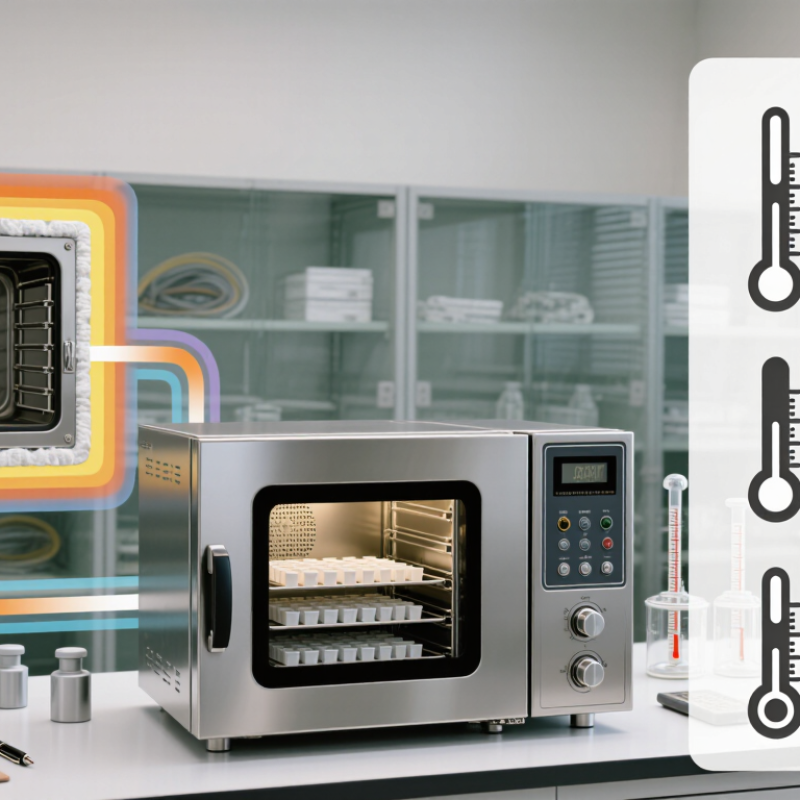
Look closely at the oven’s working range. A tester calibrated only at 23°C may not support aging work at 70°C or 120°C. Temperature mapping is also important because chamber corners can differ from the center. Request evidence from multiple positions, not only one convenient sensor location. Do not guess.
In practical laboratory reviews, weak records often create more trouble than weak hardware. A certificate may look polished but omit the calibration method or laboratory accreditation scope. That is a warning. Buyers should compare recalibration intervals, data retention, adjustment controls, and service documentation. Some requirements may differ by country, so local regulations still need verification. I would also question whether the selected uncertainty is suitable for the product specification. The answer is not always obvious.
