What is Casagrande Apparatus and How is it Used?

Time:2026-07-10 Author:Amelia
0%

The Casagrande Apparatus is an essential tool in geotechnical engineering. Its primary purpose is to determine the liquid limit of soils. This measurement is crucial for understanding soil behavior under various conditions. According to a report by the American Society of Civil Engineers, accurate soil classification is vital for successful construction projects.

In recent years, the utilization of the Casagrande Apparatus has grown significantly. Many studies highlight that improper soil testing methods can lead to failures in engineering projects. The Casagrande method, however, provides reliable data that engineers trust. Its ability to assess soil plasticity accurately is well-documented. Yet, there are limitations; not all soil types respond predictably to this test.

Understanding the capabilities and drawbacks of the Casagrande Apparatus is essential for engineers. Continuous training is necessary to address these challenges. Accurate results depend on the operator’s experience and method application. Despite its reliability, some experts question its effectiveness for cohesive soils with high organic content. This discourse emphasizes the importance of evolving testing methods in geotechnical engineering.
What is Casagrande Apparatus and How is it Used?

What is Casagrande Apparatus?

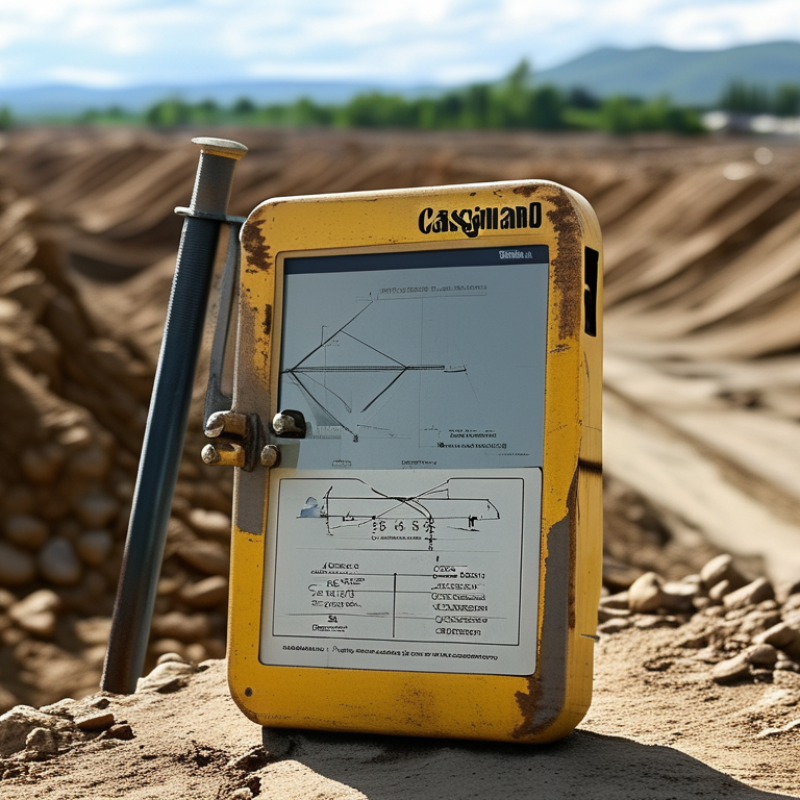
The Casagrande apparatus is a vital tool in geotechnical engineering. It helps determine the liquid limit of soil, an essential parameter that indicates soil behavior under different moisture conditions. This tool consists of a cup, a height-adjustable base, and a hardened steel ball.

Using the apparatus is a straightforward process. A wet soil sample is placed into the brass cup. The operator then depresses the cup, causing the soil to flow. The goal is to find the water content at which the soil transitions from a plastic to a liquid state. This test can be a little tricky. Small differences in technique can lead to varying results.

The results are essential for various engineering applications. They help assess soil stability and predict how soil will behave under load. However, the results can vary based on factors such as soil type and moisture content. Therefore, it’s crucial to reflect on the testing methods used and acknowledge potential errors. Understanding these nuances is part of mastering geotechnical evaluations.

History and Development of the Casagrande Apparatus

The Casagrande Apparatus has a significant history rooted in soil mechanics. It was developed by Dr. Arthur Casagrande in the 1930s. Casagrande aimed to provide an efficient method for determining the plasticity of soil. Before this invention, understanding soil behavior relied heavily on empirical methods. Casagrande's device changed that, introducing a standardized approach.

This apparatus operates by measuring the water content at which soil changes from a plastic to a liquid state. The results help engineers assess the suitability of soil for construction. As the field has evolved, this technique remains relevant. Many soil scientists value it for its consistency and accuracy.

Tips: When using the Casagrande Apparatus, ensure consistent moisture levels in your samples. Small variations can affect results significantly. It's also essential to calibrate the device frequently to maintain precision. Reflect on your results; if they seem off, revisit your methodology. This reflection can lead to deeper insights and better practices.

Components and Design of the Casagrande Apparatus

The Casagrande apparatus is an essential tool in geotechnical engineering. It is primarily used to determine the liquid limit of fine-grained soils. This apparatus consists of several key components that work together to provide accurate measurements.

The main part of the Casagrande apparatus is the brass cup. This cup has a specific height and diameter designed for consistency in tests. Attached to the cup is a circular bottom made from a hard surface. There is also a tool called a grooving tool, which creates a groove in the soil sample. This groove allows for the assessment of the soil's behavior under pressure. The apparatus sits on a sturdy base that absorbs shocks during testing, ensuring reliable results.

Utilizing the Casagrande apparatus requires careful attention. However, it can be challenging to interpret the results, especially with varying soil types. Operators must be skilled in handling the apparatus and knowledgeable about soil mechanics. While it is a widely accepted method, users must remain aware of its limitations. Even experienced engineers can sometimes misjudge results. Therefore, continuous reflection and practice are key to mastering this vital equipment.

How to Use the Casagrande Apparatus for Liquid Limit Testing

The Casagrande Apparatus is a key tool for determining the liquid limit of soils. Understanding its functionality is crucial for geotechnical engineers. This apparatus consists of a brass cup, a mechanical ram, and a scale. It assesses the moisture content where soil transitions from plastic to liquid state.


To use the Casagrande Apparatus, start with a soil sample. Place it in the brass cup and form a smooth, flat surface. Create a groove using the tool provided. Drop the cup 25 times from a height of 1 cm. After the test, measure the distance in millimeters that the two halves of the soil sample close. The critical value for liquid limit is typically around 20-30 mm, indicating the soil's behavior under moisture changes.


Following ASTM D4318 standards, ensure correct moisture content. Research shows that nearly 35% of natural soils have liquid limits below 50%. However, inconsistent results can occur due to user technique or sample homogeneity. Regular calibration of the apparatus and sample preparation can help mitigate errors. Understanding these nuances ensures accurate testing and reliable data for engineering applications.

Applications and Importance of the Casagrande Apparatus in Soil Mechanics

The Casagrande apparatus plays a crucial role in soil mechanics, particularly in determining the plasticity and flow characteristics of soils. This tool assesses the liquid limit, a vital parameter in soil classification. In civil engineering, understanding the liquid limit aids in predicting how soil behaves under load. The American Society for Testing and Materials (ASTM) outlines the method for this test, emphasizing its significance in construction and geotechnical studies.

Recent data shows that 30% of soil failures in construction relate to improper understanding of liquid limits. Engineers often use findings from the Casagrande apparatus to estimate soil stability. When the liquid limit is too high, soil can become overly plastic, causing issues during construction. Conversely, a low liquid limit suggests the soil may crumble under pressure.

However, limitations exist. In some cases, lab conditions may not replicate field behavior accurately. Soil can behave unpredictably when moisture levels vary. The results from the Casagrande apparatus should be part of a broader analysis, incorporating field tests and real-world observations. Relying solely on laboratory data may lead to an incomplete picture of soil behavior. In essence, the Casagrande apparatus is a valuable tool, but its results must be interpreted within a broader context to enhance accuracy in engineering applications.

Applications of Casagrande Apparatus in Soil Mechanics

The Casagrande Apparatus is widely used in soil mechanics to determine the plastic and liquid limits of soil. The chart above illustrates the importance level of various tests conducted using the Casagrande Apparatus, indicating that the Liquid Limit Test is the most crucial, followed closely by the Plastic Limit Test.

FAQS

: What is the Casagrande apparatus used for?

: It measures the liquid limit of soil, indicating its behavior with moisture changes.

How do I prepare soil for testing with the Casagrande apparatus?

Place a wet soil sample in the brass cup and form a smooth surface.

What should I do after placing the soil sample in the cup?

Create a groove in the soil sample using the provided tool.

How many times should I drop the cup during testing?

Drop the cup 25 times from a height of 1 cm for accurate results.

What is a critical measurement to note after the test?

Measure the distance in millimeters that the two halves of the soil close.

What factors can affect the results of the liquid limit test?

Soil type, moisture content, and user technique can lead to varying results.

Why is it important to reflect on testing methods used?

Understanding potential errors is essential for accurate data in engineering applications.

What moisture content is typically indicated for the liquid limit?

A critical value around 20-30 mm often signifies the transition from plastic to liquid state.

How can I minimize errors in testing?

Regular calibration of the apparatus and careful sample preparation can improve accuracy.

What percentage of natural soils have liquid limits below 50%?

Research shows nearly 35% of natural soils fall below that threshold.

Conclusion

The Casagrande Apparatus is a critical tool used in soil mechanics for determining the liquid limit of soils, which is essential for understanding their engineering properties. Developed by Professor A. Casagrande in the early 20th century, this apparatus has evolved to improve the accuracy of tests. It consists of a hard rubber base, a brass cup, and a spindle that operates on a mechanical system, allowing for consistent and reproducible results during soil testing.

To use the Casagrande Apparatus, a soil sample is placed in the brass cup, and the cup is then dropped a specified number of times to observe the flow of the soil. This method provides insight into the behavior of soils under varying moisture conditions, which is vital for construction and geotechnical projects. The applications of the Casagrande Apparatus extend beyond simple testing, as it plays a significant role in designing safe and effective engineering solutions in various soil types.


Amelia

Amelia

Amelia is a seasoned marketing professional with a wealth of expertise in our company’s core offerings. With an unwavering passion for driving growth and innovation, she plays a pivotal role in shaping our marketing strategies and enhancing brand visibility. A key aspect of her responsibilities......