Choosing the right Core Grinding Machine can be challenging. With numerous options available, understanding your specific needs is essential. Industry expert Dr. Henry Jones, a leading figure in precision machining, once stated, "Selecting the right core grinding machine can significantly enhance productivity and accuracy." This underscores the importance of careful consideration when making your choice.
Different applications require different features in a Core Grinding Machine. Factors such as size, speed, and material compatibility matter. A machine that works for one project may not be suitable for another. Thus, reflecting on your unique requirements is crucial. It’s easy to overlook details that can impact performance.
Moreover, potential buyers often feel overwhelmed by technological specifications. It's vital to seek expert advice and think critically about what machine functions are necessary for your tasks. Some may prioritize cost over quality, which can lead to mistakes later on. Ultimately, the right Core Grinding Machine should align with your goals for efficiency and reliability.
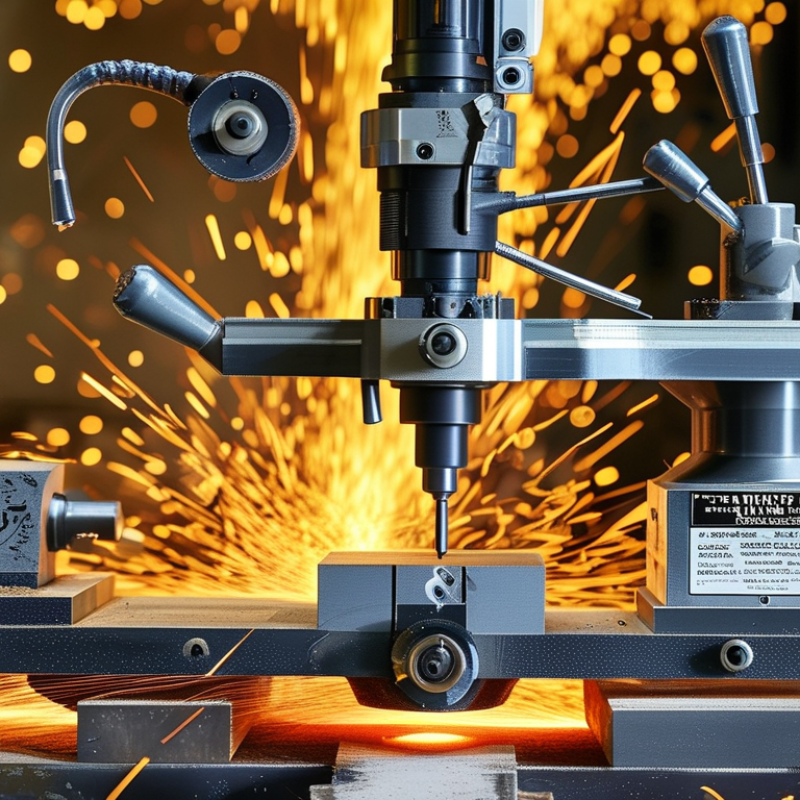
Understanding Core Grinding Machines and Their Uses
Core grinding machines play a vital role in various industries, particularly in metalworking and manufacturing. These machines are essential for shaping, finishing, and refining materials. The precision and quality of grinding directly impact product performance. According to a recent industry report, the global machine tool market is expected to grow by over 5% annually, emphasizing the increasing demand for efficient grinding solutions.
Understanding core grinding machines entails recognizing different types—surface, cylindrical, and centerless grinders—with each serving specific functions. Surface grinders focus on flat surfaces, while cylindrical grinders manage round parts. Centerless grinders offer unique advantages for components that require high-speed processing. Statistics reveal that about 30% of manufacturing time is spent on grinding, highlighting its importance in production efficiency.
Selecting the right core grinding machine requires careful consideration of your specific requirements. Factors such as workpiece size, material type, and desired finish are crucial in this decision. Not every machine will meet all needs efficiently, leading to potential waste in resources and time. It's essential to assess machine capabilities to ensure they align with operational goals, thus avoiding costly trial-and-error processes.
How to Choose the Best Core Grinding Machine for Your Needs?
| Machine Type |
Grinding Wheel Size (mm) |
Power (kW) |
Weight (kg) |
Price Range (USD) |
| CNC Core Grinder |
150 |
5.5 |
800 |
$20,000 - $25,000 |
| Manual Core Grinder |
125 |
3.0 |
600 |
$5,000 - $10,000 |
| Semi-Automatic Core Grinder |
200 |
4.0 |
750 |
$15,000 - $18,000 |
| Portable Core Grinder |
100 |
1.5 |
300 |
$1,500 - $3,000 |
| Vertical Core Grinder |
180 |
7.5 |
900 |
$30,000 - $35,000 |
Key Features to Consider in a Core Grinding Machine
Choosing the right core grinding machine is crucial for optimal performance and efficiency. When evaluating options, consider several key features. The machine’s power and motor speed heavily influence performance. High-speed options can enhance productivity, especially for larger batches. However, a balance must be struck; excessive speed can compromise precision.
Another important factor is the machine's design and ergonomics. A user-friendly interface can significantly improve operation efficiency. Look for adjustable settings that allow for customization based on specific tasks. Sometimes, machines with overly complex features can be challenging to use, leading to frustration and slower output.
Durability and maintenance are also vital. Be mindful of the materials used in construction. Machines that seem robust may have hidden weaknesses. Regular maintenance ensures long-term reliability. Always keep an eye out for user reviews. Real-world experiences shed light on potential issues that specifications may not reveal.
Evaluating the Right Size and Capacity for Your Needs
Selecting the right size and capacity for a core grinding machine is crucial. The demands of your project dictate how small or large your machine should be. A smaller machine might be suitable for light tasks and limited spaces. However, larger machines can handle tough materials and extensive work. Think about the scope of your projects.
You should carefully evaluate the dimensions of your workspace. If the shop area is constrained, you may need a compact machine. On the other hand, a spacious workshop allows for more extensive equipment. Consider the volume of work as well. If you anticipate high production rates, opting for a machine with greater capacity is wise. But too much capacity can lead to wasted resources.
In practice, many users overlook the importance of matching the machine's capacity to project needs. This can result in reduced efficiency and increased costs. Balancing size and capacity not only enhances productivity but also minimizes potential waste. Make sure to assess both your current needs and future projects before making a decision.
Comparing Different Types of Core Grinding Machines
When comparing different types of core grinding machines, it’s crucial to consider their design and functionality. Each machine caters to specific applications. For example, some are ideal for high-precision tasks, while others excel in large-scale production. Understanding your core grinding needs is key. Are you focused on quality or volume? This decision will guide your choice.
CNC machines offer automation and precision, making them popular among manufacturers. They can handle complex shapes and provide consistency. Conversely, manual grinders allow for more hands-on control, but they require skilled operators. Each option has its pros and cons. The balance between cost and capability often leads to reflection on one's actual requirements.
Think about maintenance and support when selecting a machine. Not all machines are created equal, and some may require more frequent repairs. This can affect long-term productivity. Take time to research reviews and user feedback. Experiences shared by others can shed light on the reliability of a particular model. Finding the right core grinding machine may take some trial and error, but it’s an investment in your future success.
Comparison of Different Types of Core Grinding Machines
Budget Considerations for Purchasing Core Grinding Equipment
When considering the purchase of core grinding equipment, budget is a critical factor. The industry standard shows that a reliable core grinding machine can range from $20,000 to $100,000. A significant investment demands a careful analysis of return on investment (ROI). For smaller operations, it may be tempting to select the least expensive option available. However, considerations such as durability and efficiency should not be overlooked. A cheaper machine might lead to higher maintenance costs over time.
Analyzing operational costs is crucial. According to industry reports, maintenance expenses can account for up to 15% of total equipment costs annually. Selecting a machine that offers long-term reliability will ultimately save money. Moreover, the initial outlay should align with production capabilities. A well-engineered machine can streamline processes and enhance productivity, justifying the investment.
Additionally, it's essential to consider potential future expenses, such as training for personnel. Investing in a more advanced machine might incur higher upfront costs, yet can lead to reduced operational time and fewer errors. Budgets should include these considerations. It is important to look beyond the initial price tag to understand the true cost of ownership fully.
FAQS
: Focus on power, motor speed, and performance. Balance speed with precision for optimal output.
Ergonomics and user-friendly interfaces matter. Adjustable settings enhance efficiency; avoid overly complex features.
Durability is crucial. Materials used can hide weaknesses; regular maintenance is necessary for reliability.
Machines serve varied applications. Some focus on precision, while others target high-volume production. Know your needs.
CNC machines offer automation and are precise. Manual grinders allow control but require skilled operators. Weigh your options.
User experiences reveal potential issues that specs do not show. Research reviews to understand reliability and support.
Yes, maintenance affects productivity. Frequent repairs can hinder performance; take care when selecting your machine.
Yes, the balance between cost and capability requires reflection. Your actual needs may evolve over time.
Customizable settings allow adaptation to specific tasks. This can significantly improve efficiency and satisfaction.
Yes, it may take time to identify the best fit. Patience is key for making a wise investment in success.
Conclusion
Choosing the right Core Grinding Machine involves understanding its various uses and features to meet your specific requirements. Core grinding machines are essential for achieving precise dimensions and finishes in various industries. Key considerations include assessing the machine's size and capacity to ensure it aligns with your production needs. Different types of core grinding machines offer various functionalities, and comparing these options will help in identifying the best fit.
Budget is also a crucial factor when purchasing core grinding equipment, as prices can vary significantly based on features and capabilities. By carefully evaluating the machine's specifications and your operational needs, you can make an informed decision that optimizes efficiency and enhances productivity in your grinding processes.

 Zealchon Electronic