How to Choose the Best Point Load Tester Apparatus for Your Needs?

Time:2026-08-19 Author:Charlotte
0%

Selecting the appropriate Point Load Tester Apparatus is crucial in the field of material testing. This tool plays a significant role in assessing the strength of various materials, especially in construction and geotechnical engineering. According to a recent report by the International Society for Rock Mechanics, up to 70% of material failures can be attributed to inadequate testing methods. Thus, choosing the right apparatus is not just a matter of preference but one of necessity.

Industry expert Dr. Emily Rogers emphasizes the importance of precision in testing. She states, “The effectiveness of a Point Load Tester Apparatus can greatly influence both safety and quality in construction projects.” This underscores the need for professionals to understand their specific requirements. The array of options available today can be overwhelming, leading to potential miscalculations in choice.

An ideal Point Load Tester Apparatus should align with the unique characteristics of the materials being tested. Factors such as load capacity, calibration, and ease of use must be carefully evaluated. While many products claim to meet standards, not all deliver reliable performance. Professionals must seek apparatuses that not only meet industry standards but also offer long-term reliability. This is a critical investment in safety and quality control.
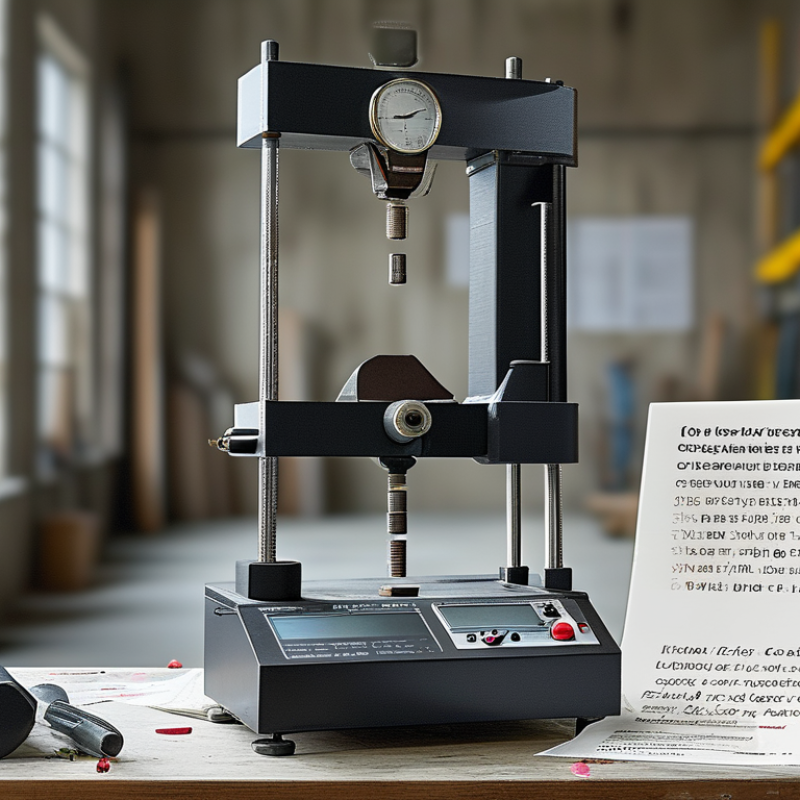
How to Choose the Best Point Load Tester Apparatus for Your Needs?

Understanding Point Load Testing and Its Importance

Point load testing is an essential method used to determine the mechanical properties of materials like rock and concrete. Understanding this testing process is crucial for engineers and geologists. By measuring the load bearing capacity at a specific point, professionals can make informed decisions on design and construction. The 2021 data from the International Society for Rock Mechanics emphasizes that point load testing can significantly impact the safety and effectiveness of engineering projects.

When choosing a point load tester, consider accuracy, ease of use, and portability. Manufacturers often report that units with digital displays and data logging capabilities enhance usability. But, it’s vital to check calibration regularly. Neglecting this step can result in misleading data, undermining project integrity.

One important tip is to familiarize yourself with the testing standards. The ASTM D5731 standard outlines procedures for point load testing. Following this can mitigate errors during testing. Another consideration is the specimen size. A small specimen may yield variability in results. Lastly, assess your project’s specific material type. Different materials respond uniquely under load, and understanding these nuances is key to effective testing.

Key Features to Look for in Point Load Tester Apparatus

Choosing the right point load tester apparatus can significantly impact your testing results. Focus on key features that are critical for your applications. Accuracy is paramount. Ensure the apparatus provides precise measurements for reliable data. A unit with calibration capabilities can help maintain its accuracy over time.

Another essential feature is ease of use. Look for a device with a user-friendly interface and clear instructions. This allows technicians, regardless of their experience, to operate the equipment effectively. Portability also matters. A lightweight and compact design makes it easier to transport the tester to various testing sites.

Tips: Consider models with adjustable load settings. This flexibility allows you to test a range of materials. Additionally, check user reviews for feedback on durability and maintenance. Testing a few different apparatuses can help identify which model feels best in hand. Reflect on how these factors align with your specific testing needs and adjust your choice accordingly.

Types of Point Load Testers: Which One Suits Your Needs?

When selecting a point load tester, consider the various types available. Each model serves different purposes and materials. For example, a portable handheld tester is ideal for fieldwork. These tools offer quick assessments on-site. They are lightweight and easy to use. However, accuracy may vary compared to stationary models.

In contrast, a motorized point load tester provides precision and detailed measurements. These units are better suited for laboratory settings. They can handle various sample sizes with consistent results. Be aware that the cost is generally higher for this type. Do you need portability or precision? This question will guide your choice.

**Tips:** Ensure that you consider the types of materials you will test. Testing harder materials often requires a device with a higher load capacity. Also, think about maintenance. Some testers need regular calibration, which can impact your workflow. Invest time in understanding each type. The right choice should align with your specific testing needs.

How to Choose the Best Point Load Tester Apparatus for Your Needs?

Tester Type Max Load Capacity (kN) Weight (kg) Portability Typical Applications
Manual Point Load Tester 10 5 Moderate Field testing, geotechnical investigations
Electronic Point Load Tester 25 7 High Laboratory testing, detailed analysis
Portable Point Load Tester 15 4 Very High Site measurements, quick assessments
Heavy-Duty Point Load Tester 50 15 Low Mining operations, industrial testing

Factors Influencing the Choice of Point Load Tester Equipment

When selecting a point load tester, various factors demand careful consideration. One crucial aspect is the specific materials you will be testing. Different materials can yield different results under stress. For instance, brittle materials may require a more sensitive apparatus. Understanding the composition and properties of the test specimens is essential. This knowledge helps you choose a tester that will provide accurate readings.

Another important factor is the range of loads you anticipate measuring. Not all testers accommodate the same load capacities. The right equipment should cover both the lower and upper limits relevant to your projects. If your uses change over time, opting for a versatile device might be wise. Flexibility can save time and costs in the long run.

Lastly, think about the testing environment. Will you conduct tests in the lab, or will you need portable units for fieldwork? Portability can influence your choice if you need to move around often. Additionally, consider the ease of calibration and maintenance of the equipment. Simplifying these processes can enhance overall reliability. Make sure to evaluate the specific needs of your applications thoroughly.

Budgeting for Your Point Load Testing Apparatus: Cost vs. Quality

Budgeting for a point load testing apparatus requires careful consideration of various factors. When weighing cost versus quality, it's important to remember that the cheapest option may not provide the accuracy you need. Quality tools often lead to more reliable data, which can save significant costs in the long run. Investing in a durable apparatus ensures fewer replacements, translating to lower overall expenses.

Additionally, consider your specific testing needs. A versatile device may be more costly upfront but could offer multiple functions, reducing the need for additional equipment. Assess the specifications of each apparatus. Features such as load capacity and accuracy should align with your testing requirements. Skimping on these features can lead to inadequate results. Be aware that sometimes, paying slightly more can significantly enhance your research's precision.

Lastly, review the manufacturer's support and warranty options. A higher initial investment might come with better customer service and lasting support. Weigh these aspects against your budget. It’s easy to overlook the long-term benefits. Prioritizing quality will enhance your lab's efficiency and credibility in the field.

Point Load Testing Apparatus: Cost vs. Quality

FAQS

: What should I prioritize when choosing a point load tester?

: Focus on accuracy and ease of use. These are critical for reliable testing results.

Why is calibration important for a point load tester?

Calibration maintains accuracy over time. It ensures consistent and reliable measurements.

How does portability affect my choice of a tester?

A lightweight design allows easier transport for fieldwork. Consider your testing environment before deciding.

What materials should I consider when selecting a point load tester?

Different materials yield different stress responses. Knowing your materials helps in choosing the right apparatus.

Is it worth investing in a more expensive testing apparatus?

Yes, higher quality tools often provide better accuracy and longer durability, leading to overall cost savings.

How do adjustable load settings benefit my testing process?

They allow testing of various materials. This flexibility can lead to more comprehensive results.

Why should I check user reviews before purchasing a tester?

Reviews can provide insights on durability and ease of use. They enhance your decision-making process.

What factors influence the testing environment choice?

Consider whether tests are lab-based or field-based. Portability may be more crucial for outdoor testing.

How can I simplify maintenance for my point load tester?

Look for equipment designed for easy calibration and upkeep. This enhances reliability and saves time.

What long-term benefits should I consider in my budget?

Prioritizing quality can improve efficiency and credibility over time. Durable tools reduce replacement costs.

Conclusion

When selecting the best Point Load Tester Apparatus, it's crucial to understand the significance of point load testing in assessing the strength and quality of materials. This testing method provides essential data for various engineering and geological applications, highlighting the need for a suitable apparatus that meets specific requirements.

Key features to consider include accuracy, ease of use, and durability of the equipment. Different types of point load testers are available, each designed for particular needs, so it's important to evaluate the options thoroughly. Factors such as testing environment, material types, and frequency of use will significantly influence your choice. Additionally, balancing budget constraints with the quality of the Point Load Tester Apparatus is vital to ensure effective performance without compromising standards.


Charlotte

Charlotte

Charlotte is a seasoned marketing professional with a deep understanding of the company's portfolio and a passion for elevating its presence in the market. With a keen eye for detail and a commitment to excellence, she ensures that our professional blog is regularly updated with insightful articles......