The Compaction Proctor Test is a critical procedure in civil engineering and construction. It measures the optimum moisture content and maximum dry density of soil. This test is crucial for ensuring soil stability for foundations and other structures. According to the American Society for Testing and Materials (ASTM), nearly 70% of engineering failures stem from inadequate soil compaction.
Understanding the Compaction Proctor is vital for project success. Engineers can prevent costly failures by determining the right compaction levels. Data from industry reports indicate that poorly compacted soil can result in structural issues, leading to significant financial losses. Inadequate compaction often leads to safety hazards and structural defects.
Recognizing the importance of the Compaction Proctor means not just following standards, but reflecting on practices. Are current methods effective? Continuous improvement is essential. Professionals must be aware of the specific needs of each project. This ensures detailed assessment and reliable results. The Compaction Proctor Test remains a fundamental tool in the quest for engineering excellence.
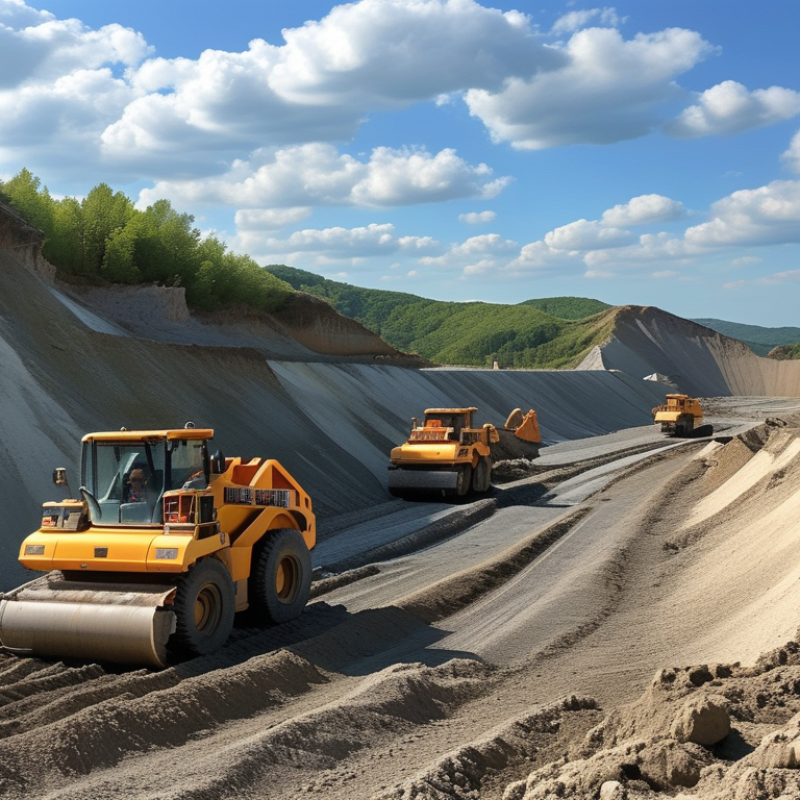
The Compaction Proctor Test is a crucial method in civil engineering and construction. It determines the optimal moisture content for soil compaction. The test measures the density of soil at different moisture levels. It ensures that the soil can support structures effectively.
During the test, soil samples are compacted in a cylindrical mold through specified energy levels. The resulting data reveals the maximum dry density achievable for a given soil type. This insight is vital for engineers to predict how the soil will behave under load. According to industry standards, optimal compaction leads to enhanced durability and reduced settlement. Properly compacted soil can improve the lifespan of the structures built upon it.
Tip: Always check soil moisture conditions before conducting the test. This can significantly influence your outcomes. Accurate measurements are essential for reliable results. If you notice anomalies, consider retesting with adjusted moisture levels.
Understanding the Proctor Test's nuances can save time and resources in projects. Data indicates that improper compaction can lead to nearly 30% of structural failures. Reflecting on these statistics emphasizes the importance of thorough testing and adherence to established procedures. Prioritize the use of the Proctor Test for successful engineering practices.
: The test measures the optimal moisture content and maximum dry density of soil for effective compaction.
Optimal moisture ensures soil particles are packed closely, preventing settlement or expansion during construction.
Data shows nearly 30% of structural failures relate to improper compaction. Thorough testing can mitigate this risk.
Consider retesting with adjusted moisture levels for more accurate results. Accurate measurements matter.
It helps determine soil stability and load-bearing capacity, crucial for preventing future settlement issues in roads.
Yes, variations can influence results significantly, making it important to test multiple soil samples.
Regular re-evaluations can enhance project outcomes and ensure structural integrity over time.
Using too much water can weaken soil strength, while too little can lead to incomplete compaction.
Consistent methods ensure accurate results and help in understanding variations across different sites.
They may signal issues like improper equipment calibration or material property variations needing attention.
The Compaction Proctor Test is a fundamental procedure in geotechnical engineering that assesses the optimal moisture content and maximum dry density of soil. Developed to ensure effective soil compaction, this test involves specific procedures and equipment that measure how different moisture levels affect soil density. Its historical background reveals the evolution of soil testing methods, emphasizing the importance of accurate compaction for construction and infrastructure projects.
Understanding the results of the Compaction Proctor Test is crucial for engineers, as it directly influences the design and stability of structures built on or within the soil. The optimal moisture content identified through the test allows engineers to achieve maximum compaction, thereby enhancing the performance and longevity of construction projects. Overall, the Compaction Proctor Test serves as a vital tool for ensuring safe and effective soil management in engineering applications.

 Zealchon Electronic