Compaction Testing is a critical aspect of quality assurance in construction and civil engineering. It ensures that soil and materials achieve the desired density for structural integrity. James Miller, a noted expert in soil mechanics, once remarked, "Proper compaction testing leads to safer and more durable structures." His insight highlights the importance of this process.
Many professionals overlook the complexities of Compaction Testing. It is not merely about hitting targets. Factors such as moisture content and soil type play significant roles. A test can deliver varied results based on these variables. Misinterpretation can lead to serious project failures that might affect safety.
Effective Compaction Testing requires meticulous attention to detail. The process should be consistent and repeatable, yielding reliable data. Each test should be properly documented to track trends over time. Professional judgment is crucial here, as the stakes are high. Understanding the nuances of testing can lead to better project outcomes. Yet, even experts must continuously refine their methods to adapt to evolving standards and technologies.
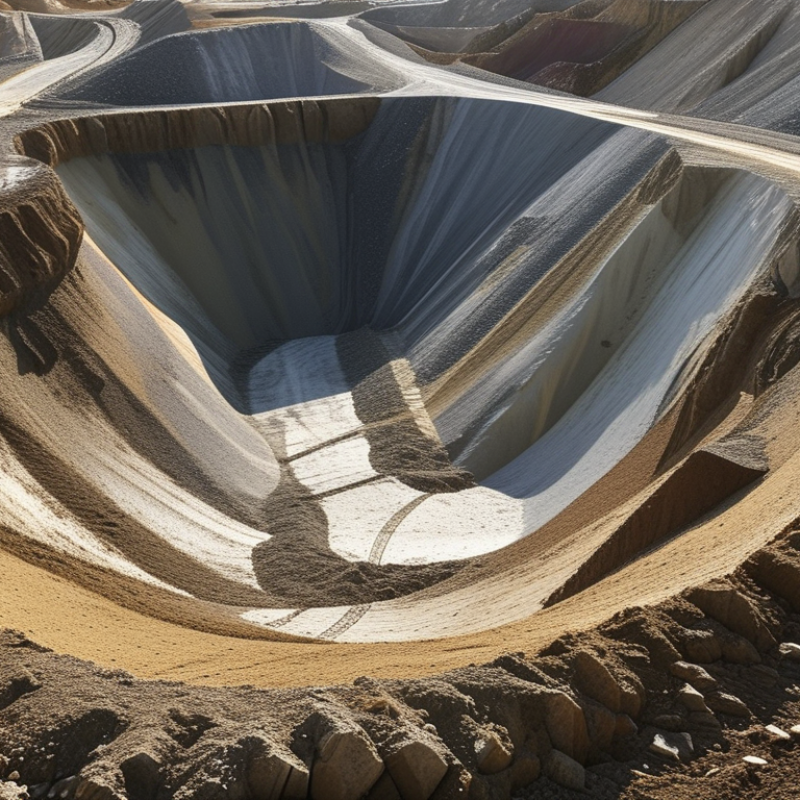
Compaction testing plays a vital role in construction quality assurance. It determines how well soil and other materials have been compacted to support structures. Poor compaction can lead to uneven settling, which might cause cracks and structural failures. According to the American Society of Civil Engineers, inadequate compaction contributes to up to 50% of construction project delays and cost overruns.
A recent report by the Federal Highway Administration highlights that optimal compaction increases load-bearing capacity by up to 30%. The testing process involves measuring the density and moisture content. However, many projects overlook this crucial step, resulting in long-term issues that could have been prevented. The field of geotechnical engineering emphasizes the need for ongoing education and training in compaction techniques, signaling a gap in current industry practices.
The consequences of neglecting compaction testing can be severe. Structures may face unexpected challenges, resulting in costly repairs. A study indicated that 20% of construction defect claims arise from compaction-related problems. Ensuring accurate testing can minimize risks, but many still underestimate its importance. This calls for a shift in mindset within the industry, where quality assurance must take precedence.
| Test Method | Soil Type | Optimum Moisture Content (%) | Maximum Dry Density (kg/m³) | Compaction Equipment | Field Density (kg/m³) |
|---|---|---|---|---|---|
| Standard Proctor Test | Clay | 18 | 1900 | Vibratory Roller | 1850 |
| Modified Proctor Test | Sandy Loam | 14 | 2100 | Sheepsfoot Roller | 2050 |
| California Bearing Ratio | Gravel | 10 | 2200 | Plate Compactor | 2150 |
| Nuclear Density Gauge | Silty Clay | 16 | 1850 | Nuclear Density Apparatus | 1800 |
: It is a method to evaluate the compaction of soil, ensuring proper moisture levels are used during testing.
Moisture content affects compaction. Too little moisture may lead to poor compaction, and too much can cause excess water issues.
Achieve a moisture content typically between 4% to 8% above its optimum level before placing it in the mold.
You need a cylindrical mold, a hammer, and soil samples. Ensure everything is clean and dry.
One challenge is achieving consistent moisture content, which can lead to structural issues if not addressed properly.
Regular calibration is essential. Many inaccuracies stem from poorly calibrated tools, so frequent checks are needed.
Reassess the procedure. Inconsistencies often indicate issues with moisture levels or compaction techniques used.
Yes, different soils need specific testing methods. Sandy soils behave differently from clay-based soils, affecting results.
Training enhances understanding of procedures and equipment, leading to more accurate test results and better outcomes.
Precision ensures reliable outcomes. Even small errors can lead to incorrect data, affecting construction integrity.
Compaction Testing is a critical process in construction that ensures the stability and durability of soil used in foundations, embankments, and other structural elements. Understanding its importance helps engineers and contractors guarantee that the soil can support the intended loads and perform effectively over time. The key equipment required for conducting these tests typically includes a compaction mold, a hammer, and a scale, among others.
The Standard Proctor Test, a widely used method for evaluating soil compaction, involves a systematic procedure that includes measuring the moisture content and applying a specific compactive effort. After conducting the tests, interpreting the results is essential for quality assurance; this helps identify if the compaction meets the necessary specifications. Despite the challenges that may arise, such as variations in soil type and environmental conditions, effective solutions can be implemented to ensure accurate results and maintain high construction standards.

 Zealchon Electronic