The Point Load Testing Machine is an essential tool in material testing. It evaluates the strength and integrity of rocks, concrete, and similar materials. Understanding its functionality is crucial for engineers and geologists.
This machine applies a localized force to a specimen. It measures how much load the material can handle before breaking. The results help determine material suitability for construction projects. Reliable data from the Point Load Testing Machine influences important decisions.
Many professionals recognize the importance of accurate testing. However, the machine is not without limitations. Results depend on proper calibration and specimen preparation. Users must remain aware of potential errors. An understanding of these aspects ensures better interpretation of test outcomes.
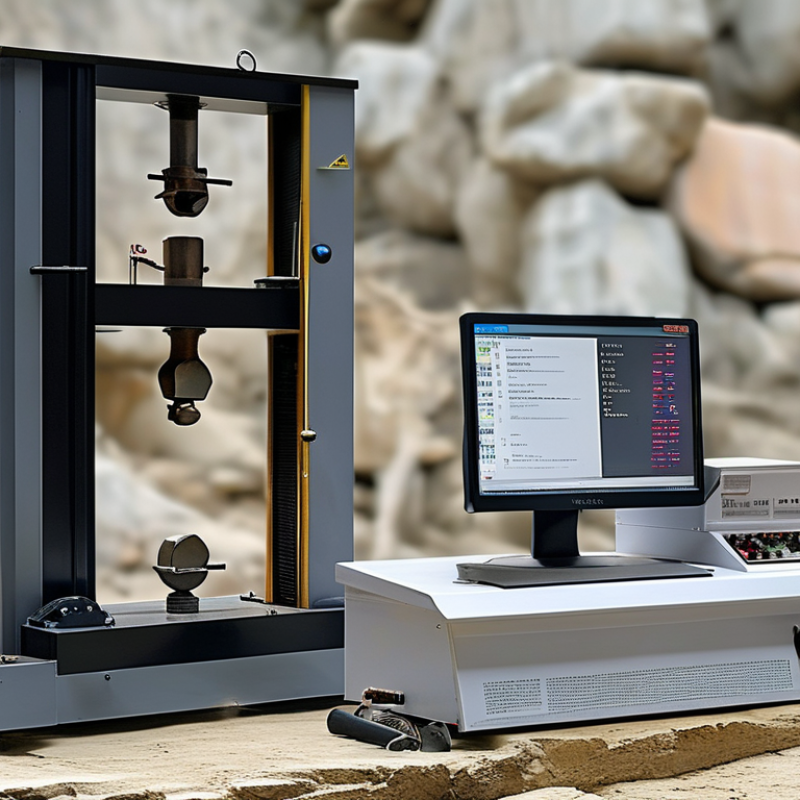
A point load testing machine is a crucial instrument in material testing. Its primary function is to determine the load-bearing capacity of various materials. This machine applies a concentrated force on a specific point of a sample, typically made of rock or concrete. By measuring the failure point, engineers can assess the material's strength and durability.
Understanding how this machine works is essential. It utilizes a hydraulic or mechanical system to generate the load. The force is gradually applied until the sample fractures. Data from these tests helps in structural analysis. Engineers rely on these results during the design and construction phases. It allows them to predict potential failures and ensure safety standards.
Point load testing machines are valuable but not infallible. Variations in sample preparation can lead to inconsistent results. Ensuring uniformity in sample size and shape is critical. Even minor errors can impact the test's accuracy. This highlights the importance of careful testing protocols. Proper training in using this equipment is crucial. It enhances reliability and provides trustworthy results.
A Point Load Testing Machine is essential for assessing material strength in various engineering projects. Its main components include a loading frame, a hydraulic system, and a measurement device. The loading frame holds the sample securely during testing, providing stability and precision. The hydraulic system applies controlled pressure to test the material's load-bearing capacity.
The measurement device captures the force exerted on the material. Various options exist, including digital sensors and traditional gauges. A reliable measurement is crucial for accurate results. Users must calibrate these devices regularly to maintain precision.
In practical applications, operators often face challenges with the setup. Ensuring that samples are positioned correctly can be tricky. Additionally, the hydraulic system requires regular maintenance to function optimally. Understanding these components and their interactions is vital for effective testing. Engineers benefit from hands-on experience with the machine to navigate potential issues.
Point load testing machines play a vital role in evaluating the mechanical properties of materials, particularly rocks and concrete. These machines apply a controlled load to a specimen until failure occurs, revealing critical data about the material's strength. The key principle behind this testing method lies in its ability to measure the load-bearing capacity and behavior of materials under pressure.
The operation begins with placing a sample between two rigid surfaces. The machine then exerts a compressive force incrementally. Sensors monitor the load and deformation. Data collected during this process allows engineers to analyze the peak load before failure, as well as post-failure behavior. This information guides material selection in construction and other engineering applications.
However, the process isn't foolproof. Variability in sample size, shape, and surface conditions can affect results. Operators must ensure proper alignment and loading techniques to obtain reliable data. Misalignment can lead to inaccurate readings. Thus, while point load testing machines provide valuable insights, they also require careful handling and interpretation of results.
Point load testing plays a crucial role in various engineering and geological applications. This method helps determine the strength of rock and other materials by applying a concentrated load until failure. According to a recent report from the International Society for Rock Mechanics, understanding rock strength is vital for successful mining operations. Engineers often rely on point load test results to assess site stability and design structures accordingly.
In the field of geology, point load testing is essential for characterizing rock mass. Geologists use it to evaluate the mechanical properties of rock formations. Insights gained from these tests can influence the planning of construction projects, including tunneling and foundation design. A study published in Geotechnical Testing Journal highlighted that accurate assessments of rock strength improve safety and reduce costs in excavation projects.
While point load testing is valuable, it has limitations. It may not fully represent rock behavior under all conditions. Factors like rock anisotropy can affect test results. Continuous professional development in testing methods is necessary to minimize these gaps. Further research and calibration of testing processes are critical for reliable engineering and geological evaluations.
Point load testing is a crucial method for evaluating the mechanical properties of rock and soil materials. When interpreting results from point load tests, it’s essential to understand the relationships between the maximum load applied and the failure strength of the material. Typically, these tests measure the compressive strength and provide valuable data that can guide construction and mining projects. For instance, a study by the International Society for Rock Mechanics indicates that point load tests can yield reliable results that align with laboratory-derived compressive strength values within a 10% margin of error.
Analyzing point load test results involves careful examination of the load versus displacement curve. This curve illustrates how the material responds under stress. Peaks on the graph indicate failure points, revealing critical material characteristics that can influence engineering decisions. Data from recent geological surveys highlights that around 70% of point load tests on sedimentary rock formations can demonstrate distinct alterations in strength due to varying moisture levels. These elements must be considered when assessing site conditions.
The reproducibility of point load tests can sometimes present challenges. Variability in rock texture or moisture content can lead to discrepancies in results. It’s also possible for the testing method to introduce biases, particularly in heterogeneous materials. These complexities underline the importance of conducting multiple tests and averaging the results to arrive at a more accurate strength assessment. Recognizing these factors can enhance the reliability of construction planning and risk management strategies.
| Sample ID | Material Type | Point Load Strength (MPa) | Failure Mode | Density (kg/m³) | Test Date |
|---|---|---|---|---|---|
| 001 | Granite | 60.5 | Crushing | 2700 | 2023-05-20 |
| 002 | Limestone | 25.3 | Shearing | 2500 | 2023-06-15 |
| 003 | Sandstone | 30.1 | Tensile | 2300 | 2023-07-02 |
| 004 | Basalt | 50.0 | Crushing | 2900 | 2023-07-20 |
| 005 | Slate | 22.7 | Shearing | 2400 | 2023-08-10 |
: It determines the load-bearing capacity of materials by applying concentrated force on specific points.
It uses either hydraulic or mechanical systems to apply force incrementally until the sample fails.
Variations in size and shape can lead to inconsistent results. Uniformity enhances test accuracy.
Typically, rocks and concrete are the primary materials assessed for their strength and durability.
They analyze the peak load before failure to inform structural designs and predict potential failures.
It may not capture rock behavior under all conditions, especially with anisotropic materials.
Training ensures reliable testing techniques, reducing the risk of misalignment and inaccurate readings.
Yes, improper alignment or sample conditions can affect results. Consistent protocols are necessary for reliability.
They help evaluate site stability and inform decisions on foundational designs in construction projects.
Continuous professional development and further research are needed to refine testing processes and enhance reliability.
A Point Load Testing Machine is an essential tool used primarily in engineering and geology to measure the mechanical strength of rock and similar materials. It operates by applying a concentrated load at a specific point on the material, determining its load-bearing capacity. The machine consists of key components such as a loading system, a measurement device, and a control unit, which work together to ensure accurate results.
The principles of operation involve applying a steadily increasing load until the material fails, allowing for the calculation of point load strength. The results obtained from point load tests are crucial in various applications, including site assessments, material selection, and understanding geological formations. Proper interpretation of these results aids in making informed decisions regarding construction and mining projects, highlighting the importance of the Point Load Testing Machine in material testing practices.

Zealchon Electronic