Top 5 Tips for Choosing the Best Bench Triaxial Instrument?

Time:2026-07-05 Author:Isabella
0%

Choosing the right Bench Triaxial Instrument is crucial for geotechnical and civil engineering applications. The use of these instruments is growing, with market research indicating a steady increase in demand. A report by MarketsandMarkets projects a compound annual growth rate (CAGR) of 6.1% in the geotechnical testing market by 2025.

Selecting a Bench Triaxial Instrument requires understanding the specific needs of your project. Key features to consider include load capacity, data acquisition systems, and compatibility with your existing equipment. Many users overlook these details, leading to suboptimal test results. Additionally, instrument calibration and maintenance are vital for reliable outcomes. Complex instruments can lead to user frustration if not properly maintained.

In an industry that inherently involves risks, making informed decisions is essential. The right Bench Triaxial Instrument can enhance test accuracy and reliability. A lack of careful consideration might result in costly errors. Therefore, this guide provides essential tips to help you choose wisely.
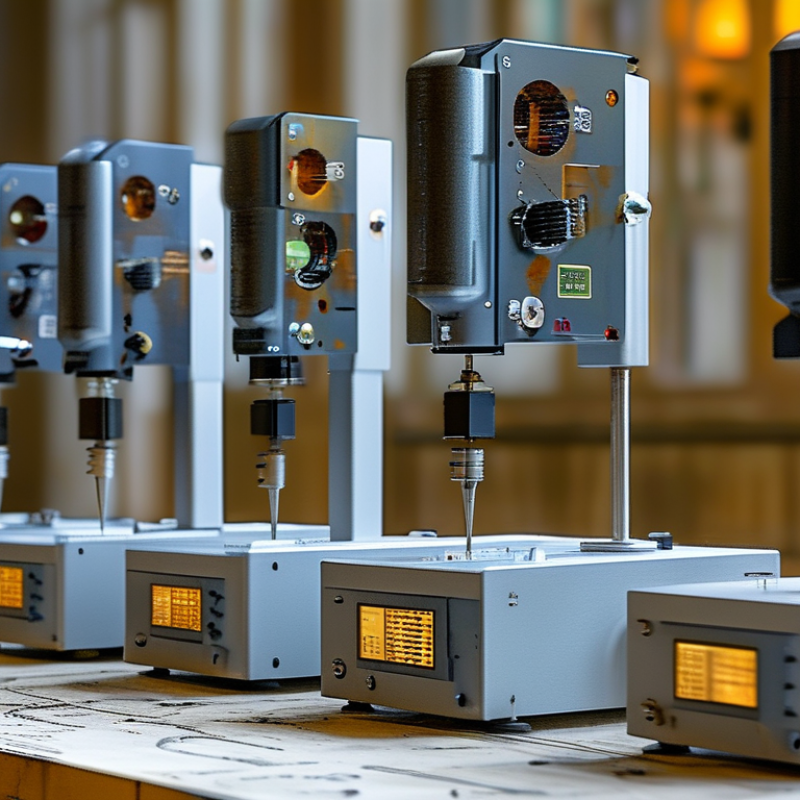
Top 5 Tips for Choosing the Best Bench Triaxial Instrument?

Understanding Bench Triaxial Instruments and Their Applications

Bench triaxial instruments play a crucial role in geotechnical engineering. They are essential for testing soil properties under various stress conditions. Understanding their applications can significantly enhance the quality of geotechnical investigations. Studies show that accurate soil testing results are vital for the safety and durability of structures.

When choosing a bench triaxial instrument, consider its technical specifications. Look for devices that provide precise control over confining pressures and deformation rates. Instruments with advanced data acquisition systems improve accuracy and repeatability. A reliable instrument can increase the confidence level in soil behavior predictions. Ensure the instrument can accommodate various soil types for versatility in applications.

Additionally, prioritize user-friendly interfaces. Instruments that are easy to operate reduce human errors during testing. Training operators on the equipment is essential for obtaining quality results. Manufacturers should provide comprehensive support to ensure optimal usage. As per industry data, effective training can lead to a 25% reduction in testing errors. Remember, an investment in quality will yield significant returns in data reliability.

Key Features to Look for in a Bench Triaxial Instrument

When selecting a bench triaxial instrument, several key features should be considered. Precision is paramount. Instruments should allow for fine adjustments. Look for models with a user-friendly interface. Complex systems can lead to confusion and errors. A clear, intuitive design enhances usability and efficiency.

Durability matters. Choose instruments made from quality materials. They need to withstand the rigors of frequent use. Consider the testing environment. Will it be exposed to harsh conditions? If so, durability should be a top priority.

Calibration capabilities are crucial. Regular calibration ensures accurate results. A system that can be regularly adjusted helps maintain integrity. This process should not be overly cumbersome. Sometimes, instruments require frequent recalibration. If it becomes a chore, accuracy may suffer.

Finally, support and training options should not be overlooked. A reliable user support system can save time. Instruments often come with manuals that can be hard to understand. Inadequate support might lead to misinterpretations. Effective training will enhance user confidence.

Top 5 Tips for Choosing the Best Bench Triaxial Instrument

This chart illustrates the key features to look for in a bench triaxial instrument, highlighting load capacity, accuracy, testing range, ease of use, and price. These factors are crucial for selecting the right instrument for your testing needs.

Evaluating Accuracy and Precision in Triaxial Testing

When selecting a bench triaxial instrument, evaluating accuracy and precision in triaxial testing is crucial. Accurate measurements ensure reliable data for geotechnical applications. According to industry reports, instruments must maintain an accuracy within 2-5% for effective testing on soil samples. Precision relates to the consistency of repeated measurements, which can be equally significant, often cited at about 1-3% variation in professional studies.

Calibration is a vital aspect. Regular calibration helps maintain accuracy. Some instruments may lose calibration over time, leading to skewed results. It's essential to check the manufacturer's protocol for recommended calibration frequency. Moreover, environmental factors like temperature and humidity can affect results. Experts suggest that a temperature range of 15-25°C is optimal for conducting tests to ensure stable readings.

Understanding testing limits is also important. Not all materials behave the same under stress. Some soils may exhibit significant variability, potentially leading to unexpected results. Running multiple tests can provide insight into this variability. Professionals often advocate for redundancy in testing to capture a broader range of data, revealing any hidden inconsistencies. These considerations can ultimately impact project outcomes decisively.

Comparing Different Brands and Models for Quality Assurance

When selecting a bench triaxial instrument for quality assurance, comparing different brands and models is essential. Each model offers unique features and functionality, and these can greatly impact your testing outcomes. Factors like durability, accuracy, and ease of use are critical. Prioritizing these elements can significantly enhance your testing efficiency.

One critical tip is to consider the calibration options of each instrument. Proper calibration is vital for obtaining reliable results. Investigate whether the brand provides calibration services and support.

Another important factor is user feedback. Real-world experiences can offer insights into performance that specifications alone cannot provide. You want feedback on how the equipment holds up in different environments and use cases.

Bear in mind that no instrument is perfect. Different models may perform well in certain conditions while struggling in others. It's essential to weigh these considerations carefully. Test the equipment if possible. Your hands-on experience can reveal issues that reviews might not address.

Budget Considerations: Finding the Best Value for Your Needs

When selecting a bench triaxial instrument, budget considerations are crucial. The right choice must align with your financial resources. Start by identifying your project requirements. Understanding the specific tests you need to conduct will help narrow down options. A basic model may suffice for simpler tasks. More complex analyses will require advanced features.

Pricing can vary significantly. High-end models may boast enhanced accuracy and durability, but they may exceed your budget. Seek equipment that offers good performance without unnecessary extras. Remember, the most expensive option isn't always the best. Look for user reviews and expert opinions to gauge reliability. Personal experiences can highlight potential issues with certain models.

Consider long-term costs, too. Maintenance and calibration are essential for consistent results. Ensure you factor in these expenses when evaluating your budget. Investing in a slightly pricier model may lead to savings in the long run. Cheaper options might require frequent repairs. A balanced approach is vital to finding the best value for your needs.

Top 5 Tips for Choosing the Best Bench Triaxial Instrument - Budget Considerations: Finding the Best Value for Your Needs

Tip Description Price Range Best For
Understand Your Needs Evaluate the types of tests you will conduct and materials you will analyze. $1,000 - $5,000 Research Labs
Check Technical Specifications Look for instruments with the appropriate features, such as load capacity and accuracy. $2,000 - $10,000 Industrial Testing
Consider Software Capabilities Evaluate the data analysis and reporting features offered with the software. $500 - $3,000 Material Engineers
Look for After-Sales Support Ensure the manufacturer provides good customer service and maintenance options. $0 - $1,500 All Users
Set a Realistic Budget Determine your budget based on your laboratory’s financial resources and needs. $2,000 - $15,000 Startups and Established Labs

FAQS

: Why is accuracy important in triaxial testing?

: Accuracy ensures reliable data for geotechnical applications, affecting project outcomes.

What is the ideal accuracy range for triaxial instruments?

Instruments should maintain an accuracy within 2-5% for effective testing on soil samples.

How does precision relate to triaxial testing?

Precision refers to the consistency of repeated measurements, ideally within 1-3% variation.

Why is calibration crucial?

Regular calibration maintains accuracy; without it, results may become skewed over time.

What environmental factors affect triaxial testing?

Temperature and humidity impact results. Optimal testing conditions are within 15-25°C.

How can testing limits impact results?

Different materials behave differently under stress. Understanding this variability is crucial for accurate data.

Why run multiple tests?

Multiple tests help reveal hidden inconsistencies, providing a broader range of data.

What should I consider regarding budget?

Align your choice with project requirements. More complex analyses need advanced features.

Are high-end models always the best choice?

Not necessarily; look for performance without unnecessary extras.

How do long-term costs affect equipment choice?

Factor in maintenance and calibration costs. Sometimes, a pricier model saves money over time.

Conclusion

When selecting the best Bench Triaxial Instrument, it is essential to understand its applications and how it fits within your testing needs. Key features to consider include the instrument's design, ease of use, and the range of tests it can perform. Evaluating accuracy and precision is crucial, as these factors directly impact the reliability of your results.

Additionally, it is vital to compare different brands and models to ensure quality assurance, focusing on user reviews and specifications. Finally, budget considerations play a significant role; finding the best value for your needs can help optimize your investment in a Bench Triaxial Instrument while ensuring high-quality performance for your testing requirements.


Isabella

Isabella

Isabella is a dedicated marketing professional with a sharp focus on driving brand growth and engagement through strategic content creation. With an extensive background in digital marketing, she combines her passion for storytelling with her keen understanding of industry trends to deliver......