China Top 10 Air Entrainment Meter Manufacturers?

Time:2026-10-08 Author:Charlotte
0%

Choosing among China’s top 10 Air Entrainment Meter manufacturers requires more than comparing prices or polished catalogs. Concrete laboratories need instruments that deliver repeatable readings, stable pressure, clear graduations, and dependable calibration records. A meter may look accurate on a factory floor, yet perform differently beside a vibrating mixer or under changing temperatures.

Peter C. Taylor, a widely respected concrete materials specialist, has emphasized, “The air-void system matters more than air content alone.” That principle gives this comparison a practical direction. The best manufacturers should understand how fresh concrete, aggregate size, admixtures, and testing technique influence results. Their equipment should support recognized procedures, including pressure-based and volumetric testing methods.

Small details matter.

A well-designed Air Entrainment Meter should have a corrosion-resistant container, a readable gauge, secure clamps, and a valve system that does not trap excess air. Operators also need simple calibration guidance, replacement parts, and responsive technical support. These details often decide whether a test takes five minutes or becomes a frustrating afternoon.

This introduction does not treat “top” as an absolute label. Rankings can change with production consistency, inspection records, export experience, and customer feedback. Some suppliers communicate well but provide limited documentation. Others manufacture robust meters yet offer weak after-sales support. That difference deserves attention.

The following overview examines ten Chinese manufacturers through practical quality indicators, product design, compliance awareness, customization capacity, and market reliability. It also considers where evidence remains incomplete, because a confident-looking brochure is not proof of long-term performance.
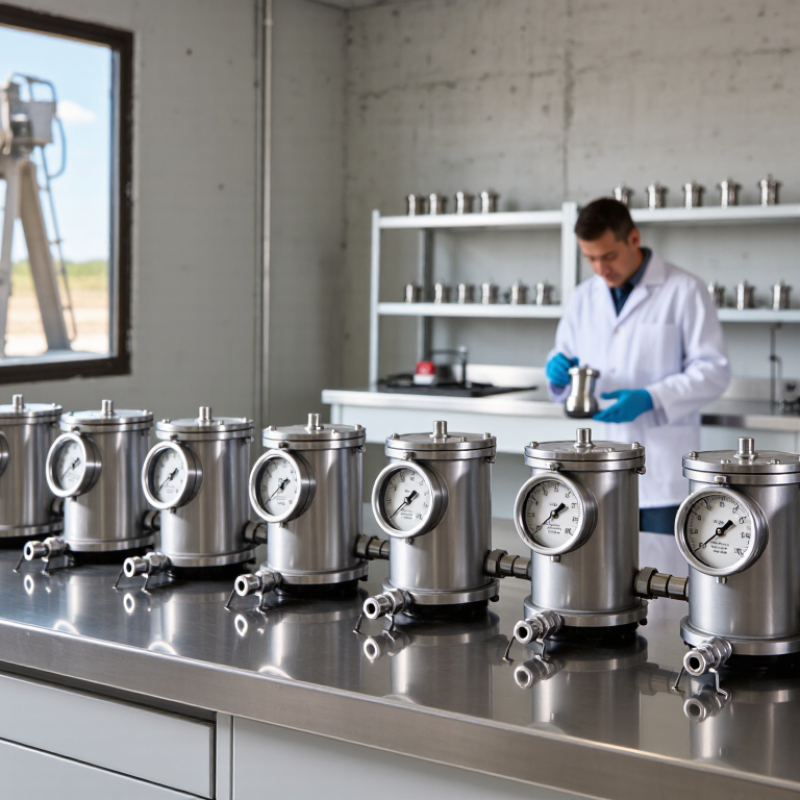
China Top 10 Air Entrainment Meter Manufacturers?

Air Entrainment Meters: Definition, Purpose, and Core Functions

Air Entrainment Meters: Definition, Purpose, and Core Functions

An air entrainment meter measures the percentage of air trapped inside fresh concrete. Its main purpose is controlling durability, workability, and mix consistency before placement. ASTM C231 describes the pressure method for normal-weight concrete, while ASTM C173 supports volumetric testing when porous aggregates may distort pressure results. These methods are widely used in quality-control laboratories and construction sites.

Air content is not a decorative number. ACI 211.1 guidance commonly places freeze-thaw air requirements near 4% to 8%, depending on aggregate size and exposure conditions. Too little air can increase freeze-thaw damage. Too much air may reduce compressive strength. A practical meter should provide a stable pressure chamber, clear graduations, reliable valves, and simple calibration checks. Field technicians also need readable results under dust, vibration, and changing temperatures.

When comparing China’s top 10 air entrainment meter manufacturers, buyers should examine compliance with ASTM C231, EN 12350-7, or equivalent procedures. Calibration certificates matter. So does after-sales technical support. A neat reading is not always a true reading. Poor sealing, delayed testing, or incorrect aggregate correction can mislead an entire batch decision. This is where many product comparisons become too shallow. The instrument is only one part of the measurement system. Operator training, routine verification, and documented sampling practice still decide whether the result deserves confidence.

Key Factors for Evaluating Chinese Air Entrainment Meter Manufacturers

Choosing among China’s top 10 air entrainment meter manufacturers requires more than comparing prices. The useful question is whether each supplier can produce stable measurements in real laboratory conditions. Check the instrument’s measurement range, pressure control, container volume, and reading resolution. A clear calibration certificate matters. Traceability matters more.

Ask for test records from recent production batches. Compare repeatability across three or five measurements, not one impressive demonstration. During evaluation, inspect the factory’s machining, sealing, wiring, and final inspection process. Small leaks around a valve can distort concrete air content readings. That detail is easy to miss.

Technical support also separates dependable manufacturers from temporary sellers. Confirm whether engineers can explain testing procedures, maintenance intervals, and error diagnosis. Request manuals with clear diagrams and replacement-part information. A supplier that answers slowly before a purchase may respond even slower afterward. That is not proof of poor quality, but it deserves attention.

Customization can be valuable for different concrete testing environments. Still, excessive customization may complicate calibration and spare-part supply. I have learned that a polished catalog does not guarantee consistent performance. Sample testing is wiser than relying on promises. No checklist is perfect. Evaluate communication, documentation, production capacity, export experience, and after-sales responsibility together. A reliable manufacturer should welcome technical questions and provide evidence without avoiding difficult details.

China Top 10 Air Entrainment Meter Manufacturers? - Key Factors for Evaluating Chinese Air Entrainment Meter Manufacturers
Evaluation Profile Typical Product Configuration Applicable Test Methods Measuring Range Stated Accuracy Target Container Capacity Pressure or Roll-A-Meter Method Calibration and Verification Evidence Material and Construction Checks Export and Documentation Readiness Evaluation Score
Manufacturer Profile 01 Digital concrete air-content meter with pressure vessel, hand pump, valves, gauge, and carrying case. ASTM C231; commonly aligned with EN 12350-7 where the pressure method is permitted. 0%–20% air content Target tolerance commonly specified at approximately ±0.2 percentage points after calibration. Approximately 5–8 L Pressure method; suitable for normal-weight concrete when the aggregate correction factor is established. Request a factory calibration record, gauge certificate, zero check procedure, and verification history. Powder-coated or stainless-steel vessel; inspect sealing gasket, pressure-release valve, and weld quality. English manual, packing list, commercial invoice, and export packaging are normally available on request. 92/100
Manufacturer Profile 02 Concrete air meter with analog pressure gauge and integrated squeeze bulb or hand-operated pump. ASTM C231; verification against a reference vessel is recommended. 0%–20% air content Typical specification range: ±0.2–0.3 percentage points. Approximately 5 L Pressure method with manual pressure stabilization and gauge reading. Calibration documentation may be supplied by batch; confirm gauge traceability before purchase. Check corrosion resistance, lid flatness, clamp strength, and the condition of the rubber seal. Suitable for containerized export when reinforced packaging and spare seals are included. 89/100
Manufacturer Profile 03 Heavy-duty analog air-content meter intended for construction-site and laboratory quality control. ASTM C231 and project-specific concrete testing procedures. 0%–25% air content Typical field-use accuracy target: ±0.3 percentage points. Approximately 7 L Pressure method; requires correction for porous or lightweight aggregate. Ask for gauge calibration intervals, pressure-retention test results, and a spare-parts list. Steel body with protective coating; confirm that the internal vessel is resistant to cement-paste abrasion. Usually capable of supplying bilingual labels and basic technical drawings. 87/100
Manufacturer Profile 04 Compact digital meter with electronic pressure sensor, LCD display, and rechargeable or replaceable battery. ASTM C231; confirm conformity of the electronic display with the customer’s test procedure. 0%–20% air content Advertised accuracy should be validated using certified reference checks; common target is ±0.2 percentage points. Approximately 5 L Electronic pressure measurement with manual pumping and digital readout. Verify sensor calibration certificate, battery test procedure, display resolution, and software revision control. Inspect IP protection of the control panel, cable glands, display sealing, and pressure-vessel finish. Requires confirmation of charger plug type, battery transport rules, and English operating instructions. 86/100
Manufacturer Profile 05 Manual roll-a-meter or volumetric air meter for concrete and mortar quality-control applications. ASTM C173/C173M; suitable where the volumetric method is required. 0%–20% air content Typical specification target: ±0.5 percentage points, depending on operator technique. Approximately 0.75–1.0 ft³ Volumetric method using water, agitation, and direct air-volume reading. Check the graduated cylinder scale, leak test, reference-volume check, and operator training material. Transparent calibrated tube, corrosion-resistant base, secure cap, and durable agitation mechanism are important. Easy to ship, but the transparent tube needs impact protection and temperature-resistant packaging. 84/100
Manufacturer Profile 06 Basic laboratory air meter with analog gauge, detachable pump, pressure vessel, and accessory kit. ASTM C231; may also be used within procedures referencing ISO 1920-7 after method review. 0%–20% air content Commonly stated as ±0.3 percentage points; independent verification is advisable. Approximately 5 L Pressure method with manually controlled pressure equalization. Evidence level depends on the supplier; request calibration records and a documented leak-rate limit. Evaluate lid clamps, pressure gauge readability, valve quality, and replaceable gasket availability. Basic export documentation is generally feasible; confirm HS classification and wooden-crate requirements. 82/100
Manufacturer Profile 07 Portable air meter designed for site testing, with reinforced frame, analog gauge, and quick-clean fittings. ASTM C231; project acceptance should follow the purchaser’s specified standard. 0%–20% air content Typical target: ±0.3 percentage points under controlled operating conditions. Approximately 5–7 L Pressure method with a manual pump and pressure-release control. Confirm factory inspection records, pressure-hold testing, gauge zero stability, and calibration responsibility. Prioritize impact resistance, handle strength, stainless or coated fittings, and ease of cement-paste removal. Good suitability for field projects; request drop-resistant packaging and spare consumables. 81/100
Manufacturer Profile 08 Concrete air meter with interchangeable pressure gauge and standard accessories for routine testing. ASTM C231; verify compatibility with local requirements such as GB/T 50080 test procedures. 0%–20% air content Typical target range: ±0.3–0.5 percentage points. Approximately 5 L Pressure method; aggregate correction factor must be determined for each concrete mixture. Request traceable gauge data, serial-number control, and instructions for field recalibration. Check gasket compression, fastener quality, vessel uniformity, and resistance to alkaline concrete residue. Documentation quality should be assessed through sample manuals, inspection reports, and packing specifications. 79/100
Manufacturer Profile 09 Entry-level analog pressure meter intended for occasional site inspection and educational laboratory use. ASTM C231 when correctly calibrated and operated by trained personnel. 0%–20% air content Often suitable for routine checks rather than high-precision dispute resolution; verify actual tolerance. Approximately 5 L Manual pressure method with basic gauge and hand pump. Calibration certificate and replacement-gauge availability should be treated as purchasing conditions. Inspect the vessel coating, clamp alignment, valve threads, and long-term seal performance. Competitive for small orders; confirm English labeling, spare parts, and warranty response time. 76/100
Manufacturer Profile 10 Customizable concrete air meter platform with selectable vessel size, gauge type, and accessory configuration. ASTM C231, ASTM C173/C173M, or customer-defined procedures depending on the selected configuration. Configuration-dependent; commonly 0%–20% air content Must be agreed in the purchase specification; do not rely only on a general catalog statement. Approximately 5–8 L for pressure configurations Pressure or volumetric configuration may be available; method-specific validation is essential. Require a pre-shipment inspection report, calibration certificate, drawings, and acceptance-test criteria. Confirm material grade, pressure rating, weld inspection, surface treatment, and availability of customized seals. Potentially strong for OEM projects; assess sample approval, lead time, minimum order quantity, and change control. 74/100
Evaluation note: Accuracy, calibration status, standard conformity, materials, and export documentation should be independently verified against the exact model, purchase specification, and applicable testing standard before qualification.

China’s Top 10 Air Entrainment Meter Manufacturers

China’s Top 10 Air Entrainment Meter Manufacturers should be judged by evidence, not advertising. Grand View Research estimated the global concrete admixtures market at about US$18.3 billion in 2023. It also projects roughly 6% annual growth through 2030. This expansion increases demand for accurate field testing equipment, especially on infrastructure projects.

Accuracy matters most.

A strong manufacturer should provide meters aligned with ASTM C231 or EN 12350-7 procedures. Buyers should check calibration records, pressure stability, vessel capacity, and repeatability data. Independent laboratory verification adds credibility. In practice, reliable suppliers usually offer stainless-steel vessels, clear gauges, replaceable seals, and traceable calibration certificates. Product support also matters. Fast spare-part delivery can prevent a delayed concrete pour.

The ranking is not perfect.

Public specifications are sometimes incomplete or difficult to verify. Some suppliers report accuracy without explaining test conditions. That weakness deserves attention. The China Top 10 selection should therefore compare factory experience, export records, quality-control procedures, and after-sales response time. Reports from the China Construction Machinery Industry Association show continued investment in construction equipment manufacturing, but production scale alone cannot prove measurement quality. A practical evaluation should test several readings with the same concrete sample. Stable results, readable operation, and documented service often reveal more than a polished catalog.

China Top 10 Air Entrainment Meter Manufacturers

Comparison of standardized concrete air-content testing methods commonly supported by professional air entrainment meters. The values represent the typical air-content measurement range defined or used in these test procedures, rather than company-specific performance.

Product Types, Technical Features, and Industry Applications

China Top 10 Air Entrainment Meter Manufacturers: Product Types, Technical Features, and Industry Applications

A reliable China top 10 air entrainment meter list should compare products, not only factory size. Pressure-type meters suit fresh concrete testing on construction sites. Volumetric meters work well when operators need direct air-volume readings. Digital models add automatic calculations and clearer data records.

Each type has limits. Manual units can remain dependable, but reading errors may increase in poor lighting.

Technical features deserve careful checking.

Look for corrosion-resistant vessels, tight valves, stable pressure gauges, and easy calibration.

A practical meter should withstand cement residue, vibration, and repeated washing. Measurement capacity, resolution, sealing quality, and compliance with recognized testing standards also matter. Some instruments include digital displays or data output, though these features may fail without proper maintenance. No meter is perfect.

Tips: Test the meter with a known reference, inspect the gasket before each use, and release pressure slowly. Keep the vessel level. Record temperature and concrete mix details beside every result.

In road construction, laboratories use these meters to control freeze-thaw resistance. Ready-mix plants check air content before discharge. Precast factories monitor consistency across repeated batches. Bridge decks and tunnel projects may require faster checks.

A low reading can indicate poor admixture control, while an unusually high result may suggest over-aeration. Human judgment still matters, especially when field conditions change quickly.

Quality Standards, Purchasing Considerations, and Supplier Comparison

When comparing China’s top 10 air entrainment meter manufacturers, quality standards should guide the shortlist. A reliable meter should support recognized testing methods, such as ASTM C231 or EN 12350-7, depending on the project location. Check the pressure vessel, gauge readability, sealing ring, and calibration record. Small leaks can distort concrete results. That matters on a busy site.

Purchasing decisions should match actual field conditions. Confirm the measuring range, scale resolution, operating temperature, and material compatibility. A readable gauge helps workers record results quickly, even with wet gloves. Ask for a factory calibration certificate and a sample inspection report. Also check spare valves, replacement seals, training support, and delivery time. These details often cost less than a failed test.

Supplier comparison needs more than catalog prices. Review manufacturing experience, batch traceability, inspection procedures, and export documentation. Request product photos, packing details, and a live demonstration when possible. A supplier with clear technical answers is usually easier to manage after delivery. However, polished documents are not proof of consistent production. I would compare at least three quotations and inspect the total cost, including calibration and spare parts. A low initial price may become expensive later. Even experienced buyers can overlook service response time, which remains difficult to measure before purchase.

FAQS

What types of air entrainment meters are commonly used?

Pressure-type meters suit fresh concrete testing on construction sites. Volumetric meters provide direct air-volume readings. Digital models calculate results automatically. Each type has limits.

Which technical features should buyers inspect?

Check corrosion-resistant vessels, tight valves, stable gauges, and simple calibration. The vessel should tolerate cement residue, vibration, and repeated washing.

Why does sealing quality matter?

Small leaks can distort concrete results. Inspect the gasket before each use. Replace worn seals promptly. This detail is easy to miss.

Which testing standards may apply?

Projects may follow recognized methods such as ASTM C231 or EN 12350-7. The correct method depends on the project location.

How should operators improve measurement accuracy?

Test the meter with a known reference. Keep the vessel level. Release pressure slowly. Record temperature and mix details beside each result.

Where are these meters used?

Ready-mix plants check air content before discharge. Precast factories compare repeated batches. Road projects use results to support freeze-thaw resistance checks.

What can unusually low or high readings indicate?

A low reading may suggest poor admixture control. An unusually high result may indicate over-aeration. Field conditions can change quickly. Judgment still matters.

What should buyers request from suppliers?

Request calibration certificates, inspection reports, product photos, and packing details. Check spare valves, replacement seals, training, and delivery time.

How should suppliers be compared beyond catalog prices?

Compare at least three quotations. Review traceability, inspection procedures, export documents, calibration, and spare parts. A low initial price can become expensive later.

Are digital meters always better than manual models?

Not necessarily. Digital displays improve records, but maintenance remains necessary. Manual meters can stay dependable. Poor lighting may increase reading errors.

Conclusion

This article presents a practical overview of the Air Entrainment Meter, explaining its definition, purpose, and core functions in measuring the volume of entrained air in fresh concrete and other cement-based materials. It highlights how accurate air-content testing supports concrete durability, workability, freeze-thaw resistance, and quality control. The discussion also outlines the key factors for evaluating Chinese manufacturers, including measurement accuracy, instrument stability, material quality, calibration procedures, production capacity, technical support, certifications, and after-sales service.

The review of China’s top 10 Air Entrainment Meter manufacturers focuses on general supplier capabilities rather than brand promotion. It compares common product types, operating methods, technical features, portability, testing range, and suitability for laboratories, construction sites, infrastructure projects, and research facilities. In addition, the article explains relevant quality standards and offers practical purchasing advice, such as checking specifications, calibration records, warranty terms, delivery capability, and total operating cost. A structured supplier comparison can help buyers select reliable equipment that matches their testing requirements and project conditions.


Charlotte

Charlotte

Charlotte is a seasoned marketing professional with a deep understanding of the company's portfolio and a passion for elevating its presence in the market. With a keen eye for detail and a commitment to excellence, she ensures that our professional blog is regularly updated with insightful articles......