In the realm of civil engineering, the importance of accurate soil testing cannot be overstated. Among techniques used, the "Automatic Soil Proctor" test stands out for its precision. According to a report by the American Society of Civil Engineers, nearly 80% of construction failures relate to inadequate soil assessments. This highlights the need for reliable testing equipment.
Dr. Jane Smith, a leading expert in geotechnical engineering, emphasizes, “Precision in soil testing is crucial for safe and durable constructions.” Her insights reflect the industry's shift towards automation in soil testing. Automatic Soil Proctor machines not only enhance accuracy but also improve efficiency. As projects grow in complexity, the demand for these machines is rising.
However, challenges remain. Not all Automatic Soil Proctor machines deliver consistent results. Variability in calibration or user error can diminish testing quality. This necessitates careful selection and regular maintenance of equipment. Understanding the best tools available is essential for engineers. Exploring the top machines in this category can guide professionals toward better decisions in soil testing.
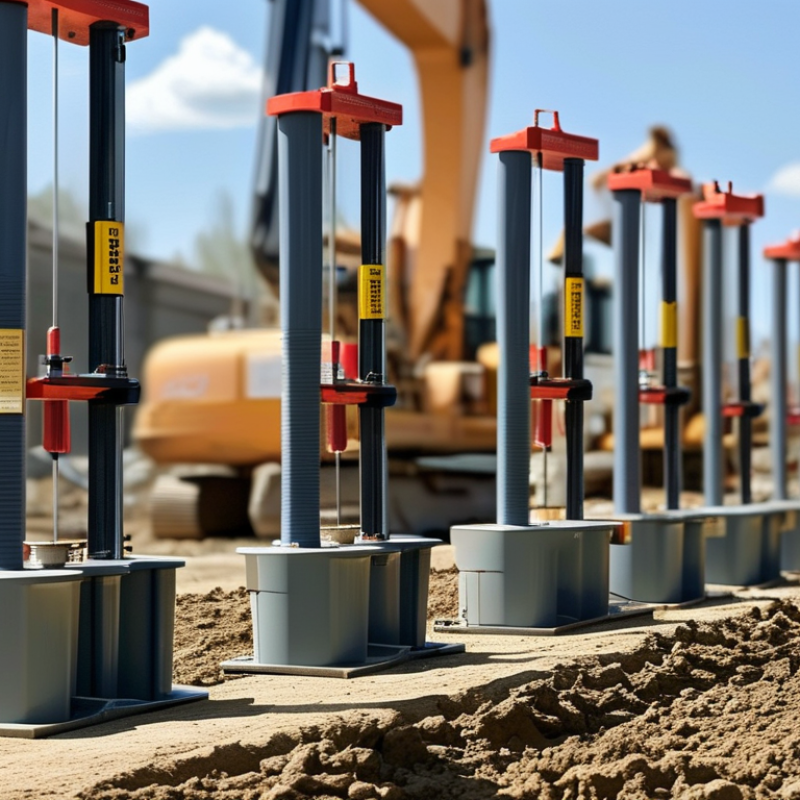
Soil Proctor testing is crucial for understanding soil compaction. This process measures the maximum density of soil when properly compacted. Accurate compaction ensures stability in construction projects, roadways, and earthworks. According to industry reports, improper compaction can lead to 30% increase in maintenance costs over time.
The Proctor test evaluates moisture content and density. This helps determine the optimal moisture level for maximum compaction. Mistakes in measuring can lead to structural failures. For instance, a slight oversight might result in inadequate load-bearing capacity.
When selecting automatic soil proctor machines, accuracy is pivotal. Accurate testing ensures the soil meets necessary specifications for construction projects. Therefore, examine the machine's calibration system. A well-calibrated machine provides reliable data.
Another crucial aspect is the machine's ease of use. Users should find intuitive controls and clear instructions. If you struggle to operate the equipment, errors may occur. A user-friendly interface often leads to more precise results.
Tips: Look for features that enhance productivity. For example, automatic data recording minimizes the chances of human error. Also, consider the maintenance requirements. Machines that are easier to maintain increase longevity and reduce downtime. Remember that even the best machines need occasional recalibrations.
Ultimately, a balance between precision, usability, and reliability defines the best automatic soil proctor machines. Focus on specifications that enhance your testing efficiency. Always reflect on the importance of these criteria in your choice.
When it comes to soil testing, accuracy is key. Automatic soil proctor machines simplify this process. They provide consistent results and reduce human error. These machines are designed to measure the moisture content and density of soil effectively. This is vital for construction projects where soil stability is crucial.
Choosing the right machine can be challenging. Factors such as accuracy, durability, and ease of use should be considered. Some machines offer advanced features like digital readouts. This enhances precision but may complicate operation. It's important to note that not all machines suit every project. Evaluating specific needs is essential for optimal results.
Investing in a reliable automatic soil proctor machine enhances efficiency. However, a machine’s performance can vary based on soil type and conditions. Users sometimes report calibration issues, which can lead to inconsistent data. Regular maintenance is necessary to ensure reliability. Ultimately, understanding the strengths and weaknesses of each machine is key for accurate soil testing.
| Model | Testing Capacity (kg) | Compaction Method | Digital Display | Weight (kg) | Price (USD) |
|---|---|---|---|---|---|
| Proctor Max 3000 | 30 | Static | Yes | 50 | 2500 |
| SoilComp 200 | 25 | Dynamic | Yes | 48 | 2200 |
| Compaction Wizard 400 | 50 | Static | No | 60 | 3000 |
| AutoProctor 600 | 40 | Dynamic | Yes | 55 | 2700 |
| SoilMaster 5000 | 35 | Static | Yes | 52 | 2800 |
The demand for soil testing equipment has grown significantly. Accurate soil compaction testing ensures safety and stability in construction. An automatic soil proctor machine is essential for this process. These machines operate with precision, providing reliable moisture-density measurements.
One key feature is the ability to automate the testing process. Automation reduces human error, which can affect results. According to industry reports, automated machines achieve a consistency rate of over 95% in test repeatability. A good machine should also allow for easy calibration. Calibration ensures that results are in line with industry standards. Most machines utilize a user-friendly interface for seamless operation.
Another critical specification is the operational range of moisture content. Machines capable of handling moisture contents from 0% to 30% typically cover a broader spectrum of soil types. Some models even come with interchangeable molds for different test sizes, enhancing versatility. The construction sector values machines that can adapt, as soil conditions vary widely. However, it's important to note that while automation minimizes errors, regular maintenance remains vital to ensure long-term reliability. Testing machinery must be regularly checked to avoid underperformance in critical situations.
User experiences with automatic soil proctor machines reveal valuable insights. Many users appreciate the accuracy these machines provide. This precision is crucial for construction projects. One user noted a significant improvement in compaction accuracy after using their proctor machine.
When using these machines, users recommend regular maintenance. Keeping the equipment clean ensures reliability. A clean machine performs better. Some users, however, faced challenges with calibration. It may require extra time and attention. Understanding the calibration process is essential for optimal results.
Tips for new users include reading the manual thoroughly. Familiarize yourself with all settings before use. Also, document your tests and results carefully. This practice helps track improvements. Many users have found that maintaining a log reveals trends over time. Observing these trends can lead to better decision-making in soil compaction work.
: Accuracy ensures soil meets necessary specifications for construction projects, improving overall safety.
A reliable calibration system guarantees trustworthy data, ensuring consistency in testing results.
Automatic machines often feature intuitive controls, making it easier to operate and reducing potential errors.
Automatic data recording minimizes human error, leading to more accurate and reliable test results.
Regular maintenance is crucial for long-term reliability; neglect could lead to underperformance.
Look for machines that handle moisture from 0% to 30% to accommodate different soil types effectively.
Calibration can be time-consuming and requires attention; understanding it is key to achieving optimal results.
Keeping a log of tests and results helps track improvements and reveals trends over time.
Interchangeable molds increase versatility, allowing for various test sizes tailored to specific project requirements.
Many users appreciate the accuracy and reliability but recommend thorough familiarization with the machine’s features.
The article "Top 5 Automatic Soil Proctor Machines for Accurate Testing" provides a comprehensive overview of soil proctor testing, emphasizing its critical role in assessing soil compaction and quality. It outlines the essential criteria for selecting the most suitable automatic soil proctor machines, which include accuracy, ease of use, and durability.
Additionally, the article reviews five leading automatic soil proctor machines, detailing their features and specifications to assist users in making informed decisions. User experiences and testimonials further enrich the discussion, highlighting the performance and reliability of these machines in real-world applications. Overall, the article serves as a valuable resource for professionals seeking to enhance their soil testing processes through the use of automatic soil proctor technology.

Zealchon Electronic