The Casagrande Liquid Limit Device is a vital tool in geotechnical engineering. This device measures the water content at which soil transitions from a plastic to a liquid state. Dr. Emily Johnson, a renowned expert in soil mechanics, once stated, “Understanding the liquid limit is crucial for predicting soil behavior.” Her insights highlight the importance of accurate measurements for safe engineering practices.
Using the Casagrande Liquid Limit Device requires skill and attention to detail. Inconsistent results can arise if the device is not handled correctly. It’s essential to maintain the right speed when testing and to ensure that the soil sample is well-prepared. Experts recommend working in a controlled environment to achieve reliable outcomes.
Moreover, operators must consider the soil type being tested. Each type behaves differently under varying moisture conditions. Adjusting methods according to specific soil characteristics can enhance accuracy. It's this blend of technology and expertise that makes the Casagrande Liquid Limit Device an essential item in any geotechnical laboratory. Reflecting on common pitfalls will help users improve their testing practices and results.
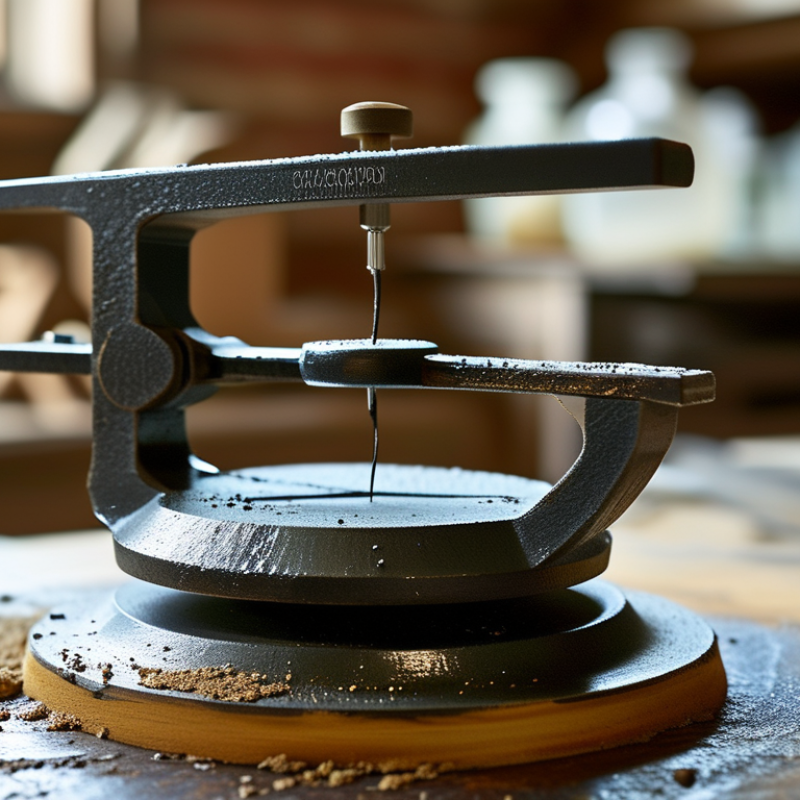
The Casagrande Liquid Limit Device is essential for geotechnical engineers. It helps determine the liquid limit of soil, which indicates its plasticity. Understanding the purpose of this device leads to better soil classification and evaluation, which is crucial for construction projects.
When using the device, ensure the soil sample is well-prepared. The consistency of the sample affects the results. If the sample is too dry or too wet, it can lead to inaccurate readings. Keep your workspace organized to avoid contamination. Clean the device after each use to maintain its integrity.
Testing procedures can sometimes feel tedious. It's common to encounter variability in results due to external factors, like temperature and humidity. Document your observations carefully, as they can influence your conclusions. Regularly calibrate your device to ensure reliability. Experiment with different soil types to enhance your understanding of how varying consistencies affect the liquid limit. This practice will build your confidence in handling the device and interpreting results.
The Casagrande Liquid Limit Device is crucial for soil testing. Its essential components include a brass bowl, a grooving tool, and a base. Each part serves a specific function in determining the liquid limit of soil. The brass bowl holds the soil sample. The precise design ensures consistent results across various tests.
Handling the grooving tool carefully is vital. It creates a groove in the soil sample, which should close at a specific moisture level. Observing this behavior requires patience and practice. The base provides stability during the test. Any wobbliness can lead to inaccurate results.
Accurate calibration of the device is a necessity. Regular maintenance helps retain its reliability. New users often struggle with achieving a consistent groove result. This is a common learning curve. It's essential to reflect on each test, making adjustments as needed. Testing under varied conditions can reveal different soil behaviors, enhancing your understanding.
| Tip | Description | Importance |
|---|---|---|
| Ensure Proper Calibration | Regularly calibrate the device to ensure accuracy in liquid limit determination. | High |
| Use Consistent Soil Sample | Use a representative soil sample to reflect the variability of soil conditions effectively. | Medium |
| Conduct Multiple Tests | Perform several tests to account for variability and improve result reliability. | High |
| Observe Moisture Content | Carefully monitor the moisture content of the soil sample before testing. | High |
| Understand Test Procedure | Familiarize yourself with the ISO standards for the test procedure to ensure compliance. | Medium |
The Casagrande liquid limit device is essential for soil testing. To conduct the liquid limit test, begin by preparing a sample of soil. Ensure the soil is representative of the material being tested. It should be dry enough to work with, yet moist enough to be molded.
Next, take a small portion of your soil sample and mix it with water. Aim for a consistent paste-like texture. Place this mixture in the device's brass cup. Use the tool to groove the soil. This groove will help determine the moisture content at which the soil transitions from plastic to liquid state.
During the test, strike the cup a set number of times and measure the depth of the groove after each strike. This step is critical yet often mishandled. Be mindful of the stirring technique and the water amount you add. The results will vary drastically based on minor adjustments. It’s crucial to accurately record the moisture content corresponding to the observed groove depth. This step can be frustrating and requires patience and precision. An inconsistent approach could lead to unreliable data, so reflecting on each test is vital.
Using the Casagrande Liquid Limit Device can be tricky. Many users face common pitfalls that can compromise their results. One frequent mistake is improper soil sample preparation. It’s crucial to ensure the sample is homogeneous. Any clumps or inconsistencies can lead to inaccurate readings. Additionally, using too much water can make the soil overly saturated. This can skew the liquid limit determination.
Another common error is failing to conduct multiple tests. Relying on a single reading is risky. Different soil batches can yield varying liquid limits. It's essential to perform at least three tests and find an average. Not paying attention to the correct drop height when using the device is another oversight. A consistent drop height ensures reliable results.
Take note of the temperature and humidity when testing. Environmental factors can impact soil behavior. If conditions change, it may affect the accuracy of your measurements. Remember to document every step carefully. Keeping detailed notes helps identify trends and discrepancies. Being attentive to these details can significantly improve your testing accuracy.
Interpreting and reporting liquid limit test results requires precision and clarity. When using the Casagrande device, you must focus on consistent and repeatable practices. Note the number of blows it takes for the sample to close the cup. This is crucial data. Ensure you record readings at various moisture contents. Small variations can lead to significant differences in results.
Understanding the standard consistency of your samples is key. Different soil types behave in unique ways. Some soils may not fit standard classifications. This reality demands open-minded analysis. Use additional tests if needed to clarify results. Engage with experienced colleagues for insight on puzzling data. Their expertise can illuminate unexpected findings.
When reporting results, be transparent about your methodology. Include details about the sample preparation and testing conditions. Variations can arise due to environmental factors. Consider the impact of temperature and humidity on your results. Highlighting these factors will strengthen the reliability of your findings. Always be ready to revisit your results for a deeper understanding. Continuous learning is part of the process.
: Begin by preparing a representative soil sample. It should be dry enough to work, yet moist enough to mold.
Mix the soil with water to achieve a consistent paste-like texture. This ensures better molding.
The groove helps determine at what moisture content the soil changes from plastic to liquid state. It's a crucial step.
Measure the depth of the groove after each strike. It’s often mishandled but vital for accurate results.
Minor adjustments in water amount or stirring can drastically change the results. Consistency is key.
Be transparent about your methodology. Detail sample preparation and environmental conditions that may affect results.
Analyze the data openly. You might need additional tests for clarification. Consulting colleagues can help.
Revisiting data helps deepen understanding. Continuous learning is essential in adapting and refining methods.
The process can be frustrating and requires patience. An inconsistent approach can lead to unreliable data.
Factors like temperature and humidity can impact moisture readings. Consider these when interpreting results.
The article titled "Top 5 Tips for Using the Casagrande Liquid Limit Device" provides a comprehensive overview of this essential tool used in geotechnical engineering to determine the liquid limit of fine-grained soils. It begins by explaining the purpose of the Casagrande Liquid Limit Device, highlighting its importance in understanding soil behavior under varying moisture conditions. The essential components of the device are discussed, ensuring users are familiar with its parts before conducting tests.
The article outlines a step-by-step procedure for performing the liquid limit test, emphasizing accuracy and precision. Additionally, it addresses common mistakes to avoid, which can lead to inaccurate results. Finally, readers are offered valuable tips for interpreting and reporting the test results effectively, underscoring the significance of clear communication in geotechnical assessments. This guide serves as a practical resource for anyone looking to proficiently use the Casagrande Liquid Limit Device in their work.

Zealchon Electronic