Custom Rock dynamic triaxial rheological testing machine Pricelist, Quotes

This rock dynamic triaxial testing of rocks and concrete is a field of rock mechanics that studies the mechanical and pore characteristics in various environments.

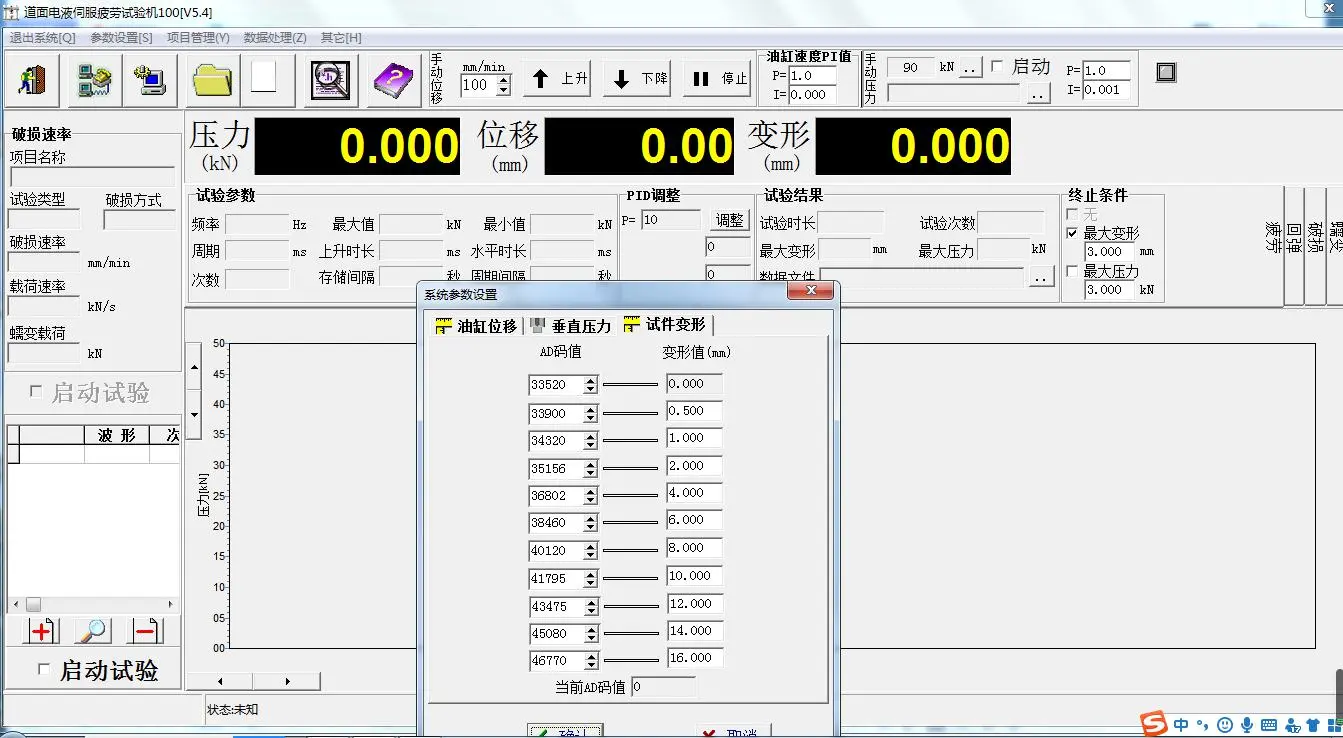
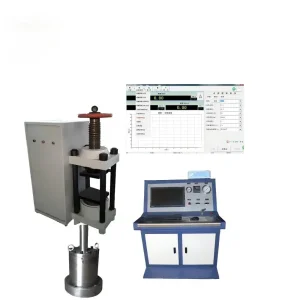
Testing rock uniaxial compression, triaxial compression, and various tests, it can automatically collect, store, and display compressive strength, rebound, creep, Poisson's ratio, seepage, and triaxial shear. The software automatically draws stress-strain process curves and sine wave graphs for storage.

The servo measurement and control device has multiple measurement channels, which can control any one of them, and can perform impact free conversion on the control channel during testing. The measurement and control device is easy to operate, has strong fault tolerance, accurate measurement, and full protection functions.

Product Description

System Composition

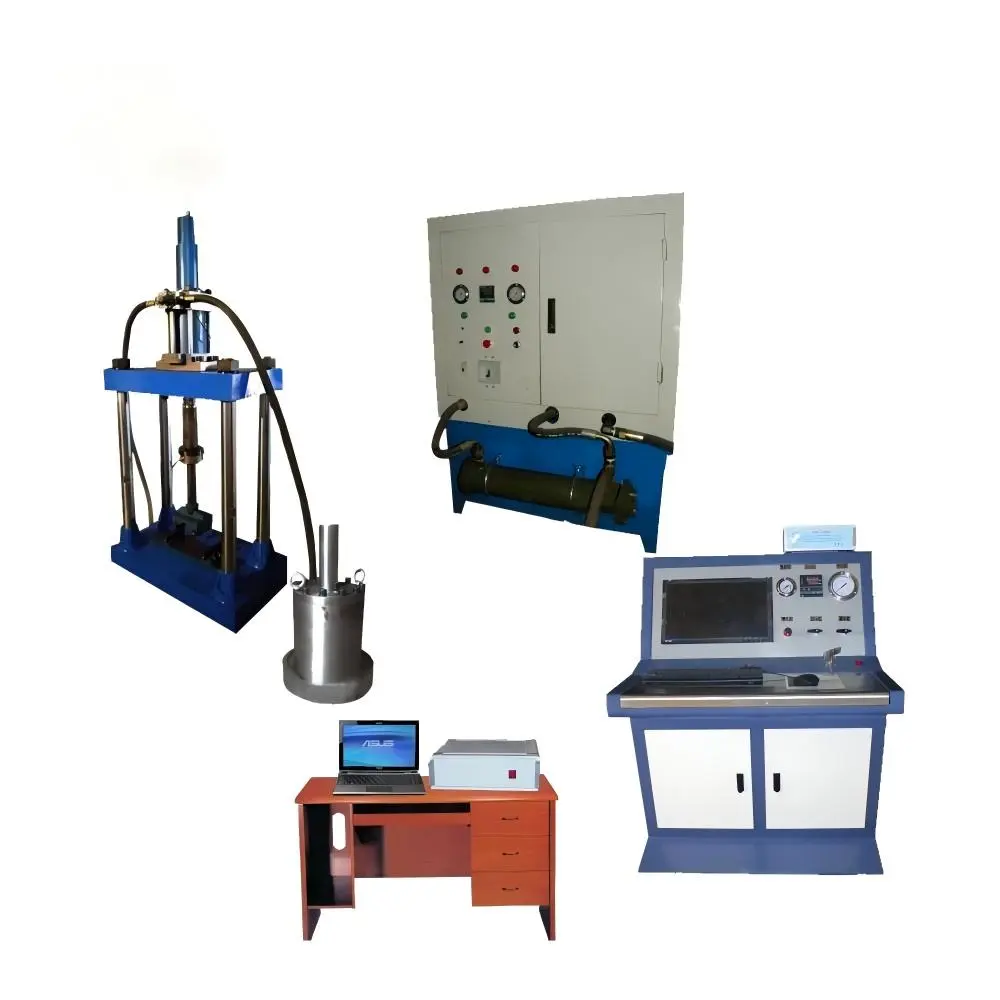
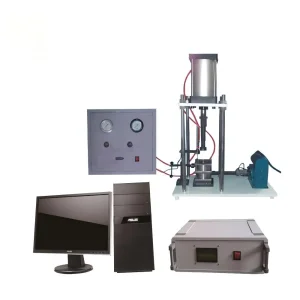
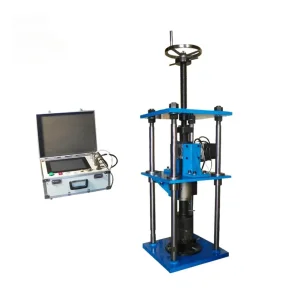
1. The structure of the testing machine adopts four columns. In order to improve functionality, various three-axis tests can be completed under vertical servo actuators. The pressure chamber is pushed on the guide rail to load and unload samples in the three-axis pressure chamber.

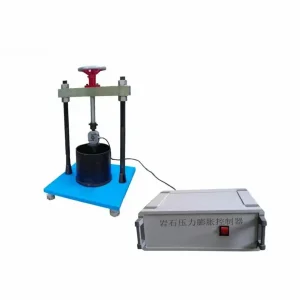
2. Axial loading system: Includes host, force sensor, axial deformation sensor, radial and confining pressure deformation sensor, oil cylinder (actuator), displacement sensor, measurement and control device and software, positive sine wave loading, and servo oil source control.

3. Lateral (confining) loading system: Includes three-axis pressure chamber, servo pressurization system, and booster.

4. Microcomputer system: Specialized software for professional testing and analysis.
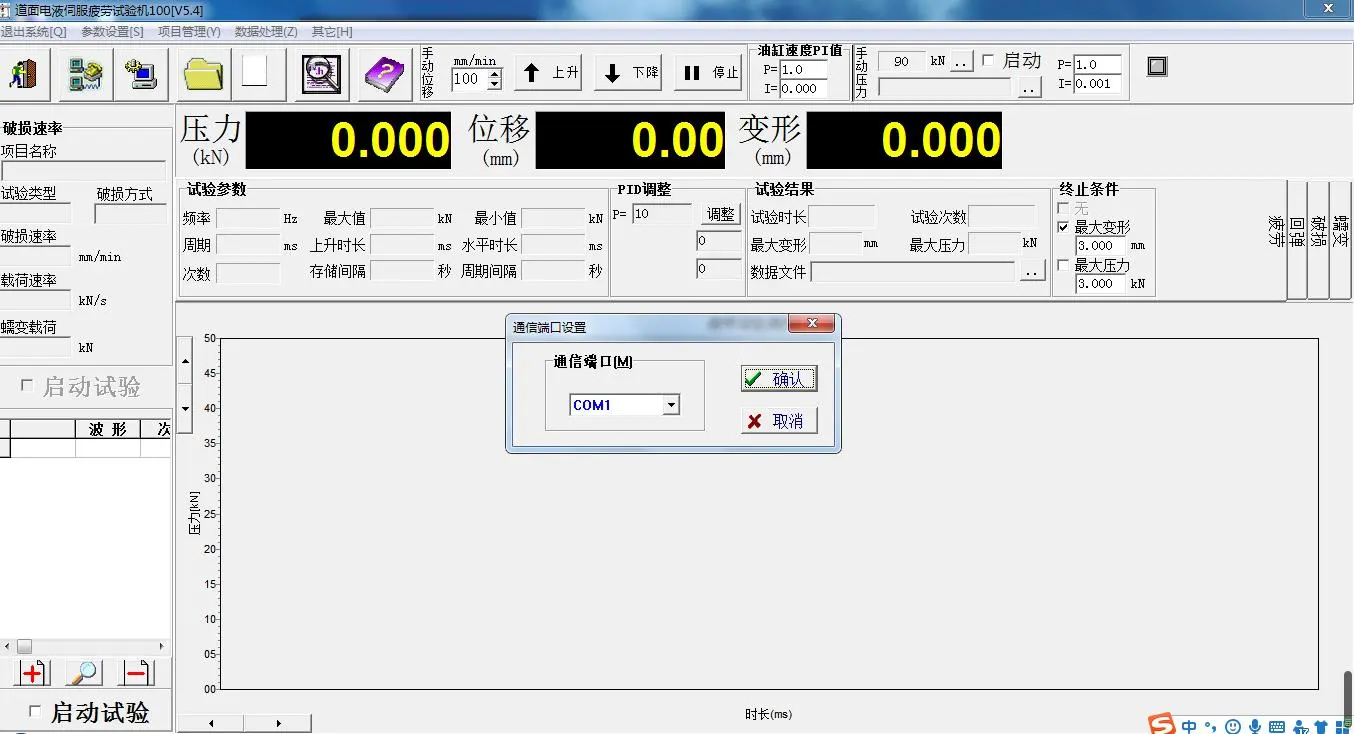
System Analysis Software

Experimental Function

Uniaxial Compression Test:

  • Program functions: Constant stress, constant strain deformation, constant compression rebound creep, variable speed test, unidirectional cycling, and uniaxial rheological test.
  • Triaxial compressive strength of rock concrete, full process test, and cyclic test.
  • Optional fixtures for rock concrete splitting (indirect tensile, flexural).
  • Parameters: Uniaxial rheological, relaxation, residual strength, elastic modulus, and Poisson's ratio.

Triaxial Compression Test:

  • Axial compression under constant confining pressure, multi-stage confining pressure waveform stress-strain cyclic test.
  • Rock concrete triaxial compression, triaxial cycling, triaxial rheology, and triaxial full process.
  • Characteristic parameters: Triaxial residual strength, elastic modulus, Poisson's ratio, etc.
  • Curve storage: Software control of stress-strain waveform curves and storage of peak values with data graphics.
  • Reverse Osmosis and Automatic Seepage System selection.
Test Curve Display

Technical Parameter

1. Axial Loading: Force 1000kN ± 20N; Dynamic 1kN-800kN; Accuracy ≤± 1% FS
2. Deformation: Axial 0-10mm; Radial 0-8mm ± 0.001mm; Stroke 0-200mm ± 0.1mm
3. Waveform: Sine wave dynamic control
4. Control Mode: 13 stress programs and editable waveforms
5. Confining Pressure: 0-50MPa; Precision 0.1MPa; CNC adjustable
6. Frequency: 0.1Hz ~ 10Hz
7. Amplitude: 0.2 - 1.2mm
8. Force Rate: 0.01 - 100kN/s
9. Displacement Rate: 0.05 - 10mm/min
10. Software: Real-time parameter measurement and multi-channel curve display
11. Sample Size: Ø 25×100, Ø 50×100, Ø 100×200mm (Optional)
12. Chamber: High-strength special steel; Medium: Hydraulic oil

Rheological & Oil System

  • Triaxial rheological test: Continuous operation for over 100 hours.
  • Control Fluctuation: Force ≤± 0.1%; Pressure ≤± 0.05%; Deformation ≤± 0.1%.
  • Oil Source: Power 45kW, 380V, Flow rate 300L/min.
  • Cooling: Water-cooled circulating system with temperature control protection at 60℃.
  • Components: Imported servo proportional valve (100 liters/min), Hydraulic gear oil No. 25.

Frequently Asked Questions

Q1: What is the maximum axial test force of this machine? A1: The machine supports an ultimate axial test force of 1000kN with a dynamic detection force range of 1kN to 800kN.
Q2: Can it perform long-term rheological testing? A2: Yes, the system is designed for high stability and can operate continuously for more than 100 hours with minimal fluctuation.
Q3: What types of samples can be tested? A3: The system is compatible with rock and concrete samples in sizes Ø 25×100mm, Ø 50×100mm, and Ø 100×200mm.
Q4: What are the primary control waveforms? A4: The system primarily uses positive sine waves for dynamic loading, and users can edit up to 13 different stress programs.
Q5: Is the confining pressure adjustable? A5: Yes, the confining pressure ranges from 0-50MPa and is CNC adjustable with a high precision of 0.1MPa.
Q6: How does the system handle overheating during operation? A6: The oil source includes a water-cooled circulating system and built-in temperature control protection that activates at 60℃.

Related Products