High-Quality Asphalt mixture maximum theoretical specific gravity and density tester Manufacturer, Quotes

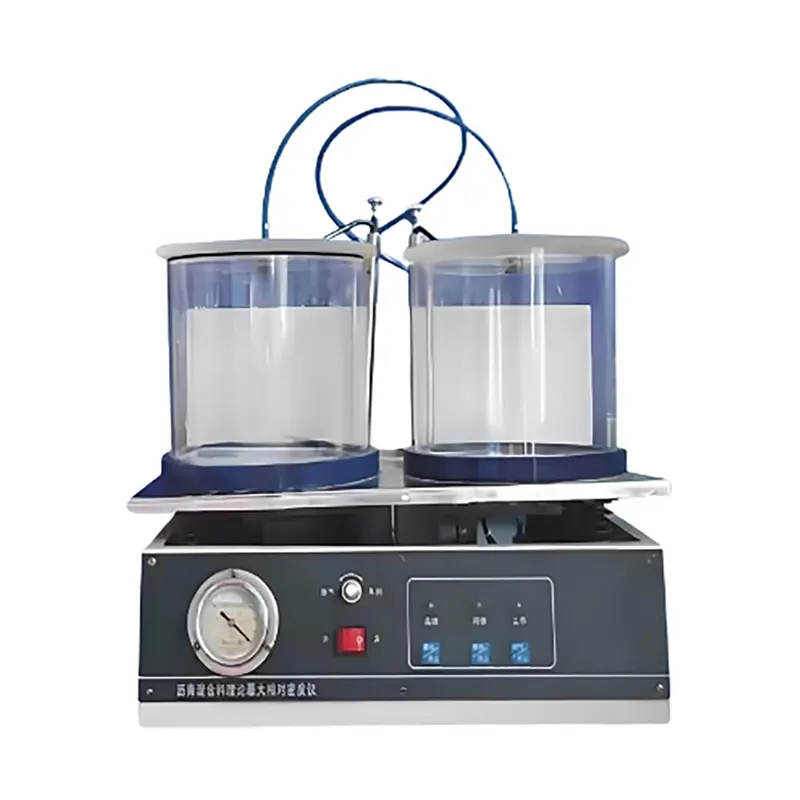
The maximum theoretical density meter for asphalt (also known as the vacuum sealing method theoretical density meter) is a key experimental equipment used to determine the maximum theoretical relative density (Gmm) of asphalt mixtures. This indicator directly affects the calculation of the void fraction (VV) of the mixture and is an important parameter for asphalt mix design and quality control.

Main features

-Vacuum method determination: The true density is measured by eliminating all residual air in the mixture through a negative pressure environment (with a vacuum degree of up to 4kPa).
-High precision control: The vacuum degree can be accurately adjusted (± 0.1kPa), and the water temperature control accuracy is ± 0.5 ℃.
-Automated operation: Some models are equipped with electronic scales for automatic reading, data storage, and calculation functions.
-Complies with international standards: meets the requirements of AASHTO T209, ASTM D2041 and other standards.

Product Description

Product Description

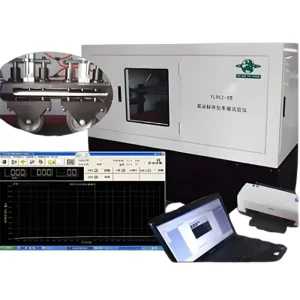
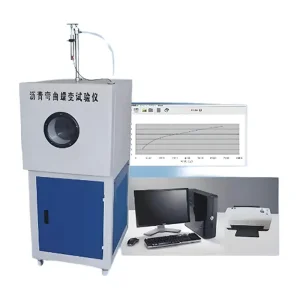
Asphalt mixture theoretical density tester is an instrument used to determine the theoretical maximum relative density of asphalt mixture. It mainly adopts the vacuum method by placing the asphalt mixture sample in a negative pressure container and discharging the air to calculate density based on buoyancy or weighing methods.

Standard Compliance: This instrument complies with the industry standard of the Ministry of Transport "Highway Asphalt and Asphalt Mixture Test Procedure" for determining theoretical large relative density at 25°C.

Determining the theoretical maximum relative density provides critical data for calculating void ratio and compaction degree in mix design, road investigation, and pavement construction quality management. The accuracy of these values directly impacts the control of pavement construction quality.

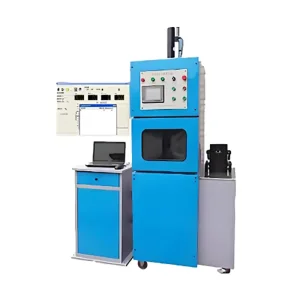
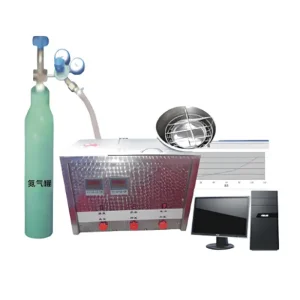
The tester features a reasonable structure for parallel testing of two samples simultaneously, consisting of a frame, vacuum pump, vibrator, regulating valves, and digital control electrical appliances.

Structural Composition

💨 Air Extraction System

Composed of a vacuum pump used to extract air from the negative pressure container to achieve specified vacuum levels.

📳 Vibration System

Includes a vibration motor and table to help discharge bubbles from the mixture during the vacuuming process.

🛢️ Negative Pressure Container

Available in types A, B, or C (usually 4000ml or 4300ml), made from stainless steel or plexiglass to hold samples and water.

💻 Control System

Features a single-chip microcomputer and display screen for automatic control of vacuum degree, vibration time, and frequency.

⚖️ Measurement System

Includes vacuum gauges and pressure sensors to monitor real-time changes and balances for accurate mass weighing.

Technical Parameters

1. Oscillation Mode Continuous/Interval
2. Amplitude 0.2mm
3. Vacuum Negative Pressure Range -0.1MPa ~ 1 standard atmosphere (adjustable)
4. Container Negative Pressure 3.7kPa ± 0.3 kPa (27.5mmHg ± 2.5 mmHg), Digital real-time display
5. Pumping Power 120W
6. Timer User-settable
7. Vacuum Barrel 2 pieces of plexiglass; 4300ml capacity each; Ø190mm × 170mm depth
8. Power Supply 220V ± 10%
9. Dimensions 500 × 500 × 500mm

Frequently Asked Questions

What is the primary purpose of the Asphalt Mixture Density Tester?
It is used to determine the theoretical maximum relative density of asphalt mixtures, which is essential for calculating void ratios and compaction degrees in road construction.
Which testing method does this equipment utilize?
The equipment utilizes the Vacuum Method, complying with standard highway test procedures for asphalt mixtures at 25°C.
Can I test multiple samples at once?
Yes, the device is designed with a reasonable structure that allows for parallel testing of two samples simultaneously, improving laboratory efficiency.
What materials are the vacuum containers made of?
The negative pressure containers are typically made from durable stainless steel or high-quality plexiglass, with a standard volume of 4300ml.
Does the system allow for automatic operation?
Yes, the integrated control system with a microcomputer allows for the automatic control of vacuuming, vibration timing, and frequency settings.
What is the vacuum range of this apparatus?
The vacuum negative pressure range is -0.1MPa to 1 standard atmosphere, and it can be adjusted arbitrarily according to test requirements.

Related Products