High-Quality asphalt Wheel Tracking Device Specimen Molding Machine pneumatic rutting Roller compactor Manufacturer, Manufacturers

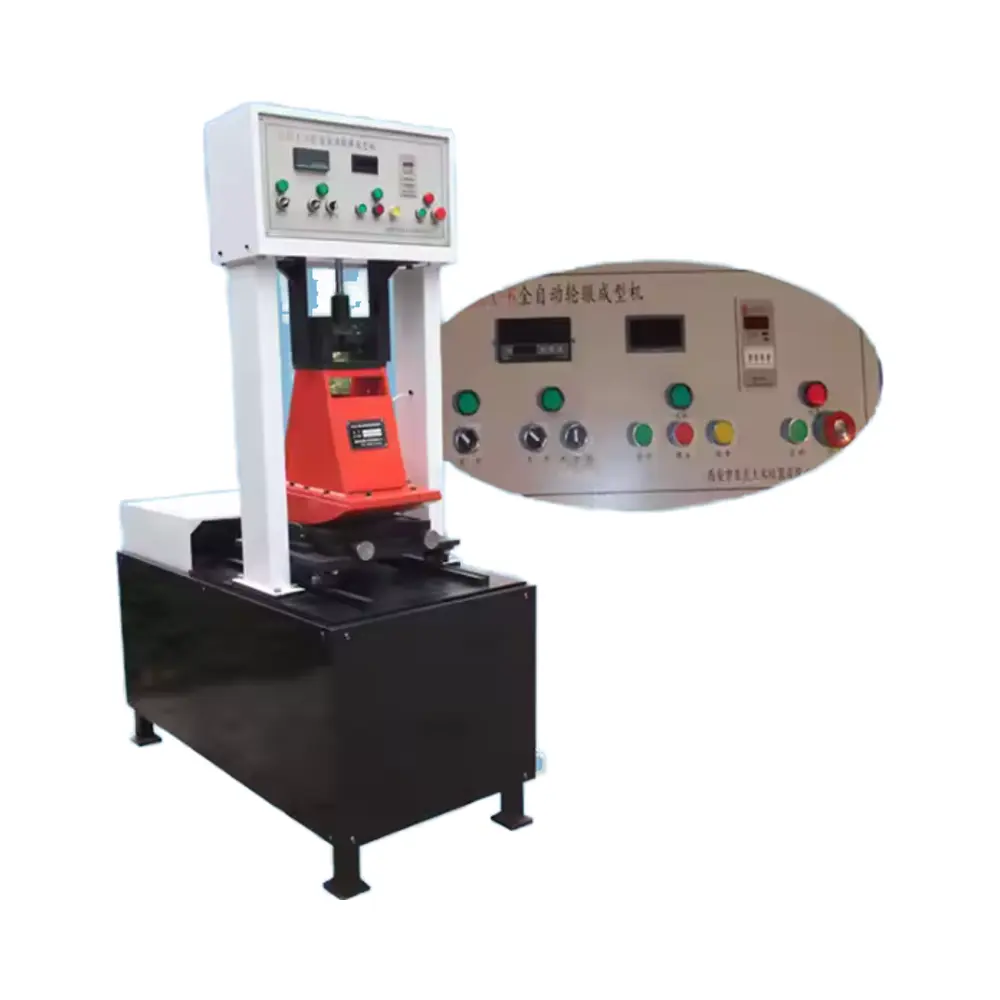
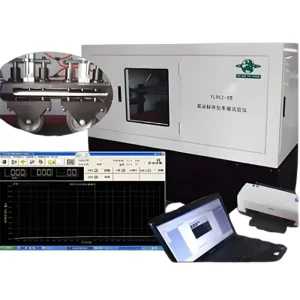
This asphalt Wheel Tracking Device Specimen Molding Machine pneumatic rutting Roller compactor is suitable for using wheels grinding method to make asphalt mixture test specimen in the laboratory, measuring asphalt Mixture temperature rutting resistance, asphalt mix design properties such as high temperature stability Trials. 

Product Description

Applicable Standards
⚙️
The Hydraulic Wheel-track Molding Machine consists of a temperature control module, pressure control module, Roller Compacted control module, hydraulic systems, servo cylinders, and standard test molds. Users can precisely set wheel temperature, compaction line loads, and cycle numbers.
1. This method specifies the preparation of asphalt mixture specimens in the laboratory using the wheel rolling method to test physical and mechanical properties.
2. Suitable for forming plate-shaped specimens (300 mm long, 300 mm wide, 50-100 mm thick). These can be further cut into prismatic specimens or used for coring. The density of formed specimens meets the Marshall standard (100% ± 1%).
3. Specimen thickness is selected based on aggregate size:
  • Max aggregate size ≤ 19 mm: 50 mm thick plate mold.
  • Max aggregate size ≥ 26.5 mm: 80-100 mm thick plate mold.

Technical Parameters
Test Mold Size: 300mm × 300mm × 50mm / 100mm
Compaction Line Loads: 200 ~ 400 N/cm (± 2 N/cm)
Roller Compacted Length: 300mm
Compaction Cycles: 0 to 9999 times
Roller Speed: 17 round trips per minute (approx. 3.5S/trip)
Temperature Range: 50 ~ 200 ℃ (Oil heating)
Temperature Accuracy: ± 5 ℃
Rated Power: 3.5kW 380V AC
Dimensions: 1340 × 700 × 2000mm
Machine Weight: 600 kg
Features and Advantages
Optimized Specimen Sizing: The machine produces standard 300mm x 300mm specimens with thicknesses of 50-100mm. By removing outdated 40mm sizes, this design better reflects actual asphalt-stabilized macadam conditions.
For ordinary asphalt mixtures, 50mm thick specimens can be compacted according to standard cycles. However, for specialized mixtures like SMA, S-type compacted mixtures, or modified asphalt with high viscosity, the required number of compaction cycles can be determined through integrated testing to ensure the best gradation density.
Frequently Asked Questions (FAQ)
What dimensions of specimens can this machine produce?
The machine standardizes on plate-shaped specimens measuring 300 mm in length and 300 mm in width, with adjustable thicknesses between 50 mm and 100 mm.
How accurate is the temperature control for the molding process?
The machine uses an oil heating system with a control range of 50 to 200 ℃ and a high accuracy of ± 5 ℃.
What is the standard compaction load for this equipment?
The factory setting is 300 N/cm, but the compaction line load can be controlled within a range of 200 to 400 N/cm with an accuracy of ± 2 N/cm.
How many compaction cycles can be programmed?
The digital control module allows users to set the number of roller compacting cycles anywhere from 0 up to 9999 times.
Does the machine support modified asphalt mixtures like SMA?
Yes, it is suitable for SMA and modified asphalt. However, due to different gradation characteristics, the specific number of compaction cycles for these materials should be determined through testing.
What are the power requirements for installation?
The Hydraulic Wheel-track Molding Machine requires a 380V AC power supply and has a rated power of 3.5kW.

Related Products