Wholesale Lab Electric Digital Oil Bitumen Wax Content Tester Manufacturers, Quotes

According to the SH/T0425-92 "Method for Determination of Wax Content in Petroleum Asphalt" standard, the cracking and distillation method is adopted. The asphalt sample is first cracked and distilled to separate the wax from the asphalt. Then, the precipitated wax is processed and weighed through cooling, filtering, washing and other steps to determine the wax content in the petroleum asphalt.

Product Description

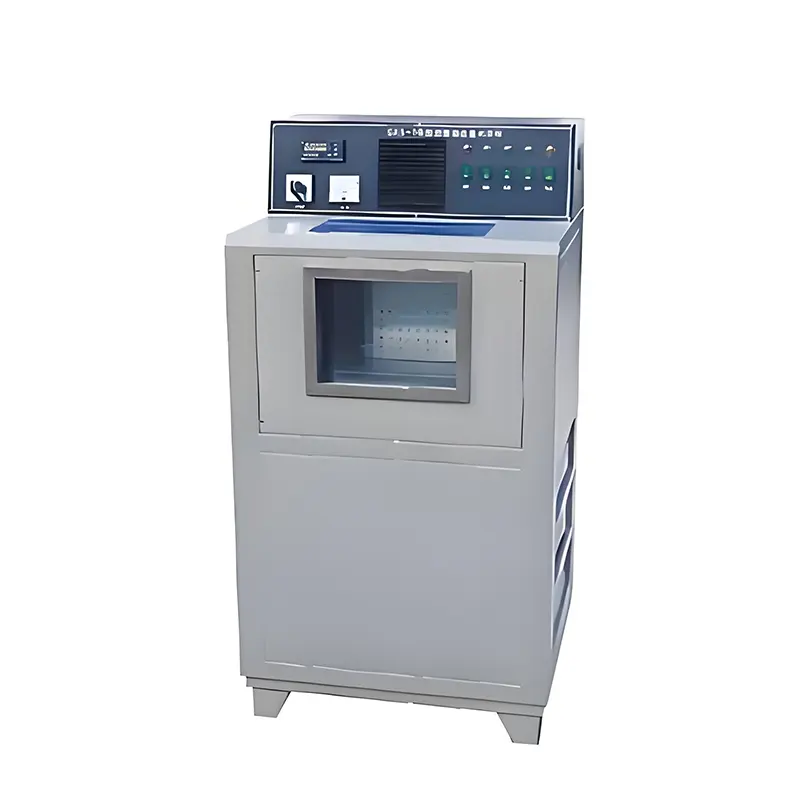
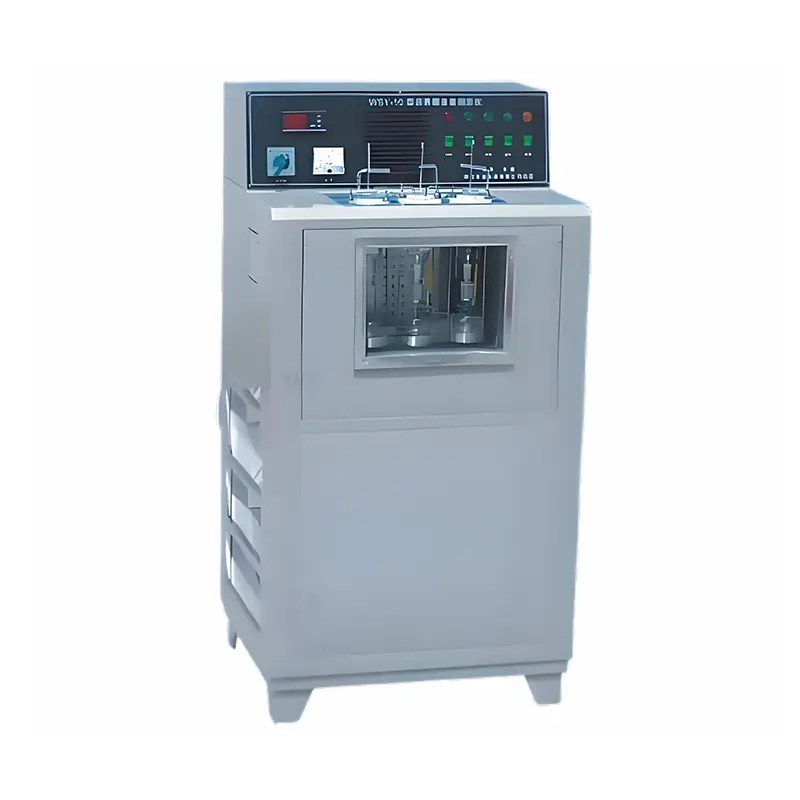
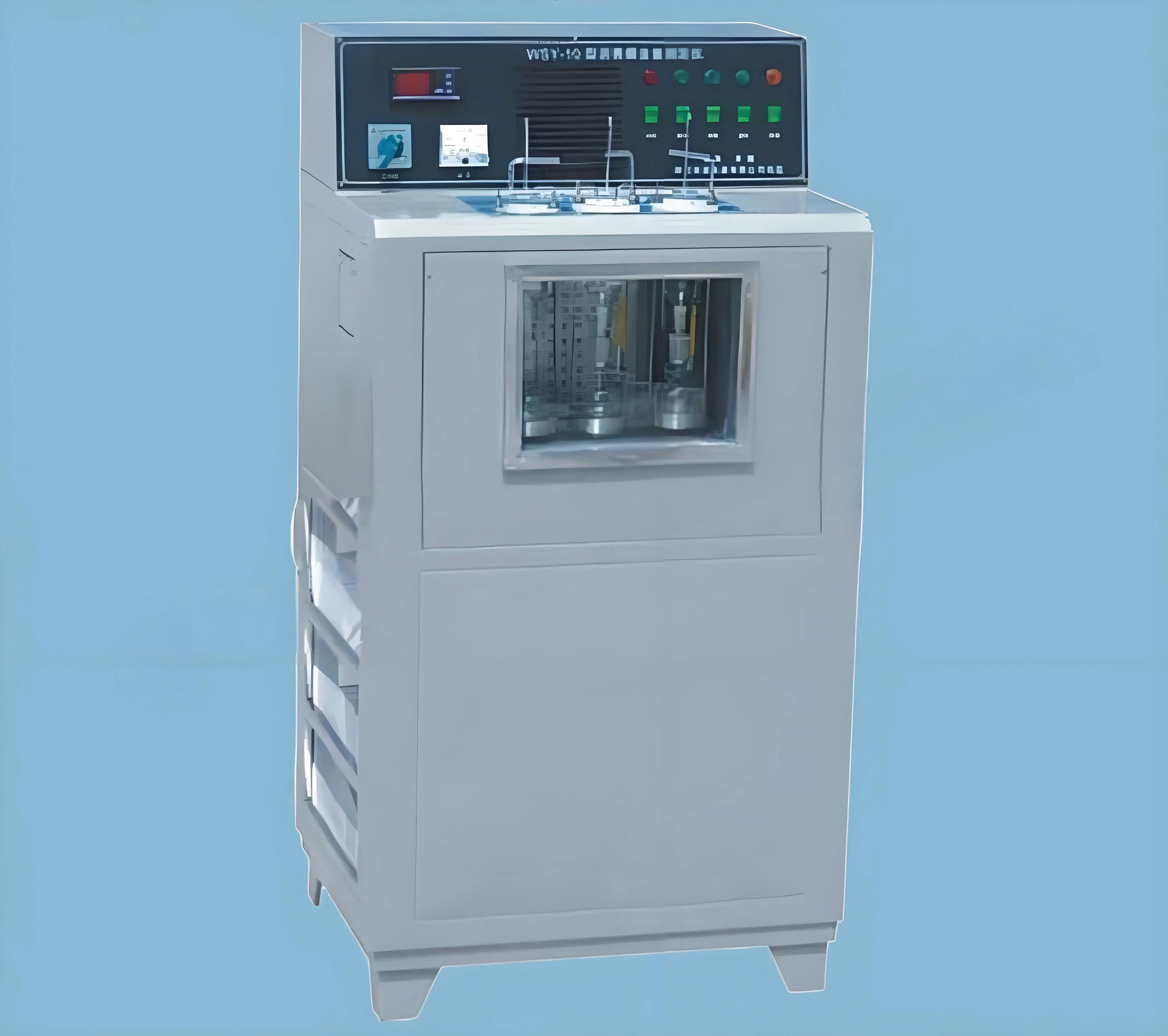
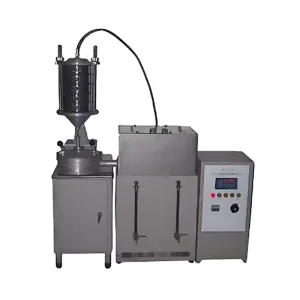
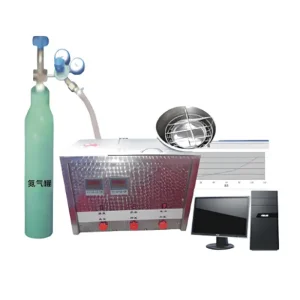
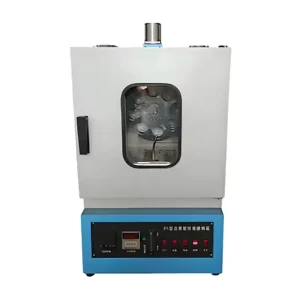
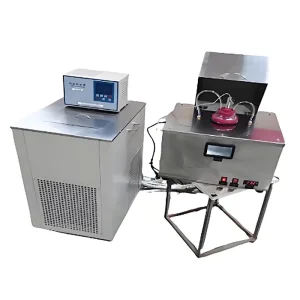
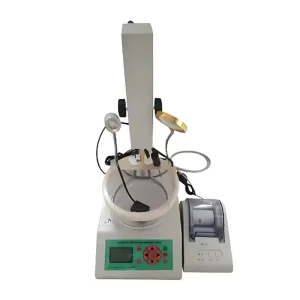
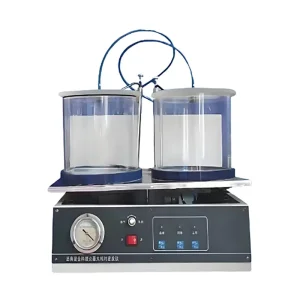
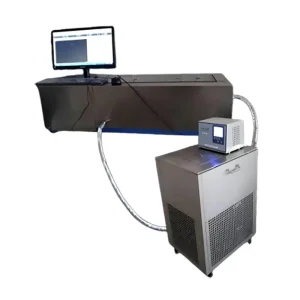
Lab Electric Digital Oil Bitumen Wax Content Tester
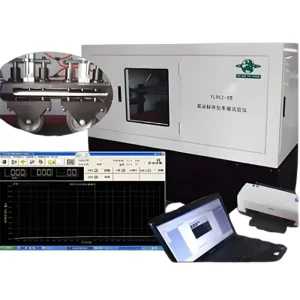
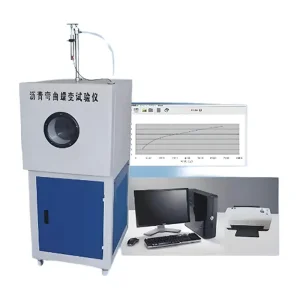
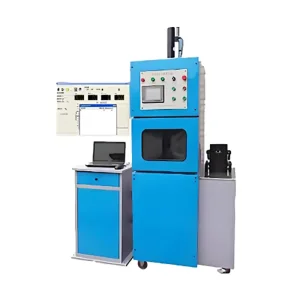
Digital Bitumen Wax Content Tester Device

Instrument Features

Accurate Temperature Control Equipped with high-precision controllers and Pt100 sensors, achieving accuracy up to ±0.5℃ to ensure strict compliance with test specifications.
High Refrigeration Efficiency Utilizes imported 1.5 HP high-power compressors with an average cooling speed of 0.8℃/min. Deep cooling can reach -28℃ or lower.
User-Friendly Operation Designed for simplicity with integrated automation functions, reducing manual labor intensity and improving laboratory work efficiency.
Premium Material Quality The bath body is constructed from transparent glass (for observation) or high-quality stainless steel for superior corrosion resistance.

Technical Parameters

1. Working Temperature: -30℃ ~ +40℃

2. Water Bath Medium: Ethanol

3. Water Bath Volume: 300 × 300 × 280 mm³

4. Average Cooling Speed: 0.8℃/min

5. Temperature Control Accuracy: ±0.5℃

6. Refrigeration Power: 1.5P

7. Heating Power: 1kw

8. Power Supply: 220V 50Hz

9. Dimensions: 680 × 530 × 1170 mm

Instruments and Materials (Optional)

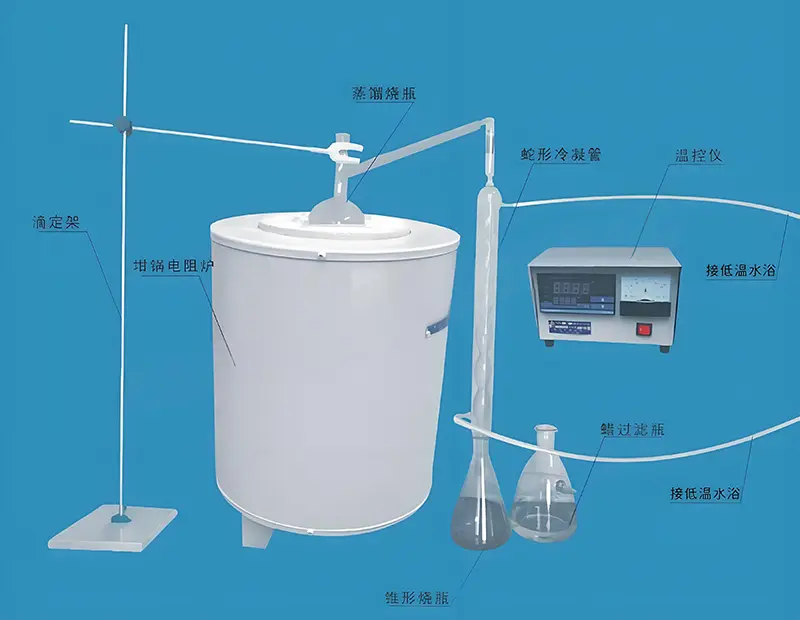
  • Crucible resistance furnace (1000℃)
  • Cooling and filtering device (Suction bottle, sand core funnel P16)
  • Distillation flask (heat-resistant glass)
  • Precision Balance (1mg and 0.1g sensitivity)
  • Thermometer (-50℃ ~ +60℃)
  • Conical flasks (150mL or 250mL)
  • Vacuum pump
  • Anhydrous ether and ethanol (analytical grade)
  • Distillation apparatus (titration stand, serpentine condenser)

Operation Method

1 Preparation

Fill the bath with industrial alcohol (30mm from cover). Set -20℃ on the controller. Weigh 50g asphalt sample into the distillation bottle and prepare a 150ml conical flask receiver in crushed ice.

2 Distillation

Heat using a gas lamp or electric furnace. Achieve initial distillation within 5-8 minutes. Maintain a rate of 2 drops per second. Complete the process within 25 minutes.

3 Cooling & Filtration

Weigh distilled oil and dissolve in ether. Mix with ethanol in the cooling cylinder. Place in a -20℃ bath for 1 hour for wax crystallization, then filter the precipitated wax.

4 Washing & Drying

Wash the wax layer with precooled ether-ethanol solvent. Use petroleum ether (50-60℃) to recover wax into a flask. Distill off solvent and dry in an oven before final weighing (0.1mg accuracy).

Frequently Asked Questions

Q: What is the precision of the temperature control?

A: The instrument uses high-precision Pt100 sensors and controllers to maintain a temperature accuracy of ±0.5℃.

Q: How fast can the instrument cool down the samples?

A: Thanks to the 1.5P high-power compressor, the average cooling speed is approximately 0.8℃ per minute.

Q: What medium is used in the water bath?

A: Ethanol is typically used as the cooling medium for the water bath to reach low temperatures.

Q: Can I observe the sample during the cooling process?

A: Yes, models equipped with a transparent glass bath allow for easy observation of the testing and crystallization process.

Q: What is the minimum temperature the device can reach?

A: The instrument can reach deep cooling levels of -28℃ or even lower depending on the environment.

Q: Does the system support automated operations?

A: Yes, certain automation functions are integrated to simplify steps and reduce the labor intensity for test personnel.
Related Products