Home >
Bitumen Lab Test >
Wholesale Load Wheel Rolling Tester Emulsified Asphalt Rolling Tester Pricelist, Quotes
1 / 1
Wholesale Load Wheel Rolling Tester Emulsified Asphalt Rolling Tester Pricelist, Quotes
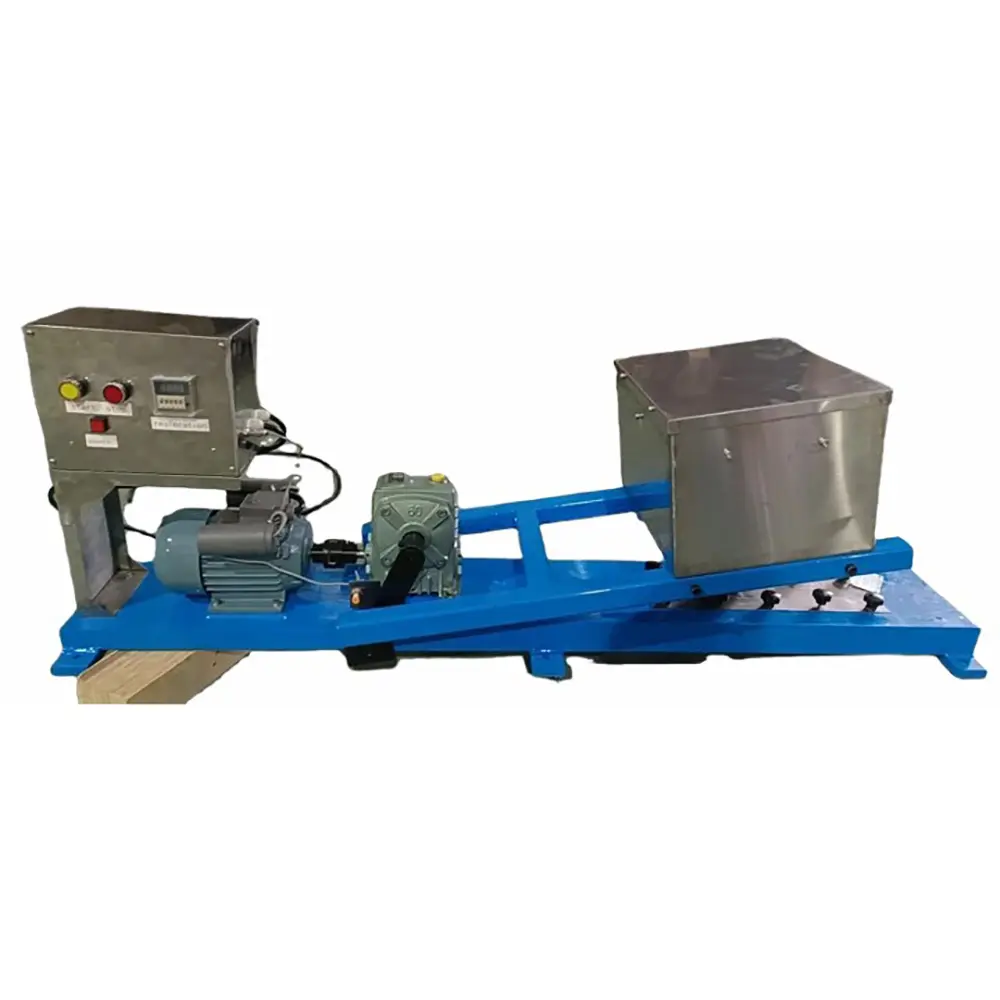
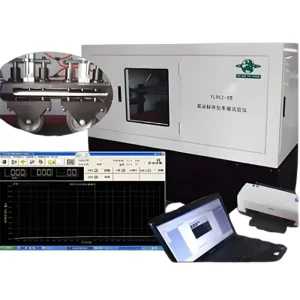
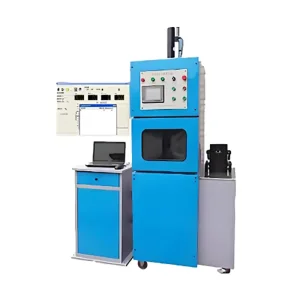
This Wheel load tester is used to measure the emulsified bitumen slurry seal mixture of whether there is an excess of asphalt, which is to determine one of the biggest slurry mixture asphalt dosage, with wet wheel wear tester can determine the optimum asphalt dosage of emulsified bitumen slurry seal.
Test Overview: After molding the slurry mixture, grind 1000 times under a 57 kg load to simulate vehicle rolling. Subsequently, spread hot sand on the specimen and roll another 100 times to calculate the absorption amount per square meter.
Instructions for Using Load Wheel Rollover Tester
Important Reminder: Before use, have a qualified professional or electrician properly ground the unit's grounding wire! After completing operation, always turn off the power switch and unplug the power cord.
Determine mix ratios (aggregate, filler, additive, emulsion, and water) based on consistency tests. Vary asphalt dosage by 1% for five groups as benchmarks.
1
Select a test mold of appropriate thickness (approx. 25% larger than coarsest aggregate).
2
Mix aggregate and water, then add emulsion (mix 30s). Pour into mold, scrape flat, and remove mold when stable.
3
Cure in oven at 60°C ± 3°C for at least 12 hours until constant weight. Cool to room temperature.
4
Perform a no-load run. Ensure trolley wheels are balanced and the load box center of gravity is perpendicular to the axle.
5
Calibrate weight to 56.7 kg by adjusting counterweights with the crank parallel to the frame.
6
Install specimen and clean the rubber wheel with solvent/water before contact. Use the lift handle with extreme caution!
7
Set counter to zero and begin rolling at 44 times per minute. Sprinkle water if the sample becomes sticky.
8
After 1000 rolls, rinse surface particles, bake at 60°C to constant weight, and weigh (G1).
9
Apply 300g of 82±1°C standard sand in the frame. Perform 100 additional cycles.
10
Remove loose sand, weigh the sample (G2), and store counterweights separately to prevent wheel deformation.
Frequently Asked Questions
What is the standard weight required for the load wheel test?
The load box must be calibrated to a weight of 56.7 kg (approximately 57 kg for simulation) to ensure accurate vehicle load simulation.
How should the specimen be prepared and cured?
The mixture should be cured in an oven at 60°C ± 3°C for at least 12 hours until it reaches a constant weight before cooling to room temperature.
What is the purpose of the 100 cycles after adding standard sand?
The sand application and subsequent 100 cycles measure the sand absorption per square meter, indicating the mixture's performance under rolling conditions.
What maintenance is required for the rubber wheels?
Always clean the wheels with solvent or water before tests. Most importantly, remove the counterweights after testing to prevent permanent deformation of the rubber.
What should I do if the specimen becomes sticky during rolling?
If the sample becomes sticky or shiny during the 1000-roll process, you should sprinkle water on the sample to prevent it from sticking to the wheel.
What are the dimensions of the tester?
The external dimensions of the Loaded Wheel Rolling Tester are 1600 mm (Length) x 460 mm (Width) x 460 mm (Height).
 Zealchon Electronic