Ensuring Infrastructure Resilience through Advanced Low-Temperature Bitumen Characterization
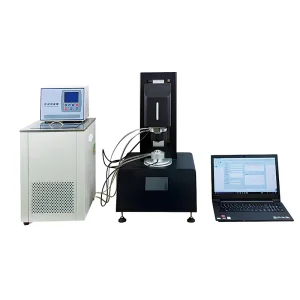
In the landscape of modern civil engineering, the Bending Beam Rheometer (BBR) stands as the gold standard for evaluating the low-temperature creep stiffness of asphalt binders. As climate patterns shift and extreme weather events become more frequent, the ability of bitumen to resist thermal cracking is paramount. A BBR measures the midpoint deflection of a simply supported bitumen beam subjected to a constant load at freezing temperatures.
Our custom BBR systems are engineered to comply strictly with AASHTO T313 and ASTM D6648. By providing precise measurements of "Stiffness (S)" and the "m-value" (the rate of change of stiffness), our instruments empower researchers to predict pavement performance over decades, not just years.
Key Value Drivers:
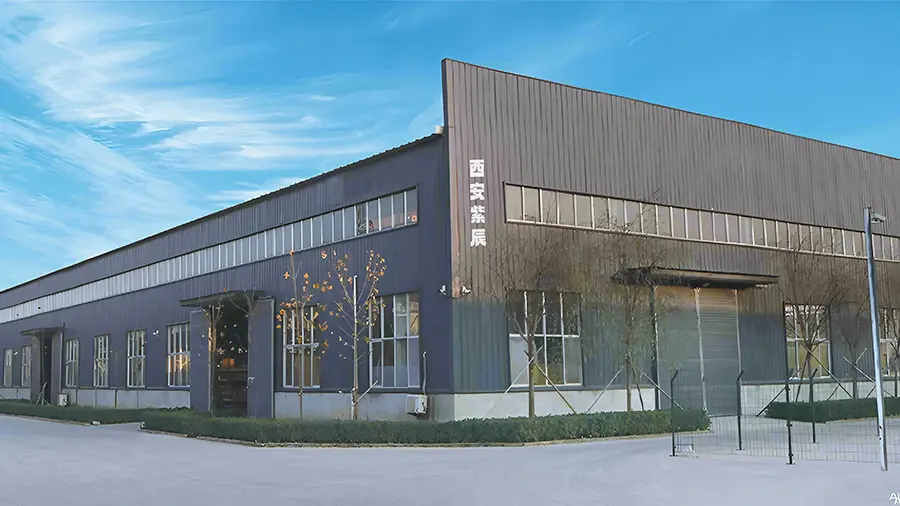
Years of R&D Experience
Building Production Area
Patented Technologies
Global Export Destinations
Founded by researchers from Chang'an University and Xi'an University of Technology, we hold the "Xiya" trademark, a symbol of professional excellence in Shaanxi Province.
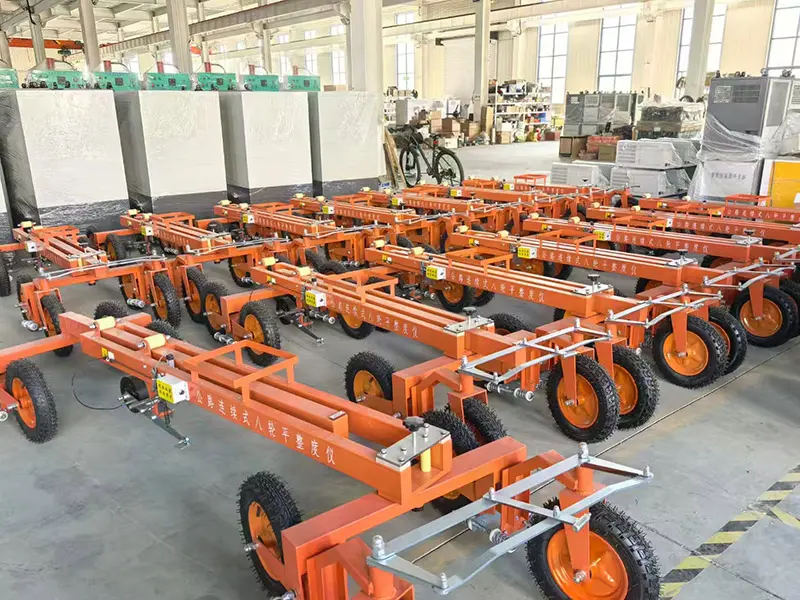
Equipped with CNC lathes, milling machines, and argon arc welding, our workshop ensures every BBR unit meets the most rigorous mechanical tolerances.
Used by government agencies, commercial labs, and contractors globally. Our dedication to quality has become the cornerstone of our growth.
The bitumen testing industry is pivoting towards Automation and Digital Twins. Modern BBR systems are now expected to integrate with Laboratory Information Management Systems (LIMS) to allow for remote monitoring and cloud-based data analytics.
Furthermore, the rise of Sustainable Pavements (using RAP and Bio-binders) requires more sensitive rheological testing to understand the aging mechanisms of complex chemical modified binders.
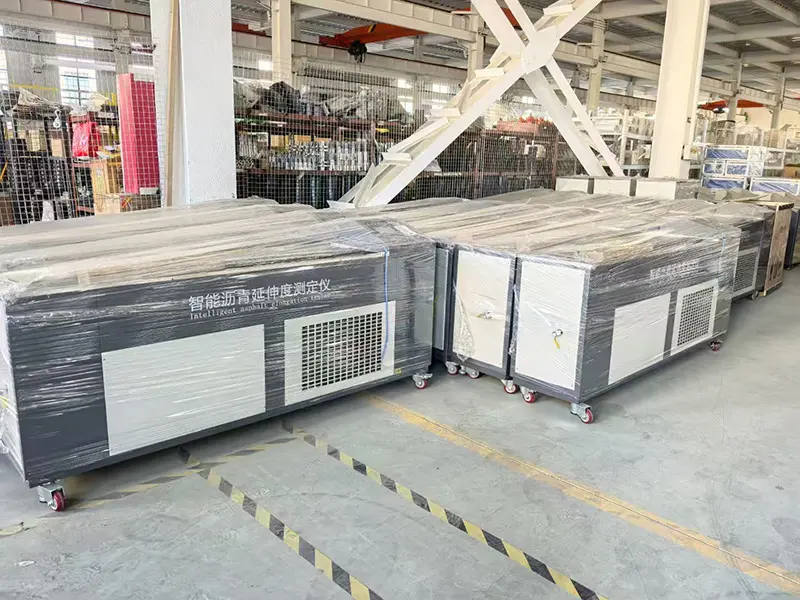
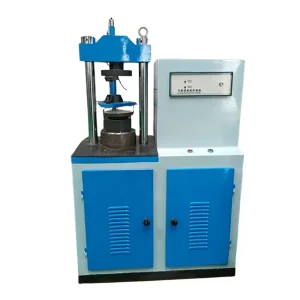
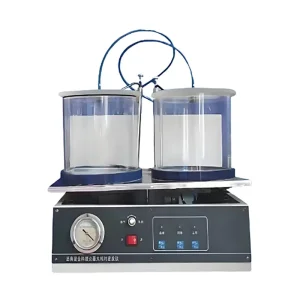
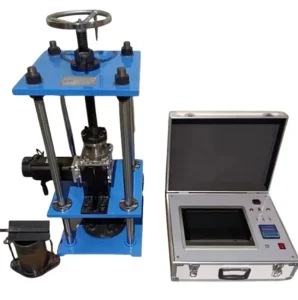
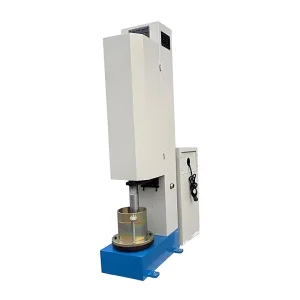
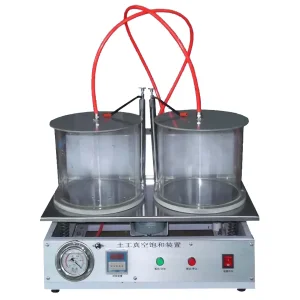
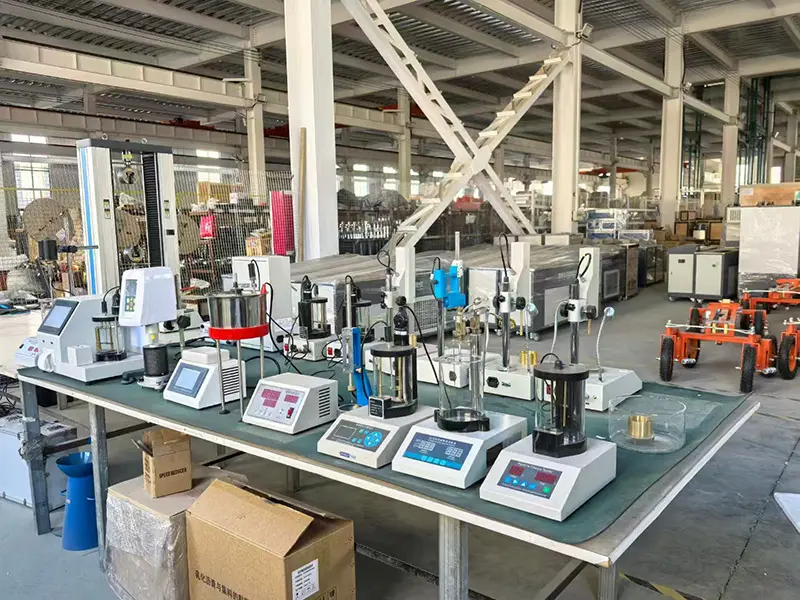
We provide full laboratory setups for "Turnkey" civil engineering projects. From soil compaction to asphalt aging (RTFO/PAV) and final low-temperature testing (BBR), our solutions ensure seamless data flow and consistent testing environments.
Our machines are calibrated according to NIST-traceable standards. We offer localization support including multi-language software interfaces and regional power supply compliance (110V-240V, 50/60Hz) to ensure "plug-and-play" capability for global distributors.
The Superpave PG system utilizes the time-temperature superposition principle. Testing at 10°C above the minimum temperature for 60 seconds is rheologically equivalent to testing at the actual minimum temperature for 2 hours, which significantly reduces lab testing time while maintaining accuracy.
Our BBR systems use a frictionless air bearing system and a high-accuracy LVDT (Linear Variable Differential Transformer). Each unit undergoes a 3-point calibration process for load, displacement, and temperature prior to shipping.
Yes. Our custom software includes specific modules for modified binders, allowing for extended testing durations or specialized load profiles to capture the unique viscoelastic properties of rubberized or polymer-modified bitumen.
Standard configurations are available within 2-4 weeks. Custom modifications (e.g., specific voltage or specialized software integrations) typically take 6-8 weeks including rigorous QC testing.
 Zealchon Electronic