High-Quality Hammered Pipe Pile Penetration Meter Manufacturer, Quotes

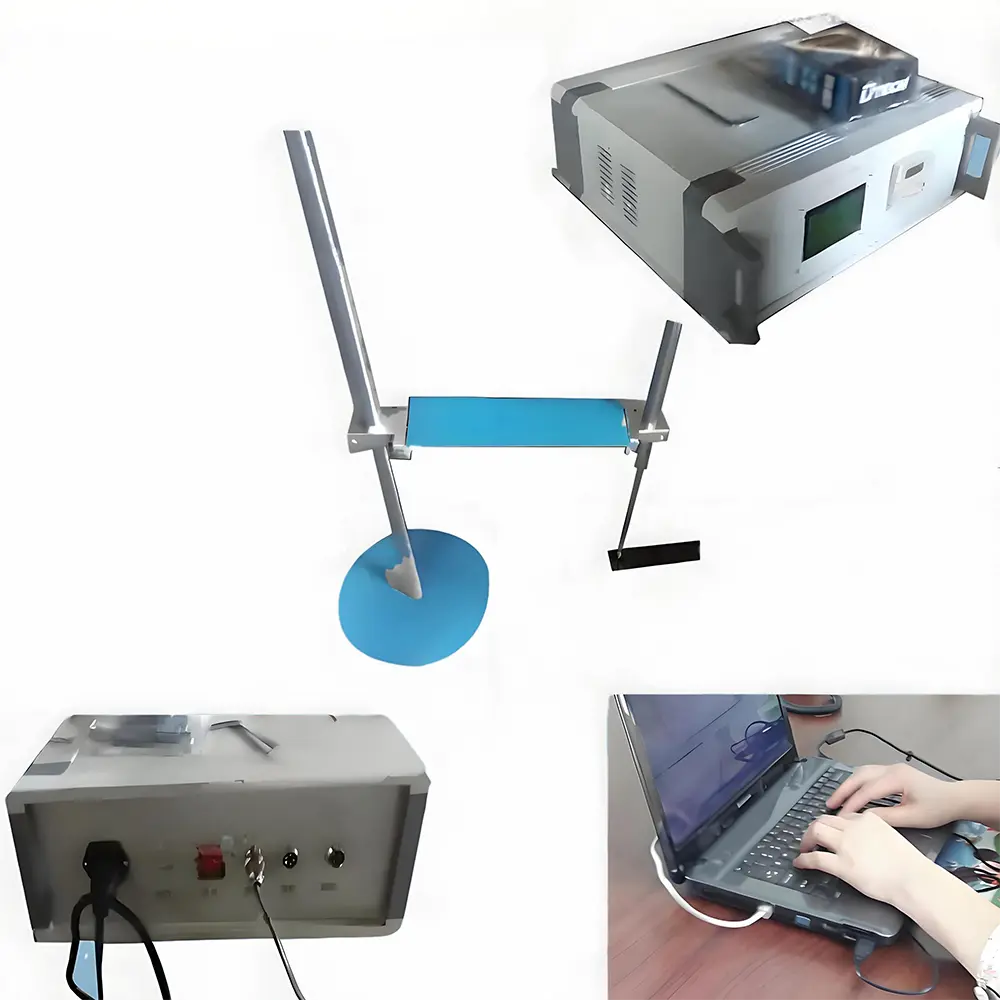
The hammered pipe pile penetration meter is a specialized device used to monitor the penetration depth of pipe piles during construction. Its core function is to collect data such as the number of hammer blows and penetration depth in real time through sensors, and to achieve information-based management of construction quality in conjunction with a positioning system.

Product Description

Equipment Composition

📊
Sensor System * Hammer Blow Count Sensor: Records the number of blows per strike
* GNSS Antenna: Monitors pile coordinates and penetration depth via the BeiDou satellite positioning system
* Tilt Sensor: Detects pile verticality to ensure construction accuracy.
📡
Data Acquisition and Transmission * The control terminal integrates sensor data and uploads it to the management platform in real time via a mobile network, supporting remote monitoring.
Equipment Composition Sensor System

Technical Parameter

Digital Display Accuracy 0.01mm
Linearity ±0.5%FS
Operating Conditions 10℃~35℃
Displacement Sensor 0-300mm (Class 0.2)
Laser Count Switch Range 0-20 meters
Power Supply 220V±10% 50Hz
Power Consumption ≤10W
Software OS Windows/Others
💻
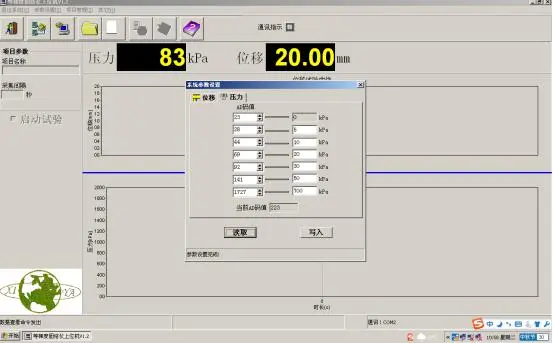
Enabling automatic data extraction, storage, and printing.
Technical Parameter Monitoring

Application Scenarios

✅
Construction Quality Control: Real-time data monitoring helps prevent over- or under-driving, ensuring the pile foundation bearing capacity meets standards.
📈
Information Management: Integration with an engineering management platform enables traceability of the construction process.

Technical Points

Control Principles: The control of pile termination hammering needs to be determined based on the soil conditions at the pile tip. When the pile tip is in a general soil layer, controlling the design elevation of the pile tip is primary, with penetration as a secondary consideration; when the pile tip reaches a hard soil layer, penetration control is primary, with pile tip elevation as a secondary consideration.

Equipment Requirements: When conducting high-strain dynamic pile testing, force sensors (such as ring strain gauge force sensors) and vibration sensors (such as piezoelectric accelerometers) are required to accurately measure the stress and motion state of the pile body. Modern intelligent construction management systems also often integrate relevant monitoring technologies to achieve precise control of the pile driving process.
Frequently Asked Questions

1. What sensors are included in the equipment composition?
The system includes a Hammer Blow Count Sensor for recording strikes, a GNSS Antenna (BeiDou) for coordinates and depth, and a Tilt Sensor for pile verticality.
2. What is the digital display accuracy of the system?
The system provides high-precision monitoring with a digital display accuracy of 0.01mm and a linearity of ±0.5%FS.
3. How is the data transmitted for remote monitoring?
The control terminal integrates all collected sensor data and uploads it to the management platform in real time via mobile network connectivity.
4. What are the environmental operating requirements?
The equipment is designed to operate within a temperature range of 10℃ to 35℃ and requires a 220V±10% 50Hz power supply.
5. How does the system handle different soil layers?
In general soil layers, the system prioritizes design elevation control. In hard soil layers, it shifts priority to penetration control for precise pile termination.
6. Which software platforms are supported for data extraction?
The management software is compatible with Windows and other operating systems, allowing for automatic data extraction, storage, and professional printing.

Related Products