 Zealchon Electronic
1 / 1
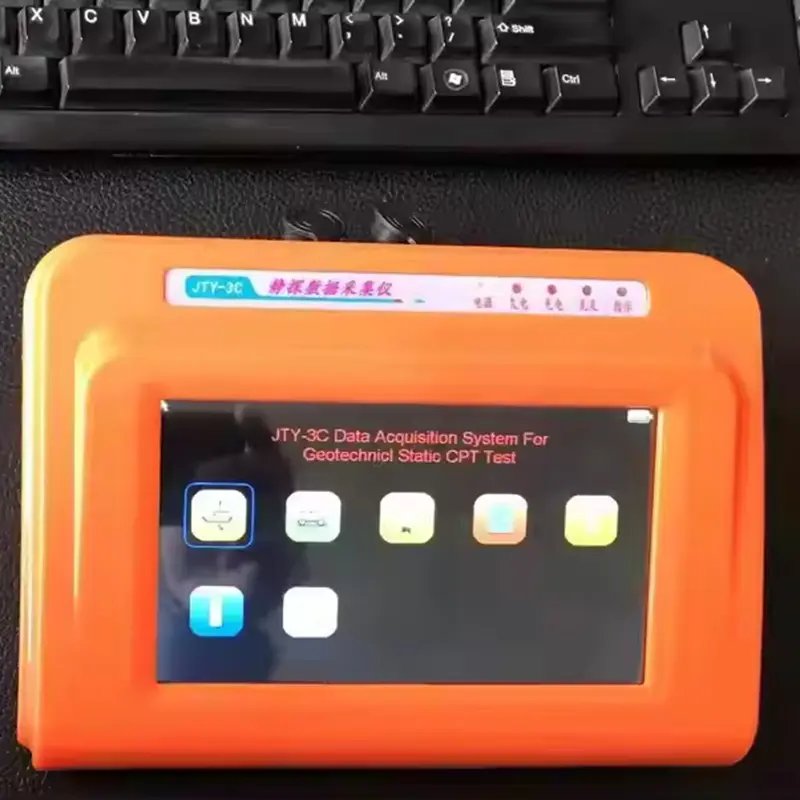
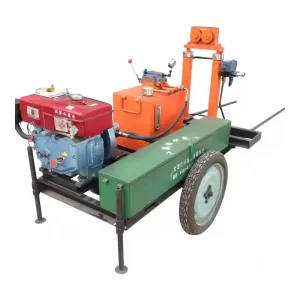
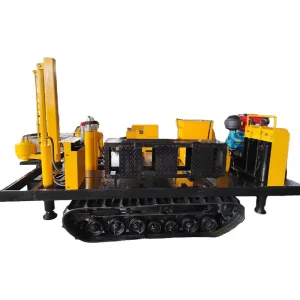
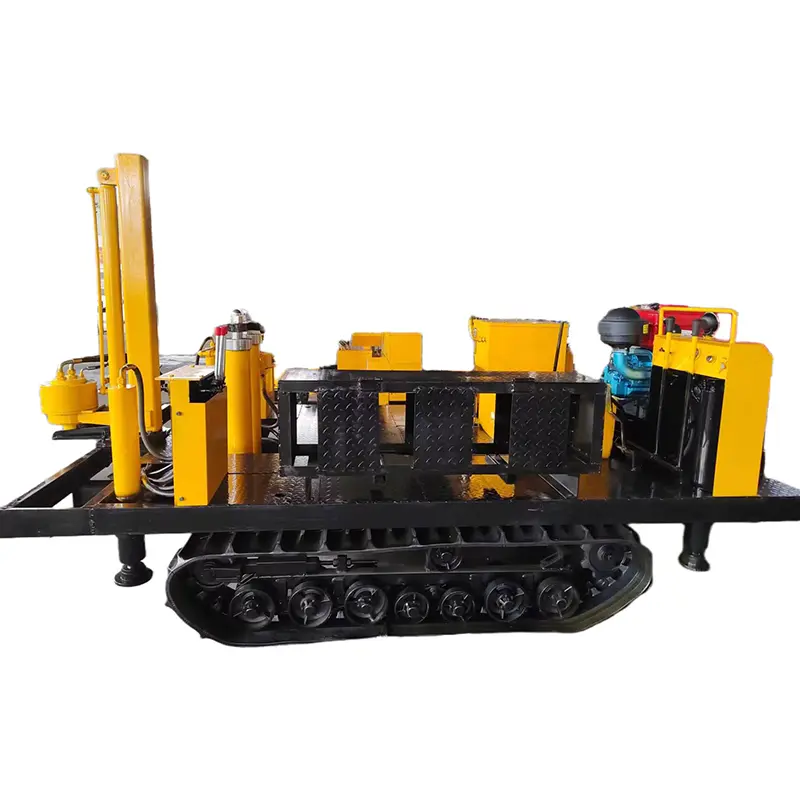
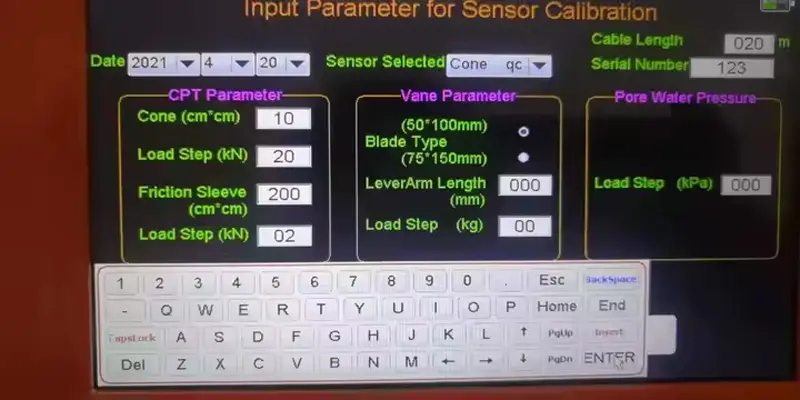
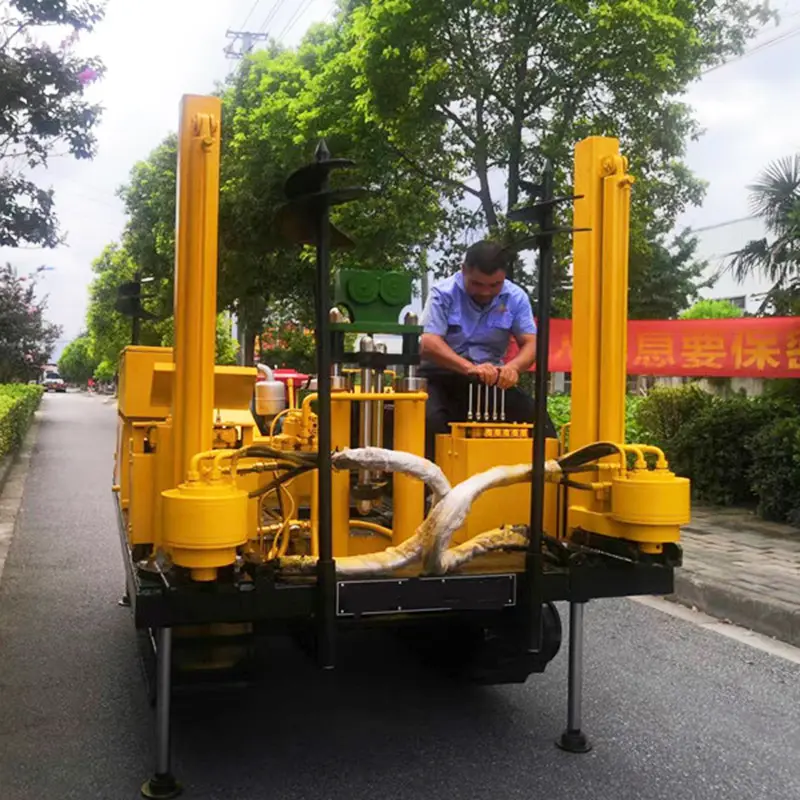
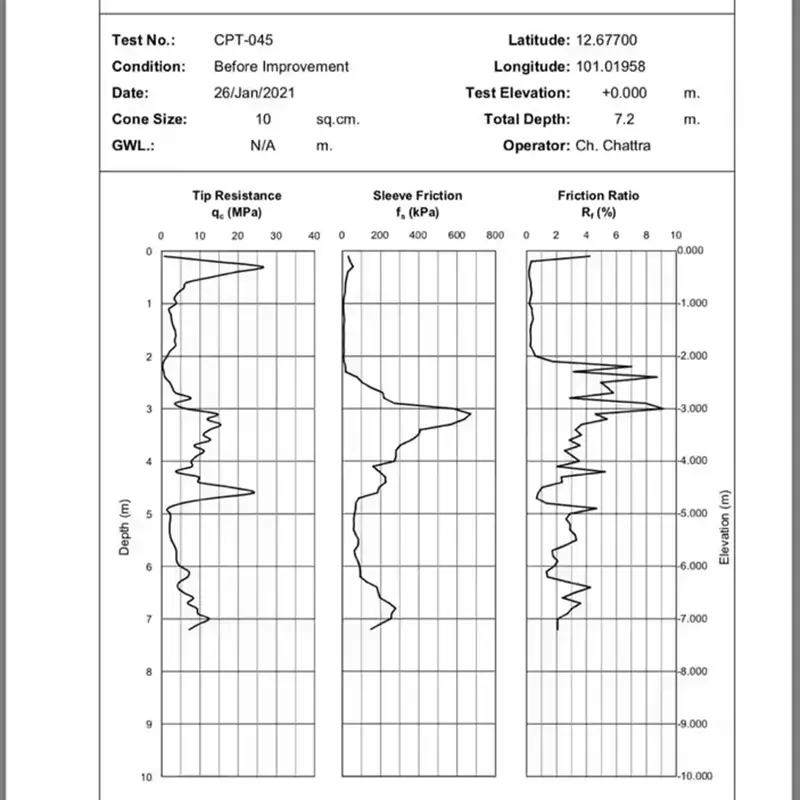
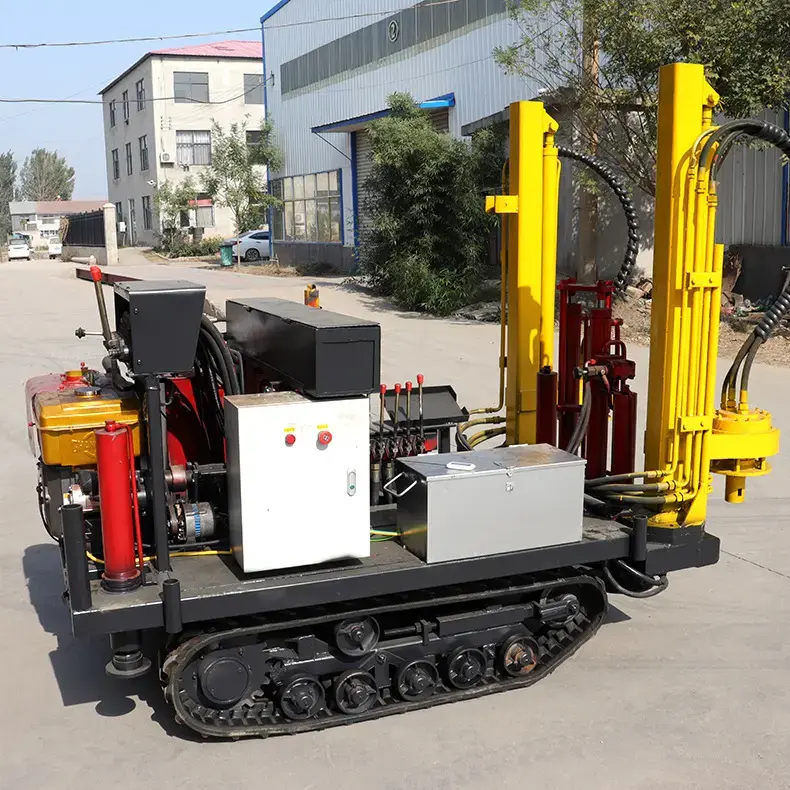
The CPT Vehicle utilizes advanced hydraulic transmission technology to automatically press the static exploration probe into the soil at a consistent and uniform speed. By measuring the resistance of the probe as it contacts the soil, the system converts physical data into electrical signals through resistance strain gauges.
The surface measuring instrument records and determines vital mechanical parameters of the soil, which are essential for foundation design. This equipment is highly versatile, making it ideal for working on soft soil, cohesive soil, old clay, loess, and sandy soil environments.
| Engine Power | 22 KW (Speed: 2000–2500 r/min) |
| Rated Penetration Force | 200 KN - 250 KN |
| Pull-out Force | 240 KN - 300 KN |
| Penetration Speed | 1.2 ± 0.3 m/min |
| System Oil Pressure | 16 MPa |
| Walking Speed | 10 - 30 km/h |
| Climbing Ability | Max 30 degrees |
| Track Type | Rubber Track (Width: 350 mm) |
| Anchor Motor Torque | Max 2442 N.m |
| Probe Material | High-strength alloy steel 45MnMoB |
| Operating Temperature | -20℃ to 40℃ |
| Overall Dimensions | 3500 × 1800 × 1800 mm |
| Weight | 3200 kg (Standard configuration) |
The static cone penetration test is a critical in-situ testing method for engineering geological exploration, serving the following purposes:
1. Soil Stratification
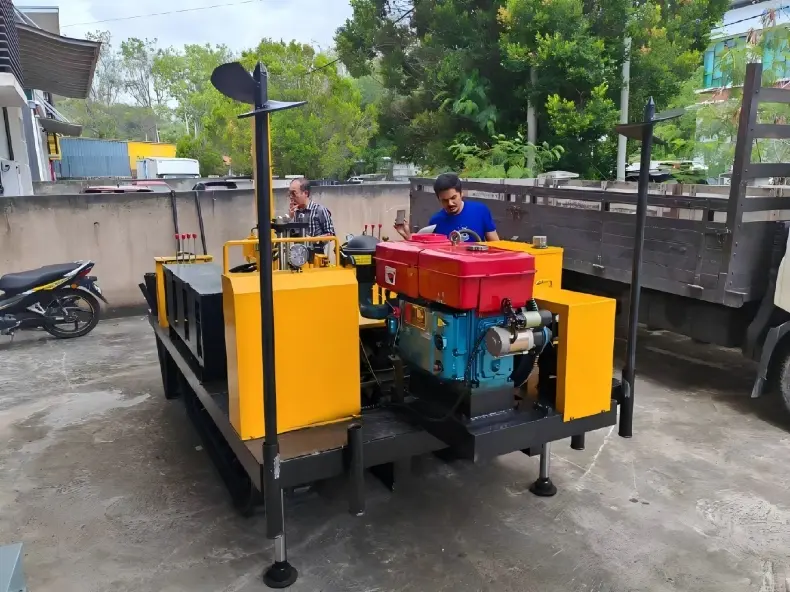
Divide soil layers and investigate uniformity of soft and hard interlayers.
2. Engineering Characteristics
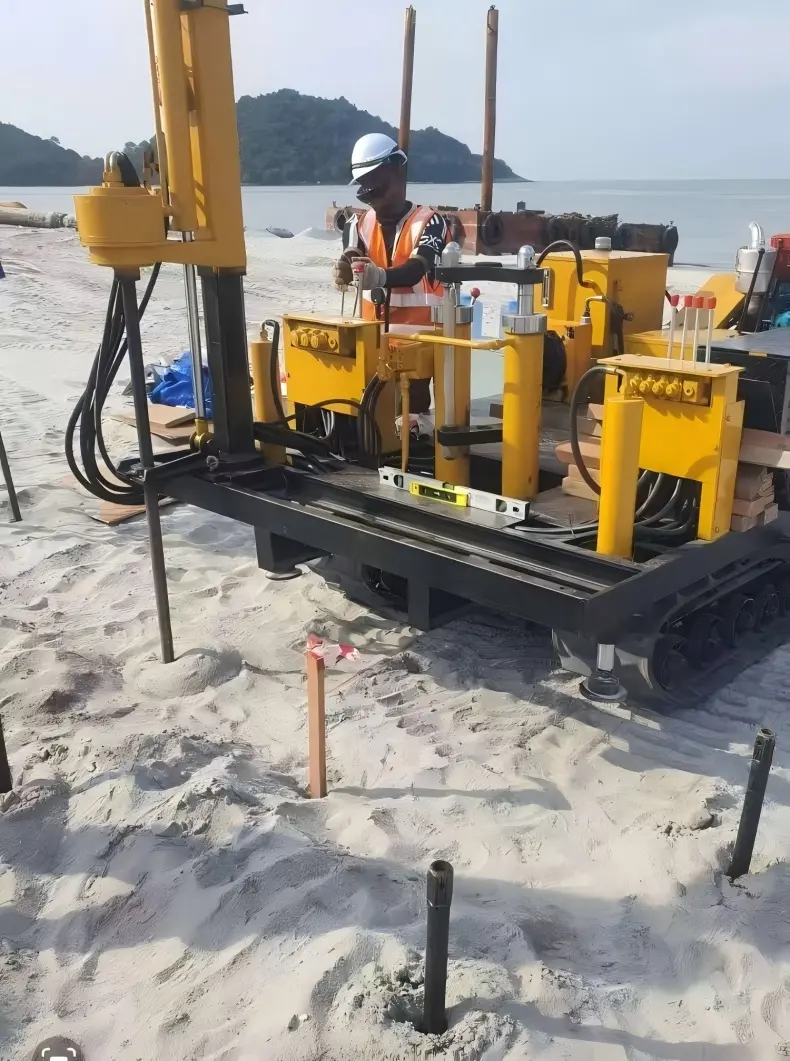
Evaluate bearing capacity, compression properties, and shear strength.
3. Foundation Reinforcement
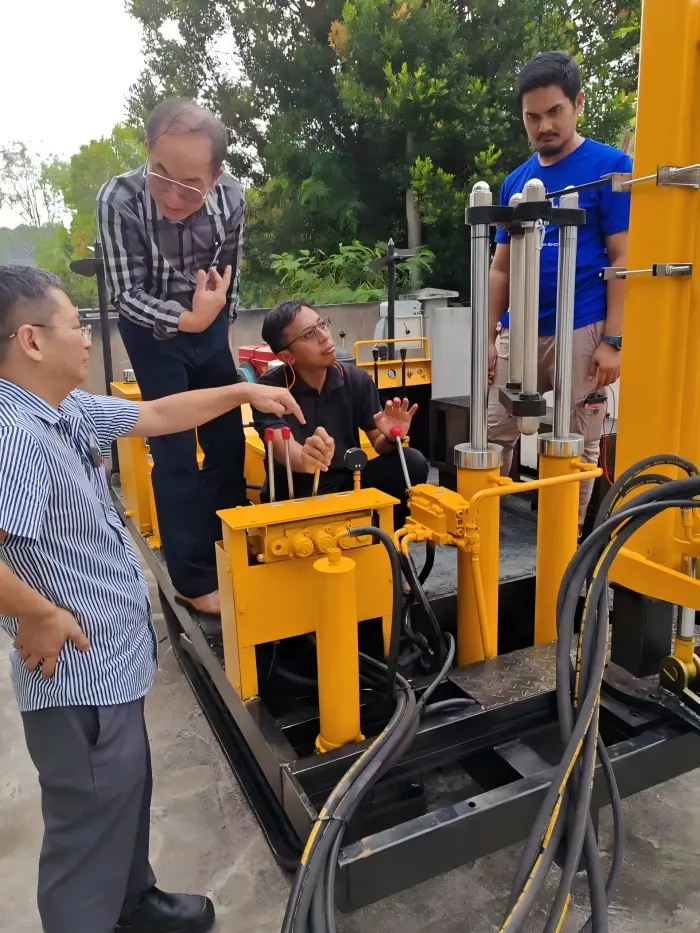
Check the compactness of artificial fill and effectiveness of foundation reinforcement.