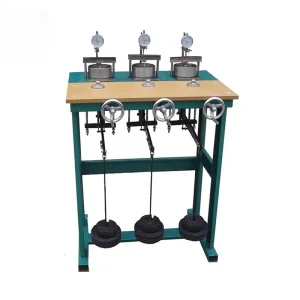
Wholesale Hand operated Field Vane Shear Test Apparatus Supplier, Quotes

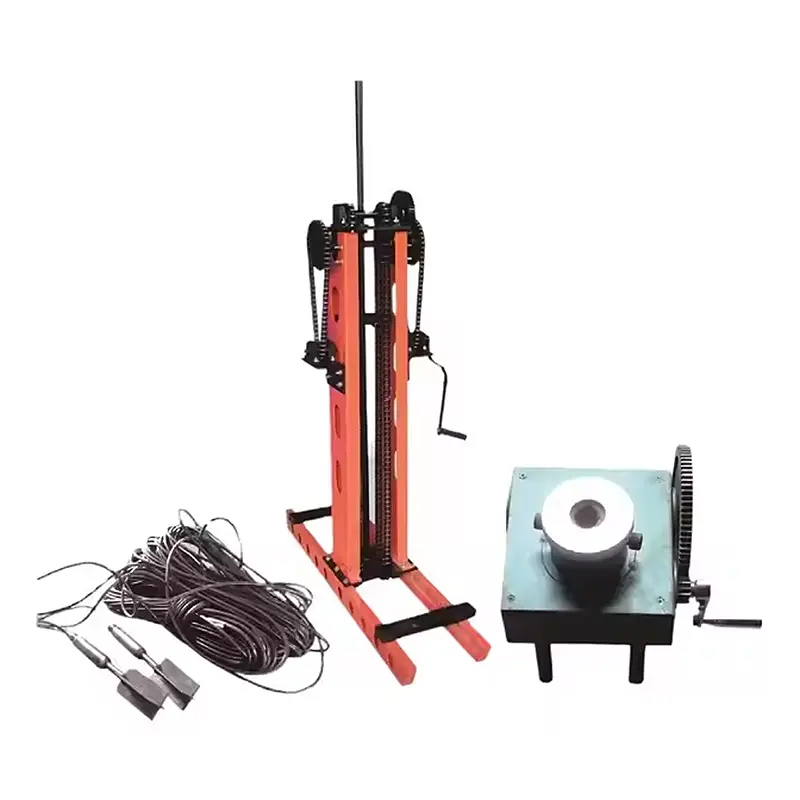
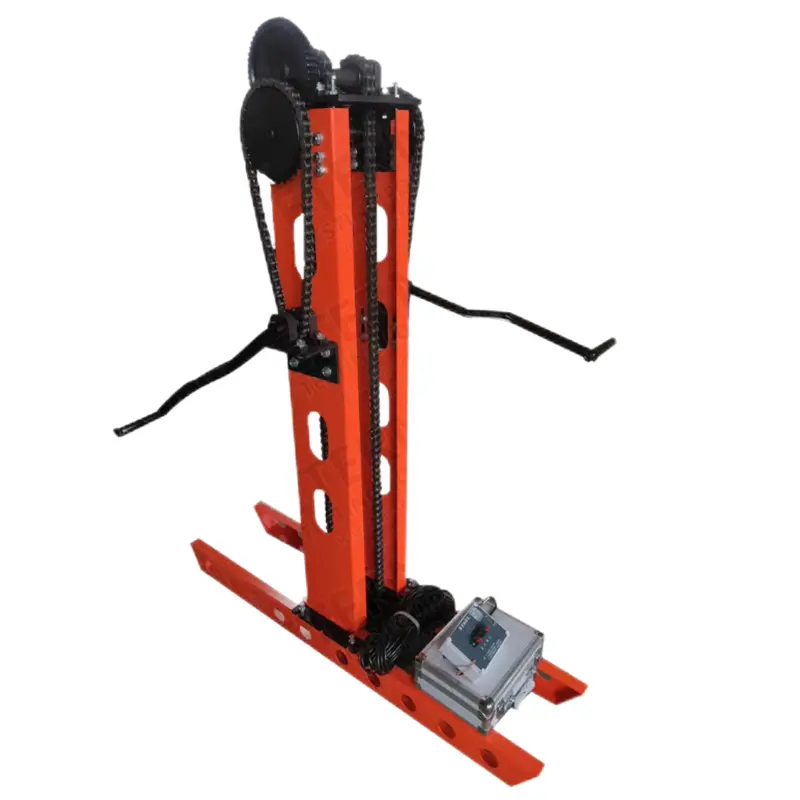
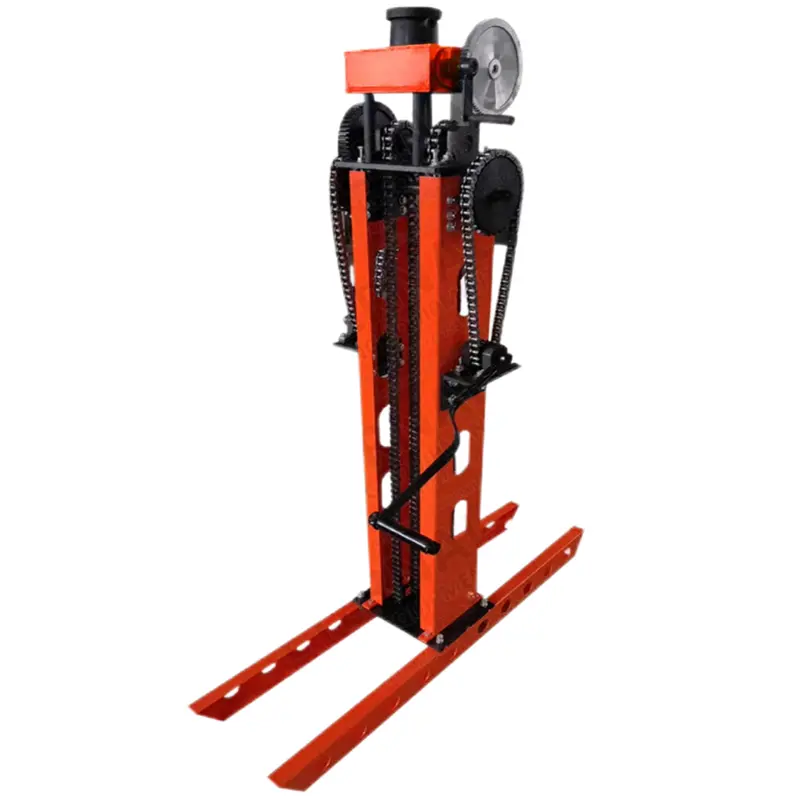
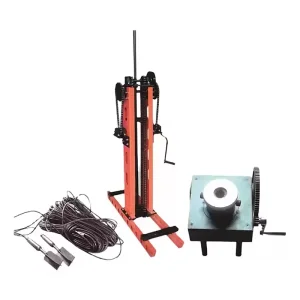
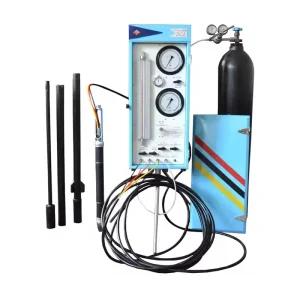
Hand operated Field Vane Shear Test Apparatus is a portable device used for on-site measurement of undrained shear strength of soft clay. It manually rotates the cross shaped blade inserted into the soil, measures the torque of the soil resisting shear failure, and calculates the shear strength of the excavated soil. This type of equipment is particularly suitable for use in the field or construction site, and is favored for its portability and ease of operation.

Product Description

Main Components

1. Cross shaped blade Composed of four rectangular metal blades arranged in a cross shape. Common sizes include a height of 100 millimeters and a diameter of 50 millimeters (different sizes can be selected according to soil properties).
2. Connecting rod Connects the cross blade to the ground equipment to transmit torque. Usually designed to be detachable for easy transport and installation.
3. Torque measuring device Includes a dial or digital display for recording the torque applied to the cross plate. Some devices are equipped with spring or mechanical torque sensors.
4. Hand cranked rotating handle Used for manually rotating the vane blades, typically at a constant rate (6°/min to 12°/min). The handle may be equipped with scales or markings for speed control.
5. Bracket or fixing device Used to stabilize the equipment and ensure the cross blade is vertically inserted into the soil during testing.

Working Principle

1. Insert the cross blade vertically into the soil to the predetermined depth.
2. Rotate the cross plate blades at a constant speed by hand cranking the handle while recording the applied torque.
3. When the soil undergoes shear failure, record the maximum torque (T max).
4. Calculate the undrained shear strength of the soil (cu) based on the torque and geometric dimensions of the cross blade.
Working Principle of Vane Shear Test

Application

Vane Shear Test Application
Soft clay strength determination

Vane Shear Test Apparatus is applicable to the undrained shear strength determination of saturated soft clay.

Foundation design

Provides critical data for the analysis of bearing capacity, settlement, and stability of soft soil foundations.

Construction monitoring

Soil Cross Plate Shear Vane Tester evaluates changes in soil strength during the construction process.

Field survey

Field Vane Shear Test suitable for rapid testing in remote areas or construction sites.

Technical Parameters

Name Electronic field vane shear tester
Test ranges 0 ~ 130KPa
Penetration force 30KN
Penetration depth 20 ~ 30M
Penetration speed 0.5 - 1M/MIN
Cross plate shear < 132Kpa
Penetration Mode Manual
Probe diameter 10CM / 15CM
Weight 60Kg

Frequently Asked Questions

What is the primary purpose of the Hand-operated Field Vane Shear Test?
It is primarily used to determine the undrained shear strength of saturated soft clay in situ, providing essential data for foundation design and stability analysis.
What soil types are most suitable for this apparatus?
The apparatus is specifically designed for saturated soft clay. It may not provide accurate results for sandy or gravelly soils.
What is the maximum penetration depth of this equipment?
The electronic field vane shear tester supports a penetration depth of approximately 20 to 30 meters, depending on the specific model and soil conditions.
How is the shear strength calculated from the test?
The undrained shear strength (cu) is calculated using the maximum torque recorded at the moment of soil failure, combined with the known geometric dimensions of the cross-shaped vane blades.
What is the recommended rotation speed during testing?
The standard practice is to rotate the handle at a constant rate, typically between 6° and 12° per minute, to ensure consistent measurement of the soil's resistance.
Is this equipment portable for field use?
Yes, with a weight of approximately 60kg and a detachable connecting rod design, it is built for field surveys and rapid testing at remote construction sites.

Related Products