Custom 50kn Geotechnical portable soil static cone penetration testing equipment Manufacturer, Quotes

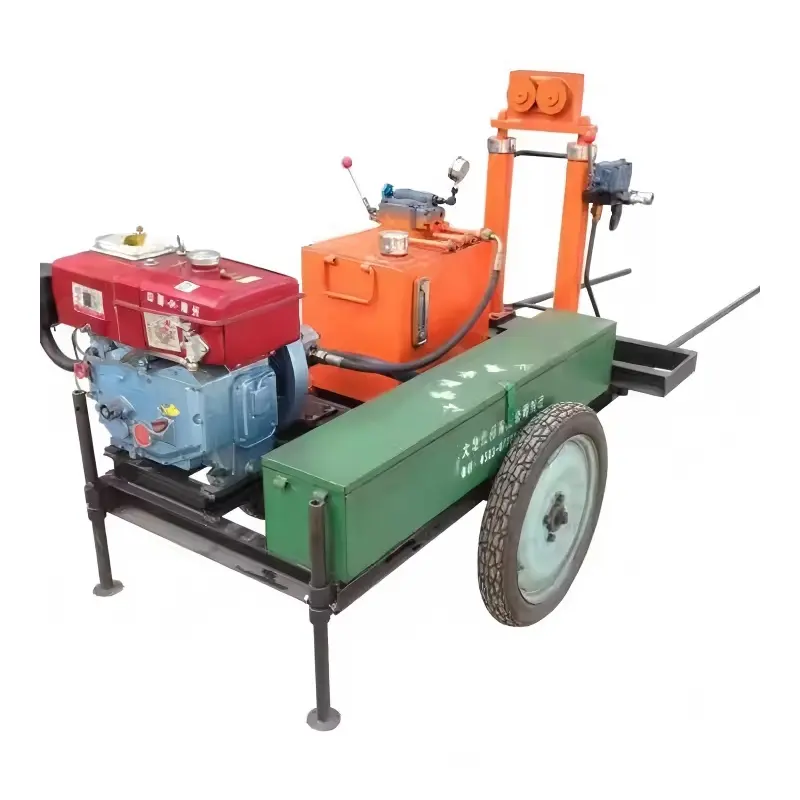
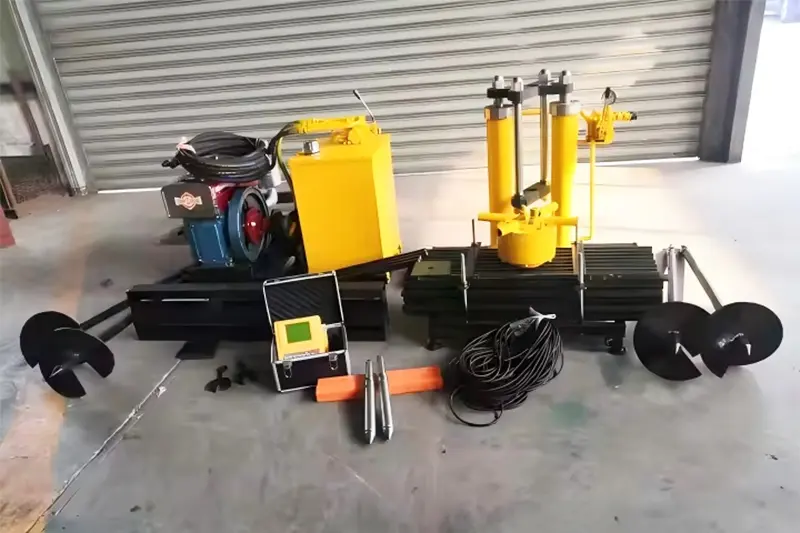
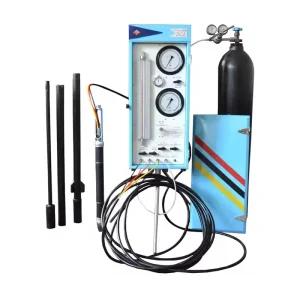
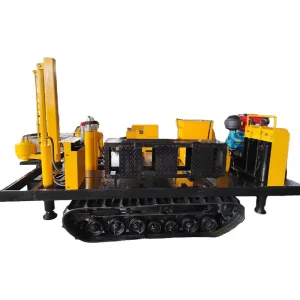
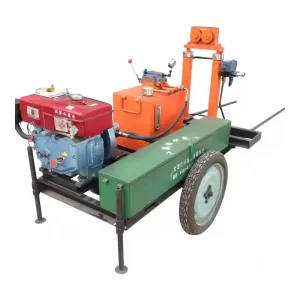
Static Cone Penetration Test static Cone Penetrometer is a economical and ideal CPT test equipment. Independent hydraulic power unit and hydraulic cylinder device, with high pressure hose and hydraulic quick connector flexible connection.

Lightweight size is easy to carry, can be almost any other large equipment which can not reach the place to survey, especially for the hole in the hole hole. It can also be easily installed on a wide range of new or existing platforms such as transport cars,
crawler chassis, trolleys, barges and so on.

The use of high-end quality of the hydraulic components and other components, the effective protection of the equipment stable and reliable performance. The use of anti-high oil temperature design, effective protection in high temperature weather environment equipment life and efficiency.

Product Description

πŸ“‹

Product Description

Cone Penetration Testing (CPT) is a specialized device used for on-site testing of soil properties. It is primarily designed for measuring mechanical properties, stratigraphic distribution, and groundwater levels in soil. Below are the detailed technical specifications:

Engine Single cylinder 180 diesel engine, horizontal four-stroke, water cooling
Rated Power - Speed 5.67KW - 2600r / min
CPT Hydraulic Cylinder Rated penetration force 50KN
Rated Pull Force 70KN
Stroke 570mm
Weight 180 kg
Ground Anchor Form Single leaf or multi-leaf anchor
Max Working Temp 45Β° C
Supporting Probe 10cmΒ²
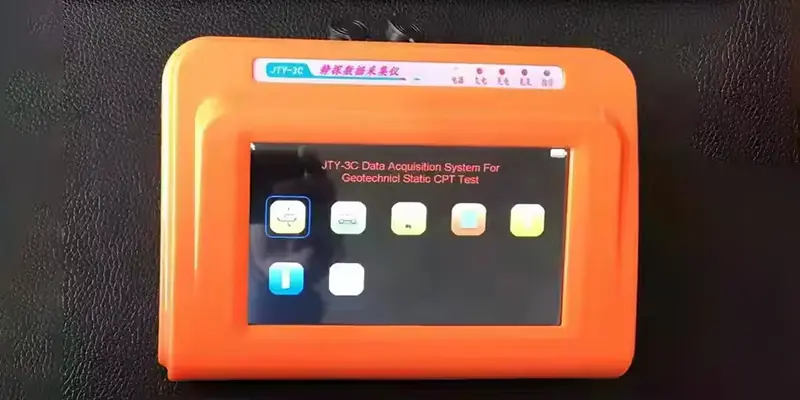
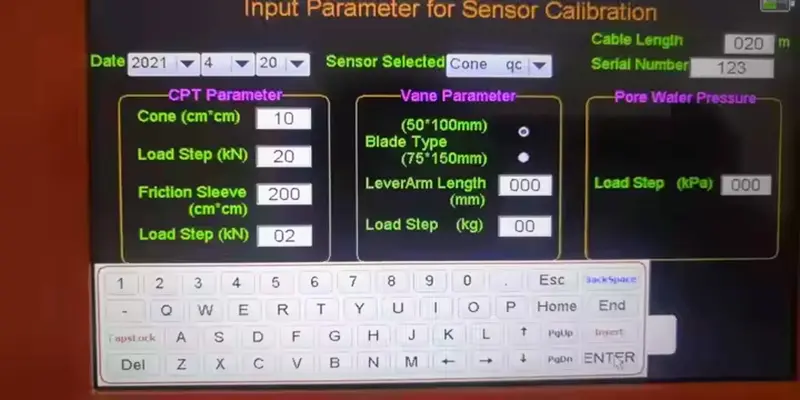
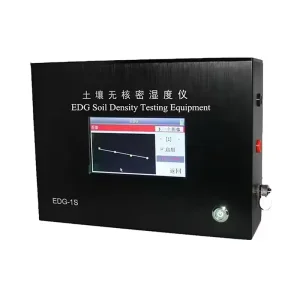
Measuring Instruments Static data collection or automatic collection of European and American brands
βš™οΈ

Working Principle

01
Penetration Process The probe penetrates the soil at a constant speed (usually 2 cm/s) to measure cone tip resistance and sidewall friction.
02
Data Collection The transmitter records high-precision data in real-time and transmits it directly to ground equipment.
03
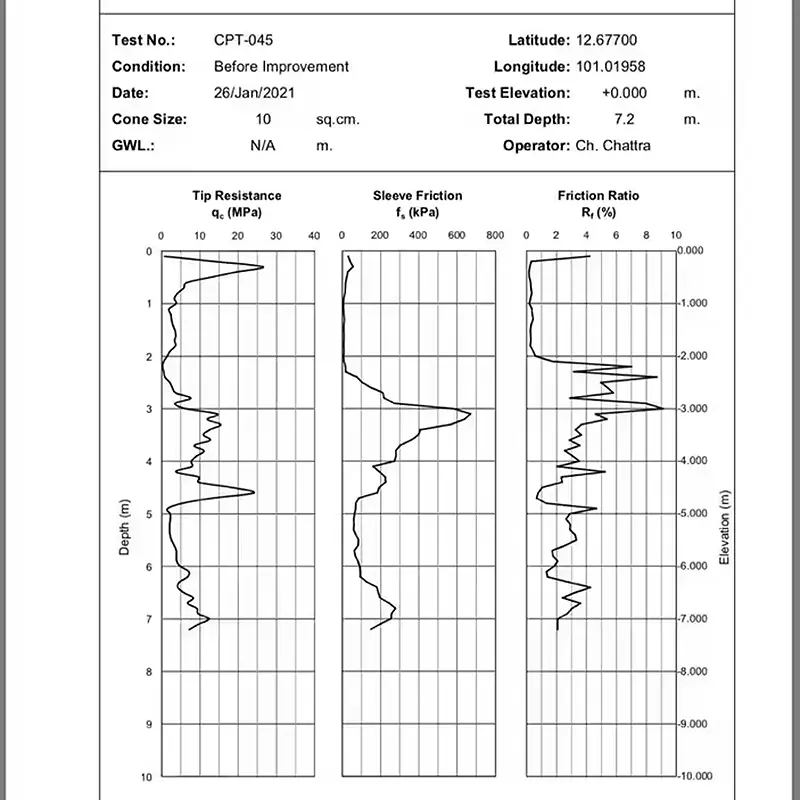
Data Analysis Specialized software processes the data to generate stratigraphic soil profile maps and technical results.
πŸ“Š

Measurement Parameters

CPT Equipment Detail
CPT Component
CPT Data Graph
  • ● Cone tip resistance (qc): Reflects the compactness and strength of the soil.
  • ● Side wall friction force (fs): Reflects the friction characteristics between the soil and the probe.
  • ● Friction ratio (Rf): The ratio of sidewall friction to cone tip resistance, used to determine soil type.
  • ● Pore water pressure (u): Reflects drainage conditions and consolidation characteristics.
🌍

Application Fields

CPT Site Application
  • βœ” Geotechnical investigation: Distribution of strata and soil characteristics.
  • βœ” Foundation design: Evaluating bearing capacity and settlement characteristics.
  • βœ” Environmental Investigation: Underground pollution and groundwater conditions.
  • βœ” Earthquake Engineering: Evaluating Soil Liquefaction Potential.
⭐

Key Advantages

πŸš€ Fast & Efficient Continuous penetration and real-time data collection save significant project time.
🎯 High Precision Provides highly accurate and continuous soil profile data for detailed analysis.
πŸ”§ Multi-functional Capable of measuring multiple parameters simultaneously across various soil types.
🌱 Eco-Friendly No need for soil sampling, significantly reducing environmental interference.
πŸ“

Summary

Soil static cone penetration testing equipment is an essential tool in geotechnical engineering. It enables professionals to quickly and accurately obtain soil characteristic data, making it a preferred choice for engineering investigation, foundation design, and environmental assessment fields.
Frequently Asked Questions

Q1: What is the primary purpose of CPT equipment? A: It is used for on-site testing of soil properties, including mechanical strength, stratigraphic distribution, and groundwater levels.
Q2: How fast does the probe penetrate the soil? A: The standard penetration speed is maintained at a constant rate, usually 2 cm/s.
Q3: What are the main parameters measured during a test? A: It measures cone tip resistance (qc), side wall friction (fs), friction ratio (Rf), and pore water pressure (u).
Q4: Is the equipment suitable for environmental investigations? A: Yes, it is widely used for detecting underground pollution and groundwater conditions without the need for traditional sampling.
Q5: What kind of engine powers this device? A: The device is powered by a high-efficiency single cylinder 180 diesel engine (5.67KW).
Q6: How is the data collected and analyzed? A: Data is recorded in real-time by a transmitter and sent to ground equipment, where specialized software generates stratigraphic maps.

Related Products