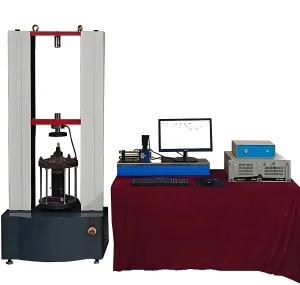
Explore our premium product selections from industrial testing machines to specialized field vane shear testers, complying with rigorous global engineering criteria.
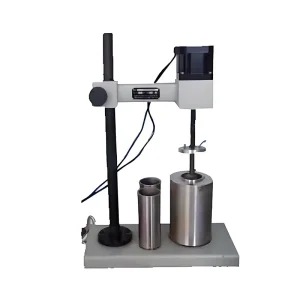
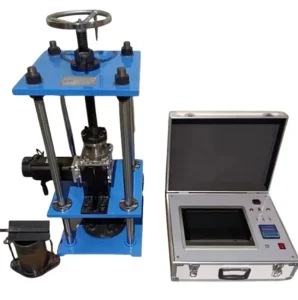
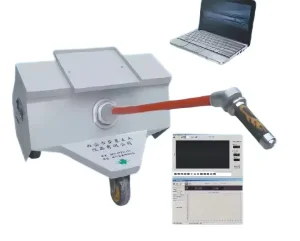
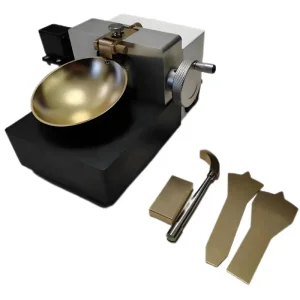
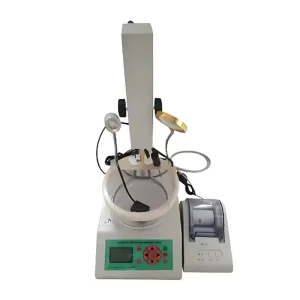
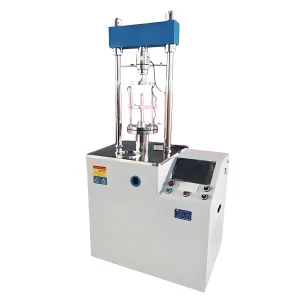
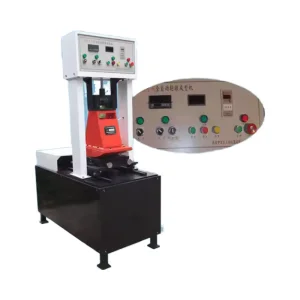
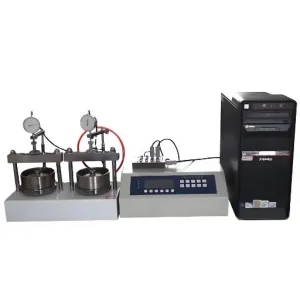
Determining the shear strength of highly sensitive, saturated cohesive soils in the field presents one of geotechnical engineering's greatest challenges. Standard laboratory methods often fail due to sample disturbance during extraction and transit. The Field Vane Shear Test (FVST), standardized globally under ASTM D2573 and BS EN ISO 17892, remains the industry benchmark for capturing undisturbed undrained shear strength ($S_u$) metrics.
At Xi'an Zealchon Electronic Technology Co., Ltd., we fuse decades of geotechnical design expertise with state-of-the-art manufacturing to deliver customizable Field Vane Shear Test apparatuses. Designed to survive severe environmental conditions, our equipment empowers engineers to execute precise assessments across vast construction landscapes—ensuring embankments, bridges, and reclamation zones are established on solid analytical foundations.
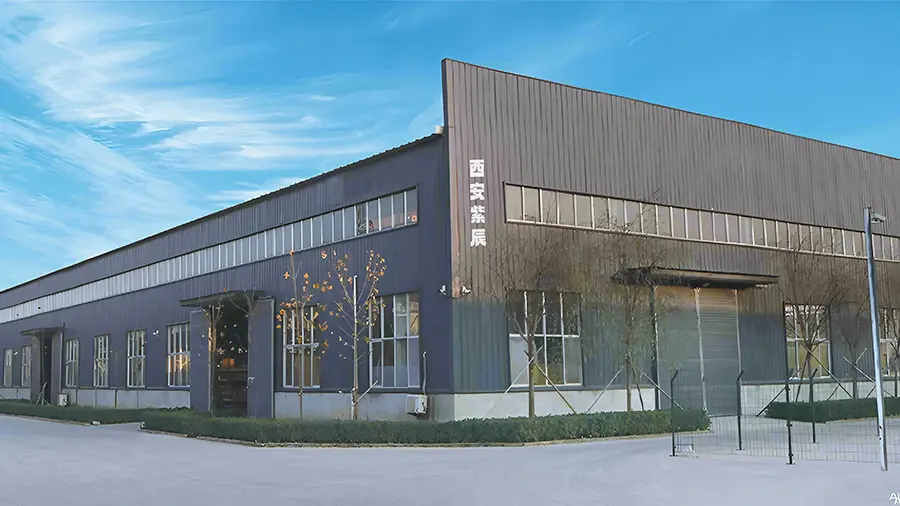
Xi'an Zealchon is located in the high-technology industry development zone of the historic city of Xi'an, China. We supply high-precision testing instruments for civil engineering, geological survey, water conservancy, highways, railways, and municipal infrastructure projects.
Understanding the physics behind our engineering design. High-resolution instrumentation tailored to client-specific geological formations.
The calculation of undrained shear strength from a vane shear test depends on the vane's geometry. For a standard rectangular vane with height ($H$) equal to twice the diameter ($D$), the shear strength ($S_u$) is calculated using the following mechanical formulation:
$$S_u = \frac{6T}{7 \pi D^3}$$
Where $T$ represents the maximum applied torque. When performing tests at variable depths, friction along the push-rods must be systematically accounted for or completely bypassed. Our proprietary custom slip coupling systems isolate rod friction, allowing engineers to measure true torque resisting values directly at the vane blade head.
| Parameters | Standard Configuration | Custom Optimization Range |
|---|---|---|
| Vane Blade Dimensions (D x H) | 50.8 mm x 101.6 mm / 65 mm x 130 mm | Tailored configurations for extremely soft mud or firmer soils |
| Torque Measurement Range | 0 – 60 N·m / 0 – 100 N·m | High-capacity digital transducers up to 250 N·m |
| Maximum Testing Depth | 10m – 30m with standard extension rods | High-tensile continuous casing support up to 60m+ |
| Data Acquisition Mode | Manual high-precision dial indicator | Bluetooth / Wi-Fi IoT logging modules (Real-time telemetry) |
| Construction Material | Heat-treated structural alloy steel | High-strength anti-corrosive stainless steel / titanium alloy |
Why Geotechnical Engineers and Global Construction Labs trust the "Xiya" Brand.
Under the continuous guidance and joint cooperation of senior professors and elite researchers from Chang'an University Highway College, Air Force Engineering University, and Xi'an University of Technology, we develop professional geotechnical testing instruments. The "Xiya" trademark is proudly recognized as a landmark trademark of Shaanxi Province.
Our research and development team is founded by geophysicists, mechanical designers, and material experts coming from prestigious academic backgrounds. We have accomplished a series of domestic and international standard patents, filling gaps in specialized engineering instrumentation and winning ministerial and provincial awards.
Our laboratory and field test machines are deployed worldwide. Governments, commercial laboratories, infrastructure contractors, and technical universities rely on Zealchon's quality, durability, and customer support. Over the past 15 years, our commitment to reliability has become the cornerstone of our global growth.
The modern engineering landscape demands digitalization, increased speed of execution, and cloud connectivity. Geotechnical engineering is shifting rapidly from manual logging systems toward IoT-connected sensors. Zealchon's engineering department is actively integrating real-time telemetry into our custom field vane shear test setups. Modern trends include:
Procuring in-situ testing devices requires careful review of standards compatibility, calibration procedures, and shipping compliance. Global sourcing agents evaluate equipment based on:
From high-speed railway embankments across alluvial plains to large-scale coastal reclamation projects, understanding the shear profile is vital to avoiding failure. Our custom setups provide long-term profiling of soils under heavy static loads, preventing catastrophic slope and foundation failures.
Our instruments have been successfully deployed in key civil projects including highway foundations under Chang'an University highway initiatives, airport runway base assessments, and deep foundation engineering for hydropower plants across diverse geographical terrains.
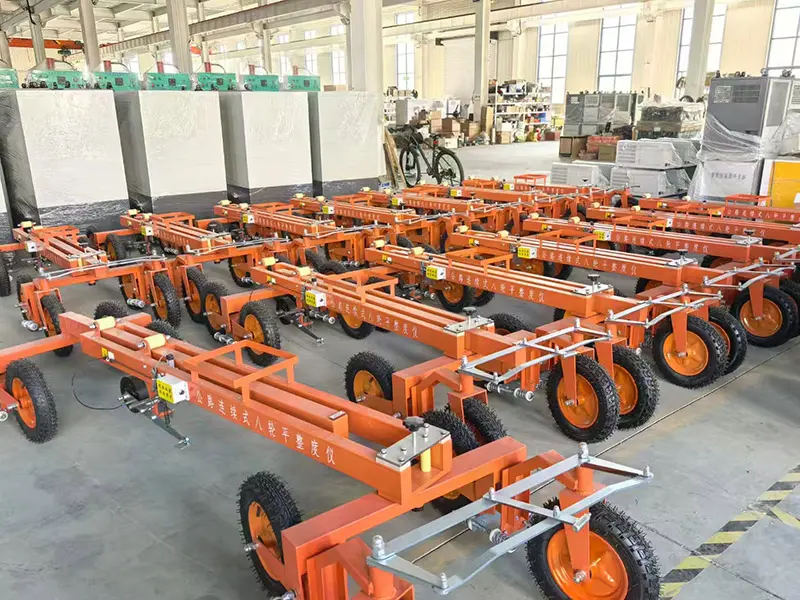
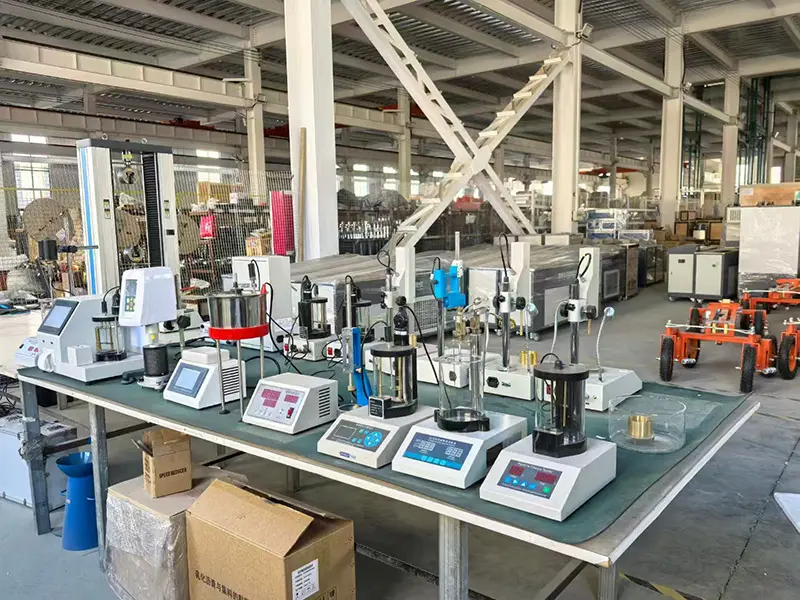
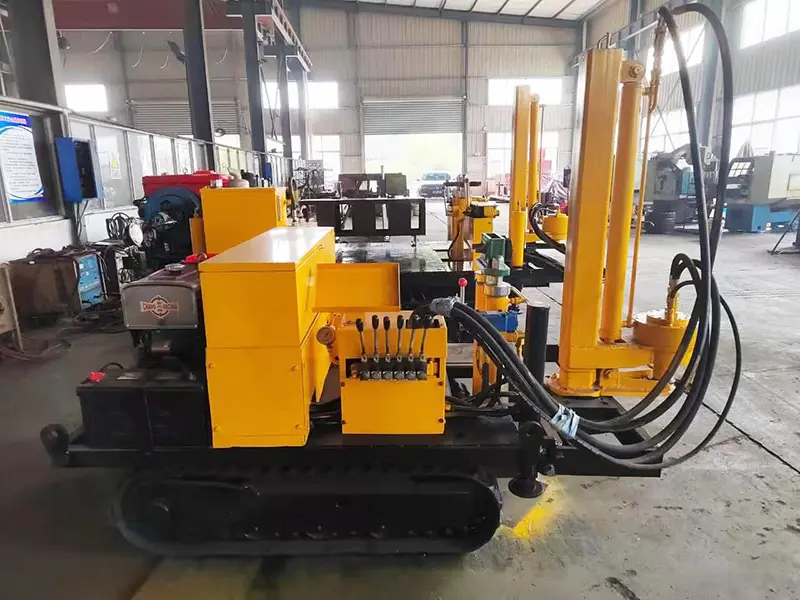
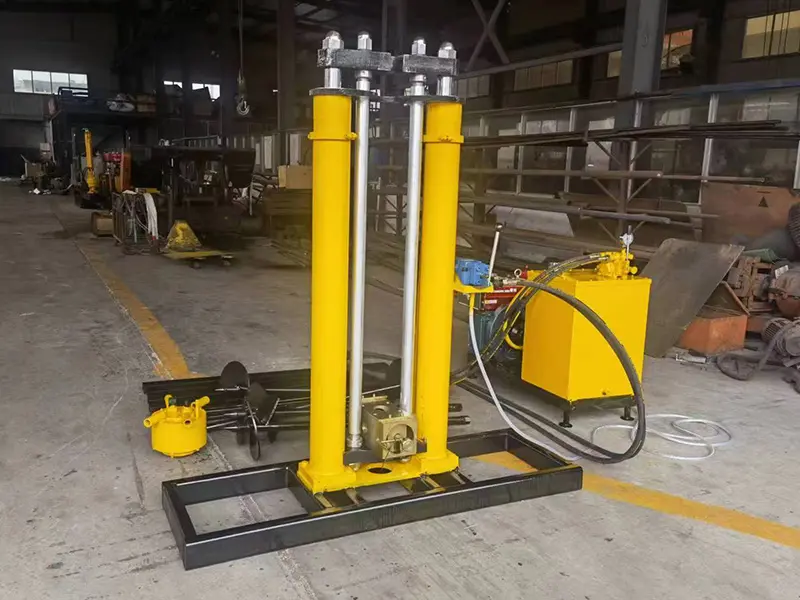
Equipped with state-of-the-art CNC lathes, milling machines, grinding equipment, and welding workshops to guarantee precision craftsmanship.
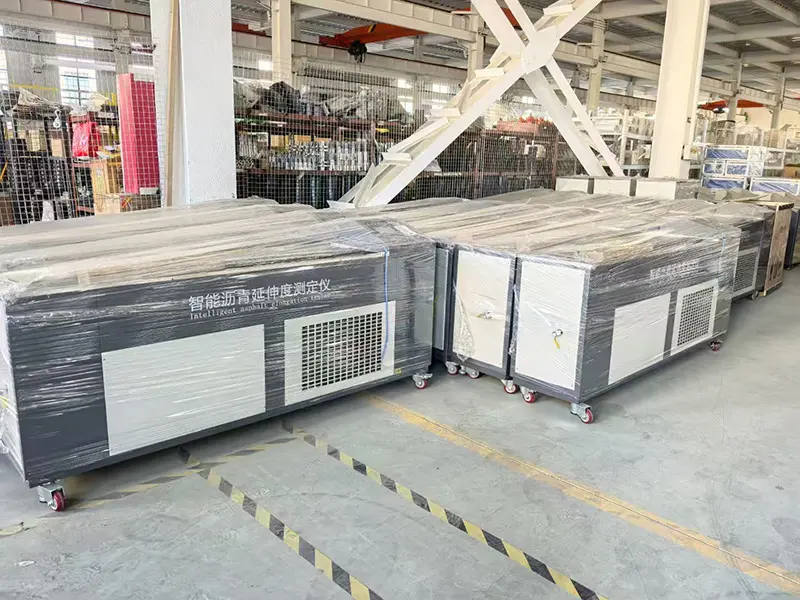
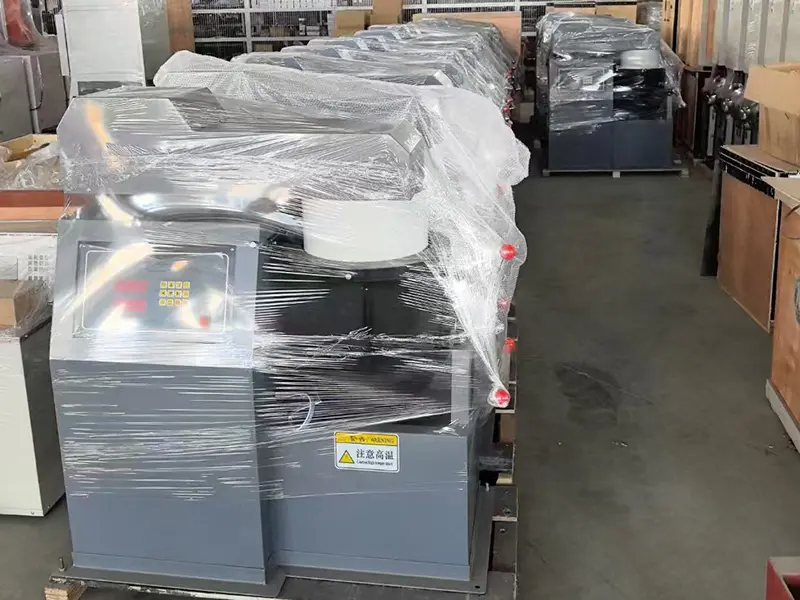
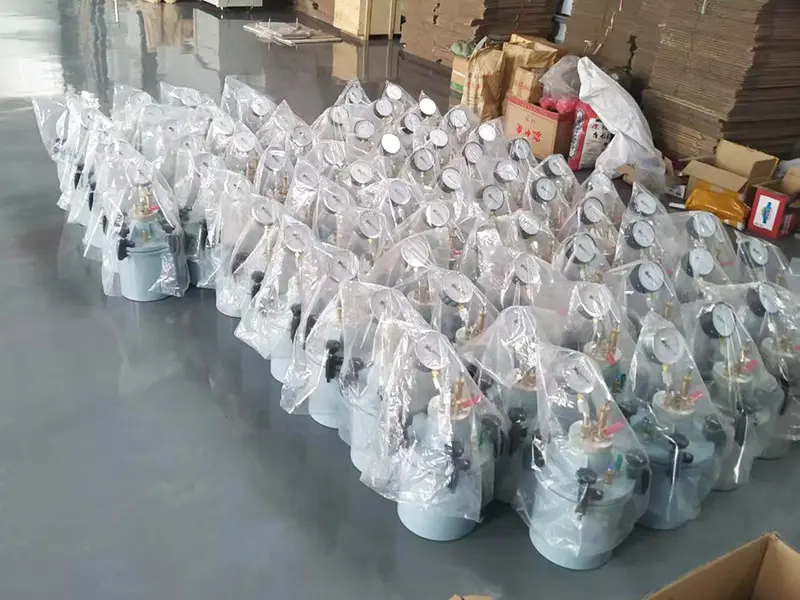
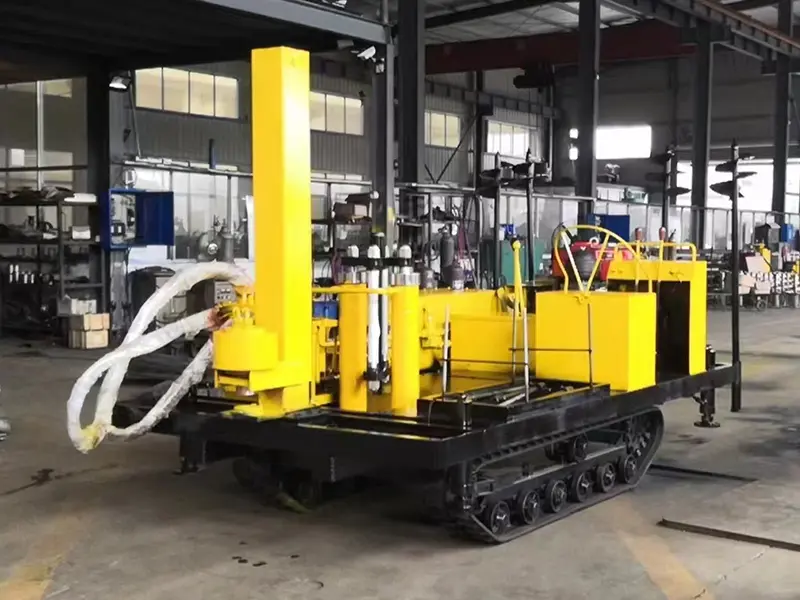
In-depth structural, design, and calibration answers compiled by Zealchon's senior engineering department.
A glance into upcoming innovations and research directions of Zealchon's engineering labs.
Our upcoming product lines feature direct wireless cloud synchronization. Field operators can stream shear curve graphics straight to technical offices, reducing documentation errors and expediting geo-technical approvals.
Incorporating smart calculation libraries to automatically calculate clay sensitivity coefficients and determine correction factors ($\mu$) based on field torque decay rates.
Developing lightweight, wear-resistant rod systems using high-entropy alloys. These rods increase bending resistance by up to 40% while reducing total field transport weight.
Find the right engineering instruments from our high-precision manufacturing lineup.
 Zealchon Electronic