 Zealchon Electronic
1 / 1
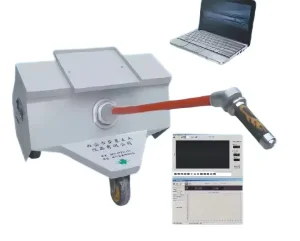
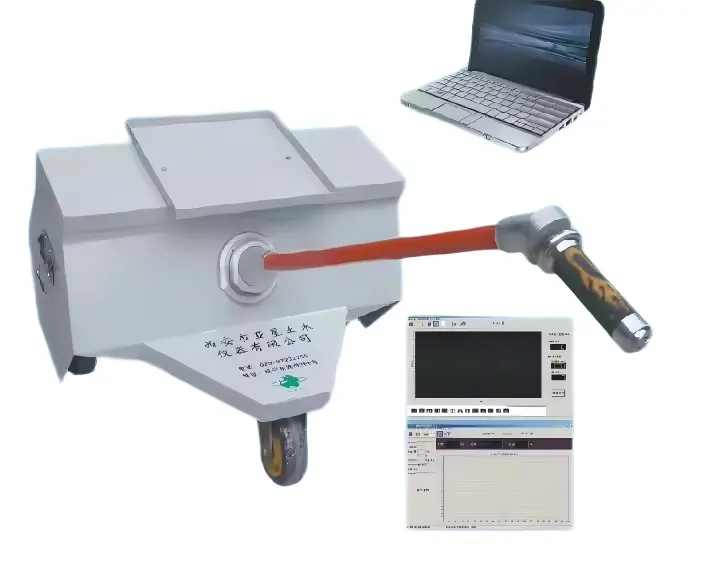
The operator pushes the equipment at a constant speed (usually 3-6km/h), and the laser sensor continuously collects road elevation data.
IMU real-time corrects angle deviation caused by hand push shaking or uneven ground.
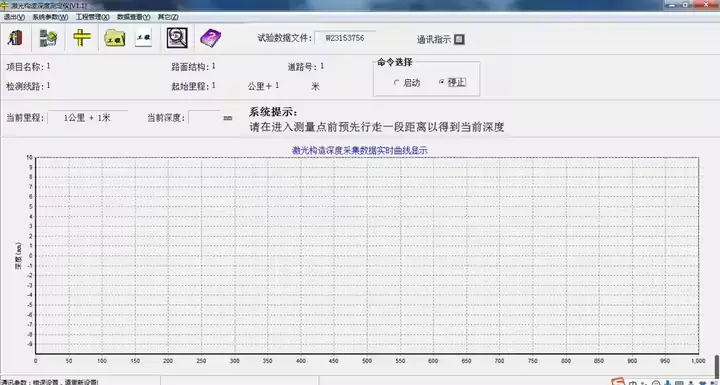
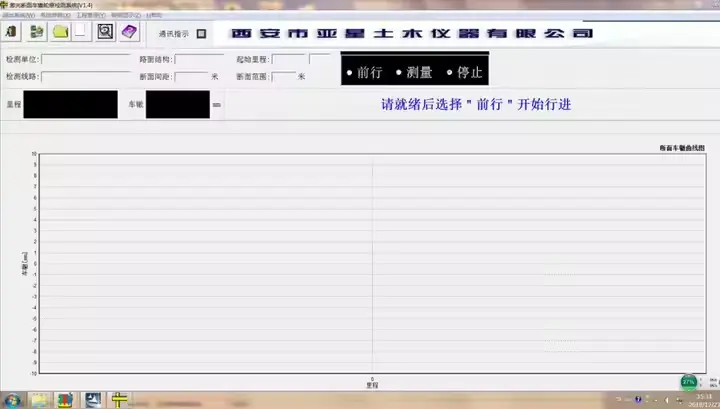
The built-in software automatically calculates the flatness index, and some devices can generate cross-sectional curve graphs or defect markers.
Portable and flexible: lightweight (usually 10-30kg), suitable for inspection in narrow areas such as bridge joints and underground garages.
Ultra high precision: In static measurement mode, it can reach micrometer level and is suitable for laboratory or precision construction (such as high-speed rail track plates).
Low cost: No need for vehicle modification, maintenance costs are lower than in car systems.
Human computer interaction friendly: Some models support touch screen operation and on-site report generation.
| Detection speed | 20 km/h - 100 km/h |
| Continuous measurable distance | > 50 km |
| Minimum sampling interval | 10 mm |
| Sensor precision | 0.1 mm |
| The number of operators | 1-2 people |
| Operating temperature | 0 ℃ to 50 ℃ |
| System power supply | DC 12 V |
| Laser sensor clearance | 100 mm (testing) |
| Detection range: TRI | 0-100 m (customizable) |
| Test repeatability | Deviation factor: CV < 3% |