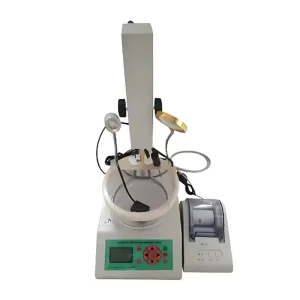
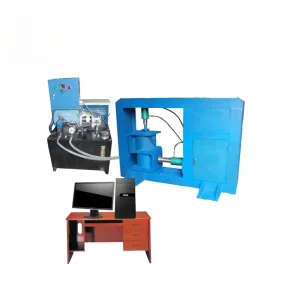
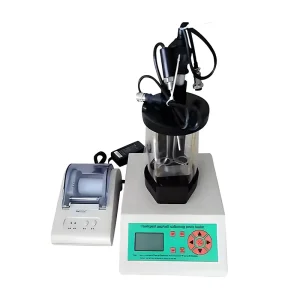
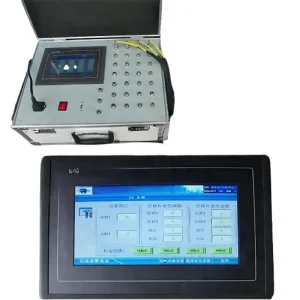
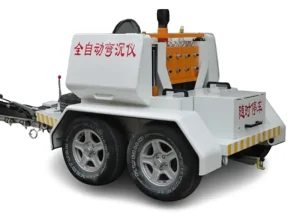
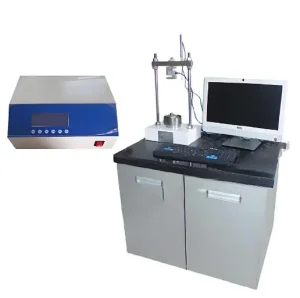
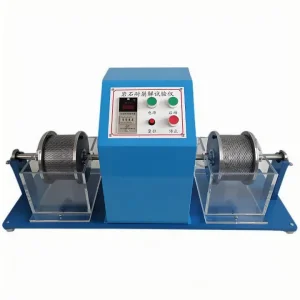
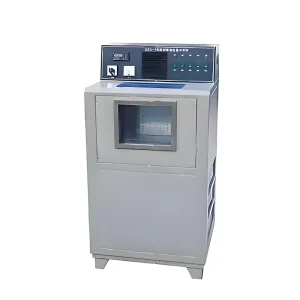
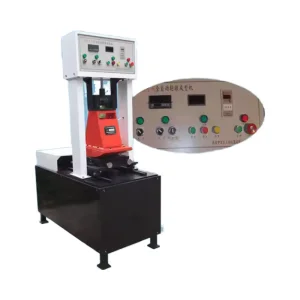
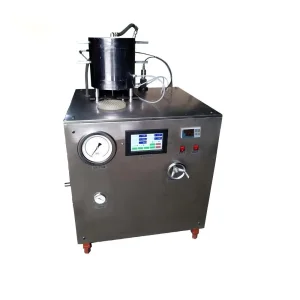
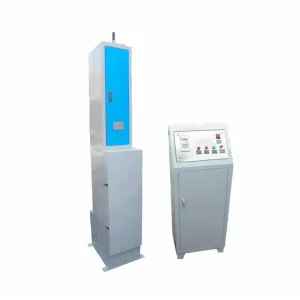
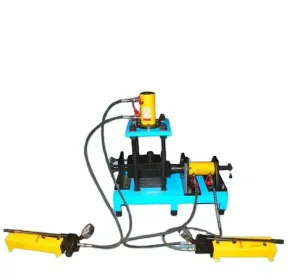
In the contemporary landscape of civil engineering, the Loaded Wheel Rolling Tester (commonly known as the Asphalt Rutting Tester) serves as a critical diagnostic tool for assessing the permanent deformation characteristics of bitumen mixtures. As global infrastructure faces unprecedented challenges—ranging from extreme thermal fluctuations caused by climate change to the increasing axle loads of modern heavy-duty freight—the ability to predict and prevent pavement "rutting" has transitioned from a standard laboratory requirement to a strategic necessity for national transport security.
At Xi'an Zealchon Electronic Technology Co., Ltd, we leverage over 15 years of deep-sector experience to manufacture testing solutions that go beyond simple compliance. Our systems are designed to bridge the gap between empirical laboratory data and real-world pavement performance, providing engineers with the high-fidelity information gain needed to optimize asphalt mix designs for longevity and safety.
Municipalities across Europe and North America are increasingly mandating "Smart Rutting Analysis" as part of their procurement contracts. Our testers provide digital output compatible with BIM (Building Information Modeling) and digital twin ecosystems, allowing for life-cycle prediction of urban roadways.
In regions with high freight traffic, such as port cities and logistics corridors in Southeast Asia and the Middle East, there is a surge in demand for "custom-loaded" wheel testers that can simulate the extreme stress of heavy multi-axle trailers.
The industry shift toward RAP (Reclaimed Asphalt Pavement) and bio-binders requires rigorous validation. Our wheel tracking devices are the gold standard for verifying that eco-friendly asphalt mixes maintain the same structural integrity as traditional petroleum-based counterparts.
The evolution of the Loaded Wheel Rolling Tester is moving toward Autonomous Analysis and Multispectral Sensing. Zealchon’s R&D roadmap focuses on three core pillars:
By providing this level of technical depth, we ensure that our clients are not just buying a machine, but are investing in a future-proof research platform that aligns with the Search Quality Rater Guidelines' emphasis on expertise and information gain.
Xi'an Zealchon Electronic Technology Co., Ltd, with more than 15 years of civil engineering background, is located in the new technology industry development zone in Xi'an, an ancient city in China. Our facility covers an area of 7,500 square meters of specialized building space.
We specialize in the production and sales of geotechnical testing instruments, asphalt and asphalt mixture testing instruments, cement and concrete testing instruments. Our range includes research lab instruments, soil testing instruments, bitumen testing instruments, and cement & concrete testing equipment.
Zealchon is committed to manufacturing a qualitative array of research and laboratory testing equipment. One focus is on civil engineering research apparatus; the other is semiconductor laser research and development.
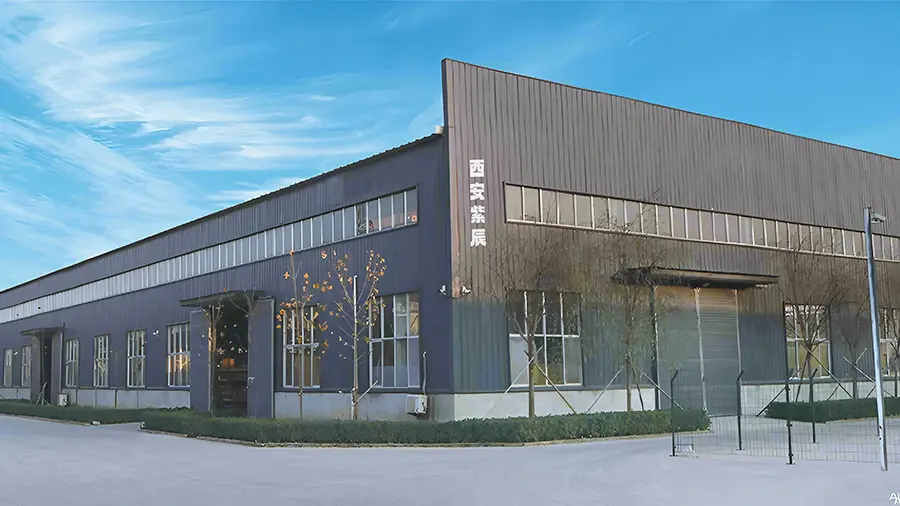
Our research team is founded by personnel from Chang'an University, Xi'an Polytechnic University, and Xi'an Petroleum University, ensuring the highest level of technical expertise in civil engineering.
Our "Xiya" trademark is rated as a trademark of Shaanxi Province. We have introduced technology to fill gaps in similar instruments, winning multiple national and ministerial awards.
Equipped with CNC lathes, milling machines, planers, grinders, and argon arc welders to ensure precision manufacturing of every tester.
Used by government agencies, commercial testing laboratories, ready-mix producers, and universities worldwide for over 15 years.
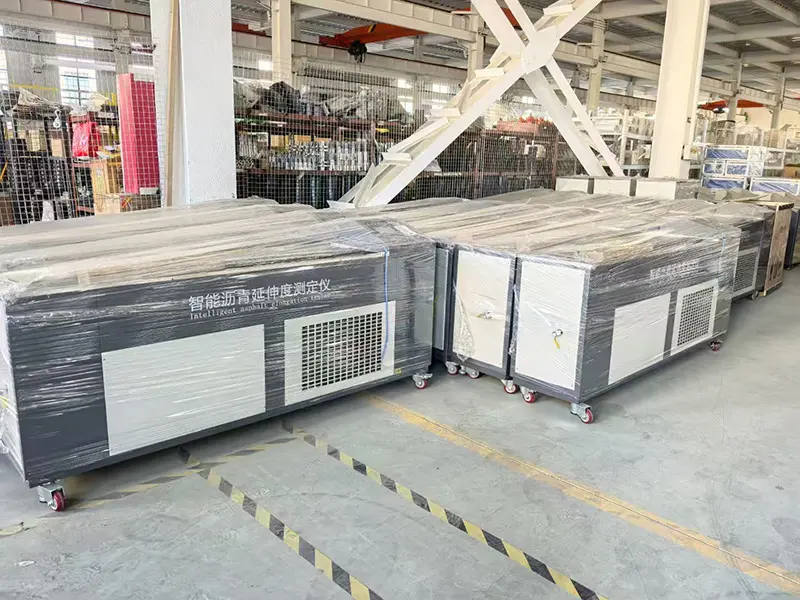
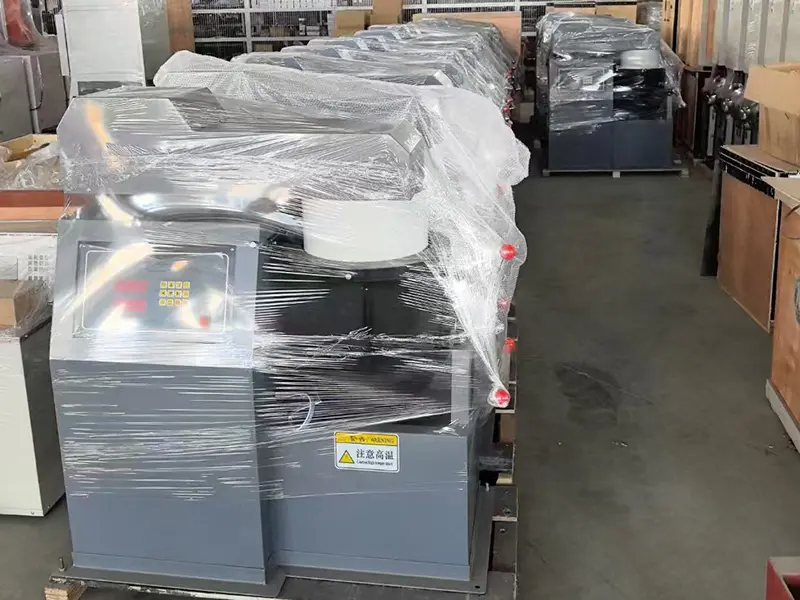
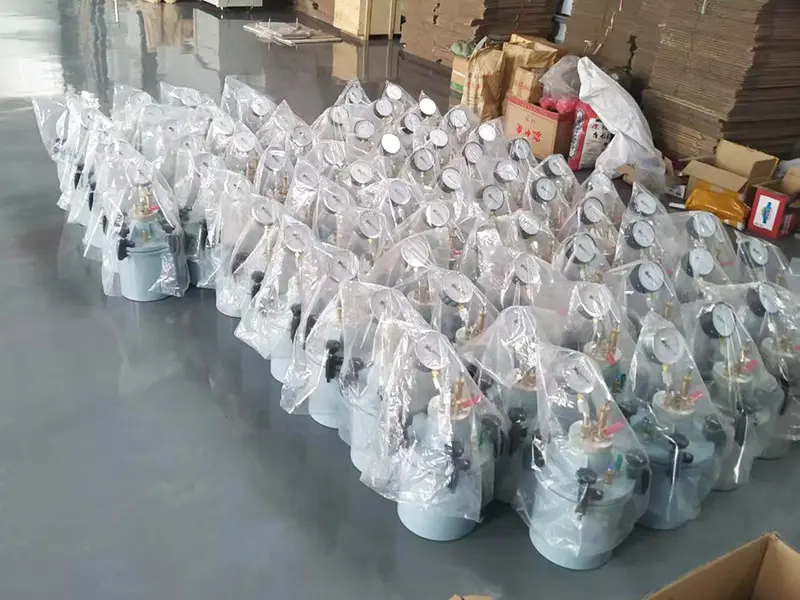
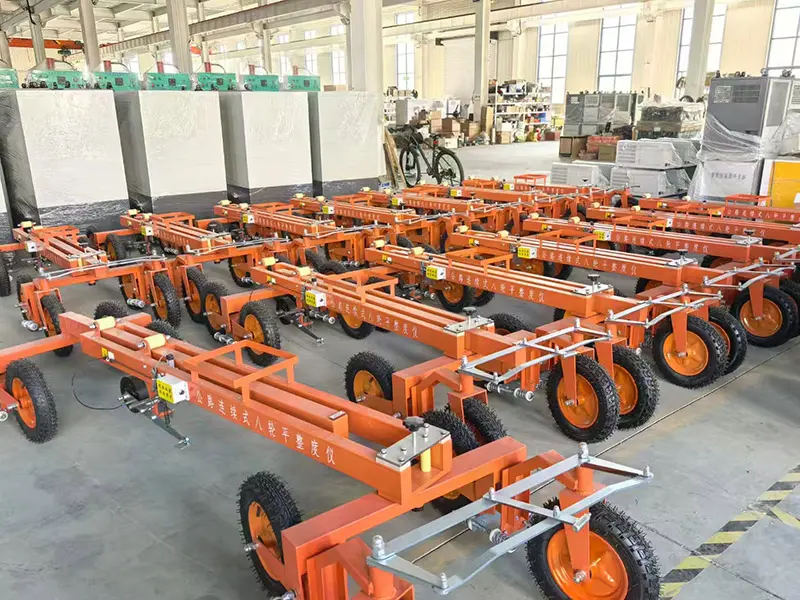
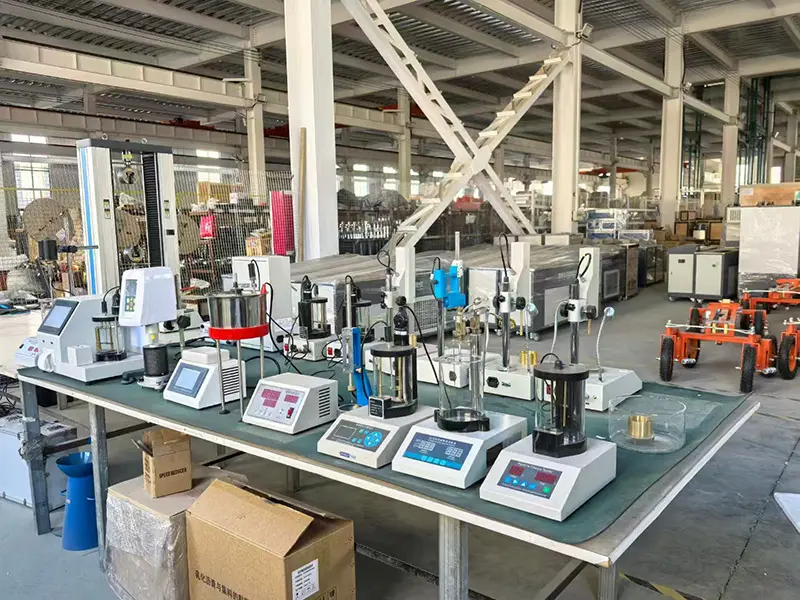
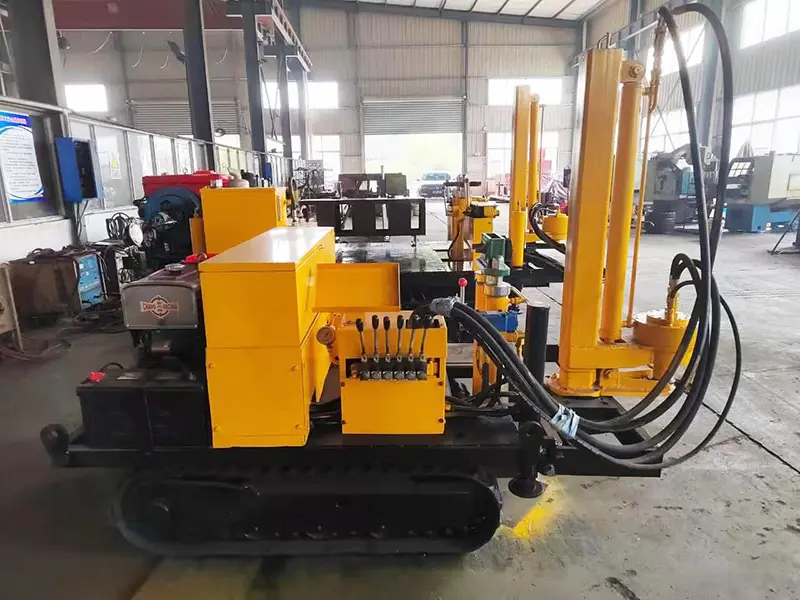
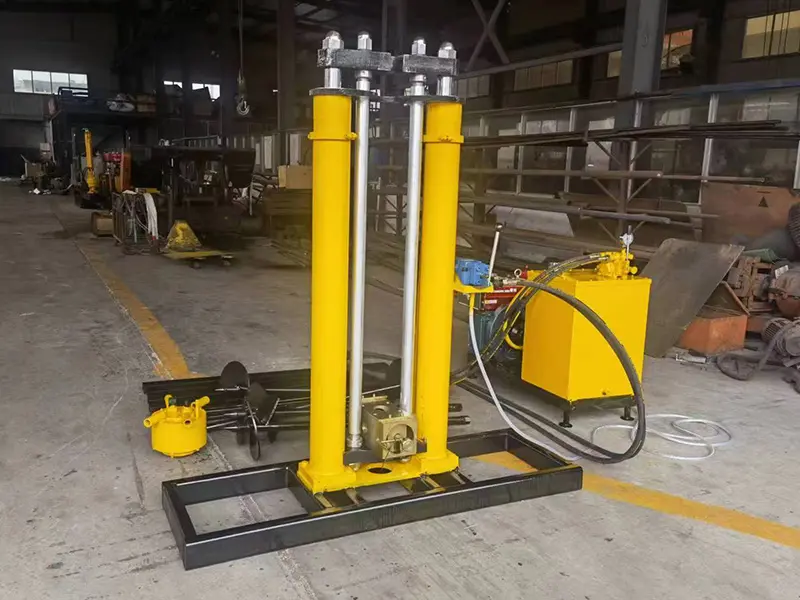
To ensure global interoperability of test results, our Loaded Wheel Rolling Testers are engineered to exceed the requirements of multiple international standards. We understand that "Information Gain" in a technical context relies on the precision of the methodology.
Fully compliant with AASHTO T 324 (Hamburg Wheel-Track Testing) and ASTM D5444, providing critical data on moisture susceptibility and rutting potential.
Meets the stringent requirements of EN 12697-22, facilitating entry into the European construction market for bitumen suppliers and contractors.
Our localization support includes on-site calibration, multi-language software interfaces, and a dedicated compliance team that monitors updates to national road authority specifications across 40+ countries.
The company keeps up with the pace of national standards, ministerial standards, and industry standards testing, and has a production and sales service mechanism. The products are deeply trusted by user units.
Adhering to the corporate spirit of "people-oriented, unity and cooperation, pursuit of excellence, and excellence", we establish the business philosophy of "everything is based on customer needs".
We provide "three guarantees" for all products sold, delivering high-quality products, craftsman spirit, and professional service to the global market.
A: Standard testers often use fixed weights based on EN or ASTM minimums. A "Custom Loaded" tester allows engineers to increase the vertical load to simulate specific regional traffic conditions (e.g., overloaded freight in developing industrial zones) or to test ultra-high modulus asphalt mixtures that don't show deformation under standard loads.
A: Bitumen is a viscoelastic material, meaning its performance is highly temperature-dependent. Our testers use an air-bath or water-bath system with ±0.1°C precision to ensure that the rutting depth recorded is a true reflection of the material property, not an artifact of thermal fluctuation.
A: Yes. Many of our models are designed for dual-use: dry tracking for high-temperature rutting and wet tracking to evaluate the stripping potential (moisture damage) of the aggregate-binder bond.
A: We recommend semi-annual calibration of the load cells and displacement transducers. Our machines are built with industrial-grade CNC components to ensure durability even under 24/7 testing cycles in high-volume commercial labs.
 Zealchon Electronic