Determining the bearing capacity of soft saturated clays is a critical challenge in modern civil engineering. The Shear Vane Test (SVT) has long been the gold standard for measuring the undrained shear strength (Su) of cohesive soils in-situ. As a leading OEM Shear Vane Test Bearing Capacity Manufacturer, Xi'an Zealchon Electronic Technology Co., Ltd. integrates decades of geotechnical expertise with cutting-edge sensing technology.
Our instruments provide significant Information Gain by reducing the uncertainty associated with soil disturbance during sampling. By performing tests directly within the borehole or at the surface, engineers can obtain a highly accurate profile of soil strength, essential for the design of foundations, embankments, and offshore structures.
Leading the transition from mechanical torque measurement to AI-driven digital analysis.
Moving away from subjective manual dial readings, our new generation of testers utilizes high-precision strain gauge torque transducers. This ensures data repeatability and eliminates human error in reading peak torque values.
Future-ready SVT systems now feature Bluetooth and 5G connectivity, allowing field data to be uploaded instantly to a cloud-based GIS platform. This enables real-time bearing capacity verification by off-site senior consultants.
By leveraging big data from thousands of soil profiles, our upcoming AI modules will predict the "Sensitivity" of the clay (the ratio of undisturbed to remolded strength) automatically during the test cycle.
In maritime infrastructure, understanding the shear strength of marine sediments is vital. Our Shear Vane Test equipment is optimized for deep penetration and corrosion resistance, providing critical data for offshore wind farm foundations.
Soft soil consolidation can lead to differential settlement in railway tracks. Our testers help determine the optimal bearing capacity for soil improvement techniques like PVD (Prefabricated Vertical Drains) or cement mixing.
Safety in mining depends on the stability of tailings dams. Periodic SVT monitoring allows site managers to assess the strength gain of tailings over time, preventing catastrophic slope failures.
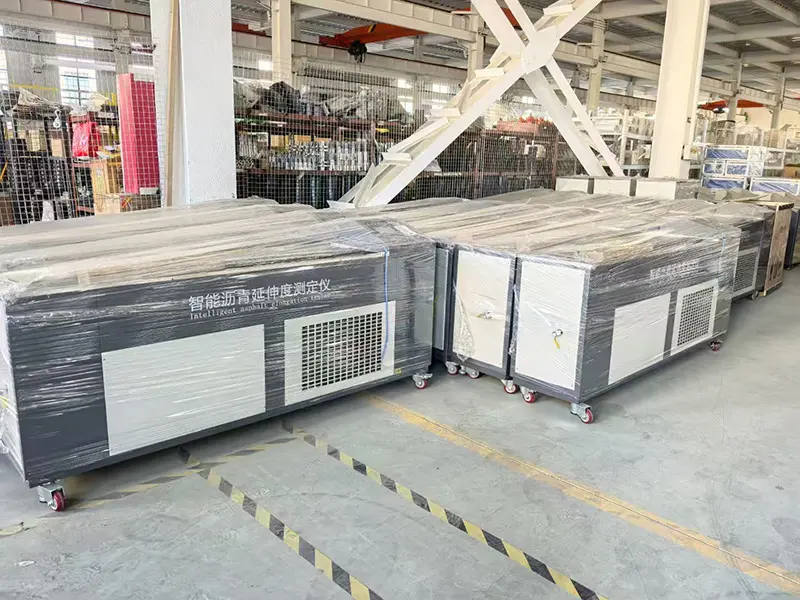
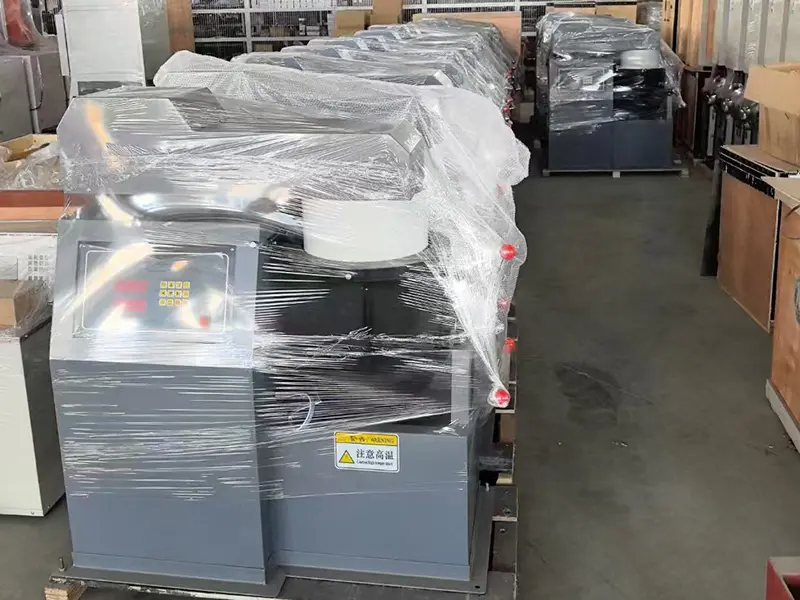
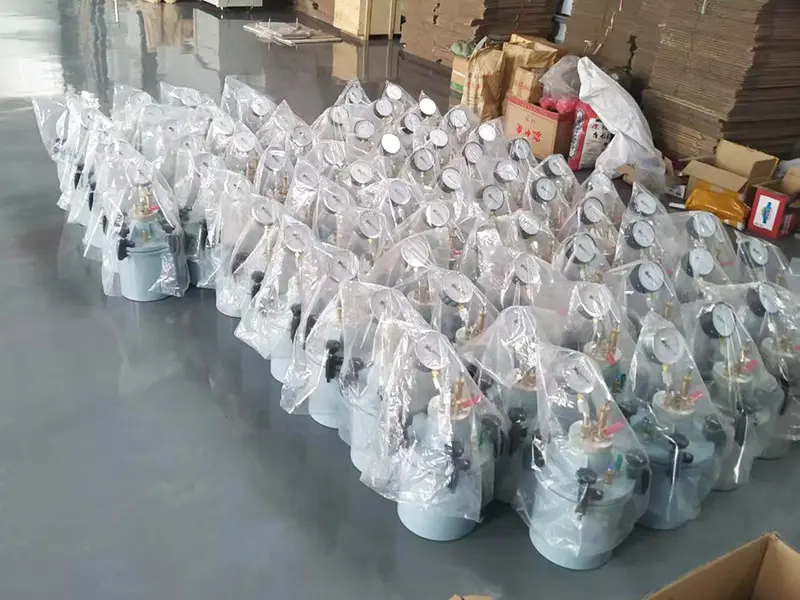
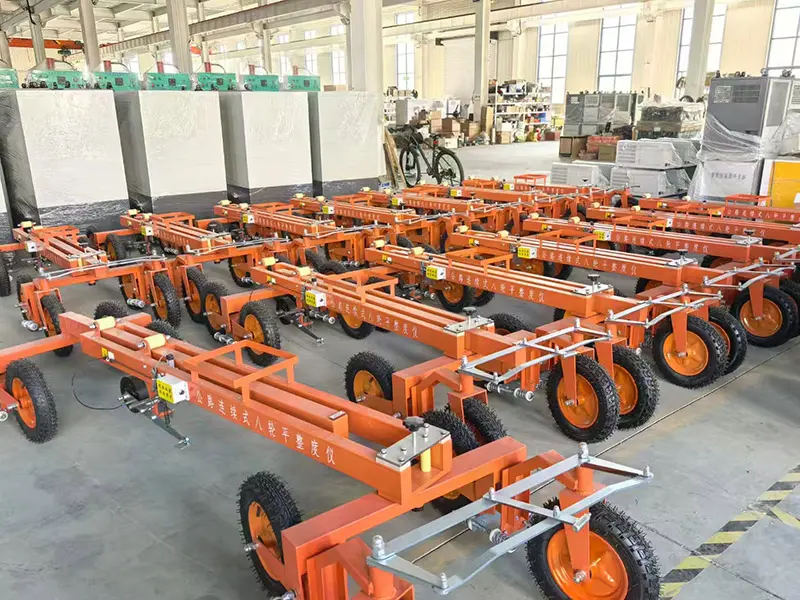
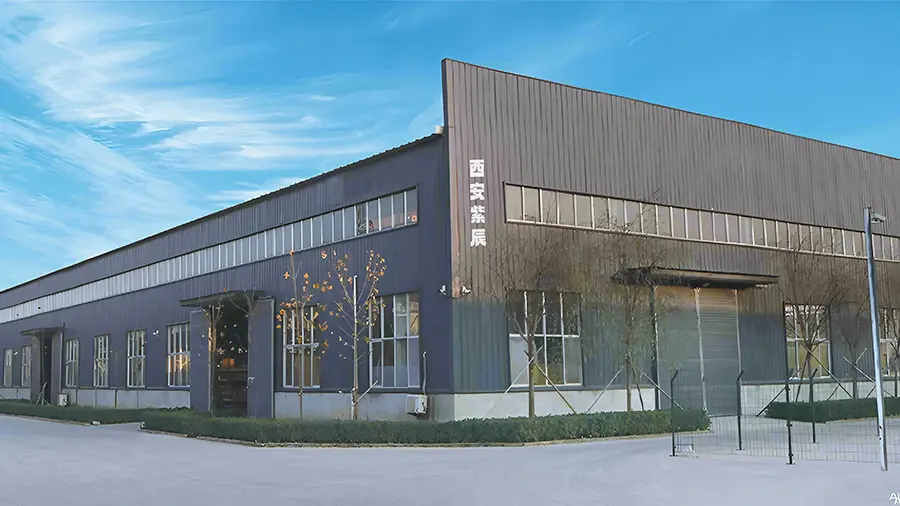
Located in the new technology industry development zone of Xi'an, Zealchon operates a high-tier manufacturing center equipped with CNC lathes, milling centers, and advanced welding robotics. This is not just a factory; it is a hub of supply chain resilience.
Our "Factory 4.0" approach integrates vertically from raw material sourcing to final calibration. This ensures that every Shear Vane Test Bearing Capacity instrument meets international standards while maintaining the price-performance ratio that global suppliers demand.
Ensuring your geotechnical data is valid across every border.
Our instruments are strictly designed to meet the Standard Test Method for Field Vane Shear Test in Cohesive Soil, ensuring your results are accepted by international regulatory bodies.
For European and British Commonwealth projects, we provide specific vane geometries and torque correction factors compliant with EN ISO 22476-9 and BS 1377-9.
Each unit is delivered with a traceable calibration certificate, ensuring the highest level of Reliability (Trustworthiness) for your engineering reports.
Built on 15 years of civil engineering excellence.
The "Xiya" trademark is a recognized symbol of quality in Shaanxi Province, developed in collaboration with top researchers from Xi'an University of Technology and petroleum universities.
Our machines are used worldwide by government agencies, commercial testing laboratories, and top-tier contractors, proving our performance in diverse climatic conditions.
Beyond geotechnical tools, we specialize in semiconductor laser R&D and asphalt testing, providing a holistic engineering perspective that single-category manufacturers lack.
 Zealchon Electronic