Wholesale Soil Foundation Loading Fatigue Testing Machine Supplier, Quotes

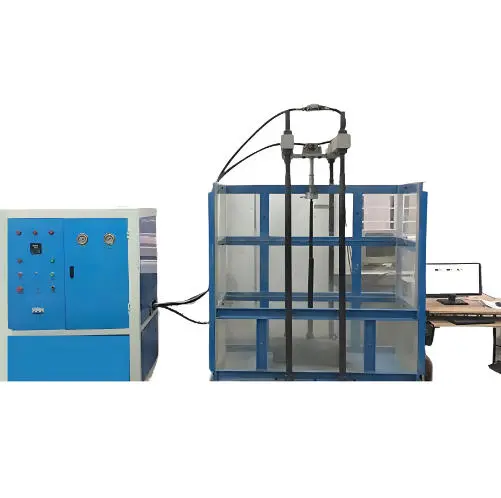
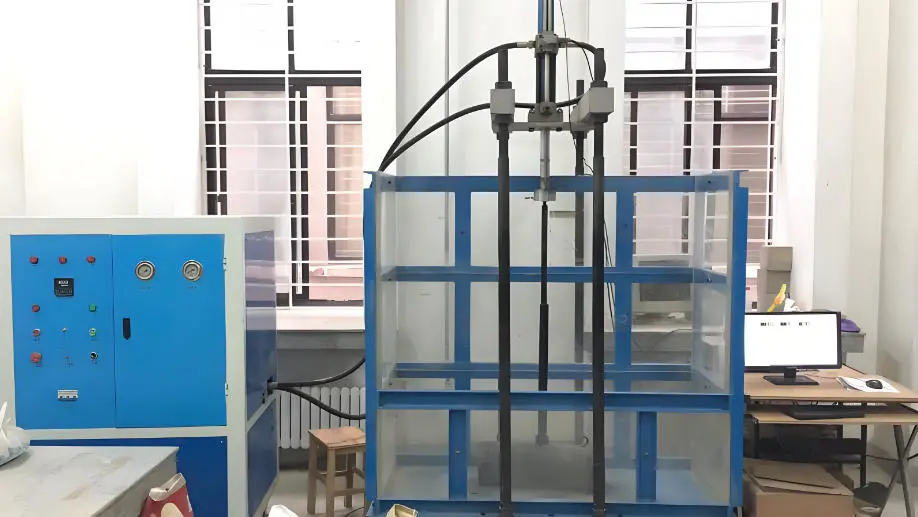
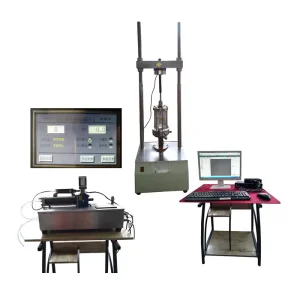
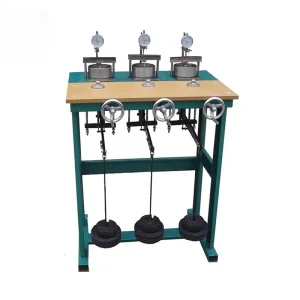
The soil foundation loading fatigue testing machine is used to simulate foundations, tunnels, and culverts. It simulates differential settlement of foundations and concrete components within them, as well as in-situ settlement deformation and slope sliding force deformation, according to the design requirements of municipal infrastructure projects such as highways, railways, subways, and water conservancy projects. It can control settlement and achieve uneven settlement. The testing equipment includes a fixed plate, settlement plate, reaction frame, data acquisition instrument, and pressure-displacement sensor.

Product Description

Purpose and Scope of Application

The soil fatigue testing device includes a fixed plate and settlement plate, a reaction frame, a data acquisition instrument, and a pressure-displacement sensor.
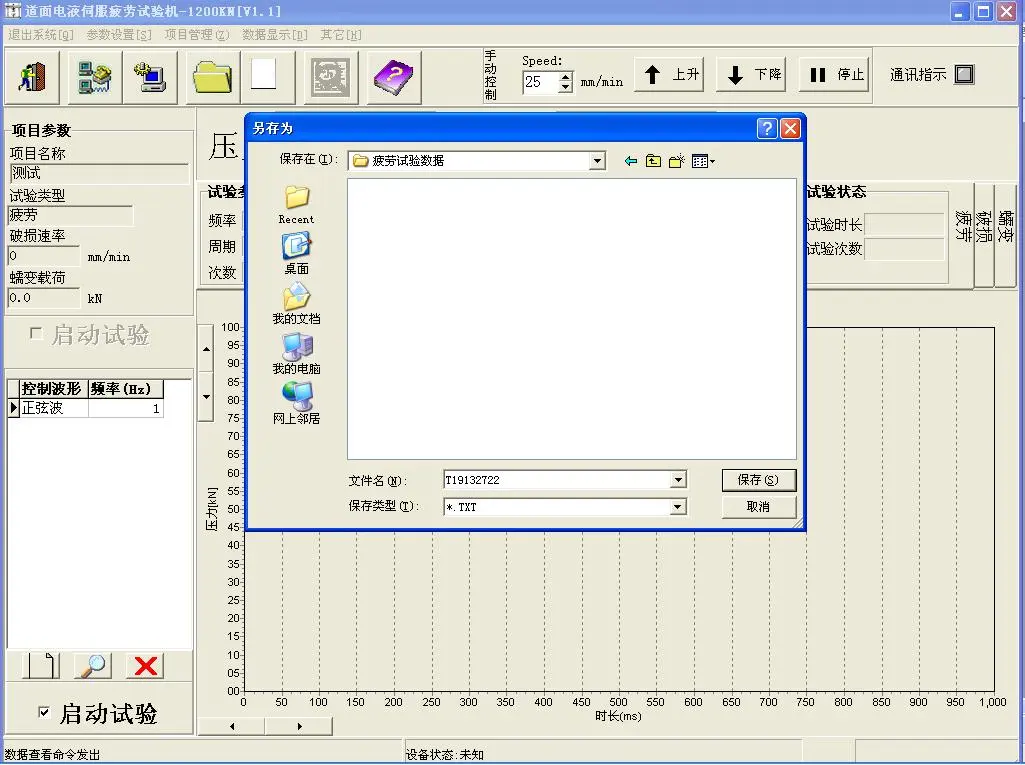
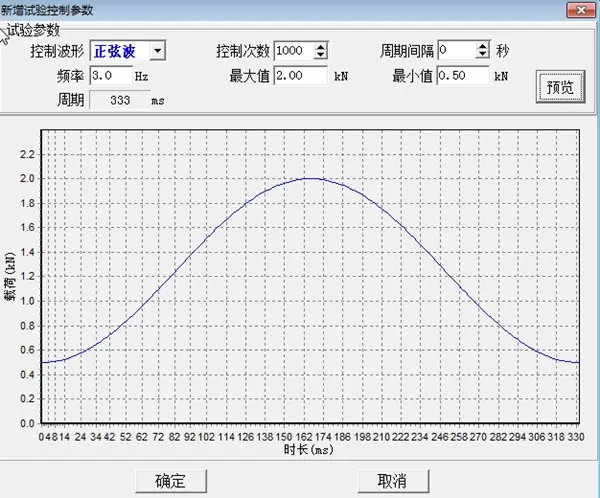
The fatigue testing machine can control and conduct various dynamic and static mechanical property tests. The self-contained software communicates with the control system. While controlling the test system, it also plots cyclic and static force test curves and independently manages various test functions, including data storage and test report printing.
Common testing software is divided into static force testing and cyclic force testing. Static force testing is further divided into damage testing and creep testing. Cyclic force testing is divided into load cyclic force testing and constant displacement cyclic testing. The test automatically stops after a breakage test results in failure; the fatigue test automatically stops after the set number of tests is reached.
Manual control is available at any time. This function allows for manual adjustment of the cylinder position and is used during test installation, emergency shutdown, and equipment commissioning.

TECHNICAL PARAMETERS

I. Loading System and Static and Dynamic Servo Cylinders
Soil Test Chamber: 1.5m L x 0.8m W x 1.5m H (customizable)
Crossbeam Vertical Movable Range: 1000mm
Servo Actuator Stroke: 210mm
Ascending/Lowering Rates: 0.1mm/min to 100mm/min
Servo Actuator Maximum Output: 100 kN
Force Sensor Ranges: 5 kN / 50 kN / 100 kN (Class 1)
Cylinder Displacement Accuracy: 0.01 mm
Dynamic Cylinder Amplitude: 0.02-0.5 mm
II. Servo Oil Source
Rated Working Pressure: 0-31.5 MPa
Power Supply: 380V; Frequency: 50Hz
Motor Power: 37kW; Speed: 1470r/min
Cooling Power: 2000W; Voltage: 220V
Max Pump Output Flow: ≥100L/min
Dimensions: 1300mm × 1200mm × 1750mm
III. Fatigue Test Loading Parameters
Static Full Force: 100kN / Dynamic: 50kN
Test Frequency Range: 0.1Hz–25Hz
Main Test Waveform: Sine Wave
Loading Rate: 0.001kN/s–30kN/s
Specimen Deformation Accuracy: 0.001mm
Continuous Vibration Ranges: 13 Stages

Frequently Asked Questions

What types of mechanical property tests can this device perform?
The device is capable of conducting both dynamic and static mechanical property tests, including damage testing, creep testing, load cyclic force testing, and constant displacement cyclic testing.
How does the automatic stop function work during fatigue testing?
The system features an intelligent control that automatically stops the test once the predefined number of cycles is reached or if the specimen undergoes breakage failure during a static test.
Can the soil test chamber be customized for specific project needs?
Yes, while the standard dimensions are 1.5m x 0.8m x 1.5m, the soil test chamber dimensions are fully customizable to meet specific laboratory requirements.
What is the maintenance requirement for the hydraulic oil source?
It is recommended to use YH-10 aviation hydraulic oil. For optimal performance, the oil should be replaced after every 1500 hours of continuous operation.
What is the maximum frequency and force for dynamic testing?
The device supports a dynamic test frequency range from 0.1Hz to 25Hz with a dynamic full force capacity of up to 50kN.
Is manual adjustment possible during equipment setup?
Yes, manual control is available at any time to adjust the cylinder position, which is particularly useful during test installation, commissioning, and emergency situations.

Related Products