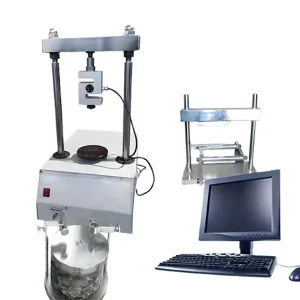
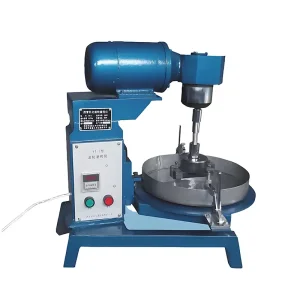
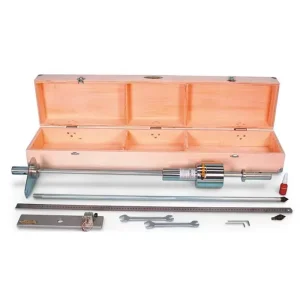
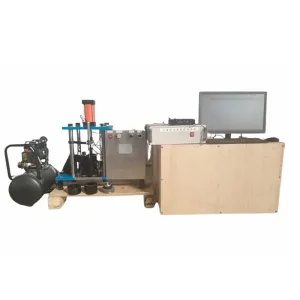
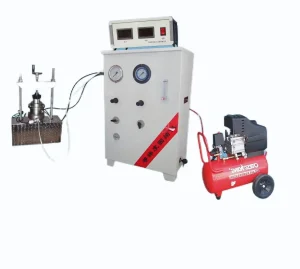
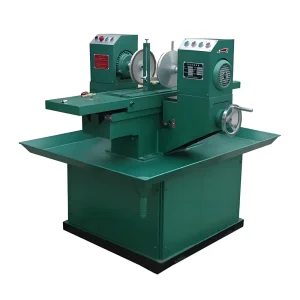
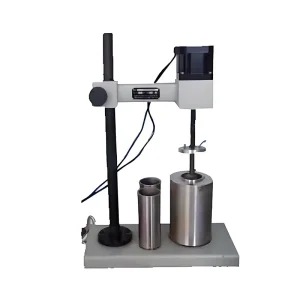
In the modern era of civil engineering, the Dynamic Shear Rheometer (DSR) test procedure has transitioned from a specialized laboratory exercise to a global standard for highway durability. As urbanization accelerates and climate change imposes extreme thermal stresses on road infrastructures, the demand for Wholesale Dynamic Shear Rheometer solutions from reliable manufacturers has reached an all-time high. This white paper explores the intricate technicalities of DSR procedures, the integration of Industry 4.0 in manufacturing, and the future of asphalt binder characterization.
Utilized primarily for Superpave Performance Grading (PG), the DSR measures the viscous and elastic properties of asphalt binders at medium to high temperatures. By applying a sinusoidal shear stress, the DSR provides critical data on the complex shear modulus (G*) and the phase angle (δ), which are essential for predicting rutting and fatigue cracking resistance.
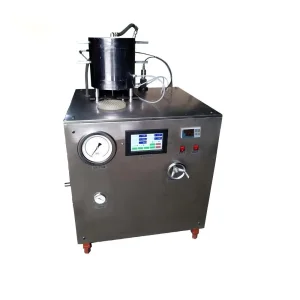
The procedure begins with heating the asphalt binder until it is fluid enough to pour. Precise temperature control is vital; overheating can lead to premature aging. The sample is placed between two parallel plates. Our advanced DSR systems feature Peltier heating/cooling technology to ensure thermal equilibrium within ±0.1°C, meeting ASTM D7175 and AASHTO T315 standards.
An oscillating motor applies a torque to the sample. In wholesale industrial applications, high-throughput labs require automated gap setting. The rheometer measures the resulting strain. For unaged binders, an 8mm or 25mm plate geometry is typically used depending on the expected stiffness. The system calculates G*/sin(δ) to assess rutting resistance for original and RTFO (Rolling Thin Film Oven) aged binders.
The AI-integrated software in modern Zealchon rheometers captures real-time waveforms. The "Information Gain" here lies in the software's ability to perform Master Curve construction automatically, allowing engineers to predict long-term performance across a vast spectrum of traffic speeds and temperatures.
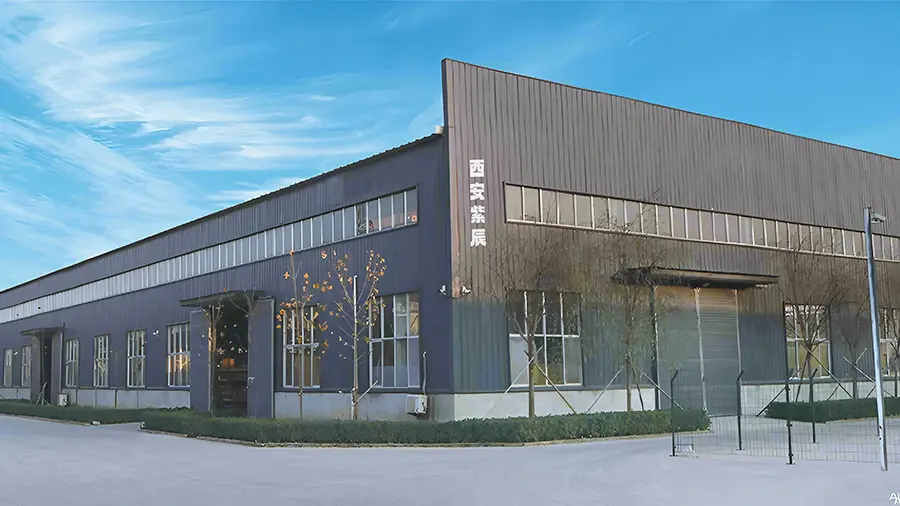
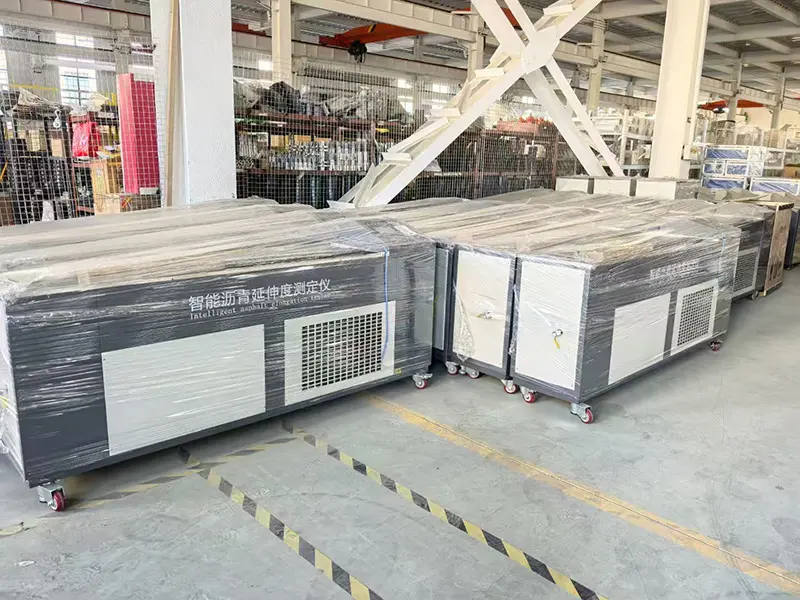
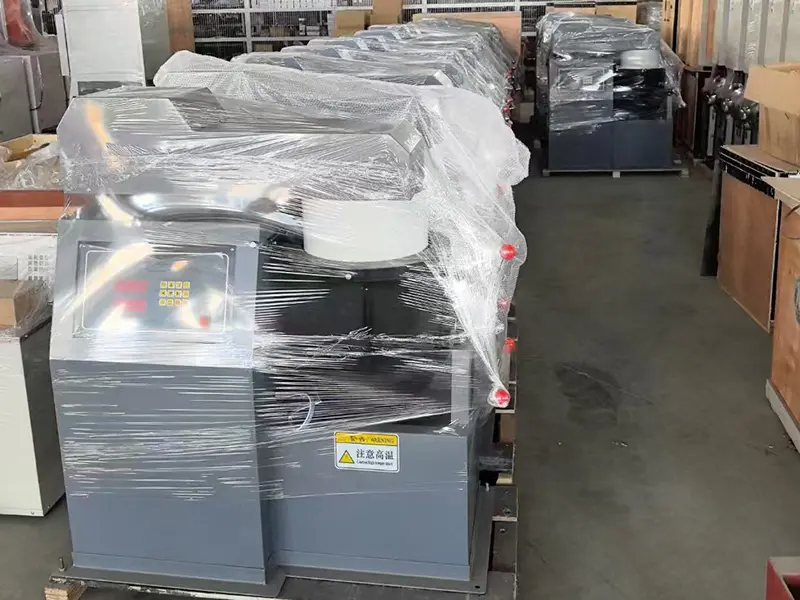
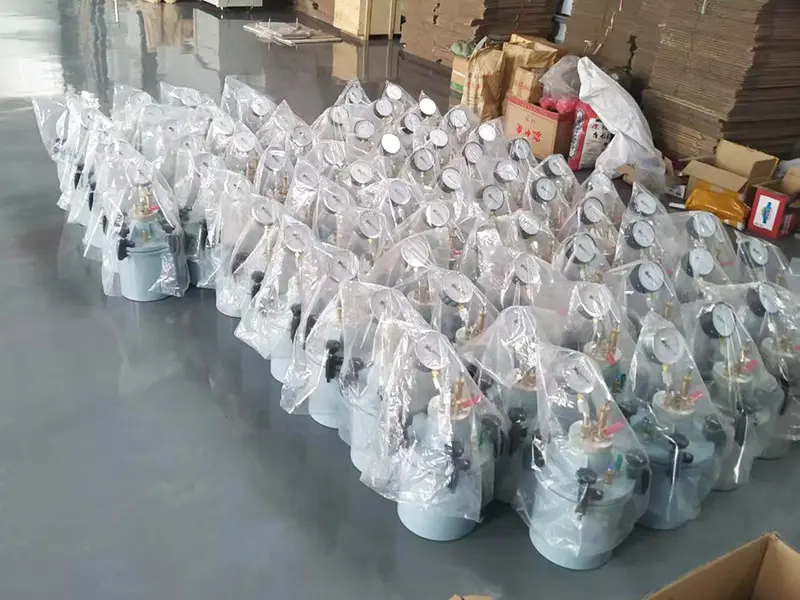
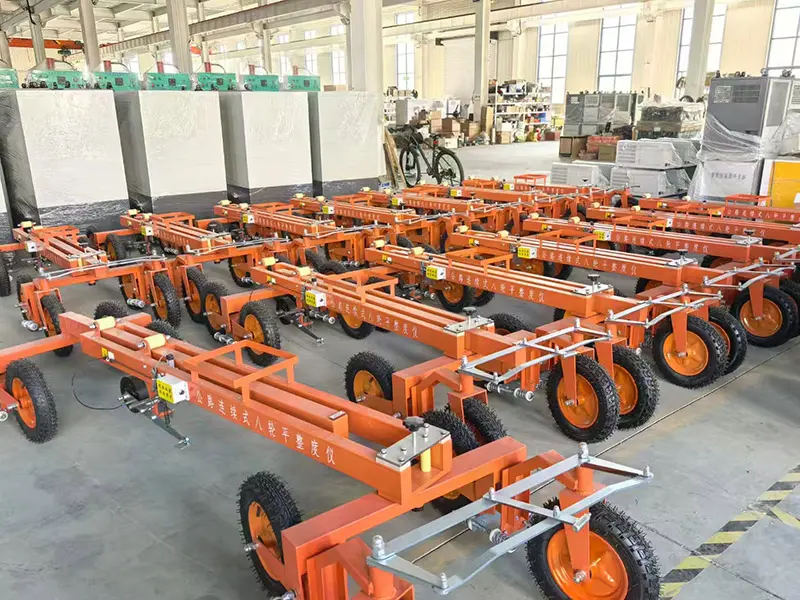
Located in the Xi'an High-Tech Industrial Zone, Xi'an Zealchon Electronic Technology Co., Ltd represents the pinnacle of "China Factory 4.0." With over 7,500 square meters of production space, we integrate CNC machining centers, precision milling, and automated welding to ensure that every DSR unit meets rigorous international benchmarks.
Our DSR test procedures are critical for evaluating Crumb Rubber Modified (CRM) asphalt and Warm Mix Asphalt (WMA). By providing precise rheological profiles, we help global contractors reduce carbon footprints through optimized material usage.
For airports and heavy-duty logistics hubs, standard PG grading isn't enough. Our equipment supports Multiple Stress Creep Recovery (MSCR) tests (ASTM D7405), identifying the non-recoverable compliance (Jnr) that signifies superior rutting resistance under extreme loads.
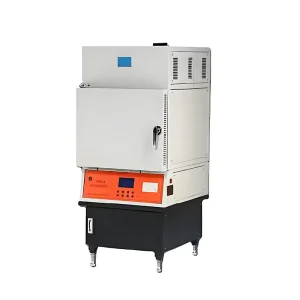
We provide full-stack solutions: from the Asphalt Binder Ignition Method Analyzer to the Dynamic Shear Rheometer. This ecosystem approach ensures that data from different stages of the supply chain is interoperable and reliable.
The future of bitumen testing lies in Predictive Analytics and Miniaturization. Zealchon is currently researching the following frontiers:
Integrating machine learning algorithms to predict PAV (Pressure Aging Vessel) results based on short-term DSR data, saving labs weeks of testing time.
Remote calibration and diagnostic features for wholesale clients, allowing our Xi'an-based engineers to support a lab in South America or Europe in real-time.
Developing sensors capable of measuring the molecular-level interactions within polymer-modified binders to design "self-healing" asphalt surfaces.
Xi'an Zealchon Electronic Technology Co., Ltd brings more than 15 years of civil engineering expertise. Based in the ancient tech hub of Xi'an, we bridge the gap between historical engineering wisdom and futuristic electronic precision. Our trademark, "Xiya", is a recognized symbol of quality in Shaanxi Province and beyond.
Our core advantage stems from our research team, composed of experts from Chang’an University, Xi’an Polytechnic University, and Xi’an Petroleum University. This academic backbone allows us to develop instruments that don't just follow standards—they set them. Our machines are used world-wide by government agencies, commercial testing laboratories, and top-tier contractors.
 Zealchon Electronic