 Zealchon Electronic
1 / 1
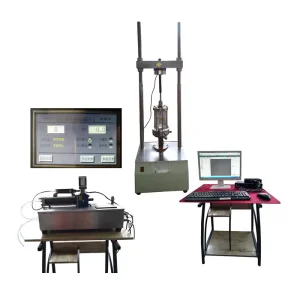
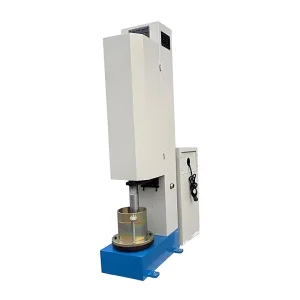
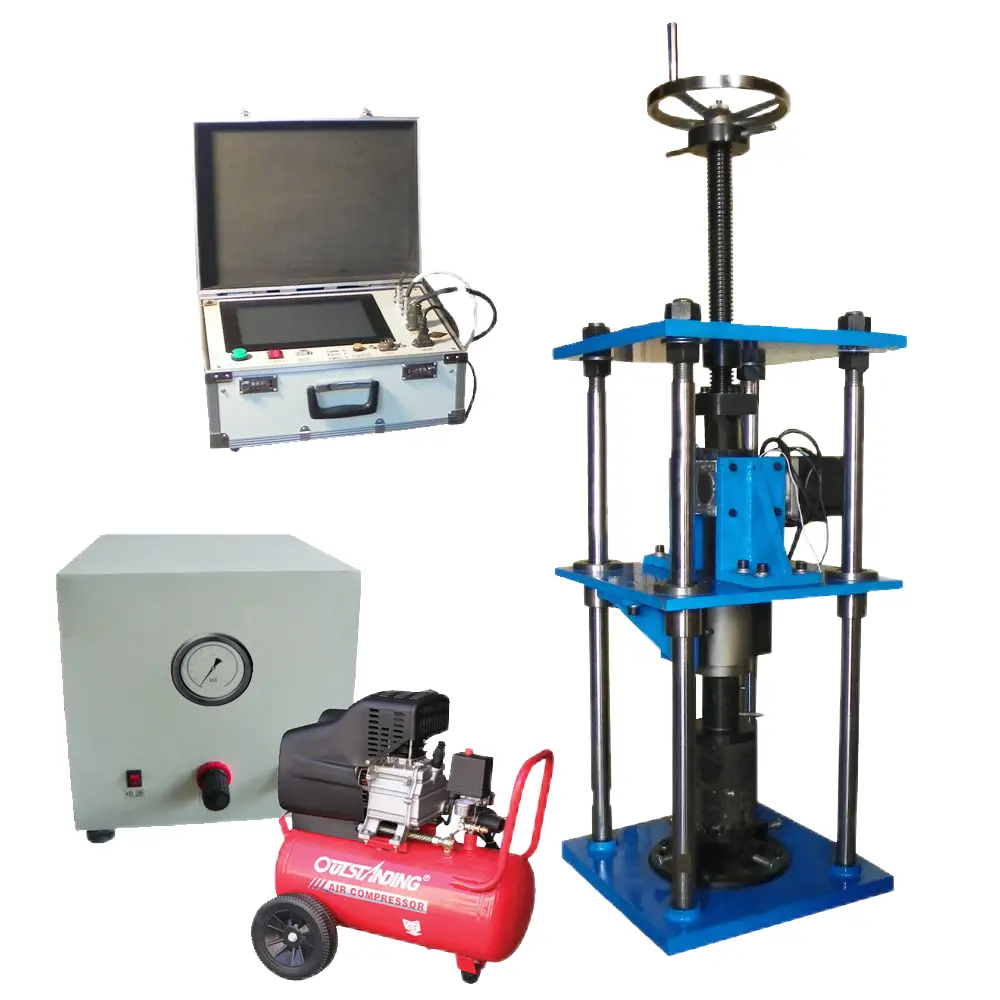
Cutting Box: The core component is a circular (concentric) structure, divided into upper and lower parts. The inner ring fixes the soil sample, and the outer ring rotates to apply shear force, achieving infinite shear displacement. Outer diameter: 10-20 cm; Inner diameter: 6-10 cm; Height: 1-5 cm.
Loading System: Vertical load via air pressure, hydraulic pressure, or weights to simulate burial depth pressure. Shear load is motor-driven with torque sensor records.
Measurement System: Includes displacement sensors for shear monitoring, pore water pressure sensors for saturated soil, and a real-time data acquisition system.
Control System: Adjustable shear rate (0.001-10 mm/min), normal stress control, and support for drained/undrained experimental modes.
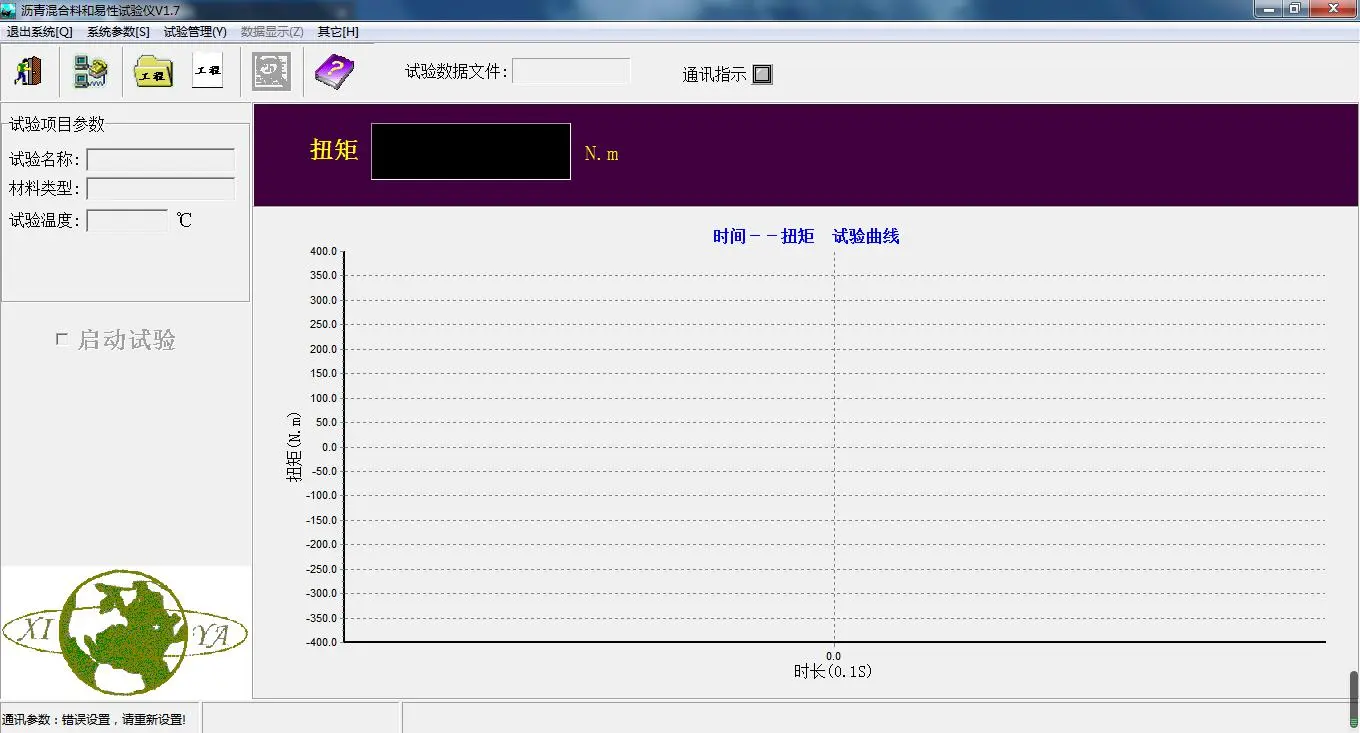
Key Parameters Monitored:
Geological Hazard Research: Evaluating the long-term stability of landslide sliding surfaces.
Soil Mechanics Research: Analyzing failure mechanisms of soft soils like clay and clay interlayers.
Engineering Design: Stability analysis of slopes, embankments, and tunnel supports.
Our equipment is fully compliant with international standards including ASTM D6467 and ISO 17892-10, as well as specific industry geological and geotechnical testing standards.
| Soil Sample Size | 100mm outer diameter, 60mm inner diameter, 20mm height. Sample area: 50.27cm², average value 8.17cm. |
| Vertical Loading | Servo pneumatic loading: 0-10KN, adjustable and constant based on sample area. |
| Torque Shear Sensor | Range: 0-50N.m; Accuracy: ± 0.1N.m |
| Voltage Requirements | 220V, 24V, 50Hz |
| Shear Speed | 0.001-4.5mm/min, stepless speed regulation, real-time adjustable. |
| Air Source | 0.8Mpa |
| Data Logger System | Integrated acquisition instrument, professional software, and computer for storage, recording, and torque analysis. |
The circular structure allows for "infinite" shear displacement, which avoids the physical displacement limitations inherent in standard direct shear boxes, making it ideal for measuring residual strength.
The system is designed to meet ASTM D6467 and ISO 17892-10 standards for geological and geotechnical soil testing.
The system uses a vertical radial servo pneumatic loading system capable of applying 0-10KN of constant pressure to simulate various soil burial depths.
Yes, the tester features stepless speed regulation from 0.001 to 4.5mm/min, which can be adjusted at any time via the control system.
The data logger and software record real-time shear stress, displacement, large shear torque force, and volume changes (dilatancy or compressibility).
The standard sample size is 100mm outer diameter, 60mm inner diameter, and 20mm height, providing a sample area of approximately 50.27cm².