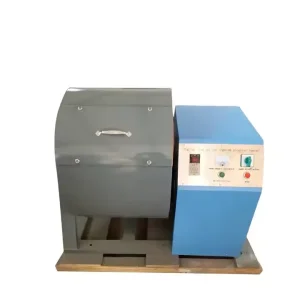
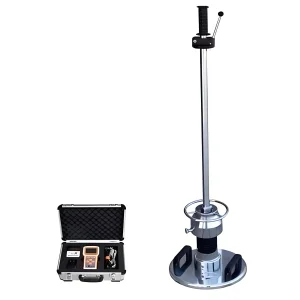
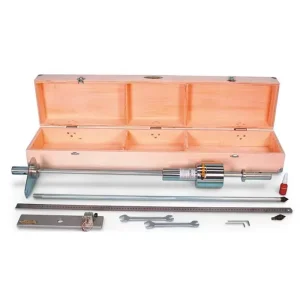
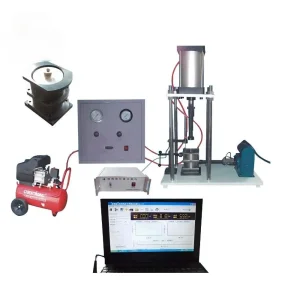
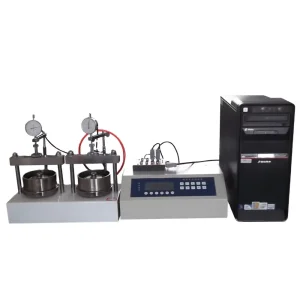
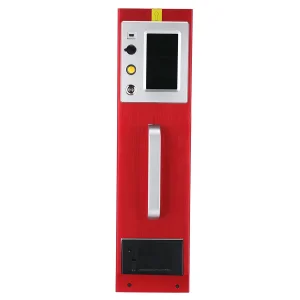
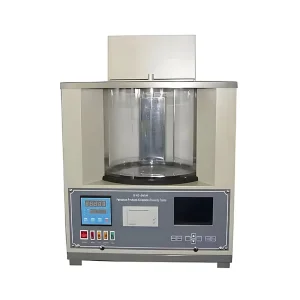
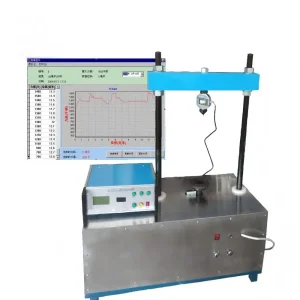
Modern Proctor Compaction Test Apparatus manufacturing has transitioned from simple mechanical hammers to AI-integrated, automated systems that ensure zero human error in moisture-density relationship analysis.
Our equipment adheres strictly to ASTM D698, ASTM D1557, and AASHTO T99/T180 standards, facilitating seamless laboratory certification for international projects.
With over 15 years of R&D in Xi'an's high-tech zone, Zealchon combines academic rigor from Chang'an University with industrial-grade manufacturing durability.
The Proctor compaction test remains the cornerstone of geotechnical engineering. Developed by Ralph R. Proctor in 1933, the method for determining the maximum dry density and optimum moisture content of soil has seen a radical transformation. Today, Custom Proctor Compaction Test Apparatus Manufacturers are no longer just metal fabricators; they are technology partners providing integrated data solutions.
As a leading geotechnical instrument supplier, Xi'an Zealchon Electronic Technology Co., Ltd. understands that the "Information Gain" in SEO and engineering alike comes from precision. Our apparatus provides incremental data accuracy by utilizing hardened steel molds and programmable automatic rammers that ensure uniform blow distribution—a critical factor for large-scale infrastructure like highways, airport runways, and hydroelectric dams.
Key Insight: The shift towards "Modified Proctor Tests" (using higher compaction energy) is accelerating globally as heavy-load logistics and high-speed rail networks demand superior soil bearing capacities.
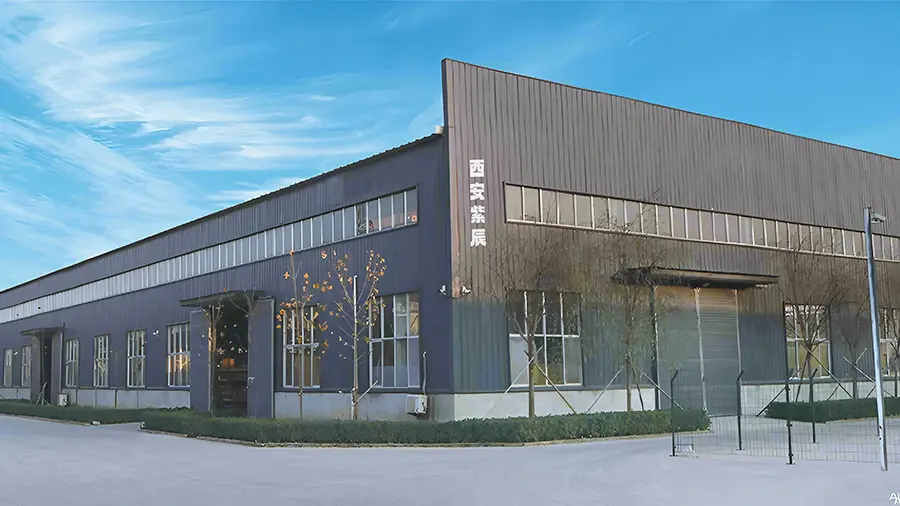
With more than 15 years of civil engineering background, located in the new technology industry development zone in Xi'an, an ancient city in China. It covers an area of 7500 square meters of building area.
We manufacture and supply testing instruments for civil engineering, geological survey, water conservancy and hydropower, roads and bridges, highways, railways, and airports. We specialize in the production and sales of geotechnical testing instruments, asphalt and asphalt mixture testing instruments, cement and concrete testing equipment.
Integration of real-time sensors in Proctor molds to track energy dissipation and heat variance during compaction.
Testing for recycled aggregates and carbon-sequestered soils requires adaptive compaction rammers with variable weight heads.
Immediate upload of test results to BIM (Building Information Modeling) software to streamline construction site approvals.
For global procurement officers, sourcing a Proctor Compaction Test Apparatus involves evaluating more than just the price. Reliability in harsh field conditions and repeatable accuracy are paramount. Zealchon’s "Xiya" trademark is a symbol of trust in Shaanxi Province, backed by collaborations with Chang’an University Highway College and the Air Force Engineering University.
| Feature | Standard Proctor (ASTM D698) | Modified Proctor (ASTM D1557) | Zealchon Custom Solution |
|---|---|---|---|
| Hammer Weight | 5.5 lb (2.5 kg) | 10.0 lb (4.54 kg) | Interchangeable / Programmable |
| Drop Height | 12 in (305 mm) | 18 in (457 mm) | Precision Laser Controlled |
| Application | Light embankments, subgrade | High-load runways, highways | Multi-purpose Research Labs |
| Digital Integration | Manual/Optional | Manual/Optional | Full LCD Interface & Data Export |
Equipped with machining centers, CNC lathes, milling machines, and argon arc welders to ensure microns-level precision.
Cooperation with professors from Xi’an University of Technology to fill gaps in professional core technology testing instruments.
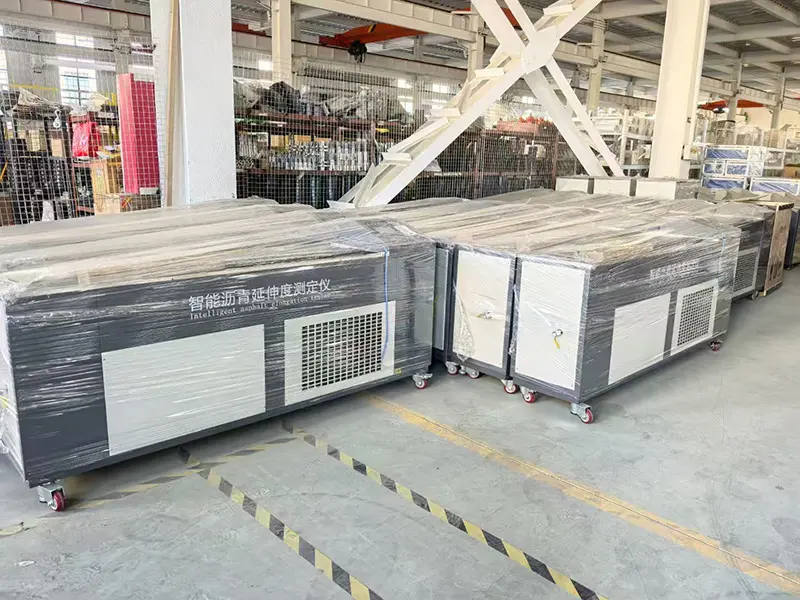
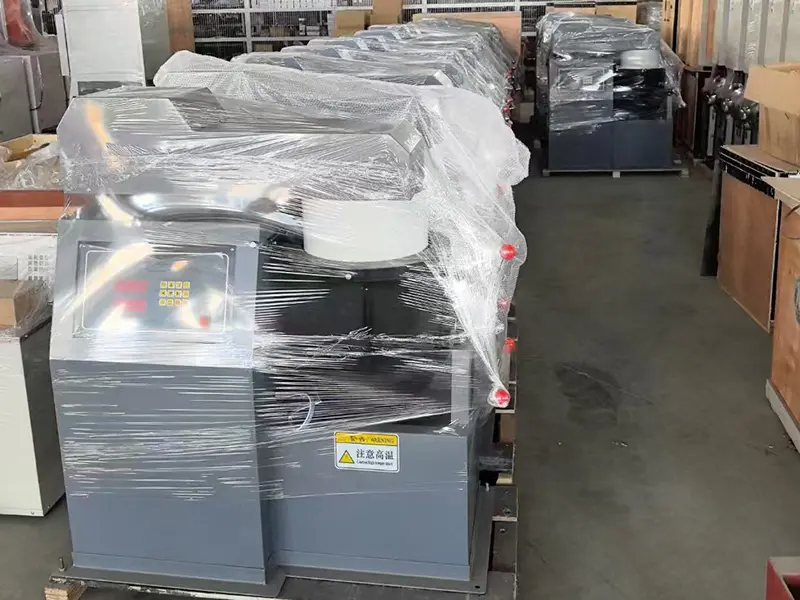
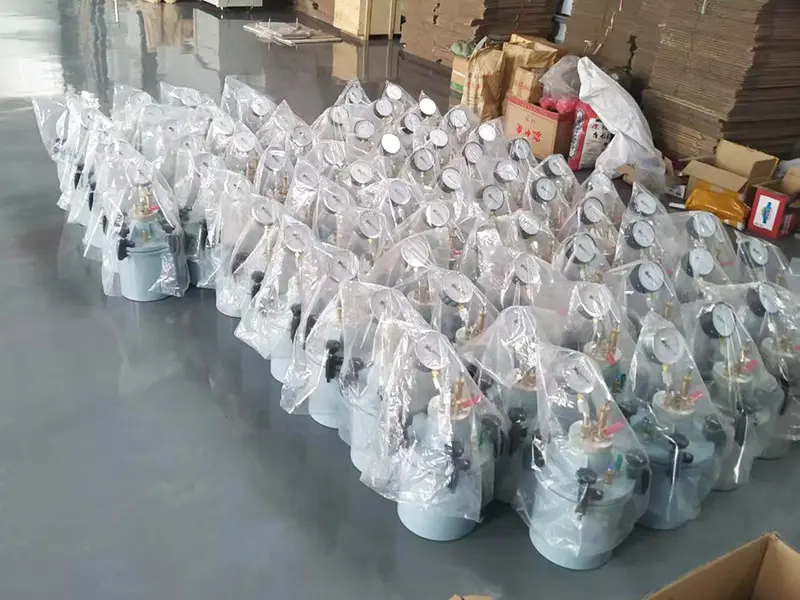
Our machines are used world-wide by government agencies, commercial laboratories, and ready-mix contractors.
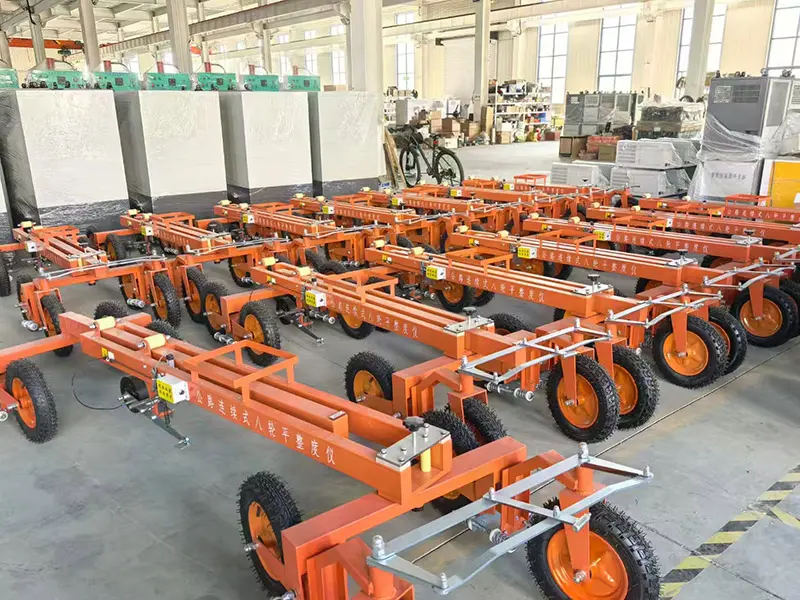
The primary difference lies in the compaction energy. The Standard test uses a 5.5 lb hammer with a 12-inch drop, while the Modified test uses a 10 lb hammer with an 18-inch drop. This higher energy is necessary for modern construction projects that involve heavier loads.
Yes. We provide custom Proctor compaction test apparatus tailored to BS (British Standard), EN (European Norm), and other regional requirements. We can modify mold volumes and rammer weights accordingly.
Automatic rammers ensure that the drop height and blow count are perfectly consistent across all layers of the soil sample. This eliminates operator fatigue and variability, leading to much more reliable moisture-density curves.
We offer comprehensive technical support, including video installation guides, remote calibration assistance, and a "three guarantees" promise for all products sold, ensuring craftsmanship and professional service.
 Zealchon Electronic