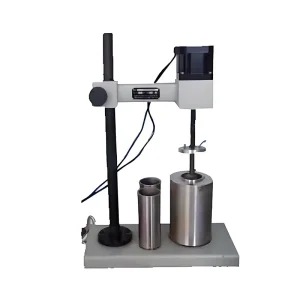
In high-performance infrastructure engineering, the rheological characterization of bituminous binders represents a fundamental pillar of materials science. Bitumen, as a viscoelastic material, demonstrates complex flow properties highly susceptible to temperature fluctuations. A Bitumen Kinematic Viscosity Meter stands as the primary apparatus designed to quantify the gravity-driven flow resistance of liquid asphalt binders, typically evaluated at elevated control temperatures such as 60°C (140°F) or 135°C (275°F).
Kinematic viscosity measurements—governed internationally by rigorous standards like ASTM D2170, AASHTO T201, and EN 12595—provide direct, highly reproducible metrics indicating how bitumen behaves during critical life-cycle stages. These stages span bulk industrial transportation, refinery formulation, active site mixing, and final on-site compaction. Unlike dynamic viscosity measurements that incorporate external shear stresses (measured via vacuum capillary systems under ASTM D2171), kinematic viscosity leverages the density-driven gravitational head. This provides a direct measure of the fluid’s internal friction under passive conditions, offering critical data to prevent pavement distresses like rutting, fatigue cracking, and thermal stripping.
For global procurement specialists, highway engineers, and regulatory laboratories, investing in premium-grade kinematic viscosity meters is not merely a purchase; it is a long-term strategy for project durability. The equipment ensures that asphalt formulations meet strict Superpave specifications. By choosing instruments featuring high-resolution PID temperature controllers, low-distortion optical sensor detection, and corrosion-resistant borosilicate glass baths, laboratories guarantee absolute data integrity. This reduces risk profile variances in road constructions, airport runway installations, and industrial waterproofing membranes.
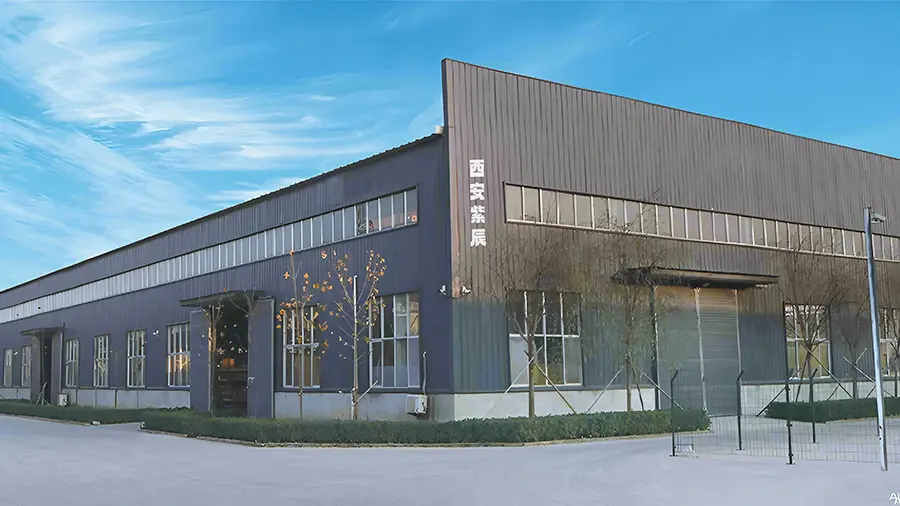
With a background of more than 15 years in civil engineering research, Xi'an Zealchon Electronic Technology Co., Ltd stands as an industry leader located in the New Technology Industry Development Zone of Xi'an, an ancient and culturally significant center of Chinese technological innovation. The company spans a modern facility of over 7,500 square meters of high-end manufacturing space, dedicated to precision engineering.
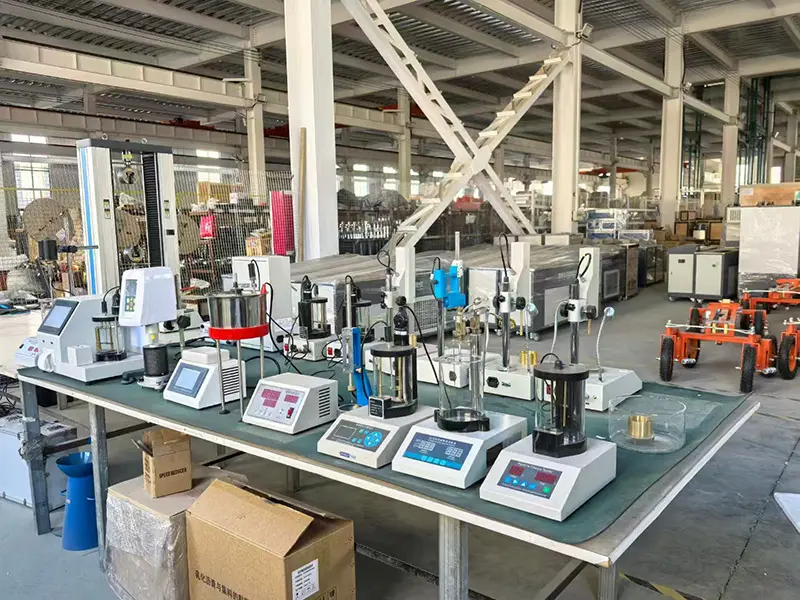
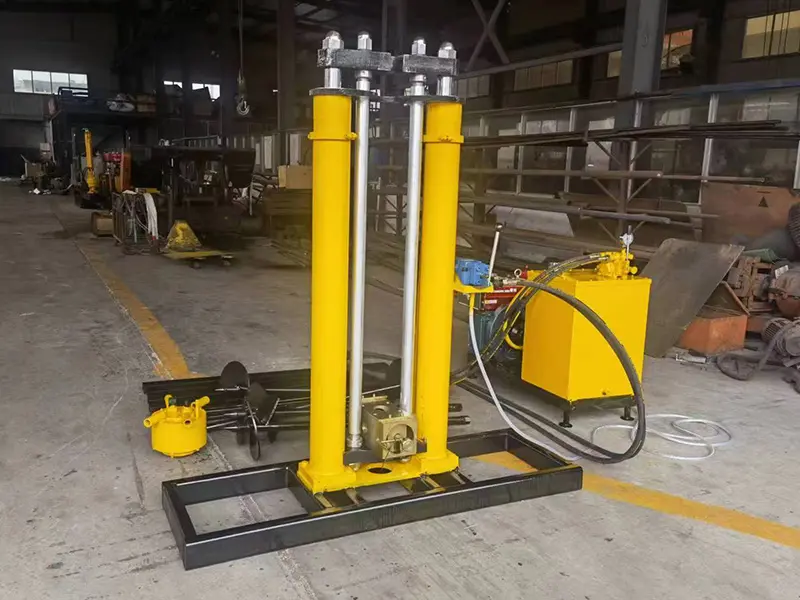
Zealchon specializes in the manufacturing and global distribution of high-caliber research and laboratory testing equipment. Its catalog spans geotechnical testing instruments, cement and concrete analysis devices, and highly specialized asphalt and bitumen testing apparatuses. In addition to our civil engineering solutions, Zealchon runs a dedicated semiconductor laser research division, bringing multidisciplinary optical and thermal engineering expertise to our physical material testing lines.
Our corporate structure focuses heavily on academic integration. Guided by professors and researchers from prestigious institutions like Chang'an University Highway College, the Air Force Engineering University, and the Xi'an University of Technology, Zealchon develops highly specialized testing systems. Our proprietary brand "Xiya" has been recognized as a trademark of Shaanxi Province, reflecting our deep commitment to reliability, performance, and craftsmanship.
Procurement of analytical testing instruments for bituminous materials has shifted from basic mechanical systems to highly automated, smart testing units. Global infrastructure investment, driven by initiatives like high-speed rail networks, runway expansions, and smart-city corridors, has created strict requirements for material testing labs.
Global procurement teams face unique challenges: ensuring compliance with multiple test standards, reducing equipment downtime, and maintaining traceability under international standards. A high-quality Bitumen Kinematic Viscosity Meter must serve as a durable asset capable of continuous thermal cycling without losing calibration integrity.
Procurement standards demand that all testing equipment feature full traceability back to international metrological reference systems (such as NIST or PTB), guaranteeing acceptable reproducibility across global labs.
Bitumen kinematic viscosity requires precise testing temperatures (typically 135°C for asphalt binders under Superpave). The bath must maintain spatial uniformity within ±0.03°C to eliminate measurement bias.
High-temperature testing introduces safety risks. Premium manufacturers integrate over-temperature protection, dual-paned insulated safety glass, and automatic cutoff switches to protect lab operators.
To assist global purchasing directors in standardizing their supplier evaluation matrices, the following comprehensive engineering specification overview outlines the differences between standard entry-level viscometers and high-precision laboratory infrastructure grade instruments.
| Performance Feature | Entry-Level Instruments | Zealchon Advanced Viscometer Line |
|---|---|---|
| Temperature Range & Accuracy | Ambient +10°C to 100°C (±0.1°C) | Ambient to 180°C (±0.01°C to ±0.03°C stability) |
| Baths Composition & Volume | Standard single-wall glass, manual fills | Double-pane borosilicate glass with active LED backlighting |
| Capillary Configurations | Manual gravity alignment, 2 slots | Automated positioning, multi-tube slots (up to 4 channels) |
| Sensor Integration | None (requires stopwatch observations) | Dual optical meniscus sensors with microsecond timer resolution |
| Data Integration | Analog dials or standalone LCD displays | Ethernet port, RS232, and direct LIMS software export |
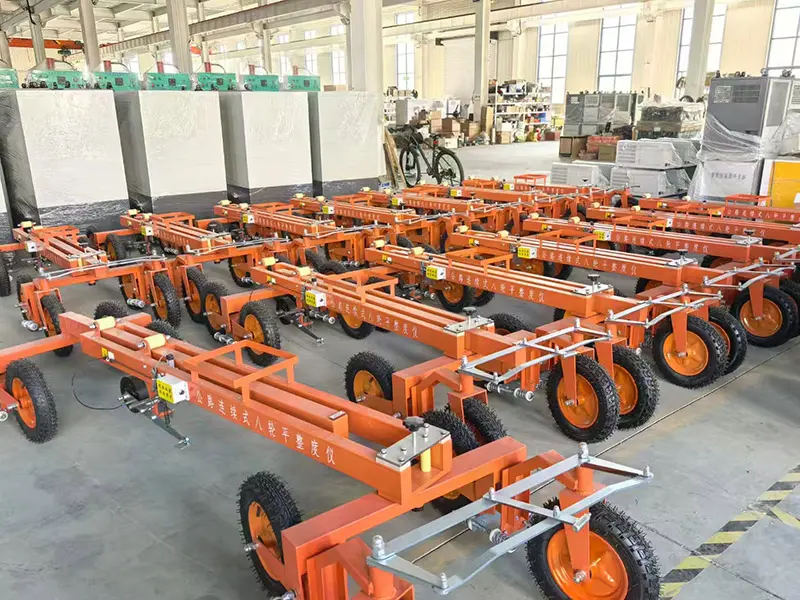
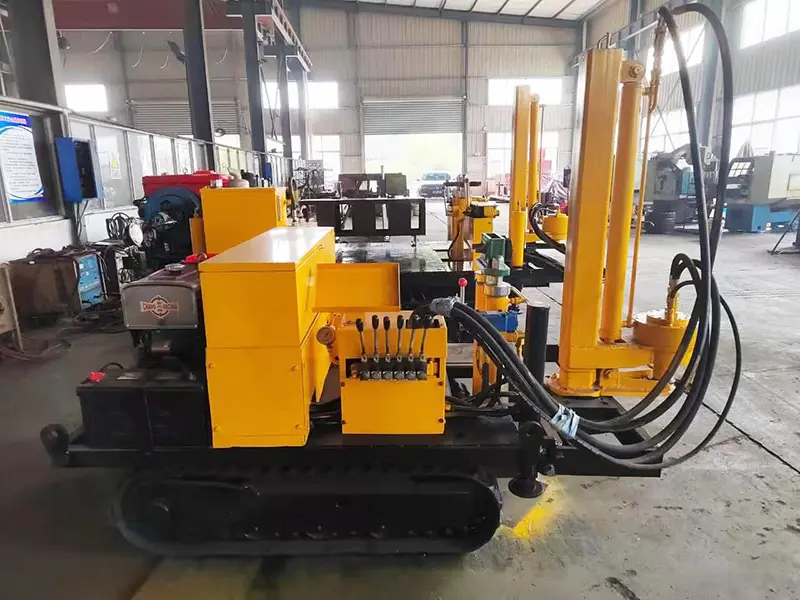
Our production facilities house advanced industrial machining components, including CNC vertical machining centers, precision CNC lathes, automated milling machines, planers, surface grinders, shearing systems, bending machines, and argon arc welding stations. These resources allow Zealchon to maintain complete control over our manufacturing processes—from structural frame fabrications to micro-toleranced glass-holder fittings.
Developed alongside engineering professors from Chang'an University Highway College, our instruments target real-world pavement challenges. The "Xiya" brand has earned provincial recognition for fill-the-gap solutions in structural, geotechnical, and bituminous testing.
Our R&D team consists of engineers and academic consultants from Xi'an Polytechnic University and Xi'an Petroleum University. This partnership ensures that our hardware reflects the latest research in material physics and mechanical design.
Our specialized instruments have filled national technical gaps, earning awards for technological progress and positioning us as a key partner for government highway agencies and commercial labs worldwide.
With 15+ years of distribution, our testing machinery is used globally by road contractors, academic institutions, and national standards organizations, building a reputation for durable field performance.
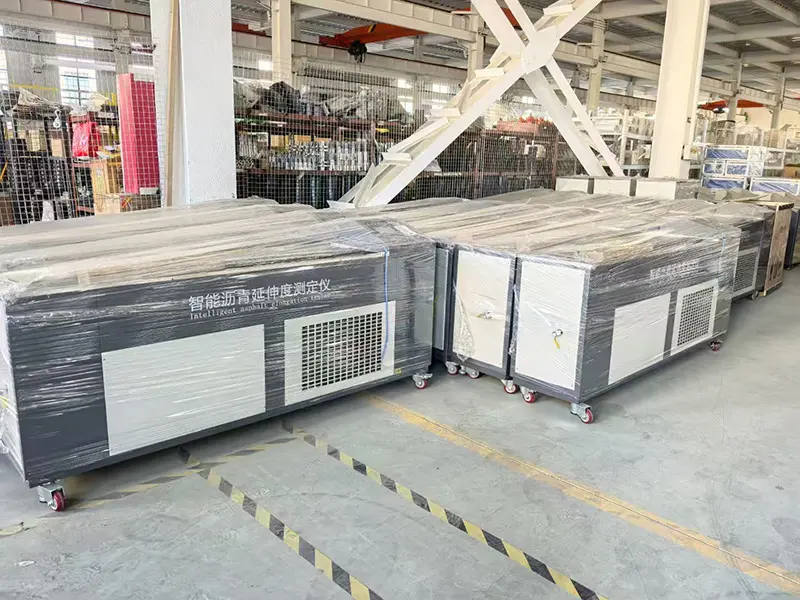
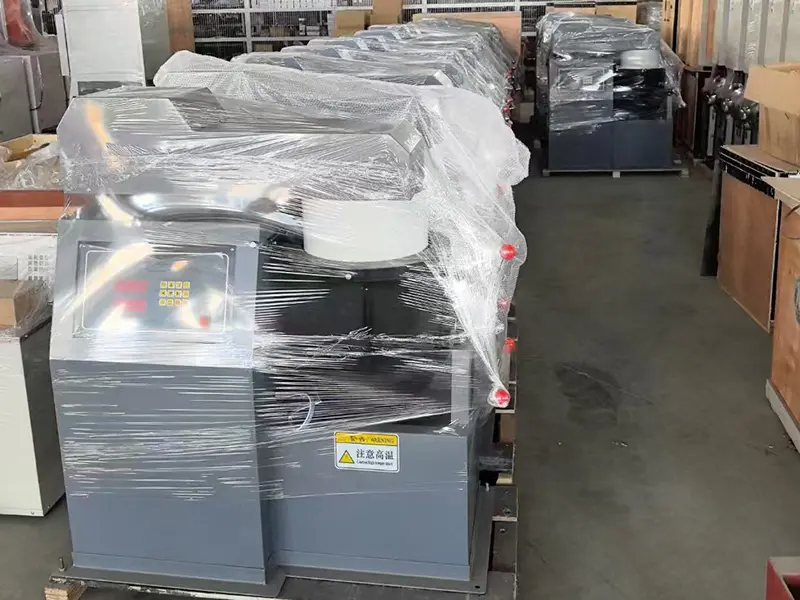
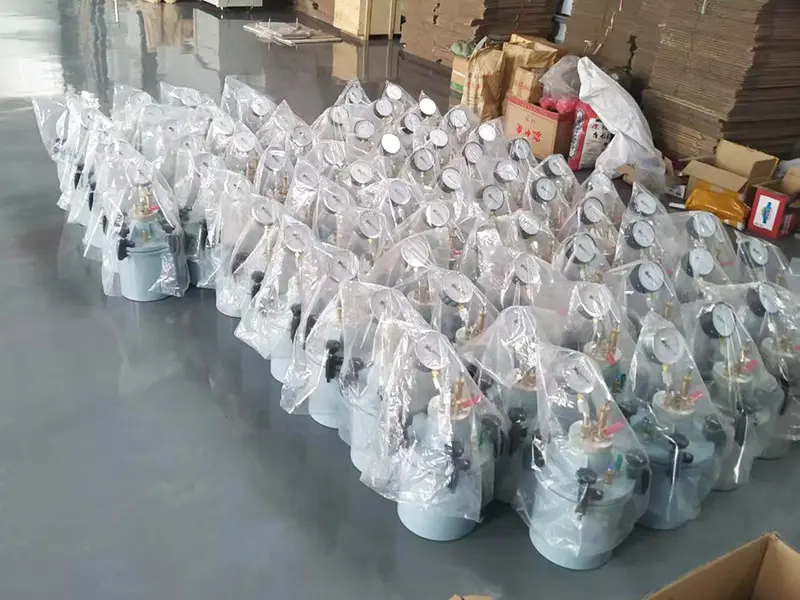
As the civil testing and materials science sector enters the Industry 4.0 paradigm, testing instruments are shifting from isolated, operator-dependent systems to integrated, automated, and network-connected tools. The technological development of Bitumen Kinematic Viscosity Meters focuses on three key areas:
Traditional manual timing introduces operator bias into kinematic viscosity results. Zealchon’s future development focuses on integrating multi-point laser and infrared sensors directly into the glass capillary holder. These sensors detect the bitumen meniscus boundary as it passes graduation lines, registering flow times with millisecond accuracy. This automation minimizes human error and matches the precision requirements of modern research institutes.
Since kinematic viscosity calculations depend on precise temperature control, keeping the bath stable at high temperatures is critical. Modern systems utilize advanced fuzzy-logic PID algorithms that control heating elements to prevent temperature overshoot. Future systems will combine semiconductor lasers with localized heating arrays to ensure spatial uniformity within ±0.005°C, providing reliable testing environments even in fluctuating laboratory climates.
Data integrity is a priority for modern quality management systems. Modern viscosity meters feature onboard IoT modules and Ethernet connections, allowing direct output to Laboratory Information Management Systems (LIMS). This architecture supports remote diagnostics, real-time testing curves, and automated reporting, creating a secure digital path from initial sample entry to final project authorization.
Precision measurement of bitumen kinematic viscosity plays an important role across several key engineering sectors:
Asphalt mixtures used in heavy-load highways require specific viscoelastic profiles to prevent rutting at high temperatures and cracking at low temperatures. Viscosity testing determines mixing temperatures for polymer-modified bitumens (PMBs), helping protect highway investments.
Airfield runways endure high wheel loads and rapid acceleration forces. Engineers utilize kinematic viscosity data to formulate specialized binders that resist high shear stress and weathering, maintaining safe runway surfaces.
In oil refinery testing, kinematic viscosity serves as a primary benchmark to verify batch consistency before product release. Our meters assist refinery labs in verifying raw bitumen grades against ASTM standards, preventing out-of-spec deliveries.
For manufacturers of shingles, membrane sheet coatings, and expansion joint sealants, viscosity control is key to material longevity. Testing ensures optimal melt flow behavior during factory production and final field application.
Our technical support, marketing, and web development teams operate out of China, working together to deliver reliable, long-term customer service and technical assistance.
Zealchon aligns manufacturing standards with evolving national and international regulatory updates. Our comprehensive production and sales pipeline delivers testing equipment that laboratory teams can rely on.
Guided by a commitment to teamwork, customer service, and continuous improvement, we prioritize the technical needs of our clients to ensure their testing processes run smoothly.
Zealchon backs every instrument sold with a comprehensive three-guarantee service program. We supply both durable laboratory products and the technical support required to keep them operational.
Kinematic viscosity (ASTM D2170) measures a fluid's resistance to flow under the influence of gravity alone, utilizing gravity-flow glass capillary viscometers. Dynamic viscosity (ASTM D2171) measures resistance under an applied vacuum, typically at a lower temperature (60°C), where gravity alone is not sufficient to pull high-viscosity binder formulations through the capillary tubes.
The temperature of 135°C represents typical conditions for asphalt mixing, coating, and field compaction. Measuring kinematic viscosity at this temperature ensures the binder is fluid enough to coat aggregates properly and can be compacted to target air void densities in the field.
Under ISO 17025 and AASHTO guidelines, glass capillary viscometers require recalibration annually or whenever physical wear, chemical etching, or high-temperature cleaning alters the internal dimensions of the tube. Calibration constants must be verified using traceable viscosity standard oils.
Yes, polymer-modified bitumens are routinely tested using kinematic viscosity meters. However, since PMBs exhibit non-Newtonian flow behavior under certain shear levels, precise temperature control and selection of the correct capillary tube size are critical to maintaining laminar flow during evaluation.
Zealchon provides comprehensive remote technical support, including step-by-step video installation guides, digital calibration certificate templates, and direct access to our engineering team. For large-scale projects, we coordinate with regional distributors to facilitate on-site commissioning and training.
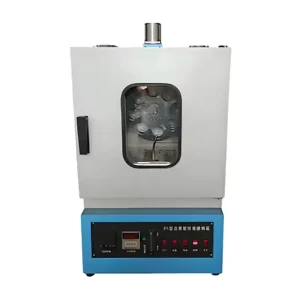
 Zealchon Electronic