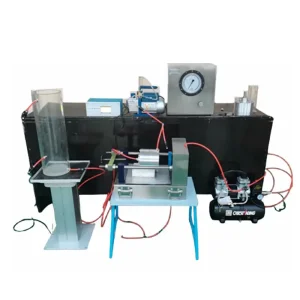
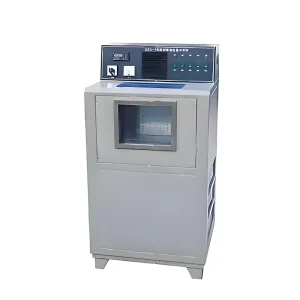
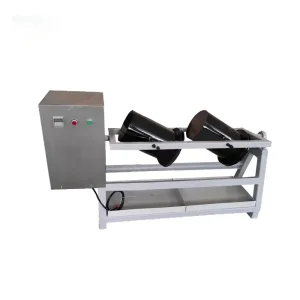
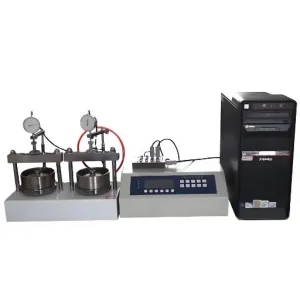
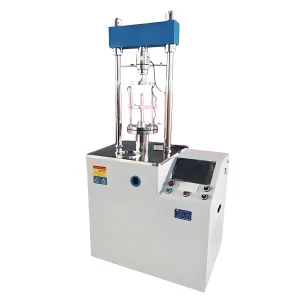
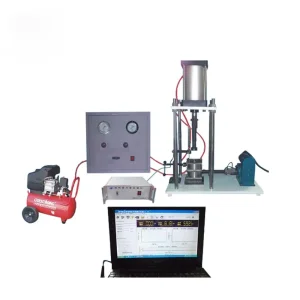
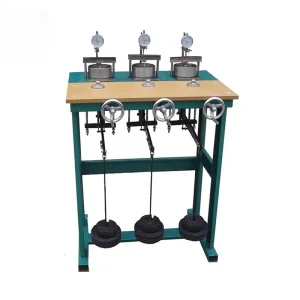
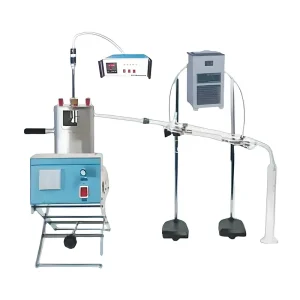
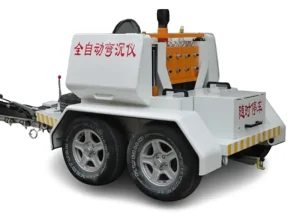
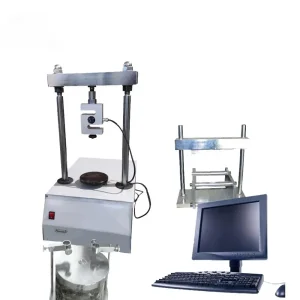
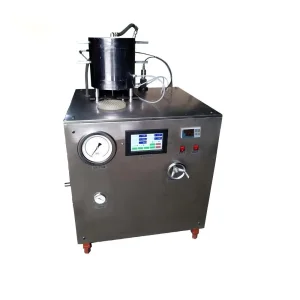
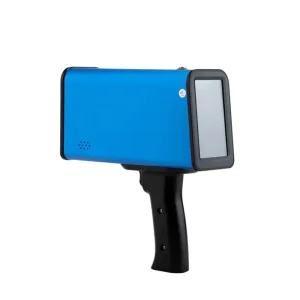
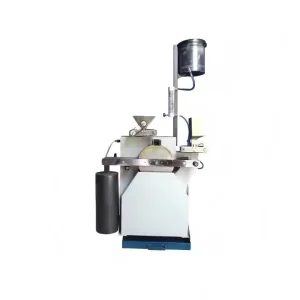
In the modern era of civil engineering, the Digital Vibration Triaxial Tester has transitioned from a specialized research tool to a critical industrial necessity. As global infrastructure projects move into more challenging geological environments—such as seismic zones, offshore wind farm foundations, and high-speed rail corridors—the demand for precise soil dynamic property analysis has skyrocketed.
Today, the industry focuses on "Semantic Data Interpretation," where the digital vibration triaxial tester provides not just raw numbers, but an Information Gain that predicts long-term structural integrity under cyclic loading. From the soft clays of Southeast Asia to the loess plateaus of Northwest China, these instruments are the backbone of geotechnical safety.
Modern triaxial systems are integrating AI algorithms to filter noise from high-frequency vibrations, ensuring that "Digital Vibration" testing reflects true geological behavior rather than mechanical interference.
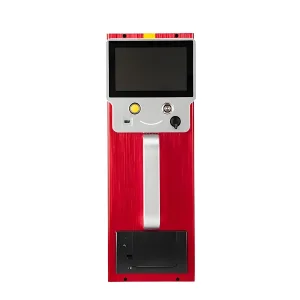
Integration with cloud platforms allows lab managers to monitor tests remotely, ensuring E-E-A-T principles (Trustworthiness) are upheld through transparent, unalterable data logging.
While the heavy-duty rigs remain, there is a trend toward portable digital triaxial units for on-site rapid assessment of disaster-prone areas.
Years Experience
Building Area
National Patents
Market Presence
The roadmap for Digital Vibration Triaxial Testing technology is moving toward "Small Strain Multi-Axis" capabilities. Future systems will not only measure vertical vibration but also simulate complex 3D seismic waves in a controlled laboratory environment.
Zealchon is currently leading the way in integrating Bender Elements with dynamic triaxial cells to measure G-max (Maximum Shear Modulus) simultaneously with cyclic loading. This provides a holistic view of soil stiffness degradation, a key factor in urban tunnel stability and high-rise foundation design.
Our commitment to Professionalism and Innovation ensures that our hardware keeps pace with evolving international standards such as ASTM D3999 and ASTM D5311.
Testing liquefaction potential of coastal sands to prevent infrastructure collapse during earthquakes.
Simulating the high-frequency repetitive loading of bullet trains on track subgrades to prevent long-term settlement.
Analyzing the dynamic response of marine clays under wave and wind load cycles for stable turbine foundations.
Evaluating the loess collapsibility and dynamic stability of hydraulic structures under fluctuating water levels.
Assessing the liquefaction risk of tailing storage facilities to prevent catastrophic environmental disasters.
Monitoring the vibration impact of TBM (Tunnel Boring Machines) on surrounding soil structures in dense cities.
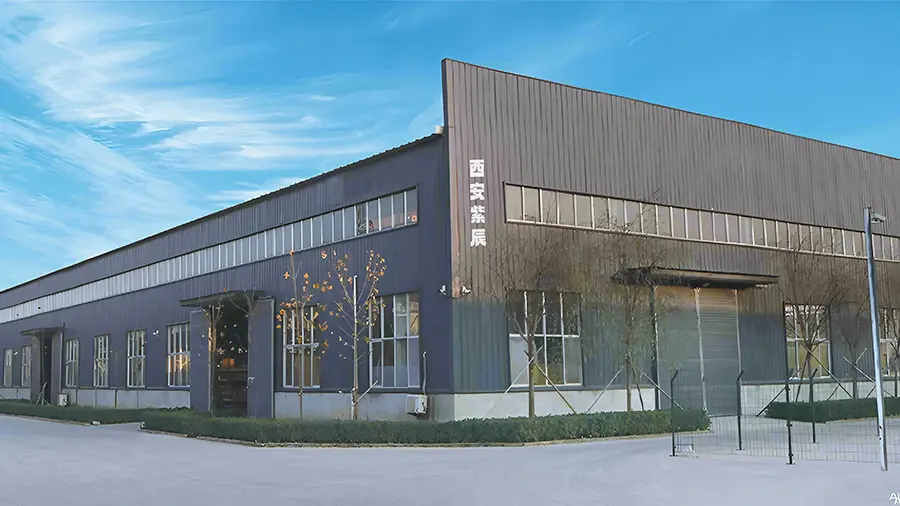
Xi'an Zealchon Electronic Technology Co., Ltd. brings over 15 years of civil engineering background to the table. Located in the high-tech industry development zone of Xi'an, we operate from a 7500 square meter facility dedicated to precision and quality.
Our research team, featuring experts from Chang'an University and Xi'an Polytechnic University, ensures that our "Xiya" trademark represents the pinnacle of geotechnical technology in China. We don't just sell machines; we provide solutions that have won national and provincial awards for filling technological gaps in the industry.
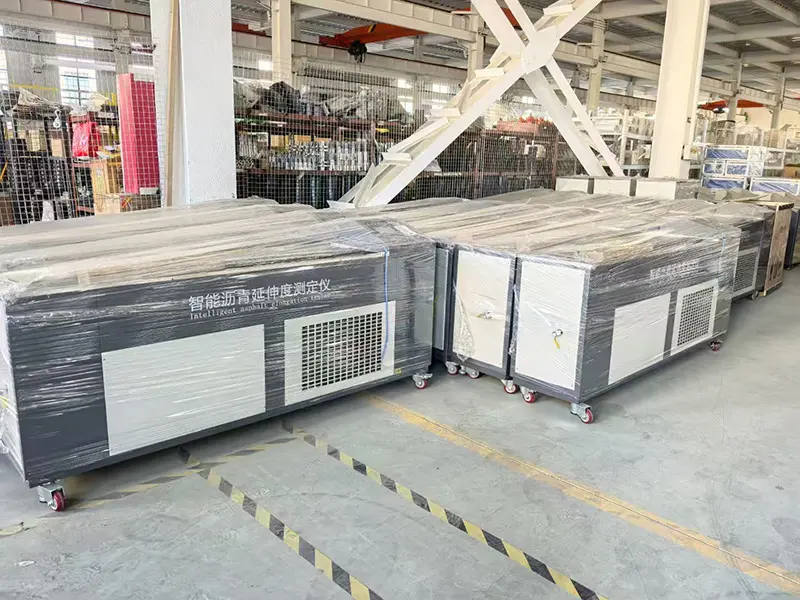
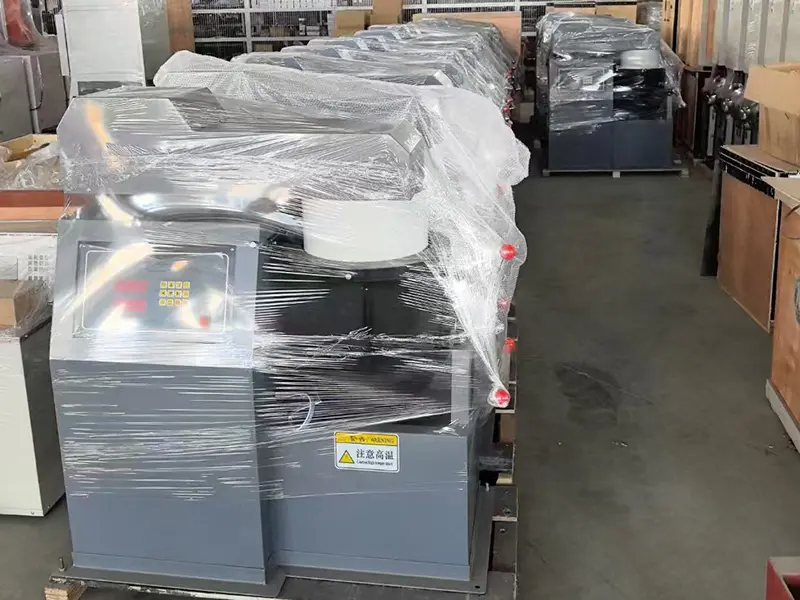
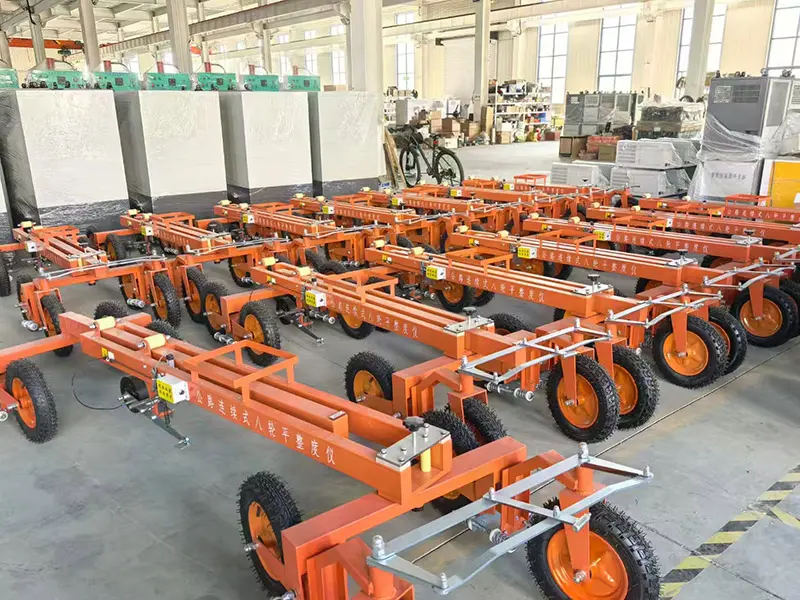
Equipped with CNC lathes, milling machines, and argon arc welding for superior build quality.
Used worldwide by government agencies, commercial labs, and top-tier contractors.
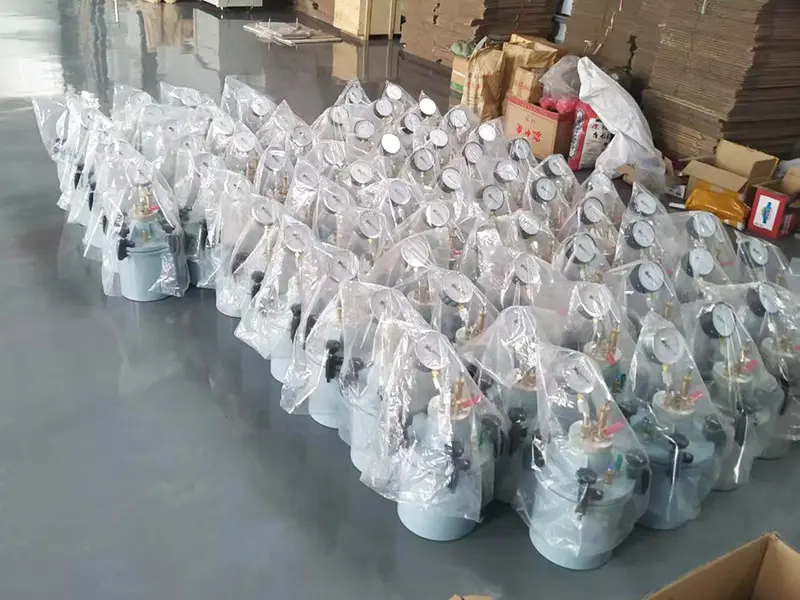
Keeping pace with national and industry standards. Our production and sales service mechanism ensures user units trust every product we ship.
People-oriented, pursuit of excellence. We adhere to "Quality First, Honesty and Trustworthiness" as our business philosophy.
Providing three guarantees for all products sold. We offer craftsman spirit and professional service to meet all customer needs.
A static triaxial tester measures soil strength under constant or slow loading, whereas a Digital Vibration Triaxial Tester applies cyclic loading at various frequencies to simulate dynamic events like earthquakes, traffic, or wave action, providing crucial data on liquefaction and modulus degradation.
We utilize high-precision sensors, CNC-machined components, and software developed in collaboration with leading engineering universities. Every machine undergoes rigorous calibration against provincial standards to ensure ±0.5% or better accuracy where specified.
Yes. As a manufacturer with a full machining center, we offer custom configurations including different cell sizes, high-pressure options, and integration of additional sensors like Bender Elements or temperature control units.
Depending on customization requirements, standard systems are usually shipped within 4-8 weeks. We provide a detailed pricelist and timeline upon initial consultation to ensure your project schedules are met.
Absolutely. We offer comprehensive technical support, including video guidance and on-site training by our engineering team to ensure your lab staff can operate the digital vibration systems efficiently.
 Zealchon Electronic