An in-depth analysis of soil compaction standards for modern heavy-load infrastructure.
In the current era of rapid urbanization and mega-infrastructure projects, the Modified Proctor Test (ASTM D1557 / AASHTO T180) has superseded the standard test in critical applications. As airports accommodate heavier aircraft like the A380 and highways face exponential increases in logistics tonnage, the demand for higher soil density (Modified effort) has become the global benchmark. Engineering firms from Dubai to Singapore now mandate 56,000 ft-lbf/ft³ energy levels to prevent long-term settlement.
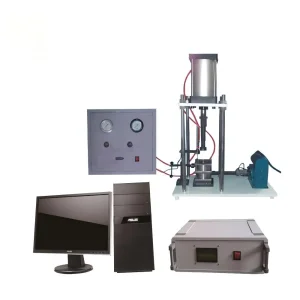
The transition from manual rammer operation to Automatic Modified Proctor Apparatus represents a significant leap in data integrity. Modern laboratories are shifting toward digital integration, where compaction strokes, moisture percentage, and dry density curves are automatically calculated and uploaded to BIM (Building Information Modeling) systems. This reduces human error and ensures that "Information Gain" is captured at the foundational level of construction.
Modified Proctor testing is no longer a "one-size-fits-all." In the arid regions of the Middle East, it's used to optimize water consumption in sand stabilization. In Southeast Asia’s monsoon zones, it is vital for ensuring clay embankment stability. Our equipment is calibrated to meet these diverse geological challenges, providing precise Maximum Dry Density (MDD) and Optimum Moisture Content (OMC) data regardless of the soil's plastic limit.
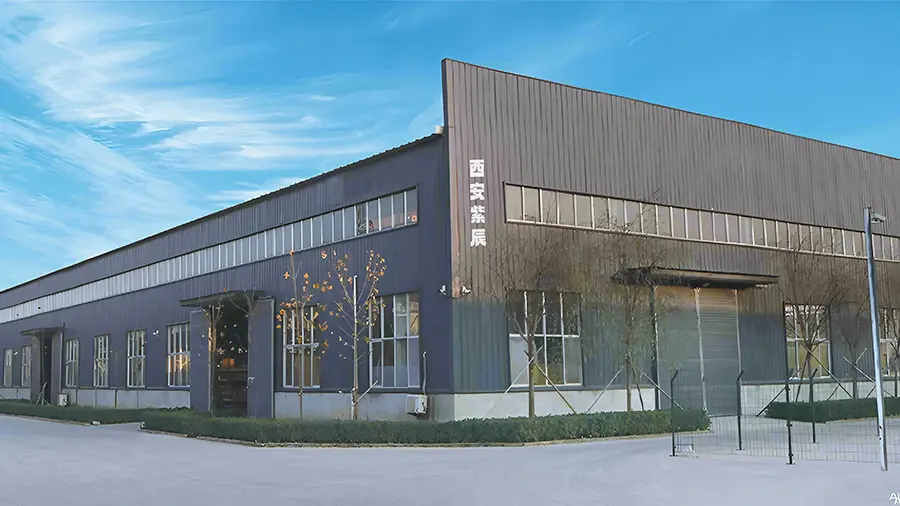
Xi'an Zealchon Electronic Technology Co., Ltd. is strategically located in the high-tech industrial heart of China, an ancient city now serving as a global hub for civil engineering research. With a 7,500 square meter facility and over 15 years of deep-rooted civil engineering background, we bridge the gap between academic research and industrial-grade production.
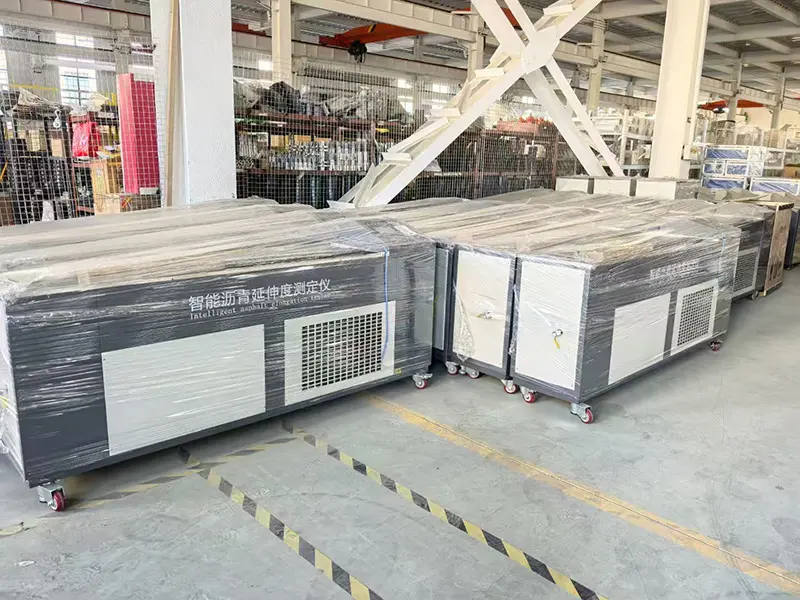
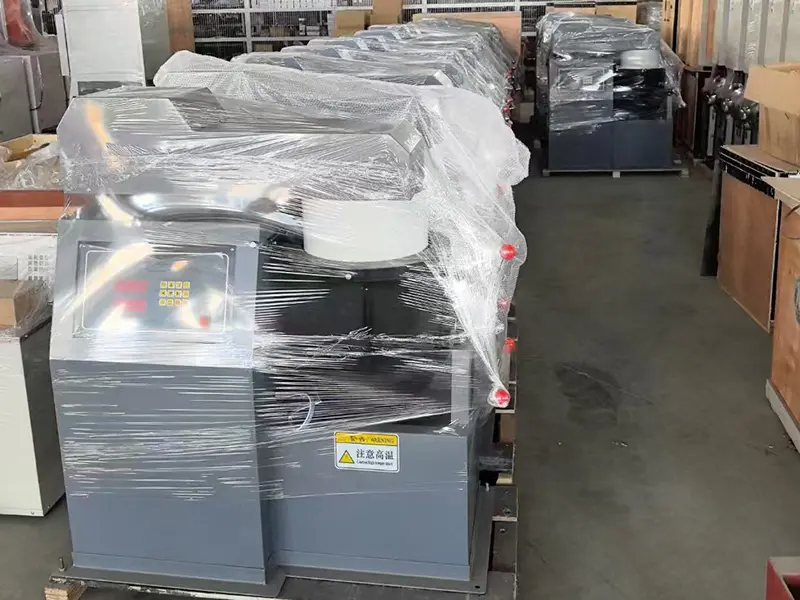
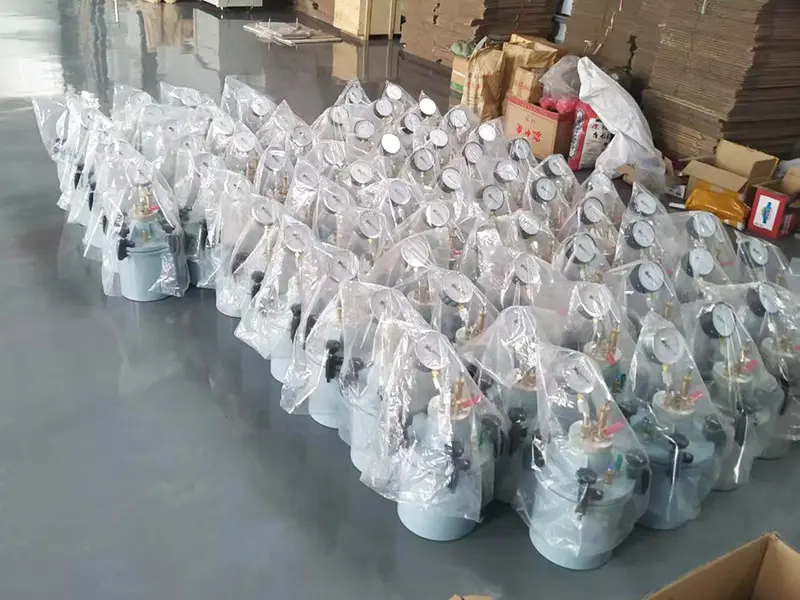
Advanced Production Capabilities: Our workshop is equipped with state-of-the-art CNC machining centers, milling machines, and argon arc welding units. This ensures that every Modified Proctor mold and rammer meets the strict tolerances required by ASTM standards, which is often a failure point for lower-quality suppliers.
Understanding the physics behind the compaction effort.
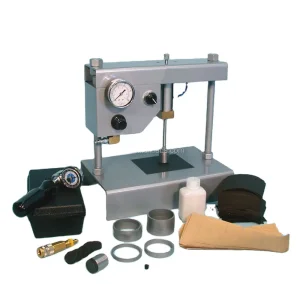
The primary difference lies in the Compactive Effort. While the Standard Proctor uses a 5.5 lb rammer with a 12-inch drop, the Modified Proctor Test Apparatus utilizes a 10 lb (4.54 kg) rammer with an 18-inch (457 mm) drop. This increases the energy from 12,400 ft-lbf/ft³ to 56,000 ft-lbf/ft³.
This higher energy level is essential for modern construction because it simulates the heavy compaction equipment used on-site today. Our apparatus is designed to handle this repeated high-impact stress without calibration drift, ensuring your laboratory provides reliable, repeatable data for project certification.
Our molds and rammers are machined to precision to meet the exact volume and weight specifications of the American Society for Testing and Materials.
Fully compatible with the American Association of State Highway and Transportation Officials requirements for transportation infrastructure.
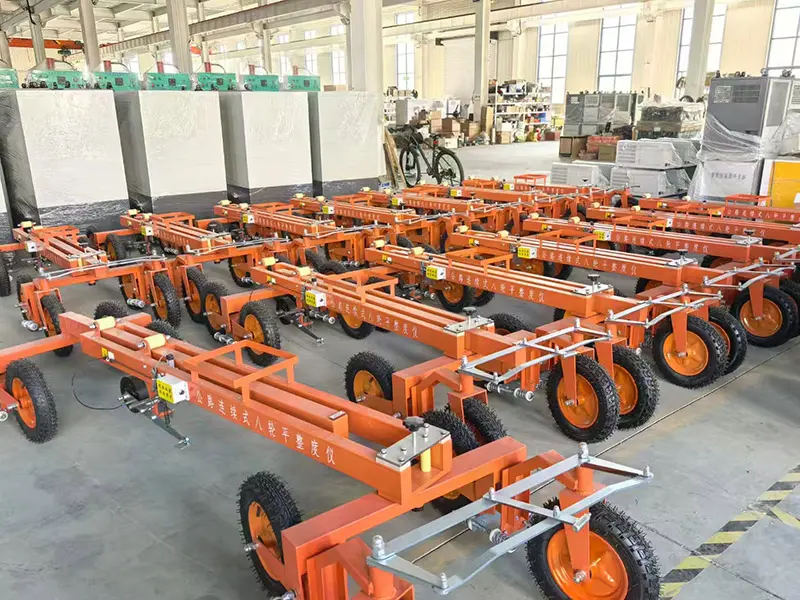
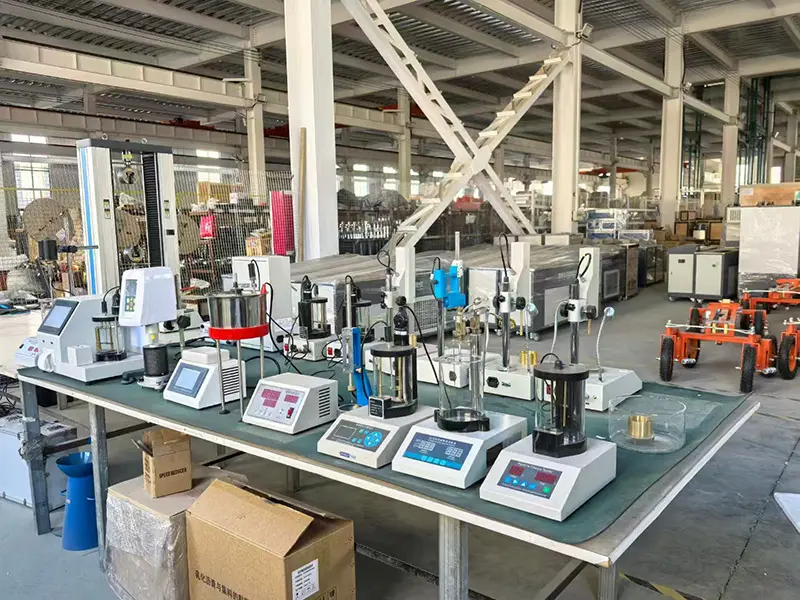
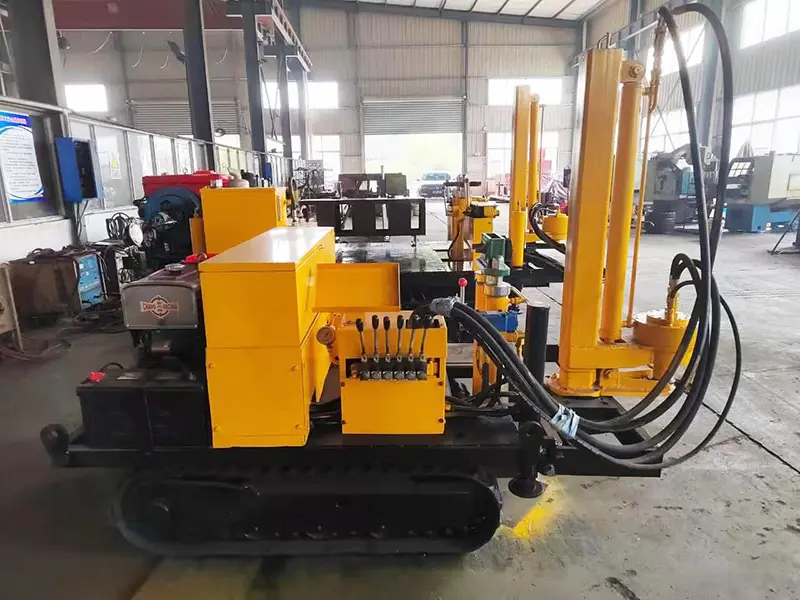
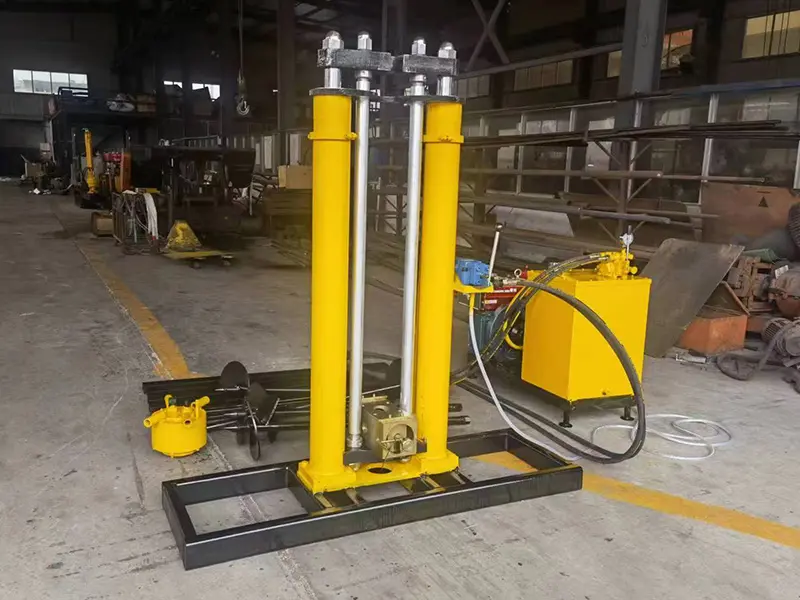
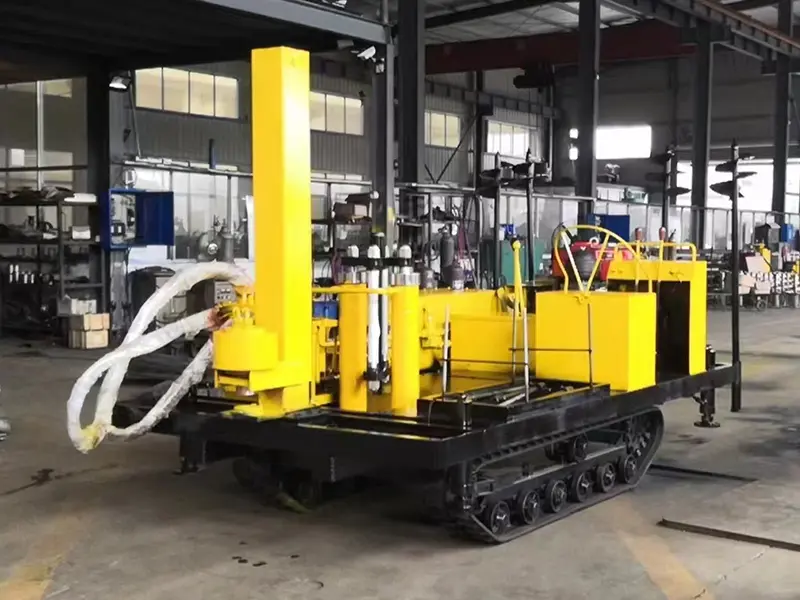
Witness our precision-engineered workshop and rigorous quality control.
Expert insights into Modified Proctor Testing and Procurement.
The Modified Proctor test uses a higher compactive effort (56,000 ft-lbf/ft³ vs 12,400 ft-lbf/ft³). It uses a heavier rammer and a higher drop height to simulate the compaction requirements of modern heavy-duty structures like runways and high-speed rail embankments.
Located in Xi'an, China, we benefit from a robust local supply chain for high-grade steel and advanced CNC machining efficiency. By integrating research from local universities with our factory production, we eliminate middle-man costs while maintaining ASTM-grade precision.
Yes, all Zealchon Modified Proctor molds and rammers are verified for dimensional accuracy and weight. We can provide inspection reports that comply with ISO and ASTM standards to support your lab's accreditation.
The Modified Proctor test is suitable for most soils, but the specific procedure (Method A, B, or C) depends on the particle size distribution. Our kits are available with different mold sizes (4-inch or 6-inch) to accommodate various soil gradations.
 Zealchon Electronic