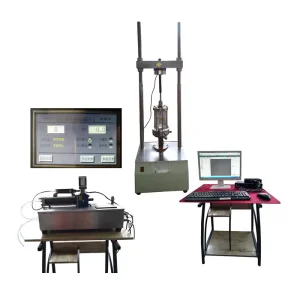
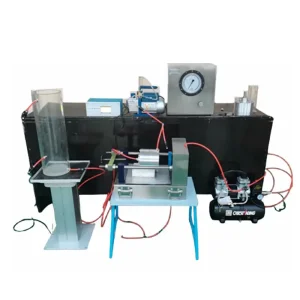
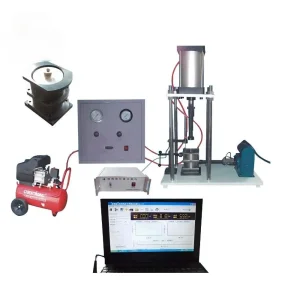
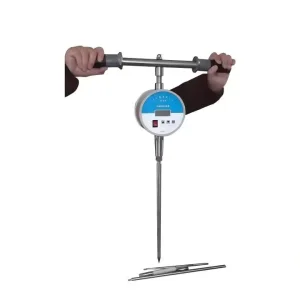
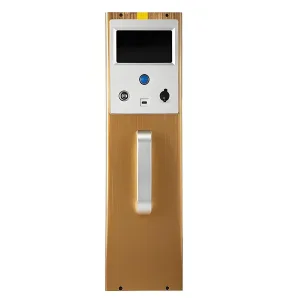
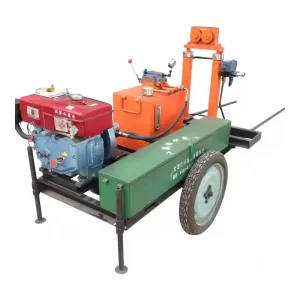
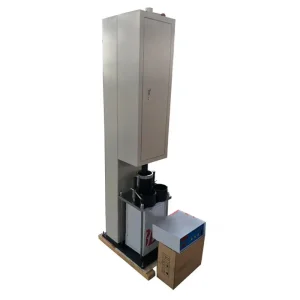
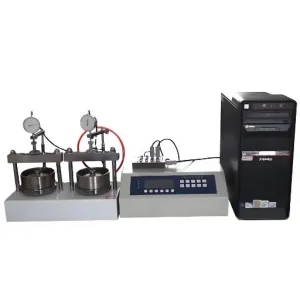
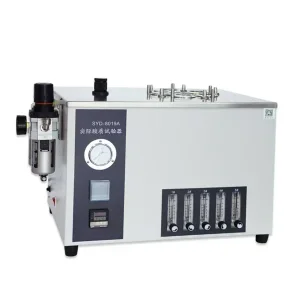
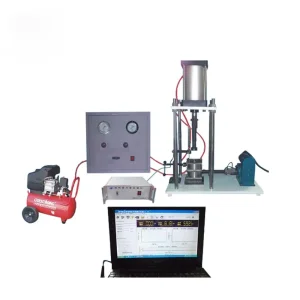
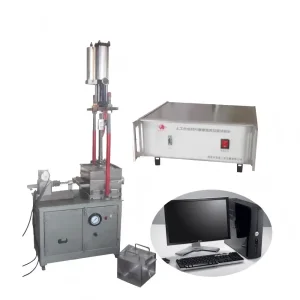
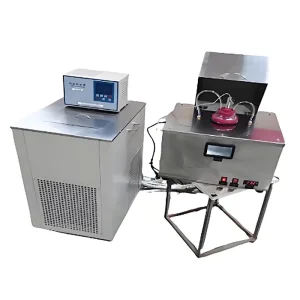
The permeability coefficient of the soil sample (often denoted as k) is a critical hydraulic property that defines the ease with which a fluid—typically water—moves through the pore spaces of a soil matrix. In the realm of civil engineering, geotechnics, and environmental science, accurate measurement of this coefficient is not merely a laboratory requirement; it is a foundational necessity for the safety and longevity of global infrastructure.
As urban environments expand and climate change introduces unprecedented hydraulic stresses on dams, levees, and foundations, the role of manufacturers specializing in high-precision permeability testing has transitioned from simple hardware supply to providing critical data integrity. This report explores the current industrial landscape, technical innovations, and future roadmap of soil permeability analysis.
Measurements are rooted in Darcy’s Law, requiring instruments that can control hydraulic gradients with extreme precision to ensure laminar flow conditions during testing.
The global market for geotechnical testing is projected to grow significantly, driven by massive infrastructure projects in Asia and the rehabilitation of aging structures in Europe and North America.
Transitioning from manual constant-head tests to automated, AI-driven triaxial permeability systems that account for varying stress states and saturation levels.
The evolution of soil testing instruments is currently undergoing a "Digital Twin" revolution. Manufacturers are no longer just selling steel and sensors; they are providing integrated systems that feed real-time data into 3D geological models. The roadmap for permeability coefficient measurement involves three primary phases:
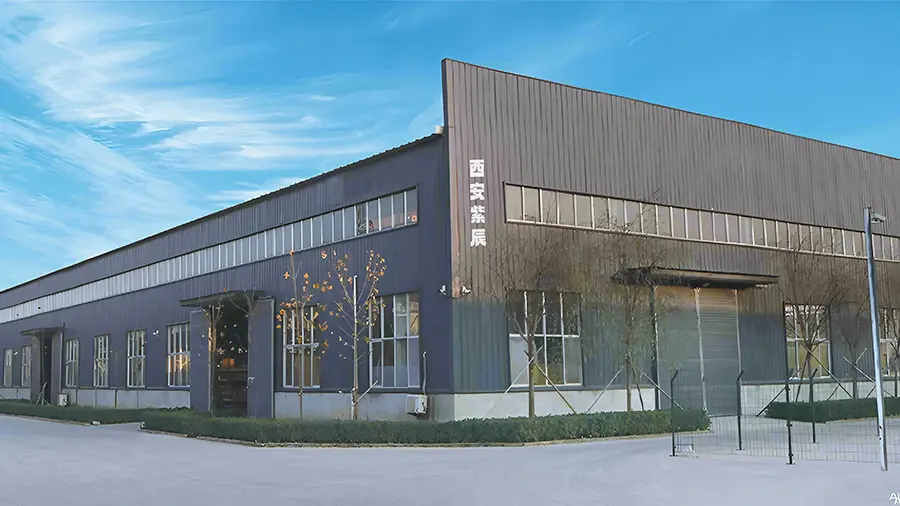
Zealchon, located in Xi'an's high-tech zone, partners with Chang'an University and Xi'an University of Technology to bridge the gap between academic theory and field application.
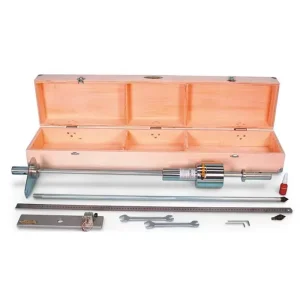
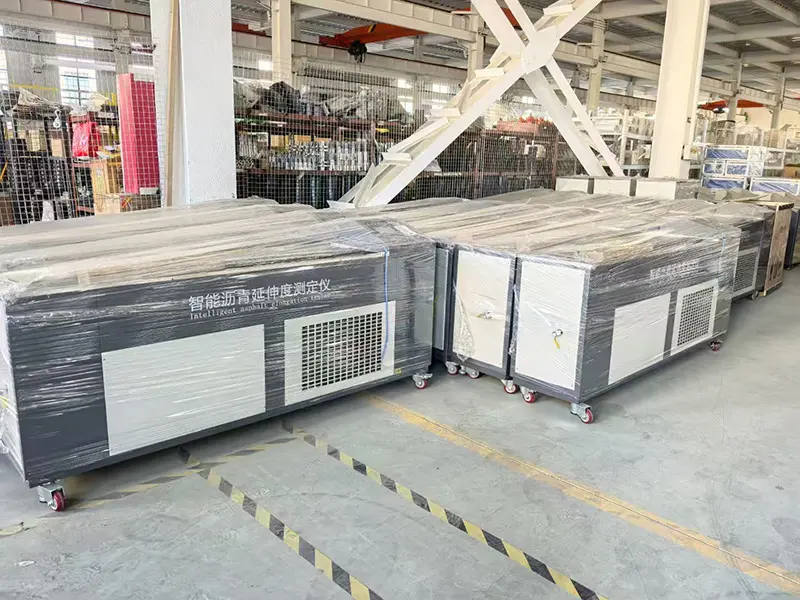
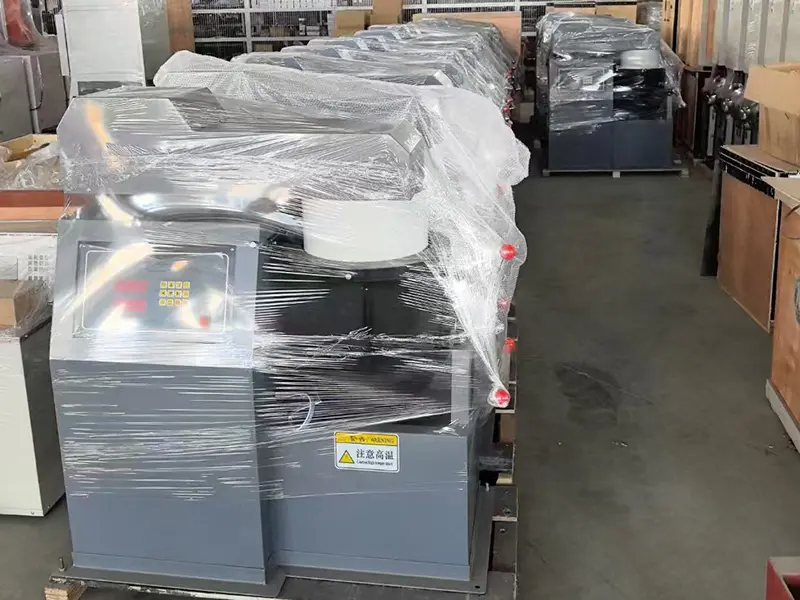
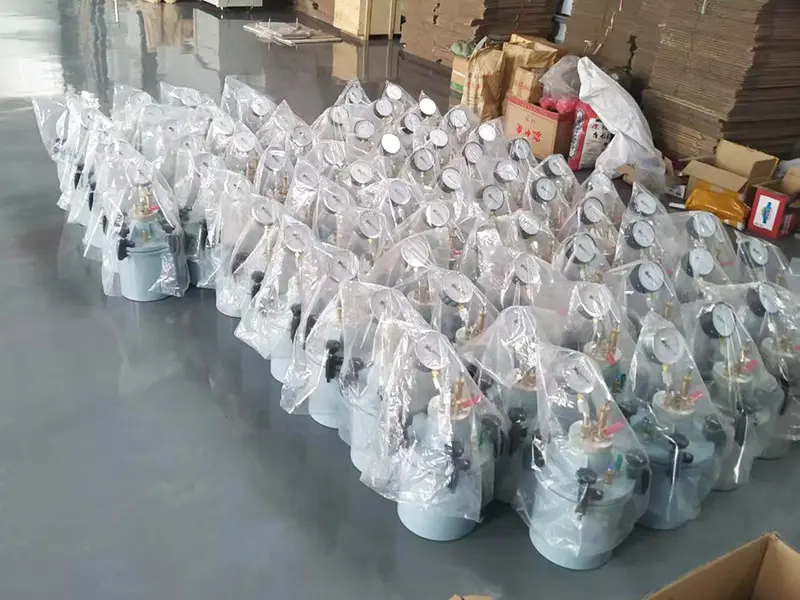
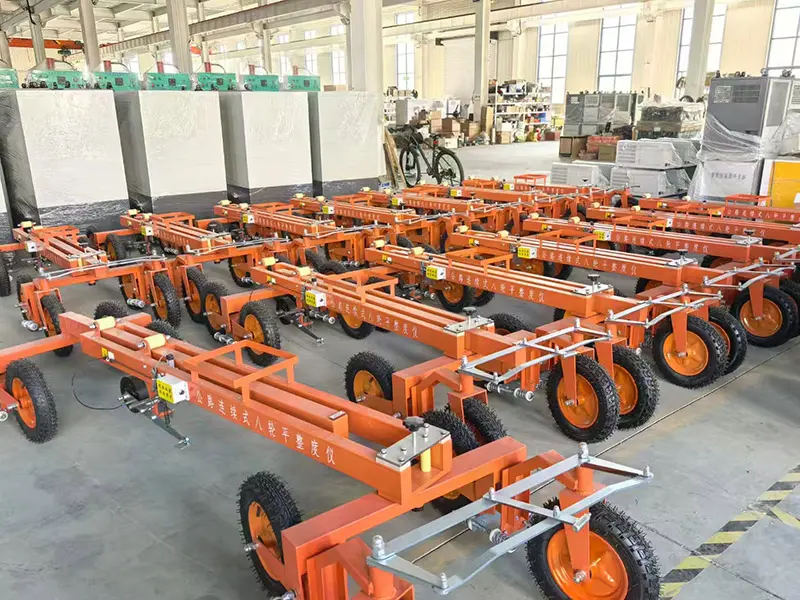
With 7500 square meters of production space, our equipment—from CNC-machined permeameters to electronic load rings—is used by government agencies and commercial labs worldwide.
Compliance with ASTM D2434 and D5084 is standard. Our systems go further by offering "ministerial-award" winning tech that fills domestic and international gaps.
Years Experience
Production Base
National Awards
Quality Guarantee
The application of permeability data varies wildly across localized scenarios. In coastal regions, it is used to model saltwater intrusion. In mining sectors, such as those utilizing our Custom Rock Coal Permeability Coefficient Tester, it is vital for gas drainage and preventing coal-and-gas outbursts.
Strategic Macro Solutions:
The coefficient is influenced by soil grain size, void ratio, fluid viscosity (temperature dependent), and the degree of saturation. Our digital testers include temperature compensation and automated saturation protocols to ensure E-E-A-T compliant data.
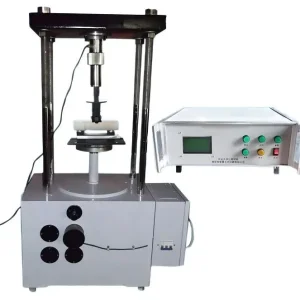
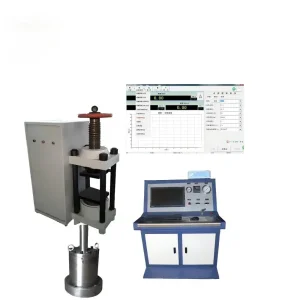
Automated triaxial systems allow for the measurement of permeability under specific confining pressures that mimic real-world burial depths, providing a more accurate "in-situ" value compared to unconfined lab tests.
Every machine undergoes a rigorous quality control process in our 7500sqm facility, utilizing CNC lathes and argon arc welding. We follow national and ministerial standards, supported by research from Chang'an University.
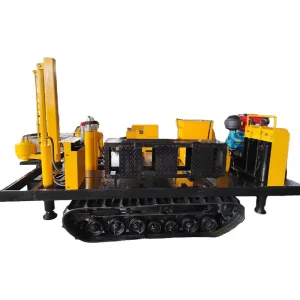
Yes. We specialize in OEM and custom solutions, including crawler-type CPT vehicles and high-accuracy direct shear machines tailored to specific geological survey requirements.
With more than 15 years of civil engineering background, we are a leader in the production and sales of geotechnical testing instruments. Our "Xiya" trademark is a symbol of quality in Shaanxi Province and across the global market. Our expertise spans from asphalt mixture testing to advanced semiconductor laser research.
Our Strength: Our research team consists of personnel from elite polytechnic universities, ensuring that our products fill the technical gaps at home and abroad. Our machines are the cornerstone of success for government agencies and commercial labs worldwide.
 Zealchon Electronic