Explore our high-performance soil, bitumen, and pavement materials testing range calibrated to global precision standards.
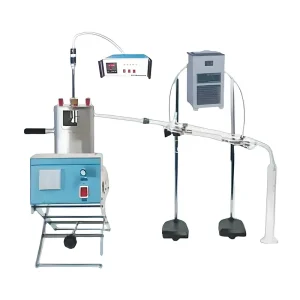
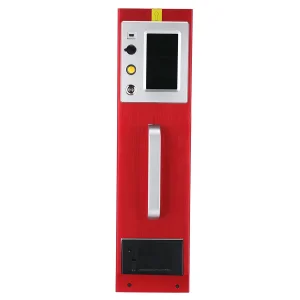
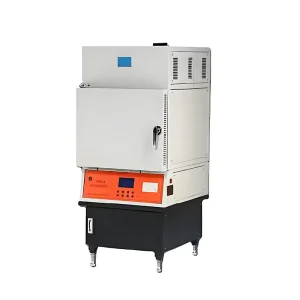
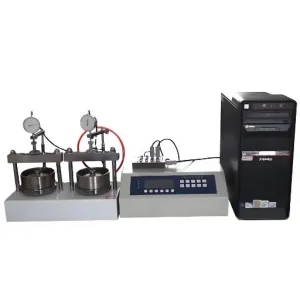
Providing technical information gain on soil consolidation mechanics, dynamic force distribution, and repeatable testing parameters.
The core objective of the Proctor Compaction Test is to determine the relationship between soil moisture content and dry unit weight (density) under controlled compactive effort. Civil engineers utilize this data to identify the Optimum Moisture Content (OMC) and the Maximum Dry Density (MDD) of a soil sample. Standardizing this compaction effort is crucial for the stability of roads, bridges, airport runways, and earth dams.
Compaction is achieved by applying dynamic mechanical energy to soil placed in standardized molds. The process forces the air voids out of the soil matrix, bringing soil particles into closer contact and increasing the shear strength and load-bearing capacity of the soil subgrade. Utilizing automated laboratory compactors ensures that the exact required energy (either 600 kN-m/m³ for Standard Proctor or 2,700 kN-m/m³ for Modified Proctor) is applied consistently, eliminating human errors associated with manual compaction rammers.
| Parameter | Standard Proctor (ASTM D698) | Modified Proctor (ASTM D1557) |
|---|---|---|
| Rammer Weight | 5.5 lbs (2.49 kg) | 10.0 lbs (4.54 kg) |
| Drop Height | 12.0 inches (305 mm) | 18.0 inches (457 mm) |
| Blows per Layer | 25 (4-inch / 6-inch Mold) | 25 or 56 (dependent on mold diameter) |
| Number of Layers | 3 layers | 5 layers |
| Compactive Energy | ~12,400 ft-lbf/ft³ (600 kN-m/m³) | ~56,250 ft-lbf/ft³ (2,700 kN-m/m³) |
A premier manufacturer with over 15 years of deep expertise in civil engineering testing instruments.
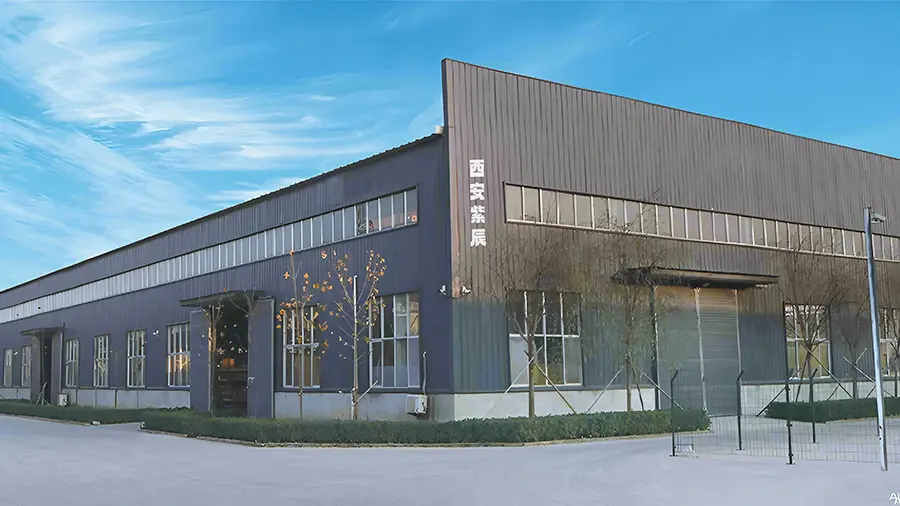
With more than 15 years of civil engineering background, Xi'an Zealchon is located in the New Technology Industry Development Zone in Xi'an, an ancient and historically rich technological hub in China. Our facility covers a total building area of 7,500 square meters.
We manufacture and supply premium quality testing instruments for civil engineering, geological survey, water conservancy and hydropower, roads and bridges, highways, railways, and commercial airports. We specialize in the production and sales of geotechnical testing instruments, asphalt and asphalt mixture testing instruments, cement, and concrete testing equipment.
Zealchon is committed to manufacturing and supplying a qualitative array of research and laboratory testing equipment. We focus on two main core divisions: civil engineering research and experimental apparatus, and semiconductor laser research and development. Our comprehensive catalog includes research lab instruments, soil testing instruments, bitumen testing instruments, and cement & concrete testing equipment.
Uncompromising quality control backed by advanced machining technology and strategic university partnerships.
Our advanced production workshop utilizes state-of-the-art manufacturing machinery, including advanced machining centers, CNC lathes, milling machines, planers, grinders, shearing machines, bending machines, electric welders, and argon arc welders to maintain high tolerances.
Under the guidance and academic cooperation of professors and researchers from Chang'an University Highway College, Air Force Engineering University, and Xi'an University of Technology, we introduced core technology to develop a series of professional testing instruments. The "Xiya" trademark was rated as a prestigious trademark of Shaanxi Province.
Our dedicated research team was founded by elite academic personnel from Chang'an University, Xi'an Polytechnic University, and Xi'an Petroleum University. This deep integration of academic research and physical manufacturing places our technology at the absolute forefront of geotechnical testing.
Our research and development efforts have established multiple domestic and international standards for structural, road, and bridge deck test systems. Several specialty equipment designs have filled critical technology gaps in domestic and international testing, earning multiple national, ministerial, and provincial technology awards.
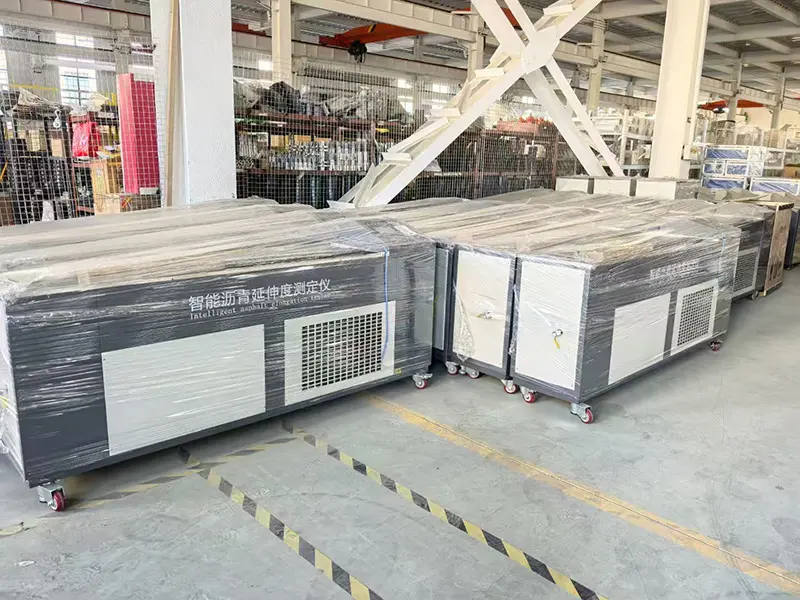
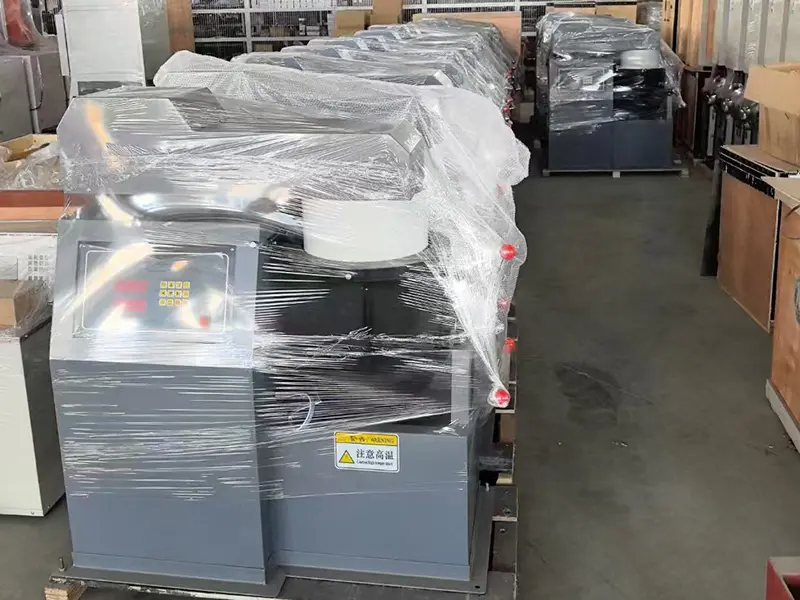
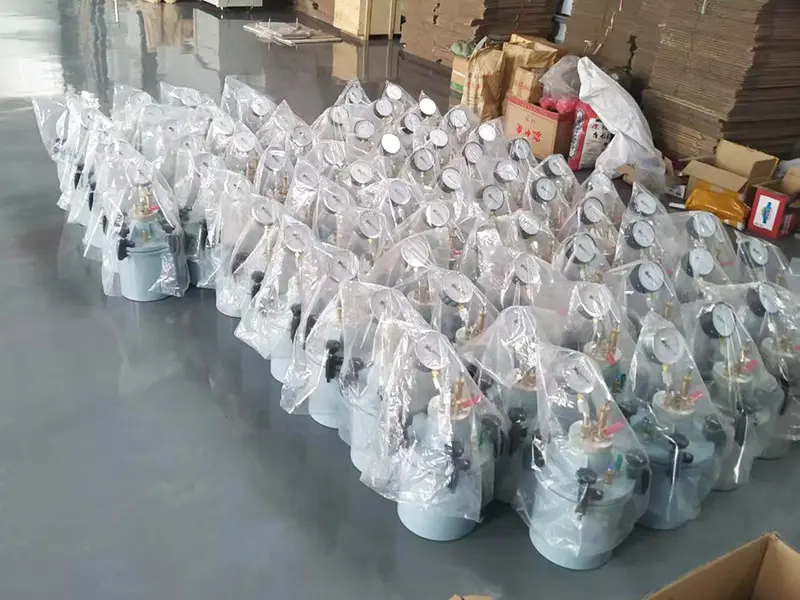
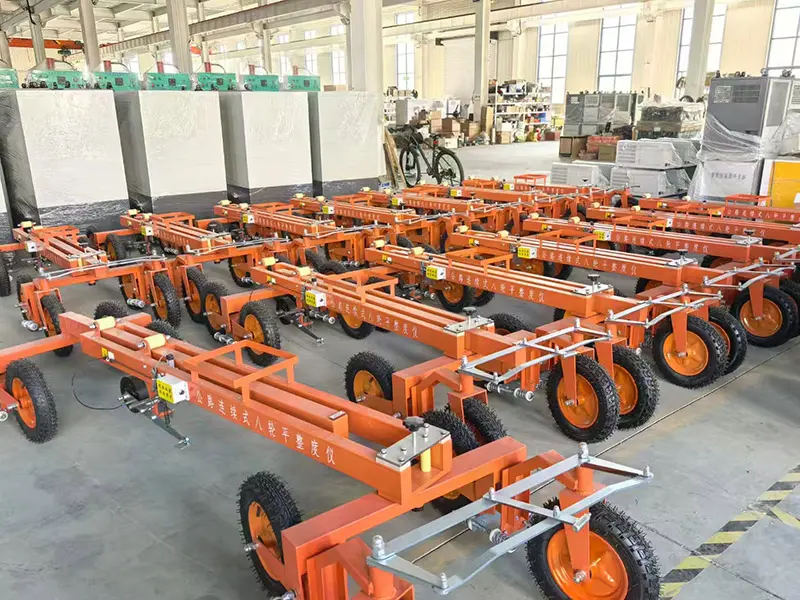
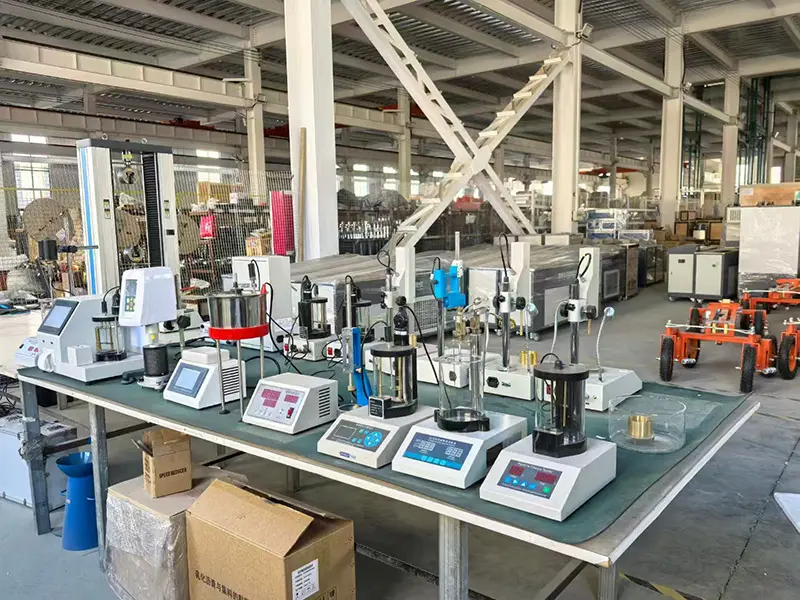
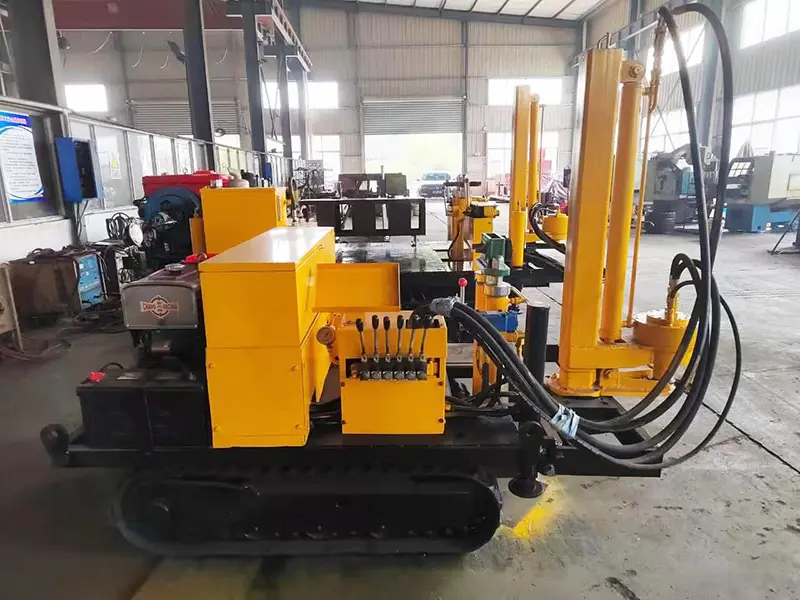
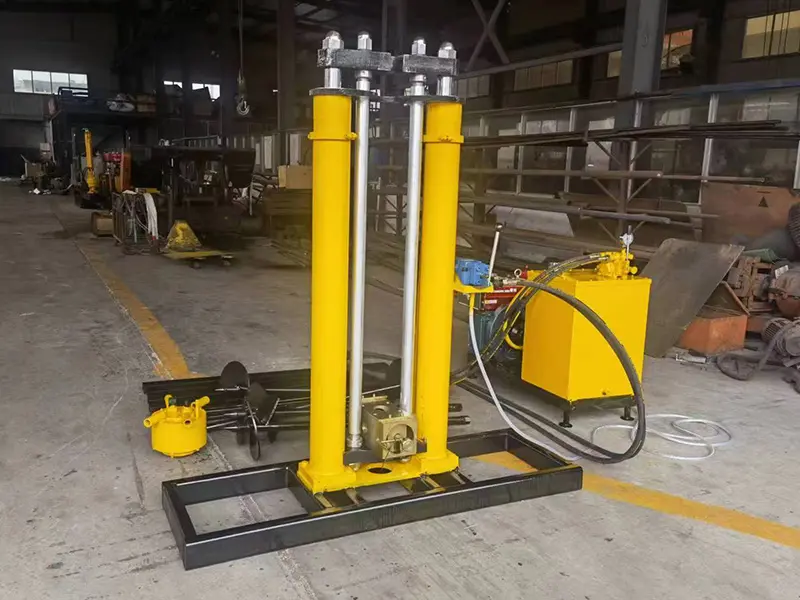
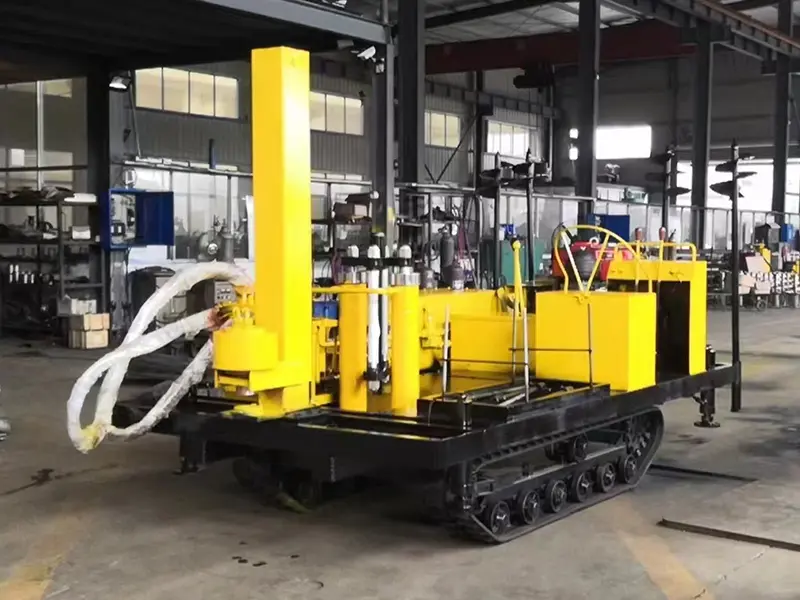
Visual verification of our precision manufacturing workshops, testing centers, and high-accuracy assembly lines.
Why global infrastructure networks source geotechnical laboratory instruments directly from Zealchon China.
China's manufacturing ecosystem provides unparalleled access to raw materials, specialty structural steels, and precise electromechanical components. Located in the high-tech hub of Xi'an, Zealchon utilizes localized casting and state-of-the-art CNC machining clusters. This localized supply chain reduces raw material lead times and enables custom modifications at a fraction of Western production costs, giving international procurers a significant competitive advantage.
Infrastructure construction has zero tolerance for deviation. Geotechnical test systems must strictly conform to global standards including ASTM D698, ASTM D1557, AASHTO T99, AASHTO T180, and BS 1377. Zealchon machines are calibrated using high-precision load cells and NIST-traceable measurement metrics. We configure our control software, digital interfaces, and power systems (such as 110V/60Hz or 220V/50Hz) to match the national power grid and language demands of your region.
Global engineering firms and government testing agencies need long-term durability and prompt supply chains. We offer comprehensive OEM and wholesale options designed for commercial laboratory testing networks, ready-mix concrete suppliers, structural design institutes, and university research groups. With three guarantees of customer support and readily available replacement parts, we ensure zero operational downtime on crucial infrastructure projects.
Integration of AI, cloud-based data tracking, and automation in Proctor and soil moisture-density evaluations.
The geotechnical testing field is undergoing a transition from manual operations to fully automated, digitally integrated laboratory systems. Traditional methods required operators to manually lift and drop rammers, leading to variance in drop heights and compaction coverage.
Modern automated soil compactors utilize precision-controlled microprocessors to govern indexing tables and tracking mechanisms. The next generation of Proctor compaction systems integrates:
Practical engineering settings where Proctor compaction data forms the foundation of structural stability.
Expressways and high-speed rail lines are subject to millions of cyclic load repetitions. Subgrade soils must be compacted to at least 95% to 98% of the Maximum Dry Density derived via Modified Proctor tests (ASTM D1557) to prevent settlement and lateral pavement shifting.
Hydraulic barriers require clay cores with extremely low hydraulic conductivity. Compacting cohesive soils slightly wet of the Optimum Moisture Content (OMC) helps seal potential leakage pathways. Heavy laboratory Proctor testing determines this precise moisture threshold.
Industrial plants and logistics centers require stable foundations to avoid cracking. Geotechnical firms use automated dynamic compactors to determine the maximum bearing capacity of the soil before foundation slabs are poured.
Delivering reliability through three core corporate commitments.
Our company keeps pace with the development of national, ministerial, and industry standards, and maintains a structured sales and service mechanism. Our instruments are highly trusted by laboratories worldwide.
We adhere to a corporate spirit of "people-oriented, unity and cooperation, and the pursuit of excellence," focusing on "quality first, honesty, and customer first." All of our operations are aligned with meeting customer requirements.
Zealchon has grown into a technology-based professional enterprise supplying high-quality products and professional support. We guarantee all sold equipment with three separate warranties and offer craftsman-level technical service.
Get authoritative, technical answers to common questions about Proctor compaction and soil density testing.
The difference lies in the compactive effort applied to the soil. The Standard Proctor test (ASTM D698) utilizes a 5.5 lb (2.49 kg) rammer dropped from a height of 12 inches, applying approximately 600 kN-m/m³ of energy. The Modified Proctor test (ASTM D1557) was designed for heavier modern traffic loads and utilizes a 10 lb (4.54 kg) rammer dropped from 18 inches, applying 2,700 kN-m/m³ of energy.
Our automated soil compactors utilize digital blow counters and micro-controlled indexing tables to distribute blows uniformly across the sample surface. By automating the dropping mechanism, we maintain an exact, repeatable drop height regardless of the soil layer's thickness, eliminating human physical variability.
While standard 4-inch (101.6 mm) and 6-inch (152.4 mm) molds are used for ASTM testing, BS and EN standards require slightly different metric measurements (e.g., 100 mm and 150 mm molds). Zealchon provides standard-specific conversion kits, molds, and adjustable rammer face plates to ensure compliance with ASTM, AASHTO, BS, and EN testing requirements.
We provide comprehensive international shipping documentation, including Certificates of Origin, custom HS classification codes, test calibration certificates, and export-ready wooden crate packaging. Our sales team coordinates with global freight forwarding partners to ensure safe delivery to your laboratory or construction facility.
At low moisture levels, friction between soil particles is high, hindering compaction. As moisture is added, water acts as a lubricant, enabling the soil particles to slide into a denser configuration under compaction effort. However, exceeding the Optimum Moisture Content (OMC) causes water to fill the remaining void space. Because water cannot be compressed, it pushes soil particles apart, reducing dry density.
Complementary high-precision systems for rock, soil, bitumen, and materials performance analysis.
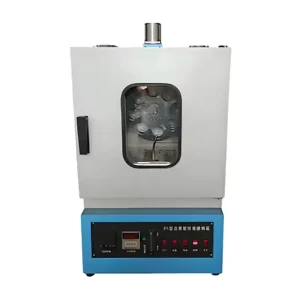
 Zealchon Electronic