Industry-leading precision instruments for soil, rock, and pavement analysis.
The Dynamic Cone Penetration (DCP) test has emerged as the global gold standard for rapid, in-situ evaluation of soil consistency and pavement subgrade strength. From the rapid infrastructure expansions in Southeast Asia to the rigorous maintenance of the interstate systems in North America, the DCP procedure is indispensable. As an OEM manufacturer, we provide the hardware that drives these mission-critical data points.
The industry is shifting toward Digitalization and Automation. Manual data logging is being replaced by integrated laser sensors and GPS-tagged electronic head units. We are seeing a 40% increase in demand for "Smart DCP" systems that correlate penetration rates directly with CBR (California Bearing Ratio) values in real-time via cloud-based analytics.
In permafrost regions of Northern Europe, DCP is used to detect seasonal thaw cycles. In the tropical regions of Brazil and Africa, it identifies lateritic soil profiles that affect road longevity. Our equipment is calibrated to meet these diverse geological stressors, ensuring procedural integrity across all climates.
As a leading OEM Dynamic Cone Penetration Test Procedure Manufacturer, we emphasize that the reliability of the test lies in the strict adherence to ASTM D6951/D6951M standards. Below is the expert-grade technical roadmap for execution:
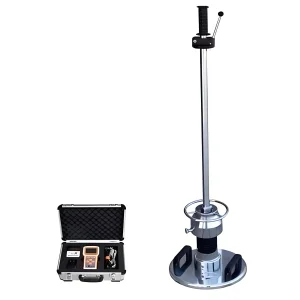
Before the test, the 8kg (17.6 lb) hammer must be inspected for friction-free travel on the guide rod. The 60-degree tempered steel cone must be checked for wear; a diameter reduction of more than 3% necessitates immediate replacement to ensure accurate stress distribution.
The DCP is held vertically. The operator lifts the hammer to the maximum height and allows it a free fall. The penetration per blow (measured in mm/blow) is recorded. This "incremental depth" is the raw data that defines the soil's shear resistance.
Using the Zealchon proprietary algorithms, the penetration rate (PR) is converted to the CBR value using the standard equation: Log10(CBR) = 2.46 - 1.12 * Log10(PR). This allows engineers to assess the subgrade modulus without the need for expensive and time-consuming laboratory triaxial tests.
Years of Civil Engineering Excellence
State-of-the-Art Manufacturing Building Area
National & Provincial Patents Awarded
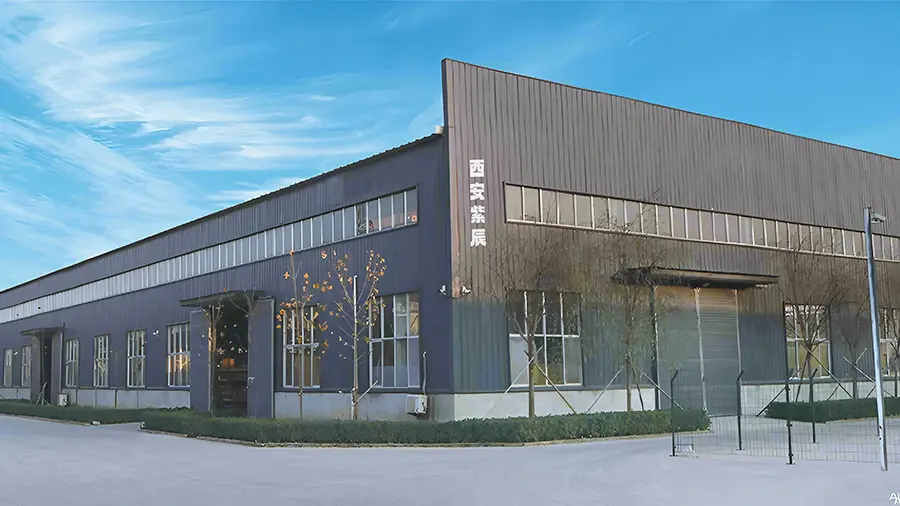
Under the guidance and cooperation of many professors and researchers from Chang'an University Highway College, Air Force Engineering University, and Xi'an University of Technology, we developed professional testing instruments that fill the gaps in the domestic and international market.
Our workshop features high-precision CNC lathes, milling machines, and argon arc welding. We specialize in geotechnical, asphalt, and structural testing equipment that meets the highest ministerial awards.
Zealchon machines are used worldwide by government agencies, commercial testing laboratories, and contractors. Our dedication to quality products and value has become the cornerstone of our growth.
The future of Dynamic Cone Penetration testing is intertwined with AI and Big Data. Our R&D team is currently working on:
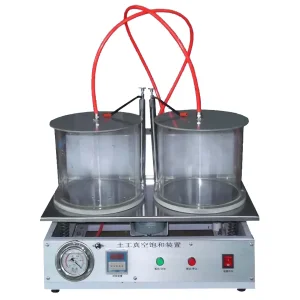
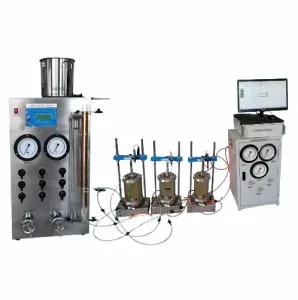
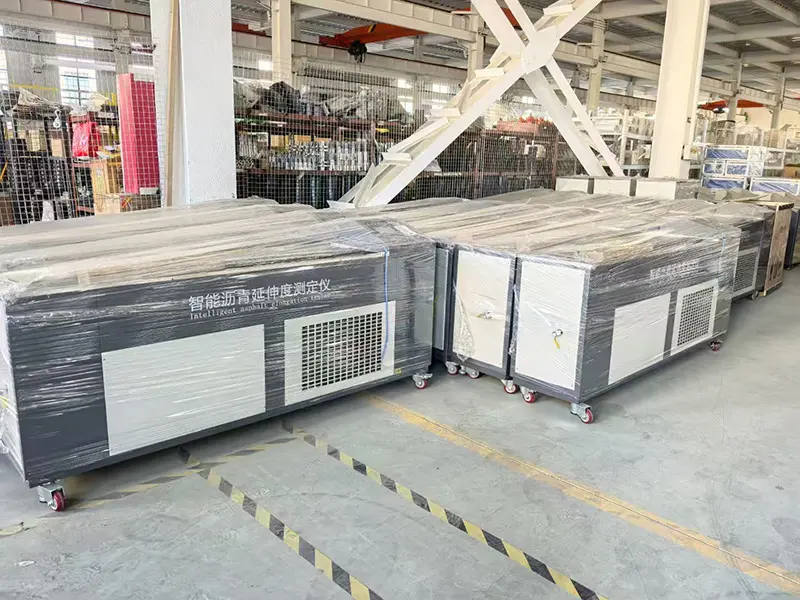
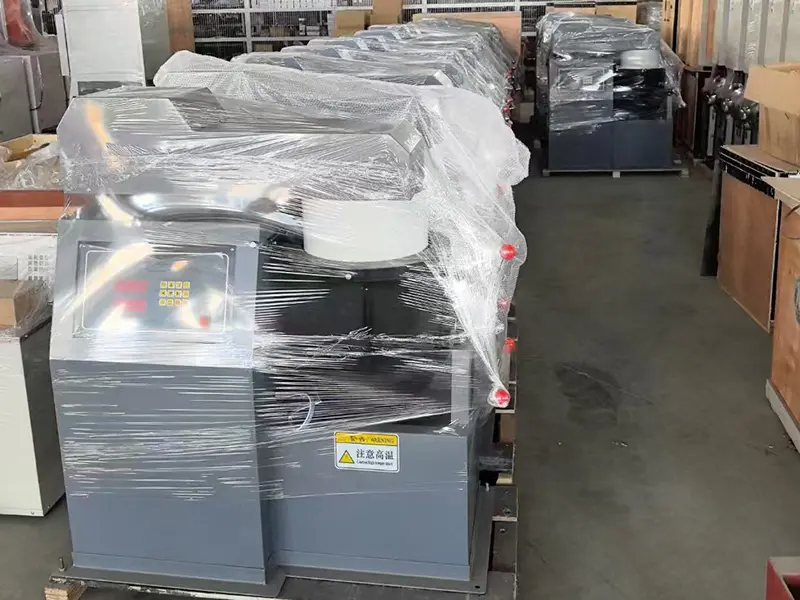
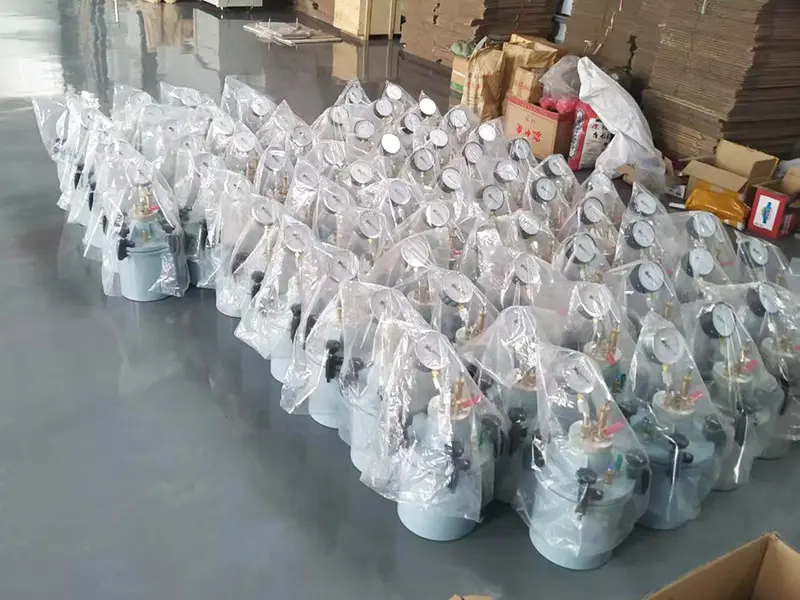
Beyond individual tools, Zealchon provides Integrated Geotechnical Ecosystems. We don't just sell a DCP; we provide the vacuum saturation devices, triaxial testers, and pavement depth testers required for a full-lifecycle pavement analysis.
A: The DCP measures the resistance of soil to penetration. Through empirical formulas like the Kleyn and Van Heerden model, the penetration rate is converted to CBR. This is highly effective for thin pavement layers where traditional CBR testing is impractical.
A: Yes, however, in highly plastic clays, the "side friction" on the rods can influence results. Our high-precision rods are designed with a smaller diameter than the cone head to minimize this friction, ensuring more accurate data.
A: Depending on soil abrasiveness, a cone should be replaced every 50-100 tests or when the tip loses its sharpness. As a manufacturer, we provide bulk replacement tips to ensure your projects never stall.
A: Absolutely. Our products are engineered to exceed ASTM, AASHTO, and various European (EN) standards. Our "Xiya" trademark is a symbol of quality trusted across the globe.
The company keeps up with the pace of national standards, ministerial standards, and industry standards testing. The products are deeply trusted by user units worldwide.
We adhere to "people-oriented, unity and cooperation, pursuit of excellence." Everything is based on customer needs as the ultimate working goal.
Providing the market with high-quality products and professional services. We promise three guarantees for all products sold, backed by craftsman spirit!
 Zealchon Electronic