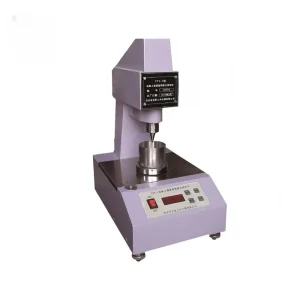
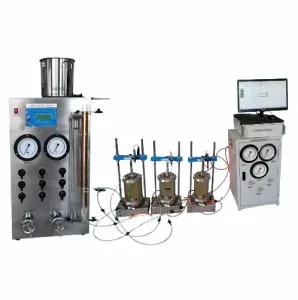
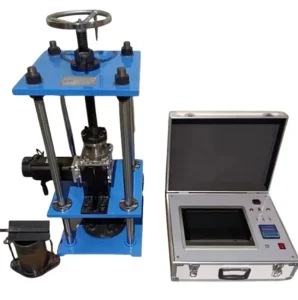
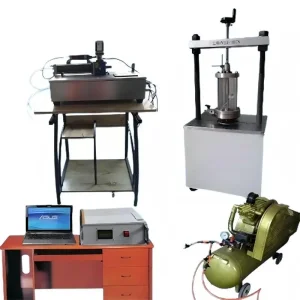
In geotechnical engineering, the coefficient of earth pressure at rest ($K_0$) is a critical parameter that defines the ratio of horizontal effective stress to vertical effective stress in a soil mass that has not undergone any lateral strain. Accurate calculation and measurement of this coefficient are vital for the design of deep foundations, retaining walls, and underground structures such as subways and tunnels.
Unlike active or passive pressure, static lateral pressure represents the "equilibrium" state of the earth. As a leading OEM manufacturer, Xi'an Zealchon provides the high-precision triaxial and oedometer systems necessary to derive these values under controlled laboratory conditions, ensuring safety and structural integrity in multi-billion dollar infrastructure projects.
The most widely accepted empirical approach for normally consolidated soils is Jaky's Formula:
K₀ = 1 - sin(φ').
While effective for preliminary designs, specialized engineering requires direct measurement to account for Over-Consolidation Ratios (OCR).
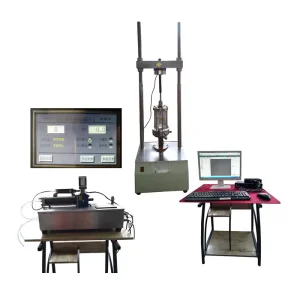
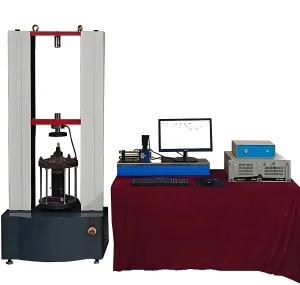
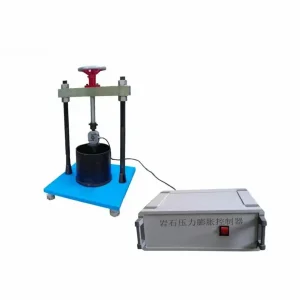
Utilizing stress-controlled triaxial rheological testers allows engineers to simulate in-situ stress paths. By maintaining zero lateral strain while increasing vertical load, the $K_0$ value can be observed in real-time through high-sensitivity sensors.
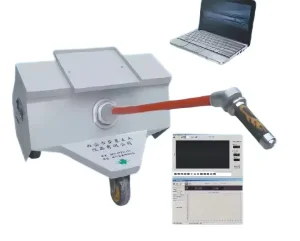
Modern geotechnical practices integrate laboratory results with Field Vane Shear and Pressuremeter tests to create a comprehensive soil profile, minimizing the Information Gain gap between theory and reality.
Geotechnical requirements vary drastically across the globe. From the soft clays of Southeast Asia to the expansive loess of Northwest China, the Soil Static Lateral Pressure coefficient must be localized. Xi'an Zealchon, situated in the heart of China's high-tech zone, leverages over 15 years of civil engineering expertise to address these regional nuances.
In China, our equipment is tailored for the Loess Plateau's unique geological structure, where collapse potential and high vertical stress require specialized static pressure calculations. Internationally, our OEM services align with ASTM and Eurocode standards, providing global construction firms with reliable, localized data support.
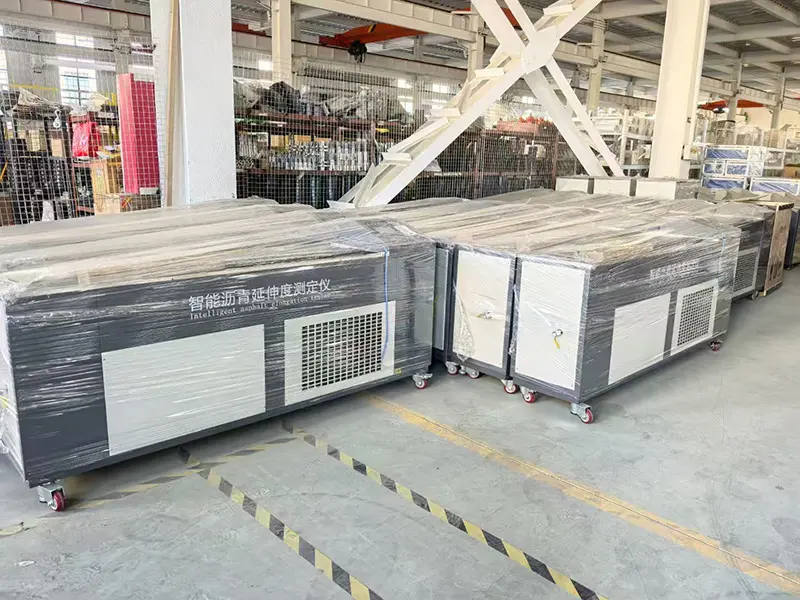
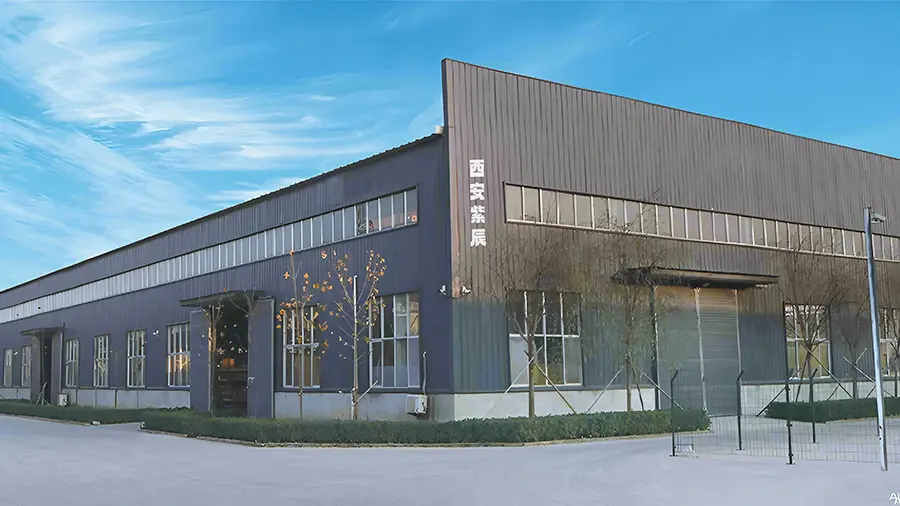
Xi'an Zealchon Electronic Technology Co., Ltd stands as a pillar of manufacturing excellence. Our production workshop is equipped with state-of-the-art CNC lathes, milling machines, and machining centers. This vertically integrated supply chain ensures:
Our "Xiya" trademark is recognized for its reliability in air force engineering and highway development, fulfilling gaps in the global market for high-tier geotechnical instruments.
The next generation of $K_0$ calculation will involve machine learning algorithms that predict lateral pressure based on real-time sensor data from deep excavations, reducing human error.
Integrated geotechnical platforms will allow engineers to monitor static pressure across global project sites from a single dashboard, facilitated by Zealchon’s smart testing hardware.
Optimizing lateral pressure calculations leads to more efficient use of concrete and steel in foundations, directly contributing to the reduction of the construction industry's carbon footprint.
Under the guidance and cooperation of many professors and researchers from Chang'an University Highway College, Air Force Engineering University, and Xi'an University of Technology, we introduced technology to develop a series of professional and core technology testing instruments.
Some of these products fill the gaps in similar instruments and have won ministerial and provincial awards. The "Xiya" trademark was rated as a trademark of Shaanxi Province.
Our machines are used world-wide by government agencies, commercial testing laboratories, ready mix producers, contractors and universities.
 Zealchon Electronic