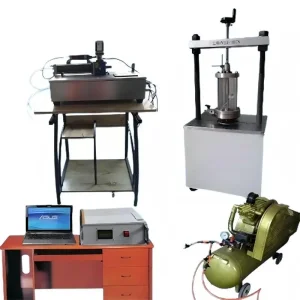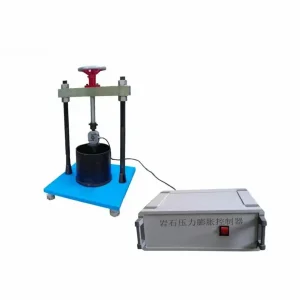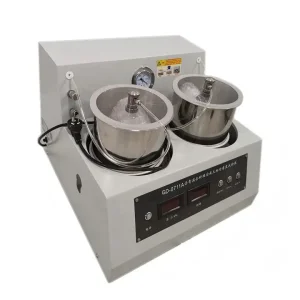
Soil compaction serves as the foundation for modern infrastructural integrity. In civil engineering, geotechnical testing, and structural agriculture, measuring soil compaction levels accurately prevents premature structural failures, optimizes agronomic yields, and ensures compliance with strict municipal regulations. Digital Soil Compaction Testers, often referred to as digital penetrometers, measure the resistance of soil to penetration (expressed in kilopascals, PSI, or mega-pascals) and map compaction layers throughout the soil profile.
Globally, the market for digital geotechnical testing instruments is surging due to unprecedented investments in smart city projects, deep subgrade rail corridors, and high-precision highways. According to industry reports, structural failure caused by inadequate soil compaction represents one of the leading expenses in highway maintenance. Consequently, engineering firms and contractors are replacing traditional, slow physical cone penetrometers with modern digital variants that record depth, force, and GPS coordinates concurrently, accelerating quality control processes on active job sites.
Established with a profound legacy in precision measurement, Xi'an Zealchon Electronic Technology Co., Ltd is situated in the high-technology industry development zone of Xi'an, China. With a solid foundation spanning over 15 years in civil engineering, geological survey, water conservancy, and transport infrastructure development, Zealchon has scaled into an industry-leading manufacturer of high-end geotechnical, asphalt, and concrete testing instruments.
Our expansive 7,500 square meter physical building facility houses advanced research divisions and automated manufacturing workshops. We design, calibrate, and supply laboratory testing apparatus that comply with ASTM, AASHTO, and ISO parameters. By establishing academic and technological partnerships with distinguished professors and researchers from Chang'an University Highway College, Air Force Engineering University, and Xi'an University of Technology, we have developed a suite of proprietary instruments under our prestigious provincial trademark, "Xiya".
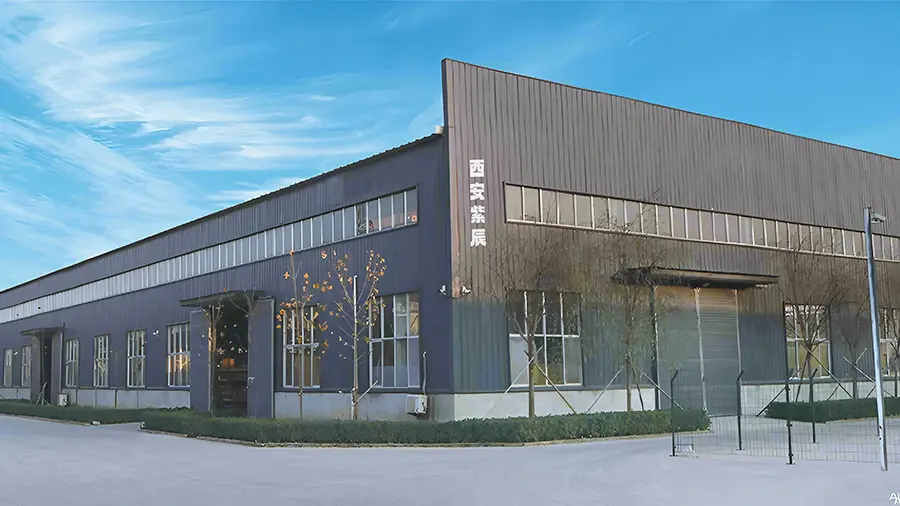
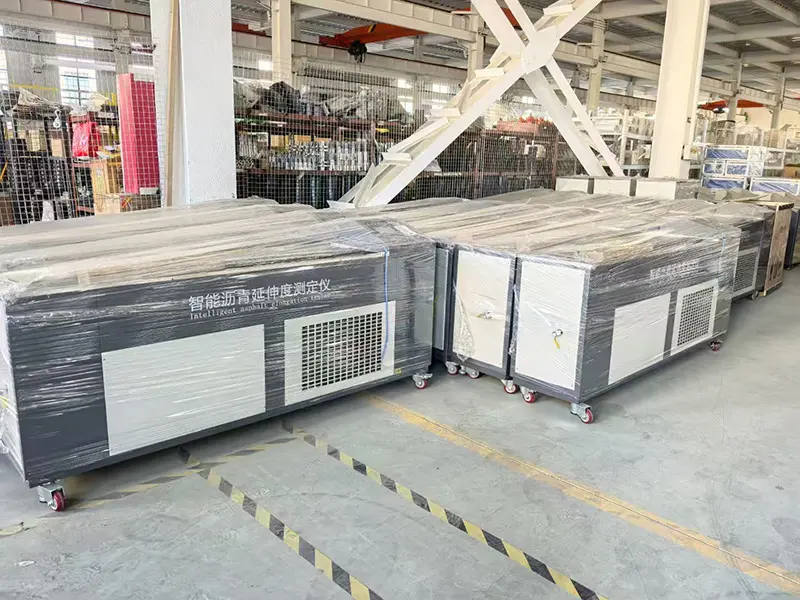
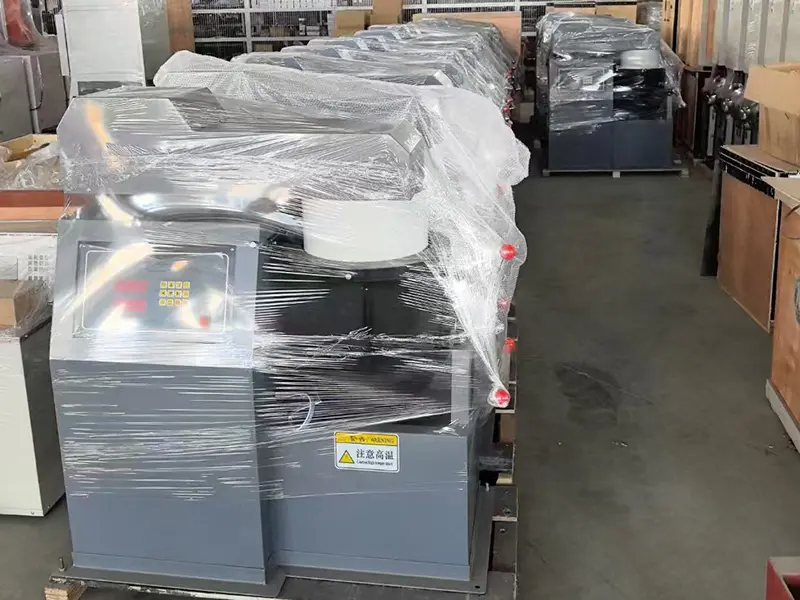
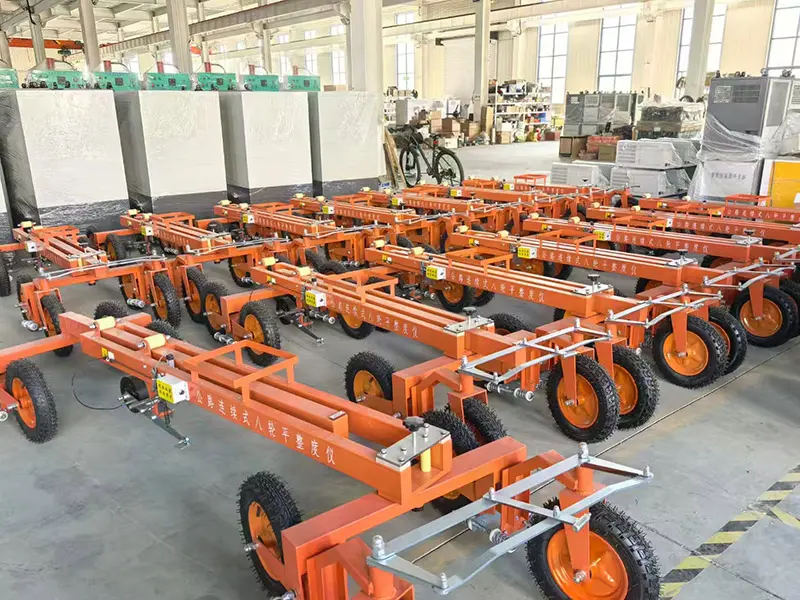
The manufacturing infrastructure of China offers unique structural advantages in high-precision testing machinery. Zealchon’s advanced workshop is outfitted with state-of-the-art machinery including CNC machining centers, high-accuracy CNC lathes, heavy-duty milling systems, surface grinders, bending machines, and specialized argon arc welding units. This vertical integration allows us to execute every step of production in-house, ensuring robust quality control and competitive wholesale pricing.
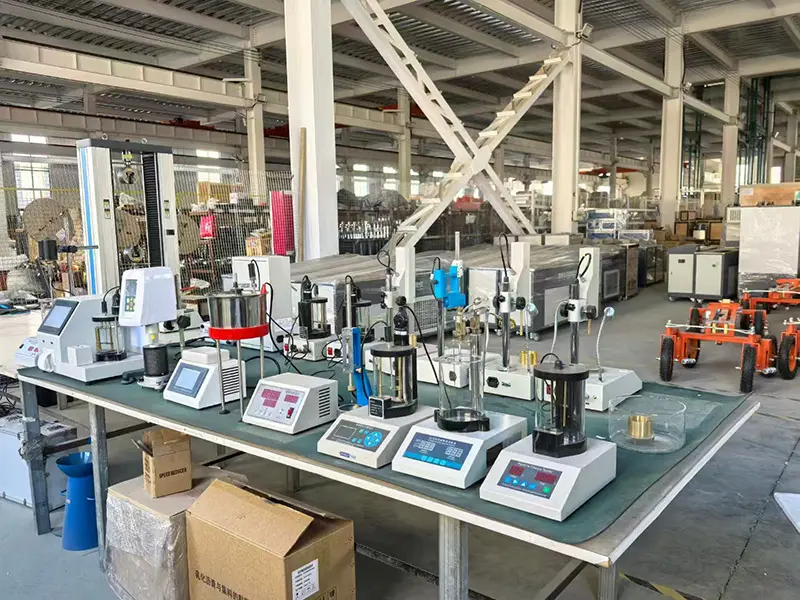
Collaborative R&D with local elite engineering universities allows us to implement cutting-edge software algorithms and electronic configurations directly into our digital testers. Unlike manual assembly operations, our production cycles leverage computerized calibration blocks. Each load cell and sensor integrated into our Digital Soil Compaction Testers undergoes dynamic load testing to verify repeatable accuracy. This synergy of academic knowledge and industrial capacity enables us to supply high-end equipment that matches or exceeds European or North American specifications at a fraction of the market cost.
Cooperation with Chang'an University and Air Force Engineering University to fill domestic and international gaps in high-precision soil testing technology.
Outfitted with modern CNC mills, grinders, lathes, and high-grade welding equipment to execute complex bespoke engineering requirements.
Continuous compliance checking against national and international metrological guidelines with full "three guarantees" product assurance.
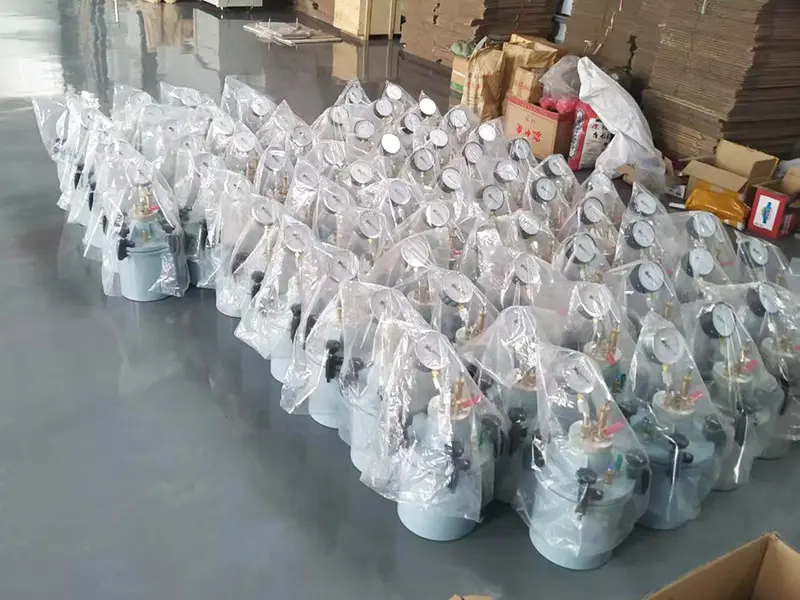
Our manufacturing unit leverages deep expertise, academic research networks, and modern diagnostic benches to ship highly durable and reliable equipment worldwide.
Modern testing environments require targeted diagnostic features. Depending on geographical variations, moisture characteristics, and project parameters, digital soil compaction testers are utilized across multiple scenarios:
Industrial procurement departments prioritizing high-quality digital testing equipment evaluate several technical aspects during selection. Quality control, system reliability, and long-term calibration support are vital selection parameters:
The digitalization of geotechnical engineering is accelerating rapidly. The integration of IoT technology is transitioning soil compaction testers from isolated diagnostic tools to connected nodes within real-time cloud tracking networks. In tomorrow’s construction environment, field-derived data points will automatically sync to BIM (Building Information Modeling) platforms via mobile applications, allowing engineers in remote offices to monitor site preparation processes instantly.
Furthermore, machine learning models will cross-reference raw compaction measurements (such as cone index values) with dynamic soil moisture sensors to generate comprehensive predictive curves for soil bearing capacity. As global construction projects adopt higher automation, digital testers will feature integrated automated driven cones, removing human operator variability from penetration readings and improving accuracy metrics.
Our testers measure the force required to press a standard cone into the soil, displaying values in PSI (Pounds per Square Inch) or kPa (Kilopascals). Simultaneously, the digital sensor calculates depth using ultrasonic or mechanical encoders, plotting compaction values continuously across the soil depth profile.
Yes. Supported by our expert R&D team and machining capabilities, we provide comprehensive OEM solutions, custom ranges, local software translations, and branding options for global distributors and testing organizations.
Soil moisture plays a crucial role in penetrometer resistance. The same soil will show higher penetration resistance when dry compared to when wet. For precise evaluations, we recommend referencing the moisture content of the soil, measured with our field soil analyzers, to establish correlation factors.
To comply with ASTM and ISO regulations, digital penetrometers and compaction units require recalibration every 12 months. Zealchon provides dedicated calibration templates and supports remote guidance for metrological verification.
 Zealchon Electronic