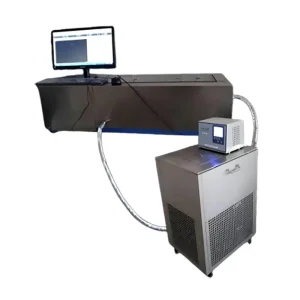
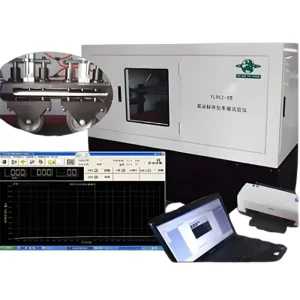
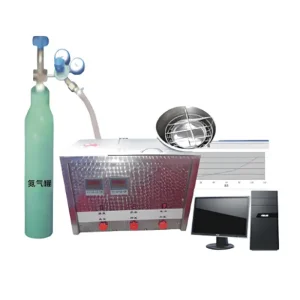
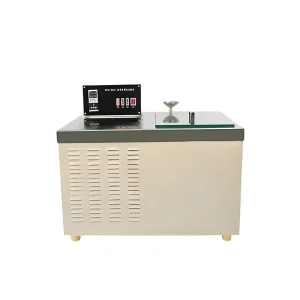
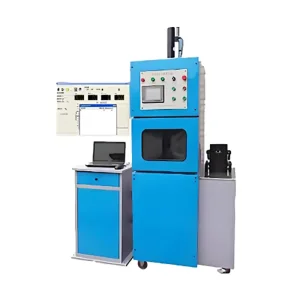
Primary testing suite optimized for assessing maritime climatic aging and aggregate compatibility under high-salinity marine conditions.
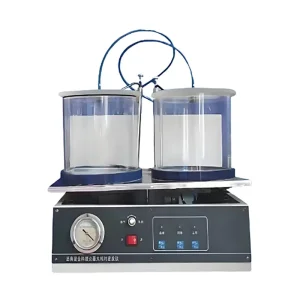
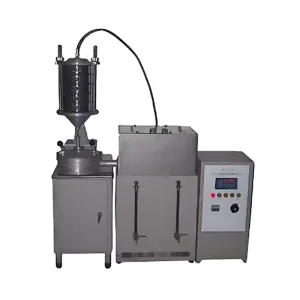
Kiribati, comprising 32 atolls and one raised coral island (Banaba), spans a vast oceanic territory. Its geographical isolation and highly vulnerable maritime climate create a unique challenge for civil engineers and contractors. Transport and roading networks, particularly on South Tarawa, act as the economic lifeline of the nation. However, construction materials are exposed to severe atmospheric salinity, persistent tidal washing, and temperatures exceeding 35°C on a daily basis.
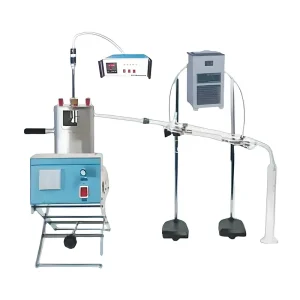
Historically, the lack of localized mechanical asphalt testing has compromised the lifespan of critical projects, such as the South Tarawa Road Improvement Project (STRIP). Traditional testing methodologies developed for continental landscapes fall short in oceanic settings. The lack of standard land mass means local aggregates are often derived from highly porous calcareous coral sand and crushed coral limestone, which exhibit extreme water absorption. In ordinary asphalt mix designs, high water absorption results in rapid binder stripping and structural raveling. Thus, specialized bitumen testing equipment is essential to verify proper binder application rates, moisture susceptibility, and kinematic viscosity under localized atmospheric pressures.
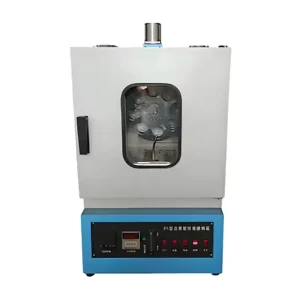
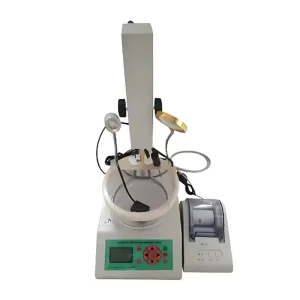
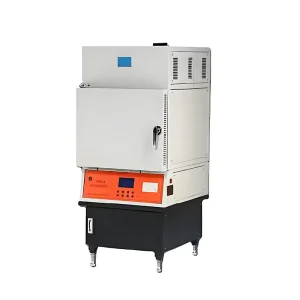
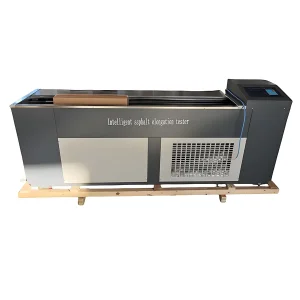
Furthermore, because bitumen binders must be imported in drum form from regional refineries in East Asia or Australasia, chemical composition variations are common. Without localized testing, such as penetration profiling, rolling thin-film oven (RTFO) pre-aging, and dynamic shear rheometry, the performance of imported bitumen is unpredictable. This variability often leads to premature rutting under heavy port logistics traffic or cracking due to rapid UV oxidation.
As an established engineering research and instrumentation company, Xi'an Zealchon Electronic Technology Co., Ltd. addresses the specific technical challenges of the Kiribati market with robust, maritime-adapted laboratory test kits. The primary engineering goal is to shift local practices from subjective asphalt grading to rigorous, objective metric evaluation conforming to ASTM D692, AASHTO T315, and EN standards.
The high absorption index of coral aggregate demands precise Specific Gravity (Gmm) tests via automatic vacuum systems. Measuring theoretical maximum density ensures optimal binder-air void balancing to resist heavy tidal loads.
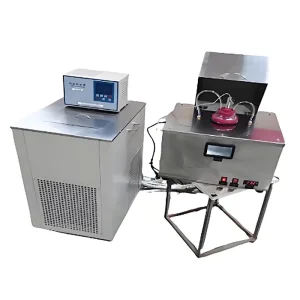
Given the proximity of local laboratories to coastal salt spray, all Zealchon water baths, extraction chambers, and compression frames feature high-grade SUS304/SUS316 stainless steel with marine-grade powder coating.
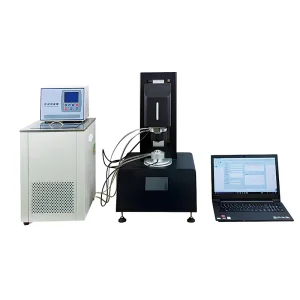
Equatorial heat causes rapid visco-elastic transition in bitumen. Our Dynamic Shear Rheometers (DSR) and Bending Beam Rheometers (BBR) ensure structural performance values are measured accurately at 60°C+ service limits.
Remote geography makes post-sales service challenging. We integrate digital modular components, self-diagnostic software, and robust remote-calibration sensors to empower field technicians in Tarawa, Kiritimati, and outer islands.
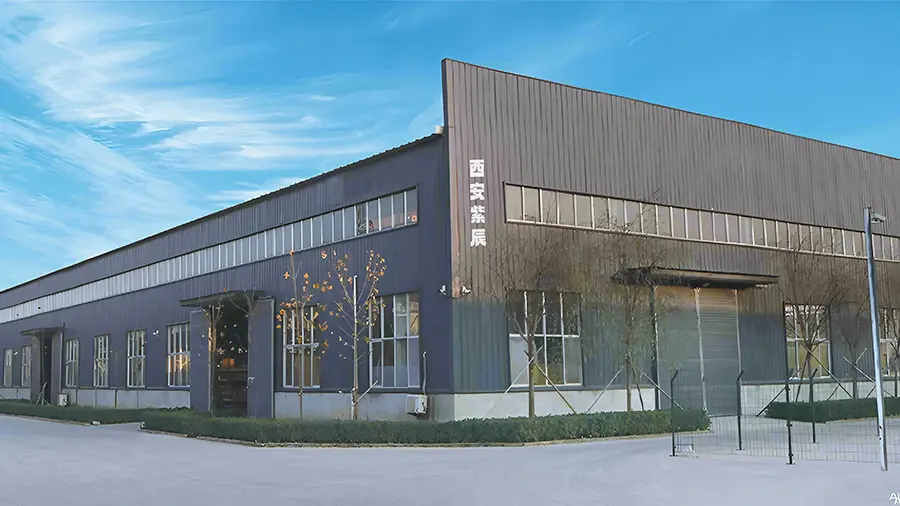
With more than 15 years of civil engineering background, located in the new technology industry development zone in Xi'an, an ancient city in China. It covers an area of 7500 square meters of building area. We manufacture and supply testing instruments for civil engineering, geological survey, water conservancy and hydropower, roads and bridges, highways, railways, and airports.
Zealchon specializes in the production and sales of geotechnical testing instruments, asphalt and asphalt mixture testing instruments, cement and concrete testing instruments. We are engaged in manufacturing and supplying a qualitative array of research and laboratory testing equipment. One division specializes in civil engineering research and experimental apparatus, while another focuses on semiconductor laser research and development. Our range includes research lab instruments, soil testing instruments, bitumen testing instruments, and cement & concrete testing equipment.
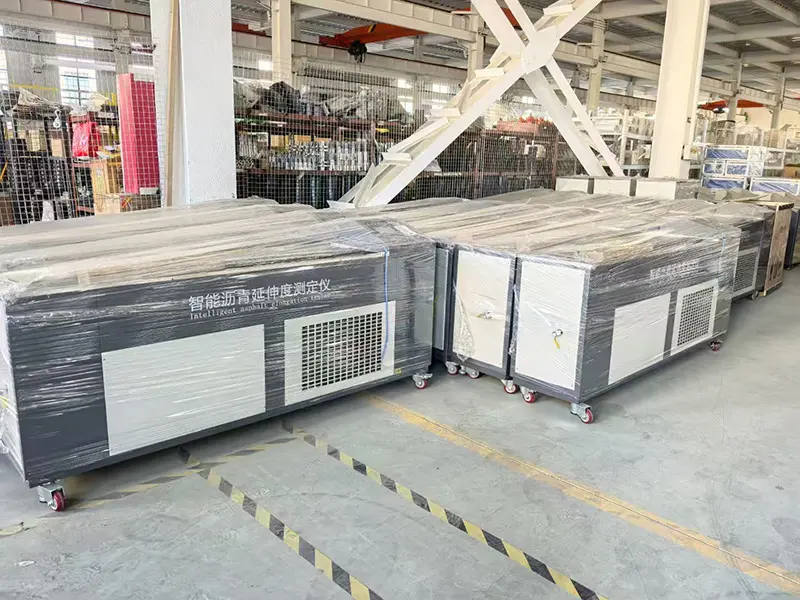
Our production workshop is equipped with specialized machinery, including machining centers, CNC lathes, milling machines, planers, grinders, shearing machines, bending machines, electric welders, and argon arc welders. This allows us to maintain strict tolerances and quality control over all components.
Under the guidance and cooperation of professors and researchers from Chang'an University Highway College, Air Force Engineering University, and Xi'an University of Technology, we developed professional testing instruments for asphalt, pavements, bridge decks, geotechnics, and structural testing. The "Xiya" trademark was rated as an official trademark of Shaanxi Province. Our research team comprises alumni and senior researchers from Chang'an University, Xi'an Polytechnic University, and Xi'an Petroleum University.
Our research and development has established leading domestic and international standards. Several of our products fill critical instrumentation gaps, winning national, ministerial, and provincial awards. Today, our machines are used worldwide by government agencies, commercial testing laboratories, ready-mix producers, contractors, and universities.
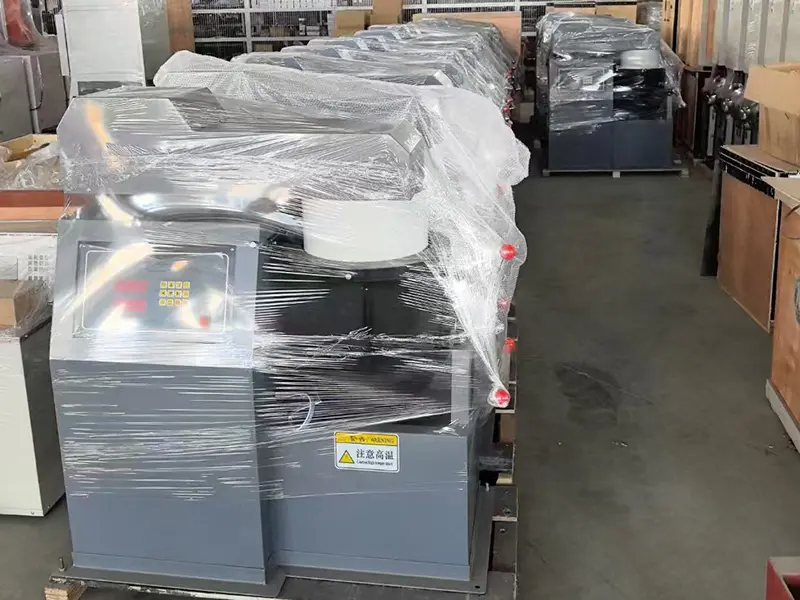
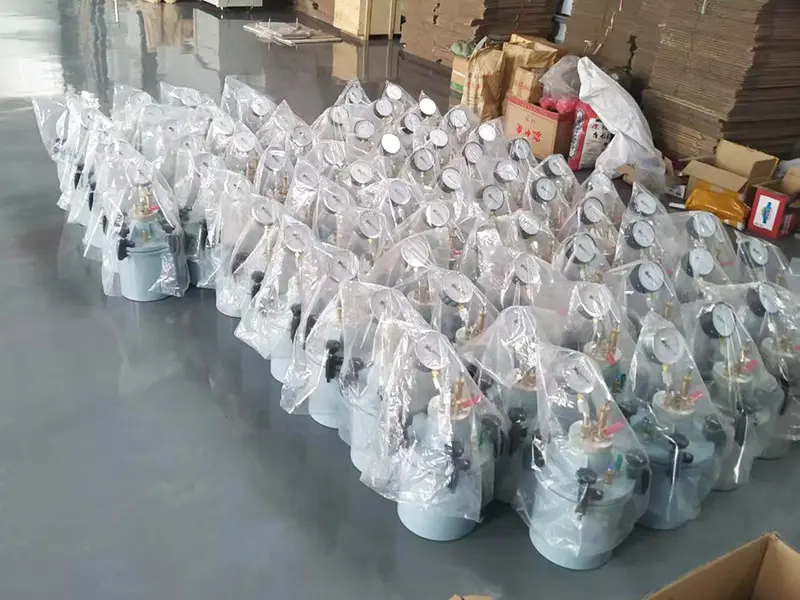
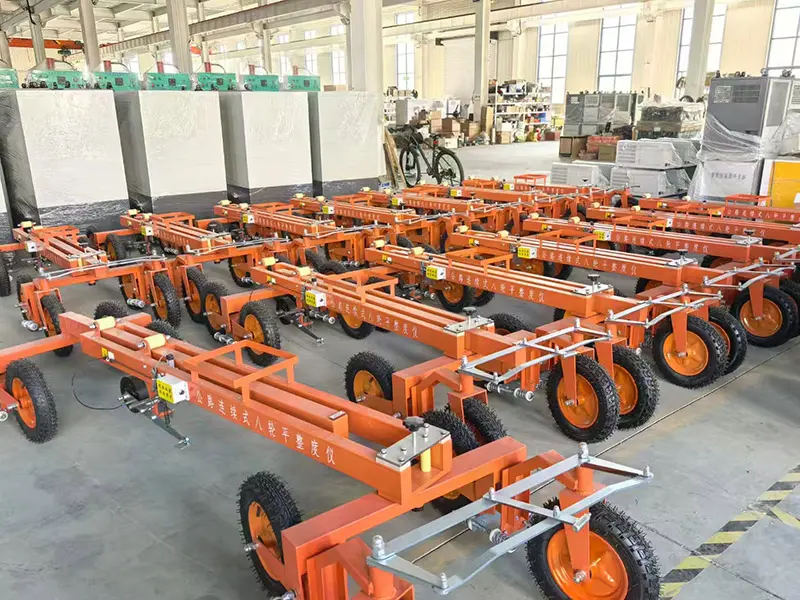
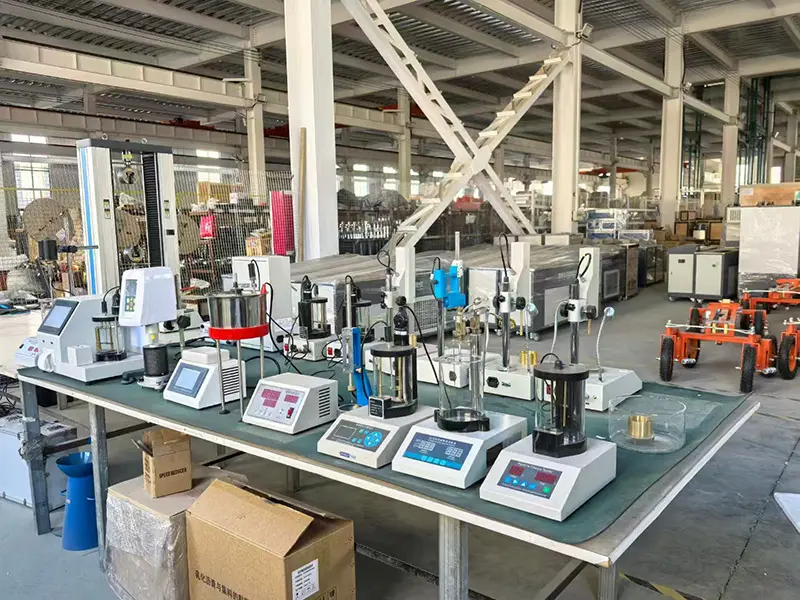
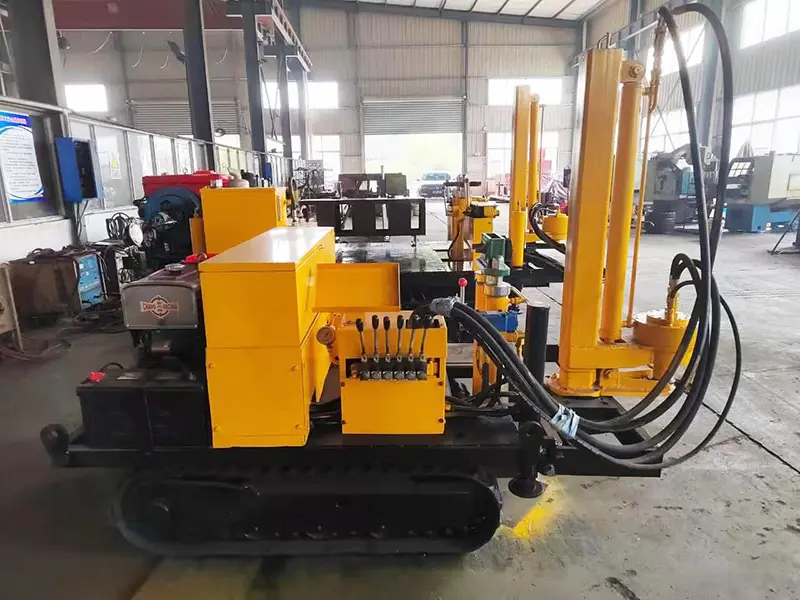
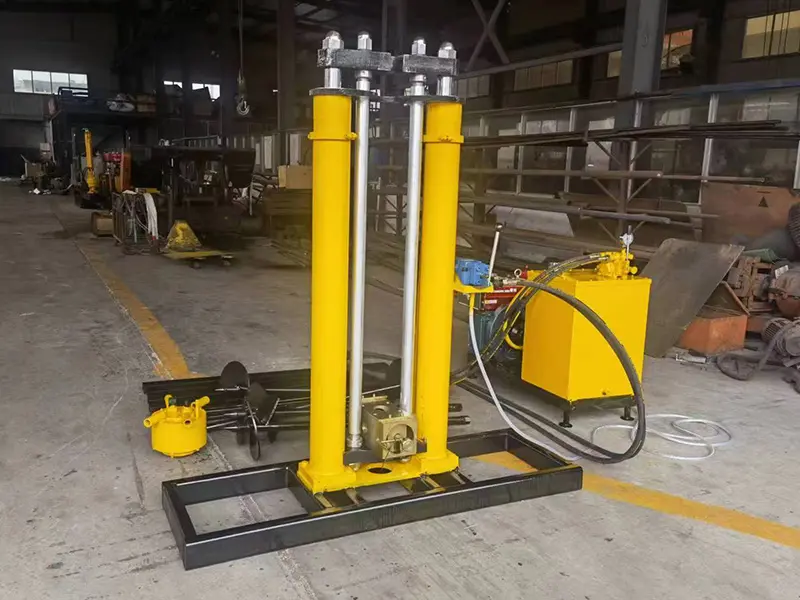
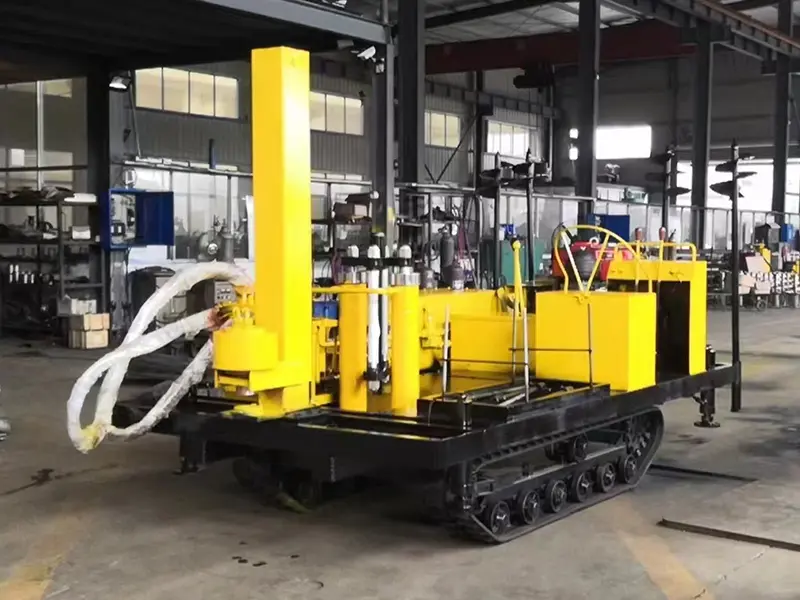
The company closely aligns with national, ministerial, and industry standards testing, implementing a production and sales service mechanism that ensures reliable operation for end-users.
We adhere to the corporate spirit of "people-oriented, unity and cooperation, pursuit of excellence, and excellence." We prioritize customer needs, quality, and business integrity.
Providing high-quality products and professional services to the market. We guarantee three layers of assurance for all products sold, backed by craftsman design and technical support.
Sustainable infrastructure development in the South Pacific requires adaptive engineering standards. Future road paving projects in Kiribati are expected to shift towards Polymer Modified Bitumen (PMB) and crumb-rubber additives to improve elastic recovery and resist thermal rutting. Furthermore, using reclaimed asphalt pavement (RAP) is becoming a vital economic strategy due to the cost of shipping materials.
Zealchon is currently designing its next generation of intelligent testing instruments to support these transitions. Our upcoming models will feature integrated cloud connectivity, enabling remote test verification and data sharing between project sites in Tarawa and engineering hubs globally. By standardizing digital compaction control and automatic dynamic shear measurement, we support the long-term resilience of Kiribati's road infrastructure.
Explore our complete catalog of professional laboratory instruments, engineered to comply with ASTM, AASHTO, and EN standards.
 Zealchon Electronic