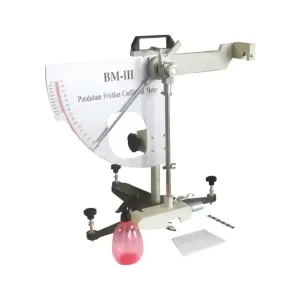
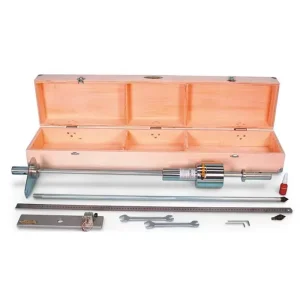
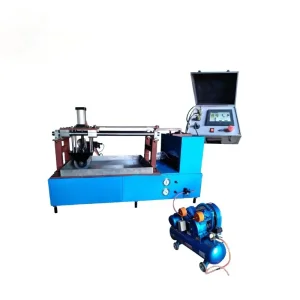
Optimized for structural runway calibration, local road index surveying, and precise surface resistance modeling under harsh desert environments.
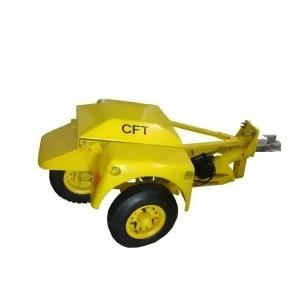
Kaédi, the administrative center of the Gorgol Region in southern Mauritania, sits at a crucial geographic and economic crossroads. The regional development strategies, combined with transit traffic along the Senegal River basin, demand highly stable transport pathways. Road development in this Sahelian corridor, however, faces extreme climate stressors: daily temperatures regularly exceeding 45°C, intense UV radiation, heavy seasonal flooding, and highly variable subgrade soils that contain expansive clays. To prevent early rutting, structural fatigue, and thermal cracking, public works authorities and private contractors must implement rigorous, standard-compliant pavement and soil testing protocols.
“Pavement integrity under Saharan and Sahelian conditions depends entirely on the accuracy of initial soil compaction and the durability of bitumen modifiers. Regular testing using calibrated laboratory equipment is not an optional safeguard; it is a structural necessity to ensure a lifecycle exceeding 20 years.”
Road projects in and around Kaédi suffer from unique subgrade challenges. The proximity to the Senegal River basin means that soils shift rapidly from silty sands to high-plasticity clays (known locally as swelling black cotton soils). When construction begins, measuring the compaction dynamics via standard Dynamic Cone Penetrometers (DCP) and analyzing shear characteristics with Direct Shear machines becomes the frontline defense against differential settlement. High-density pavements must be verified for the International Roughness Index (IRI) to guarantee that heavy agricultural and commercial transport trucks can traverse these routes safely, reducing operating costs and wear on vehicles.
For engineering firms operating in Mauritania, adherence to French standard norms (NF EN), European Standards (EN), and ASTM/AASHTO systems is standard practice. Any testing equipment deployed in the field must be robust enough to withstand ambient dust and extreme heat. Instrument sensors, specifically laser sensors used in road surface profilometers, must features heat-resistant housings and protective seals against fine Saharan dust. This ensures that IRI values, subgrade torsional shear values, and pavement retroreflectivity remain highly accurate during field surveys.
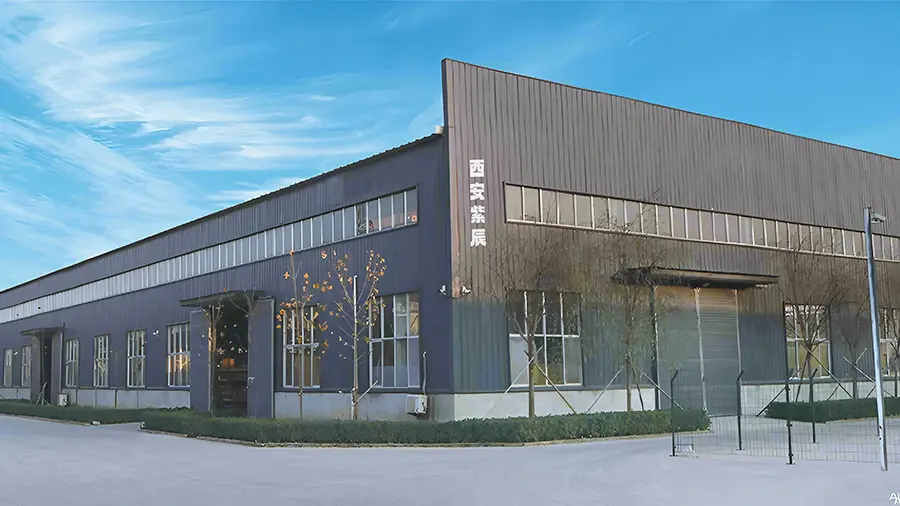
Xi'an Zealchon Electronic Technology Co., Ltd bridges the gap between top-tier manufacturing precision and cost efficiency. Operating from the high-tech development hub of Xi'an, China, Zealchon features a 7,500 square meter facility outfitted with advanced CNC lathes, milling machines, and modern assembly lines. By sourcing from a Chinese powerhouse, Kaédi-based testing labs and municipal contractors obtain:
Modern paving projects require rapid data acquisition. Traditional manual testing methods are being phased out in favor of automated equipment. Dynamic deflection testing using Falling Weight Deflectometers (FWD) provides non-destructive structural capacity testing in minutes. Simultaneously, high-visibility demands in dusty, low-lit Saharan nights make the retroreflection of pavement markings a key safety metric. Advanced handheld retroreflectometers ensure that highway stripes and road signs remain visible under nighttime and dust-storm conditions.
With more than 15 years of civil engineering background, located in the new technology industry development zone in Xi'an, an ancient city in China, our company covers an area of 7,500 square meters of modern building area.
We manufacture and supply testing instruments for civil engineering, geological survey, water conservancy and hydropower, roads and bridges, highways, railways, and airports. We specialize in the production and sales of geotechnical testing instruments, asphalt and asphalt mixture testing instruments, cement and concrete testing instruments.
Zealchon is engaged in manufacturing and supplying a qualitative array of research and laboratory testing equipment. We specialize in civil engineering research and experimental apparatus, alongside semiconductor laser research and development. Our comprehensive range includes research lab instruments, soil testing instruments, bitumen testing instruments, and cement & concrete testing equipment.
Under the guidance and cooperation of many professors and researchers from Chang'an University Highway College, Air Force Engineering University, and Xi'an University of Technology, we introduced technology to develop a series of professional and core technology testing instruments for asphalt and asphalt mixture, pavement, bridge deck, geotechnical, and structural testing.
Our research team is founded by elite academic personnel from Chang'an University, Xi'an Polytechnic University, and Xi'an Petroleum University, placing our technical capability at the forefront of the geotechnical and paving testing sector.
Our R&D has developed a series of leading domestic and international standards, filling functional gaps in soil, aggregate, and asphalt testing, winning national, ministerial, and provincial awards for innovation.
Our machines are trusted globally by government agencies, commercial testing laboratories, road contractors, ready-mix producers, and civil engineering universities across every continent.
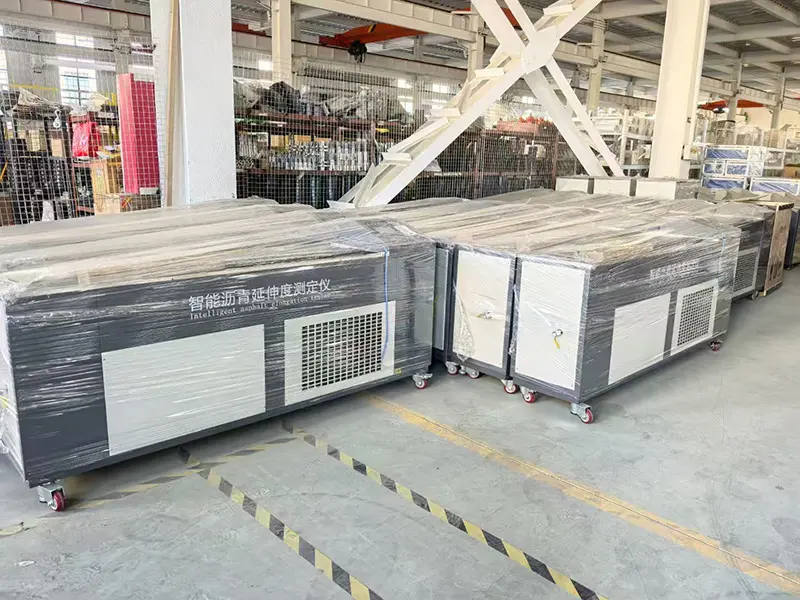
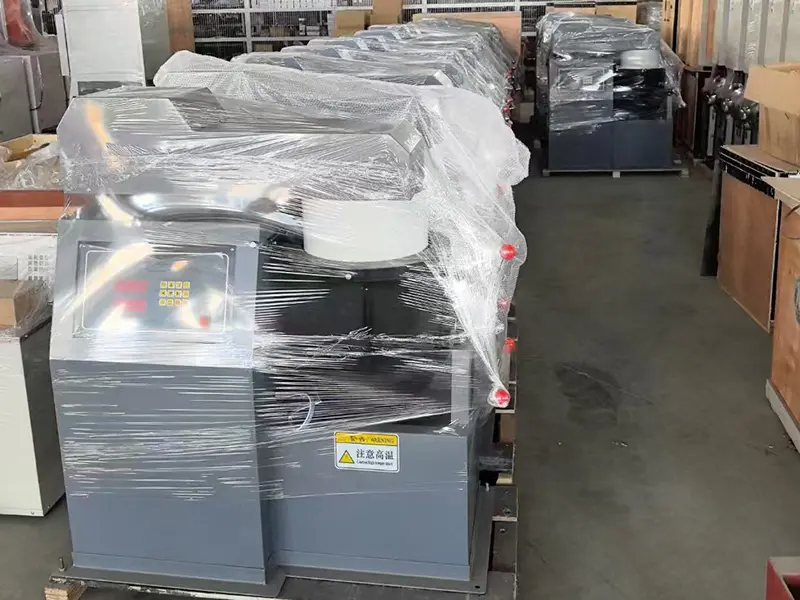
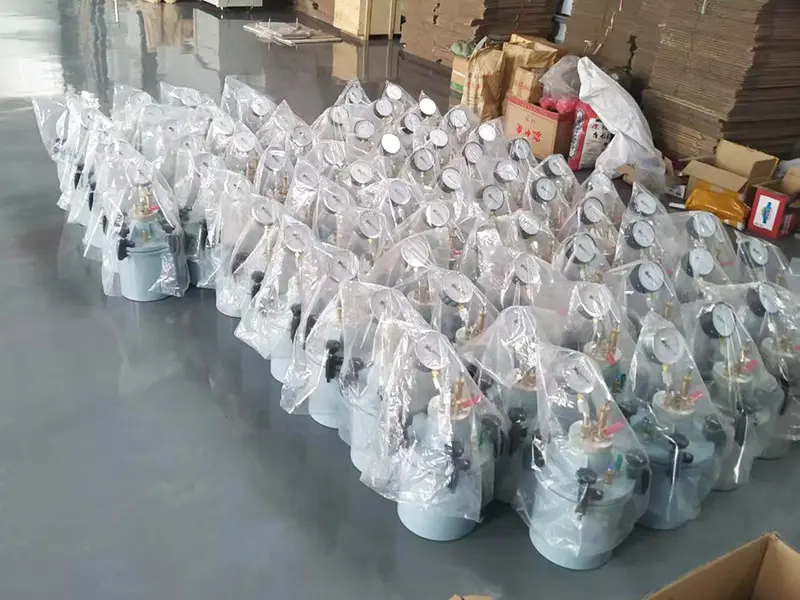
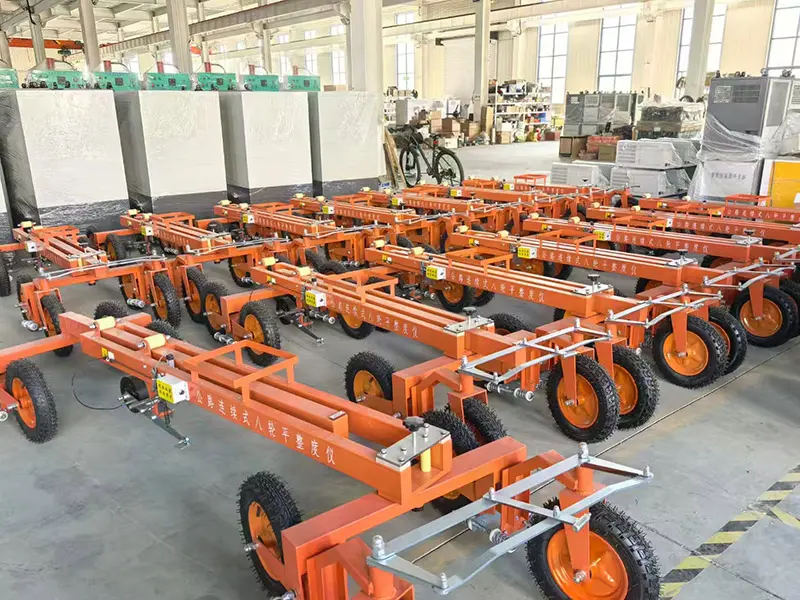
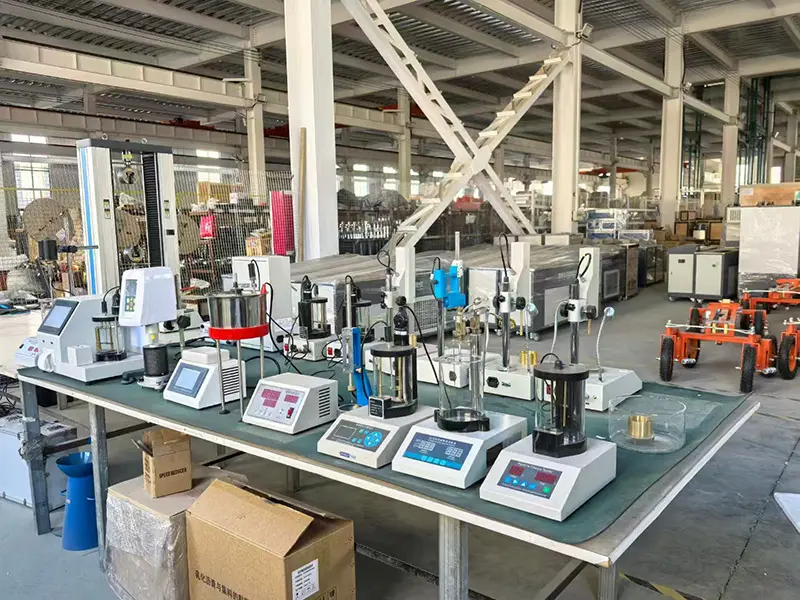
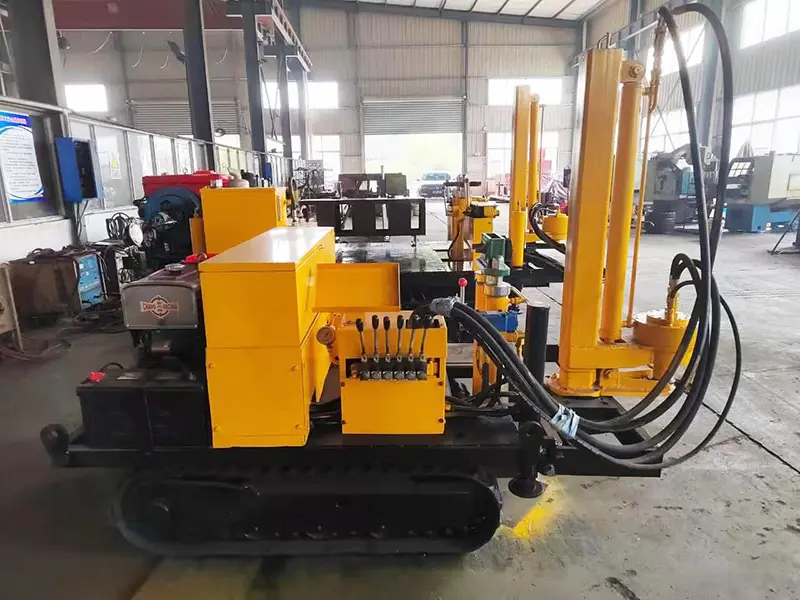
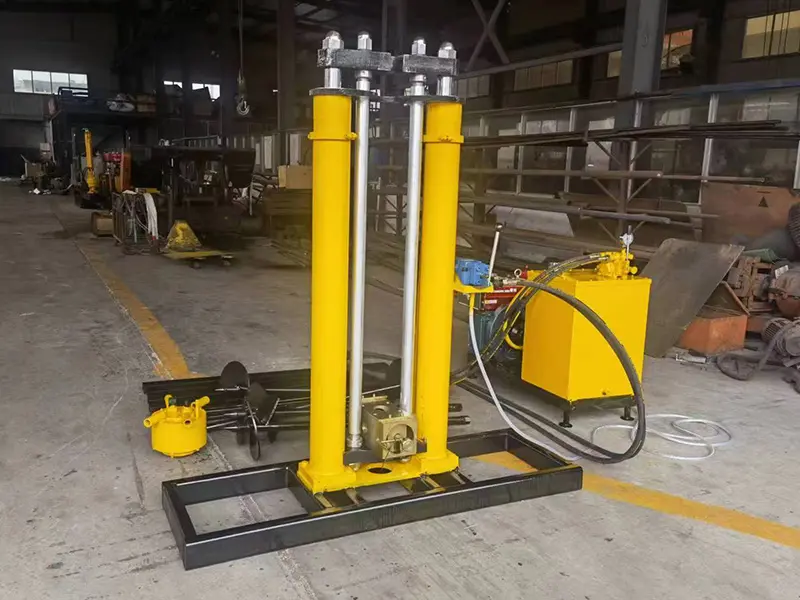
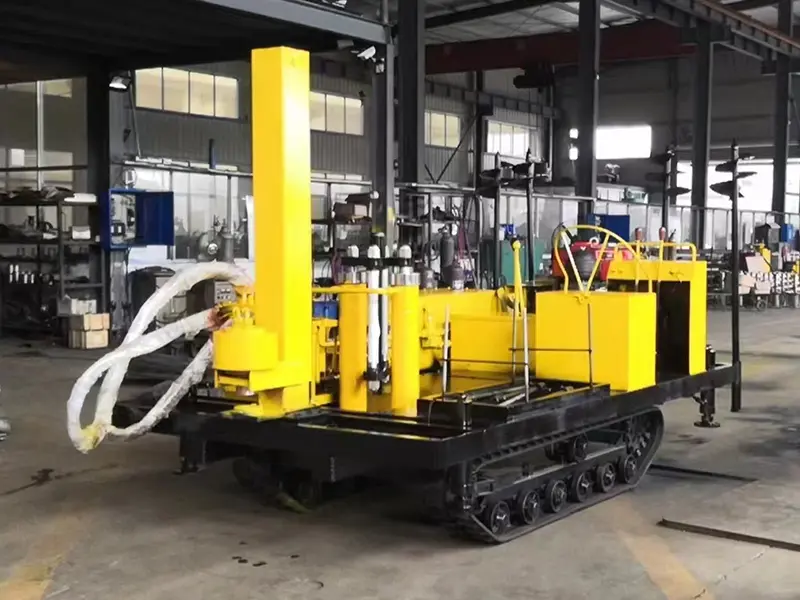
Combining world-class engineering standards with robust logistics and technical customer service.
Our processes strictly align with national, ministerial, and global industry standards. We implement a seamless manufacturing-to-sales mechanism ensuring total reliability for your highway laboratory projects.
Adhering to our core philosophy of "Pursuit of Excellence" and "Customer First", we construct our equipment systems entirely based on actual fieldwork requirements and demanding environments.
We provide a comprehensive warranty ("Three Guarantees") on all systems shipped. From direct installation guidance to remote calibration support, we ensure that your pavement lab tests in Kaédi proceed without downtime.
Technical guidance on aggregate, asphalt, and structural subgrade testing under Sahelian conditions.
High ambient temperatures modify the visco-elastic property of asphalt mixtures. Laboratory testing equipment must be calibrated for temperature correction. Our OEM Pavement Material Wear Fatigue Testers feature precise environmental control chambers (up to 70°C+) to accurately model pavement rutting resistances under hot Sahelian climates.
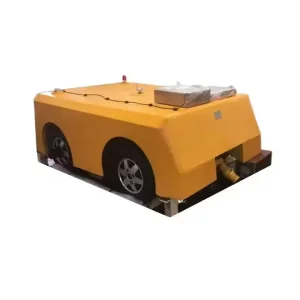
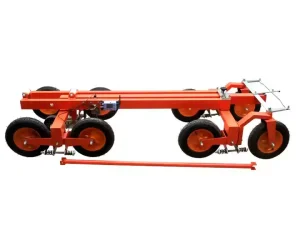
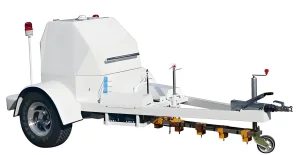
Heavy transport traffic linking Kaédi to regional hubs causes rapid subgrade deformation. Checking IRI continuously using our IRI Survey Vehicles or Walking Profilometers provides non-destructive data on road profiles, allowing maintenance teams to intervene before deep potholes or complete structure breakdown occurs.
The Dynamic Cone Penetrometer (DCP) is the primary tool used for rapid on-site CBR evaluation. Dynamic compaction measurements using our 8kg DCP modified penetration standards allow engineers to verify compaction depth down to 800mm, ensuring that subgrade layers beneath agricultural highways are stable enough to handle heavy agricultural transport.
We supply complete digital manuals, custom wiring configurations (220V/50Hz stabilization), and direct remote video support with our senior systems engineers. If requested by state contractors or project managers, we can assist with standard calibration protocols to meet laboratory inspection guidelines.
Complete lab testing solutions designed for asphalt, soil mechanics, concrete durability, and night retroreflectivity.
 Zealchon Electronic