Advanced precision equipment deployed globally to optimize asphalt fatigue limits, ride quality metrics, and subgrade shear resilience.
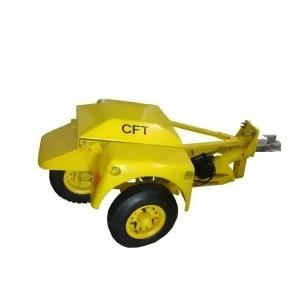
Designed for continuous validation of friction co-efficiency on primary taxiways and airport runways under extreme heat profiles.
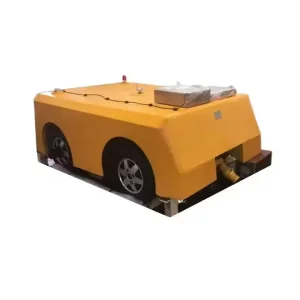
Heavy-duty dynamic laser scanning configuration integrated with localized GIS mapping for regional highway roughness evaluation.
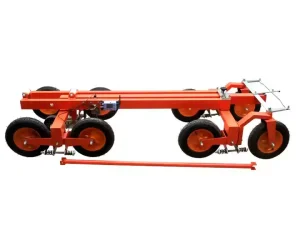
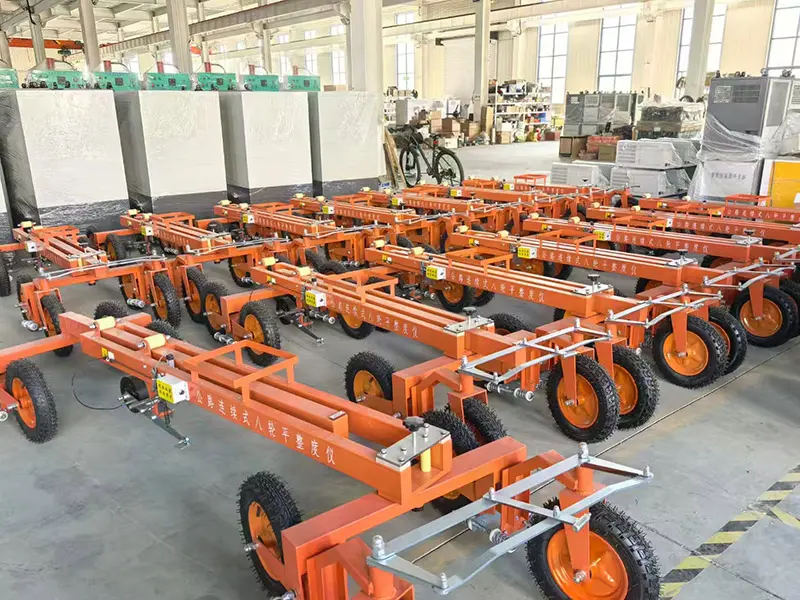
Multi-wheel tactile layout ensuring highly repetitive longitudinal profiling data collection on newly constructed urban asphalt.
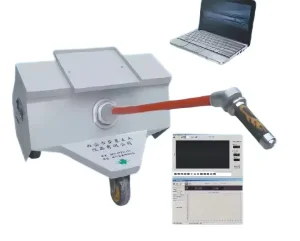
Compact manual walking system configured to record and calculate high-resolution International Roughness Index (IRI) data points.
Namibia stands as a vital logistics gateway for the Southern African Development Community (SADC) through its strategic corridors, including the Trans-Kalahari Highway, the Trans-Caprivi Corridor, and the crucial connections to the port of Walvis Bay. Facilitating trade flow across these trans-continental corridors requires road pavement networks that can withstand extreme environmental forces. The arid, high-temperature Namib and Kalahari Desert ecosystems present a unique set of civil engineering challenges, including intense thermal fluctuations, high ultraviolet radiation, and severe moisture deficits.
For local transport authorities, such as the Namibian Roads Authority (RA), and commercial contractors, material testing is not merely a box to check. It is the cornerstone of sustainable project delivery. Road surface degradation, rutting, subgrade movement, and structural fatigue represent major lifecycle threats. Utilizing advanced non-destructive testing (NDT) technologies like the Falling Weight Deflectometer (FWD) and high-speed laser profilometers allows project managers to measure the load-bearing capacity and roughness indices of both bituminous and gravel structures. Incorporating these measures ensures compliance with rigorous regional design standards, including the South African National Standards (SANS) and Technical Methods for Highways (TMH) protocols.
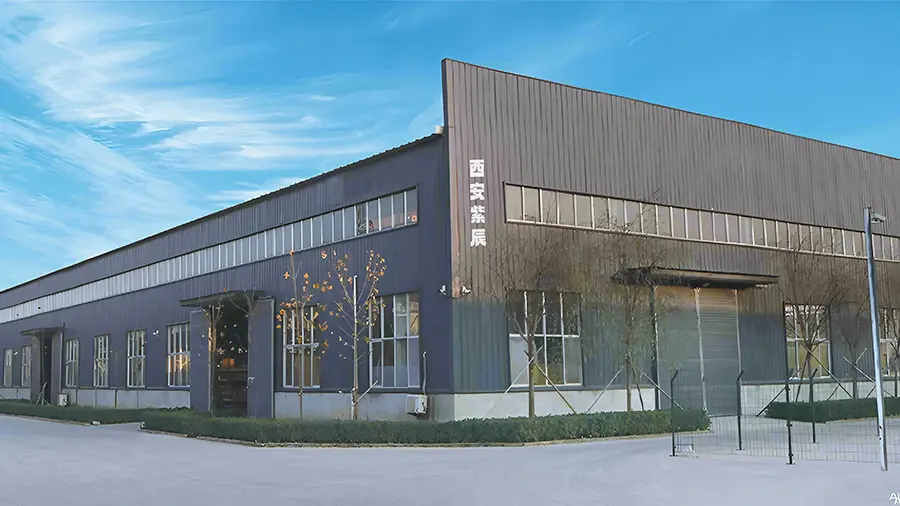
Xi'an Zealchon Electronic Technology Co., Ltd. merges academic insights with industrial scale to deliver world-class pavement testing solutions.
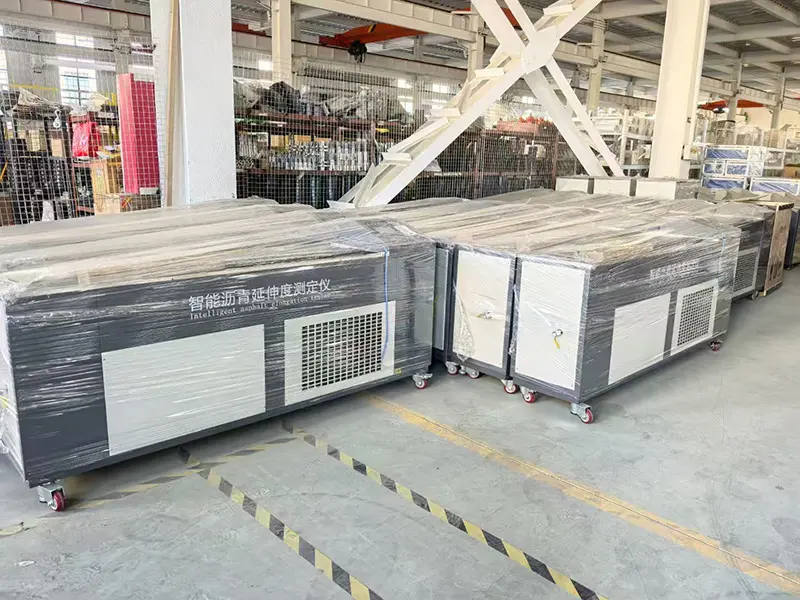
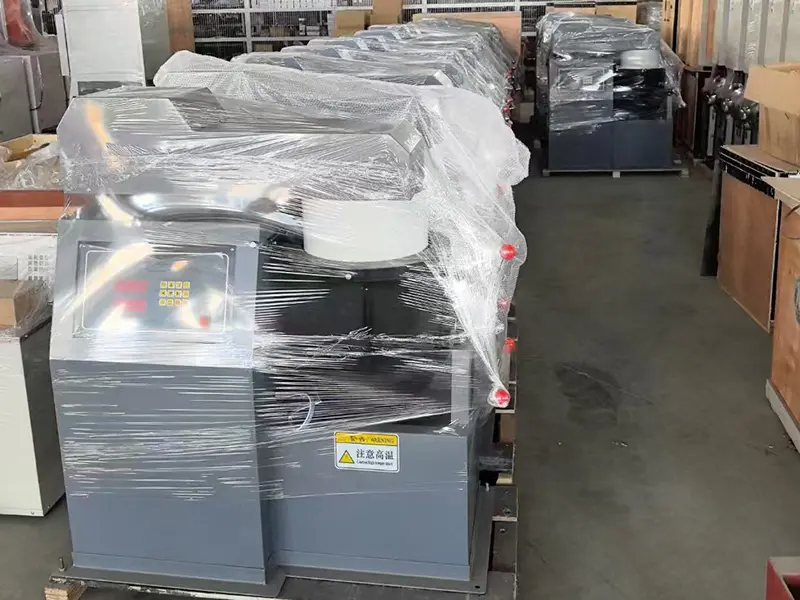
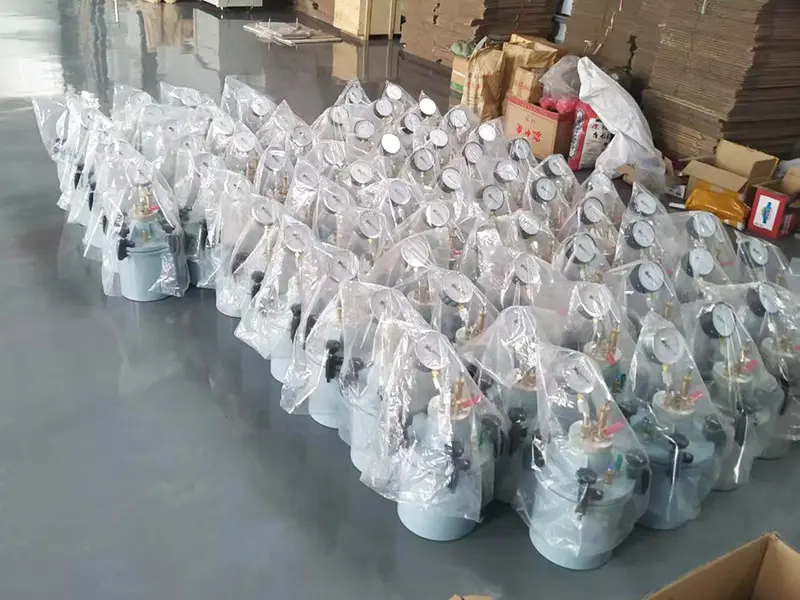
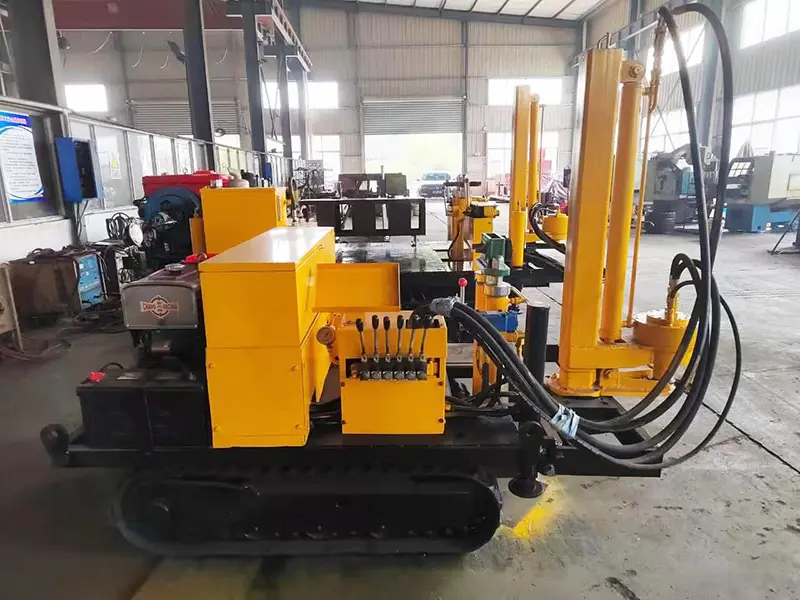
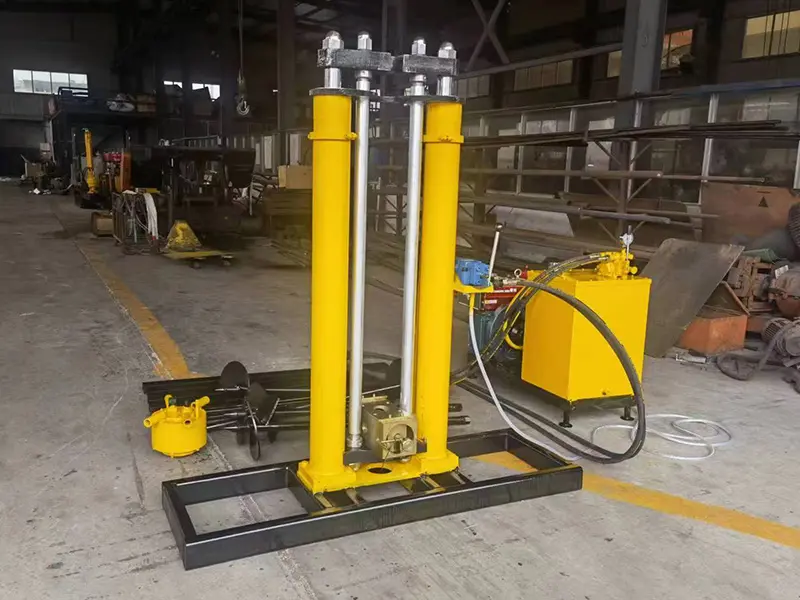
With more than 15 years of civil engineering background, located in the new technology industry development zone in Xi'an, an ancient center of academic excellence in China, Zealchon covers a state-of-the-art facility spanning 7,500 square meters of specialized manufacturing space. We design, calibrate, and supply high-precision testing instruments for geotechnical exploration, water conservancy, highway structures, and municipal aviation projects globally.
Our R&D pipeline is continuously refined through academic collaboration with senior professors and structural researchers from Chang'an University Highway College, the Air Force Engineering University, and the Xi'an University of Technology. This integration of field theory and production capability has produced the renowned "Xiya" trademark—an industry symbol of quality recognized across Shaanxi Province and key export markets in Africa, the Middle East, and Southeast Asia.
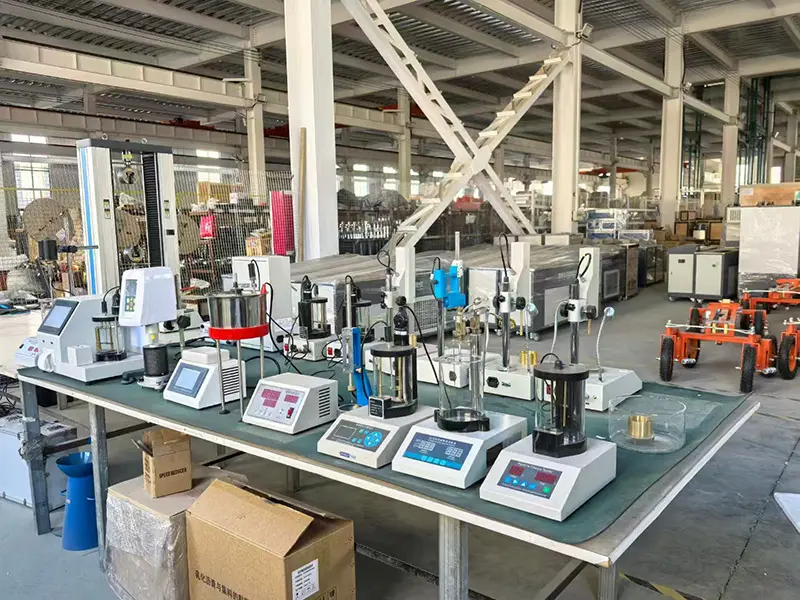
Our internal production workshops are equipped with modern industrial tools, including CNC lathes, multi-axis machining centers, milling machines, structural planers, surface grinders, bending machines, and high-frequency argon arc welding systems. This ensures every piece of testing gear meets strict structural tolerances before leaving our factory.
Every instrument is subjected to stress testing, high-temperature calibration, and compliance checks to align with ASTM, AASHTO, EN, and SANS 3001 methodologies.
Engineered alongside industry experts from regional transport research departments to bridge the gap between lab modeling and rugged field challenges.
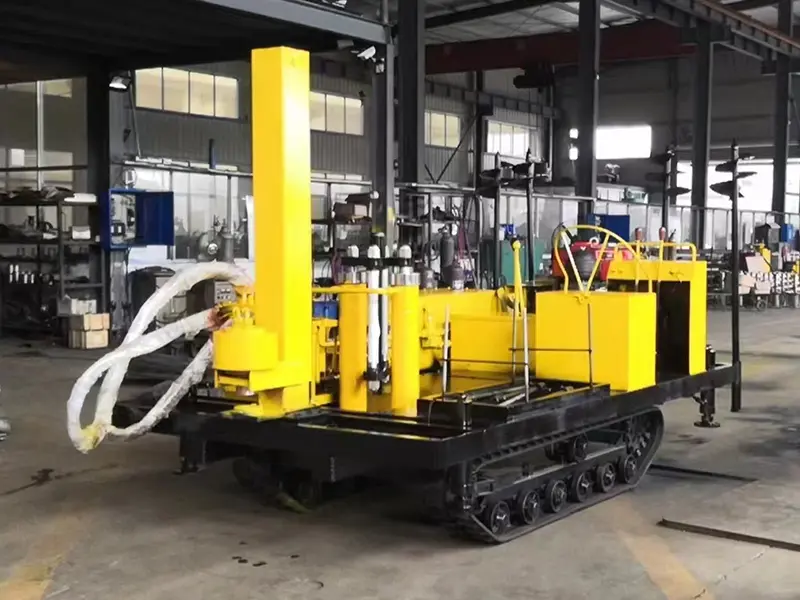
Years Engineering Excellence
Sqm Production Facility
Countries Supplied Worldwide
SANS & TMH Compliant Calibration
Addressing critical infrastructural distresses across Namibia's arterial road networks and coastal transport pathways.
Using *Dynamic Cone Penetration (DCP)* profiles to identify subgrade shear failure margins, especially in Kalahari soft sands. This ensures cost-effective mechanical stabilization and cement placement calculations.
Assessing the visco-elastic performance limits of polymer-modified asphalt using multi-angle testing rigs. This prevents deep rutting caused by extreme desert heat combined with heavy mining vehicles.
Evaluating interlayer adhesion, moisture susceptibility, and saline-induced degradation in coastal regions like Walvis Bay and Swakopmund through direct shear and pull-off tests.
| Structural Parameter | Testing Methodology | Relevant Standard | Application Sector |
|---|---|---|---|
| Subgrade Bearing Capacity | Dynamic Cone Penetrometer (DCP) / CBR Tests | SANS 3001-GR40 / ASTM D6951 | Unpaved roads & rural feeder route upgrades |
| Pavement Layer Deflection | Falling Weight Deflectometer (FWD) | ASTM D4694 / TMH6 | Structural evaluation of Trans-Kalahari corridor sections |
| Surface Roughness (Ride Quality) | Laser Profilometer / Multi-wheel IRI Surveyors | ASTM E950 / World Bank Class 1 | Hosea Kutako International Airport runway upgrades |
| Interlayer Adhesion | Torsional Shear & Pull-out Testers | EN 12697-48 / SANS 3001-AS20 | Overlay interface evaluation on heavy-haul mine routes |
Modern pavement engineering is moving rapidly toward continuous, non-destructive, and digitally integrated testing frameworks. Relying solely on destructive coring or static labor-intensive testing introduces operational delays and increases safety hazards on active transit corridors. The future lies in high-yield laser-based dynamic profiling, remote telemetry, and machine learning models capable of predicting pavement wear based on real-time surface indices.
Zealchon is leading this shift by integrating high-frequency sensors, multi-point laser arrays, and rugged embedded computing systems directly into field survey instruments. By synchronizing structural measurement devices with GPS coordinates and high-precision temperature sensors, our systems output structural mapping data directly compatible with regional road asset management software. This allows municipal authorities to transition from reactive repairs to predictive maintenance schedules, extending pavement lifespans and reducing lifecycle costs.
Integrating dynamic deflection data (FWD) directly with laser roughness profiling (IRI) and micro-texture laser scanners, creating a complete model of road conditions in a single run.
Applying AI analysis to long-term road scan records, allowing engineers to identify pavement fatigue before cracking or potholing becomes visible.
Deploying complex testing equipment in remote regions of Namibia—from the central plateaus around Windhoek to the desert routes near Lüderitz—requires reliable technical support, training, and calibration services. Zealchon offers full compliance services tailored to Southern African operational guidelines, ensuring that our instruments match the standard practices of regional test laboratories.
A comprehensive range of precision instruments for evaluating surface texture, material shear strength, subgrade stability, and sign reflectivity.
Walk-behind laser device designed to measure microtexture depth, helping to manage skidding risks on high-speed asphalt highways.
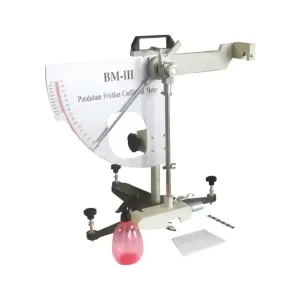
The industry-standard portable system for measuring surface friction, skid resistance, and wear characteristics in both lab and field settings.
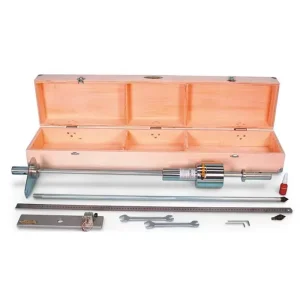
An essential tool for structural assessment, allowing quick determination of subgrade CBR profiles down to 1 meter depth without excavation.
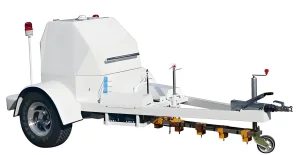
High-capacity dynamic plate load system, designed to assess the deflection behavior of multi-layer highway pavements.
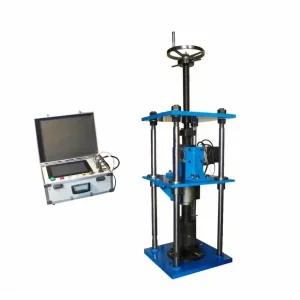
Dedicated testing unit designed to determine shear stress thresholds and interlayer adhesion properties on composite pavements.
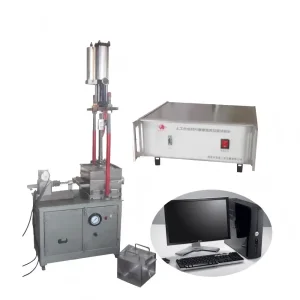
High-resolution digital instrument for measuring pull-out resistance and bond strength in structural subgrade components.
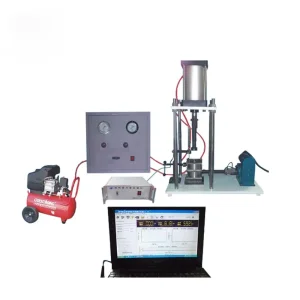
Precision laboratory testing unit designed to measure cohesive and friction properties of soil, gravel, and bound subbase materials.
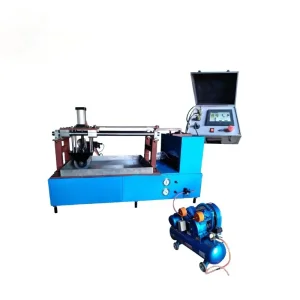
Laboratory simulation system to assess long-term wear resistance, aggregate abrasion, and fatigue life under repetitive loading cycles.
Expert engineering responses regarding calibration, standard compliance, and equipment deployment in Southern Africa.
 Zealchon Electronic