Explore our top-performing laboratory testing devices designed for rigorous soil mechanics analysis and site safety compliance validation.
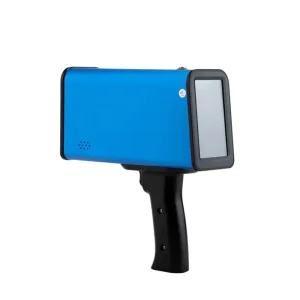
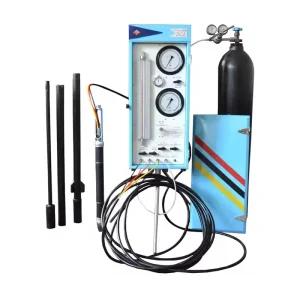
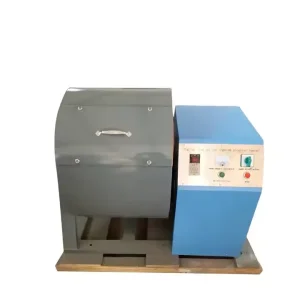
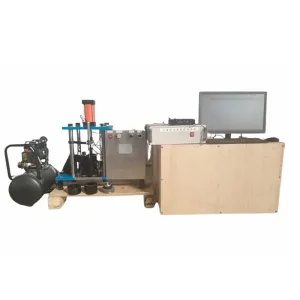
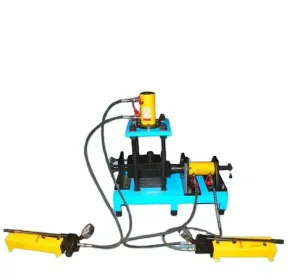
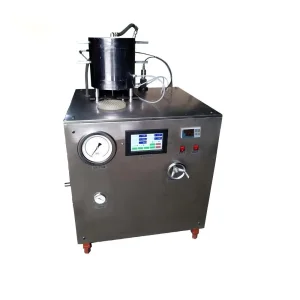
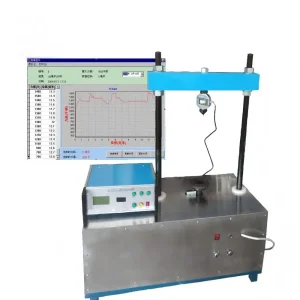
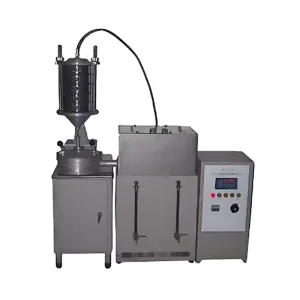
In geotechnical engineering, the Standard Proctor Test stands as one of the most critical methodologies used to determine the relationship between soil moisture content and compacted dry density. Developed in 1933 by Ralph R. Proctor, this test serves as the foundational design reference for validating structural earthworks, pavement subgrades, embankment stabilization, and foundations. The dynamic compaction effort supplied during this test simulates the field mechanical compression required to improve the load-bearing capacity of natural soils.
Soil, as a three-phase system composed of solid particles, water, and air voids, displays variable density under mechanical loading. The application of dynamic impact drives out air voids, forcing the soil grains into a denser configuration. The volume of water present during this compaction acts as a lubricant; at low water contents, the soil particles resist rearrangement due to high internal friction. Introducing moisture reduces friction, allowing particles to slide past one another. However, adding water past a critical limit—known as the Optimum Moisture Content (OMC)—results in water taking up space that would otherwise be filled by soil solids, leading to a decline in dry density. This behavior yields the classic parabolic compaction curve.
Technical Formula for Compactive Effort: The energy applied to the soil during the Standard Proctor Test is mathematically defined as:
E = (N * n * W * h) / V
Where N is the number of blows per layer (25), n is the number of soil layers (3), W is the weight of the rammer (5.5 lbs or 2.49 kg), h is the drop height (12 inches or 304.8 mm), and V is the volume of the compaction mold (typically 1/30 cubic foot or 944 cm³). This yields a standard compactive energy of approximately 12,400 ft-lbf/ft³ (600 kN-m/m³).
Procurement directors and engineers must carefully distinguish between the Standard Proctor Test and the Modified Proctor Test, which are selected based on the projected mechanical loads of the target structure.
| Parameters | Standard Proctor Test (ASTM D698 / AASHTO T99) | Modified Proctor Test (ASTM D1557 / AASHTO T180) |
|---|---|---|
| Hammer Weight | 5.5 lbs (2.49 kg) | 10.0 lbs (4.54 kg) |
| Drop Height | 12 inches (304.8 mm) | 18 inches (457.2 mm) |
| Number of Soil Layers | 3 Layers | 5 Layers |
| Blows per Layer | 25 Blows | 25 Blows |
| Compactive Energy | 12,400 ft-lbf/ft³ (~600 kN-m/m³) | 56,250 ft-lbf/ft³ (~2,700 kN-m/m³) |
| Typical Applications | Residential foundations, shallow embankments, rural roads | Airports, highways, heavy industrial slabs, high-load earthen dams |
Executing the Standard Proctor Test with accuracy requires adherence to standard protocols (such as ASTM D698). Inconsistencies in execution introduce significant errors, altering the determined Maximum Dry Density (MDD) and Optimum Moisture Content (OMC), which can compromise quality control on-site.
Acquire a representative soil sample of approximately 20 kg. Air-dry the material or dry it in an oven at a temperature not exceeding 60°C. Sieve the prepared dry soil sample using a 4.75 mm (No. 4) or 19.0 mm (3/4-in.) sieve according to the chosen methodology (Method A, B, or C). Collect the passing fraction for subsequent testing steps.
Divide the bulk sieved soil into 5 or 6 equal sub-samples (roughly 2.5 kg each). Add varying percentages of water to each sample (typically starting low and increasing in 2% increments) to cover the range from dry to wet conditions. Mix thoroughly to distribute moisture evenly, and store in airtight containers for tempering (curing) to ensure uniform hydration.
Secure the Standard Proctor Mold (with base plate and extension collar attached) to a rigid, non-yielding foundation block. Fill the mold with the first layer of soil, such that after compaction, the height of the layer is approximately one-third of the mold height. Apply 25 uniformly distributed blows using the manual 5.5 lb slide hammer or an automatic mechanical compactor. Repeat this process for the second and third layers.
Carefully remove the extension collar from the mold. Using a steel straightedge, trim the excess compacted soil flush with the top of the mold. Any small voids left by dislodged gravel should be filled with fine soil and flattened. Wipe away loose soil from the exterior, then weigh the mold filled with wet soil to the nearest gram.
Extrude the compacted specimen from the mold using a sample extruder. Cut the core vertically and extract representative moisture content samples from the top, middle, and bottom. Weigh these sub-samples, dry them in an oven at 110°C ± 5°C for 24 hours, and reweigh. Calculate the dry density and plot it against the moisture content to identify the peak curve coordinate.
By plotting the points, a smooth curve is generated. The apex of this curve represents the Maximum Dry Density (MDD), and the corresponding value on the horizontal axis indicates the Optimum Moisture Content (OMC). This curve is key to specifying compaction targets for field operations.
In the global market for civil engineering instrumentation, China-based manufacturers have transitioned from high-volume production facilities to high-precision engineering hubs. Xi'an Zealchon Electronic Technology Co., Ltd. exemplifies this shift. Located in the New Technology Industry Development Zone in Xi'an, a historic city known for its engineering academies, Zealchon leverages a strong regional technical ecosystem.
The core manufacturing advantages of Chinese geotechnical instrumentation factories include:
Furthermore, Chinese manufacturers benefit from direct integration with local raw metal supply chains. High-strength tool steels and hard-anodized aluminum alloys are sourced, machined, finished, and calibrated under one roof. This minimizes supply chain delays and allows us to offer competitive pricing without compromising compliance with ISO, ASTM, or AASHTO standards.
Soil compaction testing is not just a laboratory requirement; it is a critical component of site stability and long-term performance across various infrastructure sectors.
Flexible and rigid pavements require uniform subgrade and base course compaction to prevent differential settlement, rutting, and fatigue cracking. Utilizing automated Proctor compactors ensures uniform energy distribution across large sets of soil samples, providing accurate compaction targets. In high-traffic road construction, matching laboratory-determined maximum dry densities with field nuclear or non-nuclear density tests is standard practice for quality control.
Hydraulic structures require low permeability and high shear strength. Compacting soil slightly wet of the optimum moisture content (OMC) helps minimize hydraulic conductivity. Using standard-compliant Proctor testing equipment allows engineers to establish a narrow moisture-density envelope, helping prevent internal erosion, piping failures, and slope instability under hydraulic pressure.
With high dynamic loads from high-speed rail lines and heavy commercial aircraft, subgrade soils must resist deformation under cyclic loading. Engineers utilize both Standard and Modified Proctor procedures to establish target resilient modulus values. The resulting moisture-density curves are key to preparing bases that can support heavy dynamic wheel loads over long service lives.
For international procurement managers, sourcing civil engineering testing equipment involves assessing technical compliance alongside total cost of ownership. The tables below outline estimated pricing ranges and key verification checklists for typical Proctor test system configurations.
| Equipment Configuration | Estimated Price (USD) | Standard Compliance | Target Sourcing Groups |
|---|---|---|---|
| Manual Proctor Compaction Kit (Includes standard 4" mold, 5.5 lb rammer, and straightedge) | $250 - $450 | ASTM D698, AASHTO T99 | Academic laboratories, remote site offices, small testing agencies |
| Dual-Purpose Manual Kit (Includes 4" & 6" molds, 5.5 lb & 10 lb rammers, and accessories) | $600 - $950 | ASTM D698, ASTM D1557, AASHTO T99 | Medium-scale geotechnical laboratories, highway contractors |
| Semi-Automatic Compactor (Motorized lift mechanism, manual mold rotation) | $2,200 - $3,800 | ASTM D698 / D1557 | Commercial testing labs, government transit departments |
| Fully Automatic Soil Compactor (Microprocessor control, automatic blow counting, auto-rotation, safety enclosure) | $4,500 - $7,500 | Multi-standard (EN, ASTM, AASHTO, BS) | Tier-1 testing laboratories, research institutes, national transport bodies |
The field of geotechnical laboratory testing is moving toward greater automation and digitalization, driven by the need to reduce operator error, improve safety, and stream data directly to project management systems.
Key developments in compaction testing technology include:
Expert technical answers to common queries regarding the Standard Proctor Test and equipment selection.
Moisture acts as a lubricating agent between soil particles. At low water contents, particles resist rearrangement. Adding water helps them slide into a denser structure under compactive effort. However, beyond the Optimum Moisture Content (OMC), water begins to displace soil solids. Because water is less dense than the soil minerals and is virtually incompressible under dynamic loading, the dry density decreases, forming the typical compaction curve.
The choice depends on the maximum particle size of the soil sample. According to ASTM D698, the standard 4-inch (101.6 mm) mold is used if 25% or less (by mass) of the material is retained on the 4.75 mm (No. 4) sieve. If more than 20% to 25% is retained on the No. 4 sieve, and 20% or less is retained on the 19.0 mm (3/4-in.) sieve, either Method B or C is used, with Method C requiring the larger 6-inch (152.4 mm) mold to prevent boundary errors caused by larger particles.
To ensure regulatory compliance (e.g., ISO/IEC 17025 or ASTM standards), manual and automatic Proctor apparatus should be calibrated annually or every 1,000 tests, whichever comes first. Key verification points include checking the wear on the hammer face, verifying the drop height (12.0 in. ± 0.05 in.), and checking the internal volume of the mold through water-displacement or micrometer measurements.
Discrepancies usually stem from variations in energy transfer. Manual operation can introduce human error, such as tilt in the guide sleeve, incomplete drop heights, or non-uniform blow distribution. Automatic compactors apply consistent energy through mechanized drops and controlled rotation. To minimize discrepancies, ensure the automatic compactor is anchored to a heavy concrete base as specified by the manufacturer.
While some standards permit reuse under specific conditions, it is generally discouraged, especially for sensitive soils. Repeated compaction can break down aggregate particles, alter plasticity characteristics, or change the soil's structure, shifting the compaction curve. For accurate, representative results, it is best to prepare separate batch samples at different moisture contents.
Complete your laboratory setup with our high-durability apparatus designed for structural pavement testing, field analysis, and quality assurance.
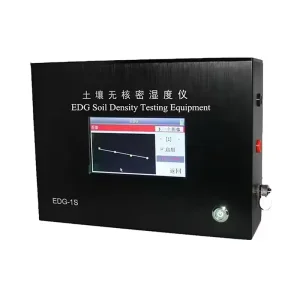
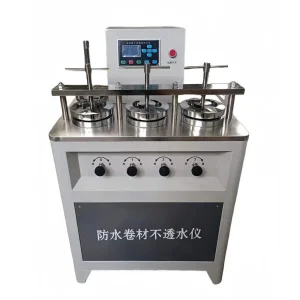
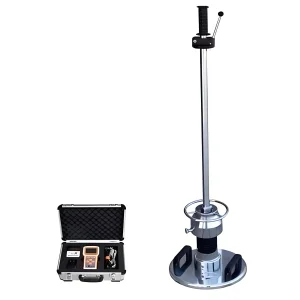
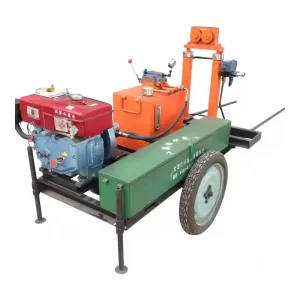
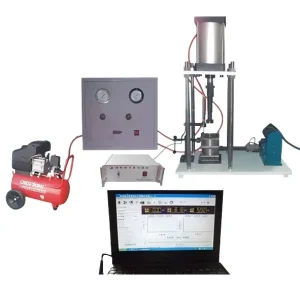
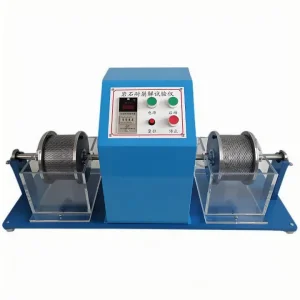
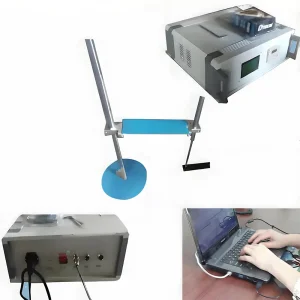
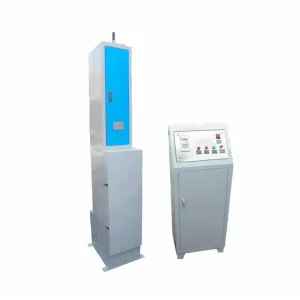
With more than 15 years of civil engineering background, Xi'an Zealchon Electronic Technology Co., Ltd. is located in the New Technology Industry Development Zone in Xi'an, an ancient and academically rich city in China. Our facility covers a building area of 7,500 square meters.
We manufacture and supply testing instruments for civil engineering, geological survey, water conservancy, hydropower, road and bridge construction, highways, railways, and airports. We specialize in the production and sales of geotechnical testing instruments, asphalt and asphalt mixture testing instruments, and cement and concrete testing equipment.
Zealchon is committed to manufacturing and supplying a qualitative array of research and laboratory testing equipment. We focus on two key areas: civil engineering research and experimental apparatus, and semiconductor laser research and development. Our product range includes research lab instruments, soil testing instruments, bitumen testing instruments, and cement & concrete testing equipment.
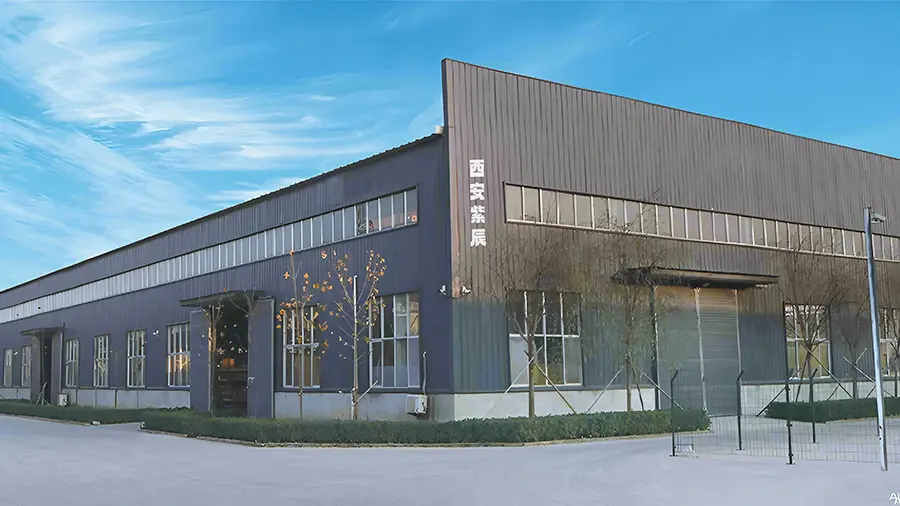
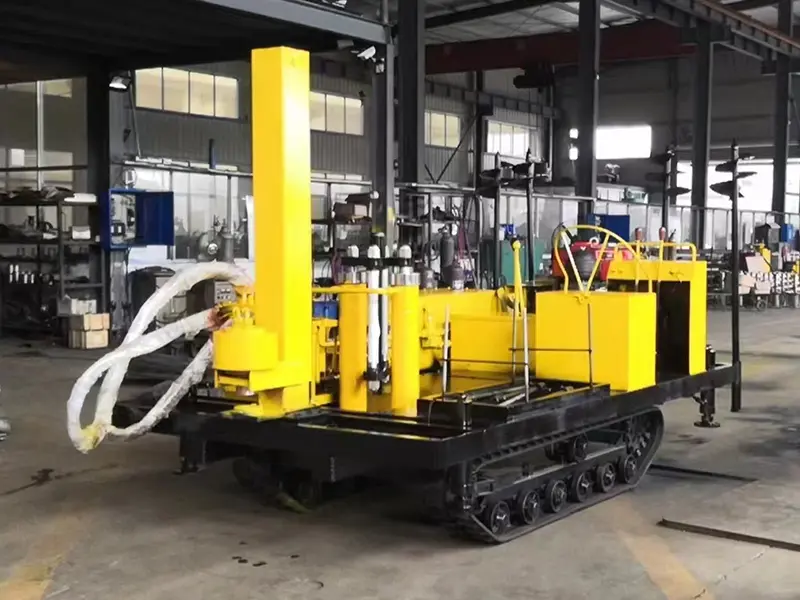
Our production workshop is equipped with machining centers, CNC lathes, milling machines, planers, grinders, shearing machines, bending machines, and electric and argon arc welding systems to support precise manufacturing.
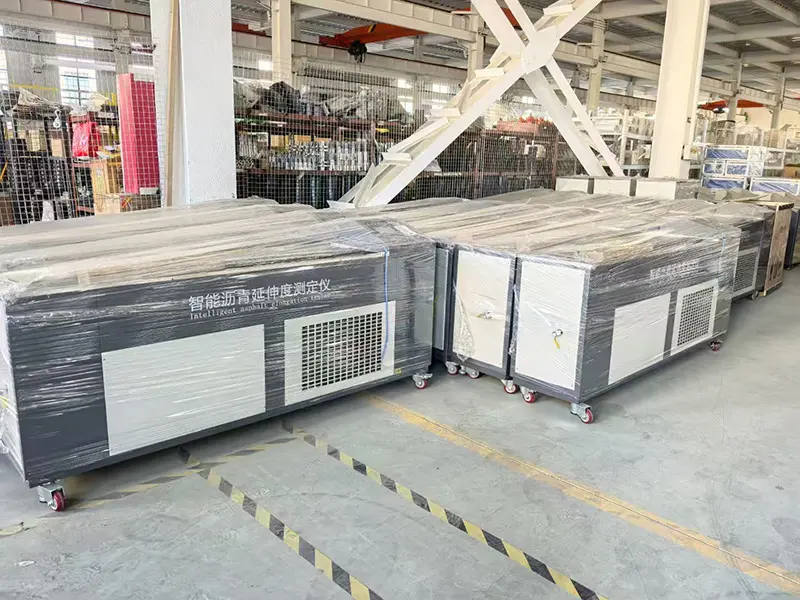
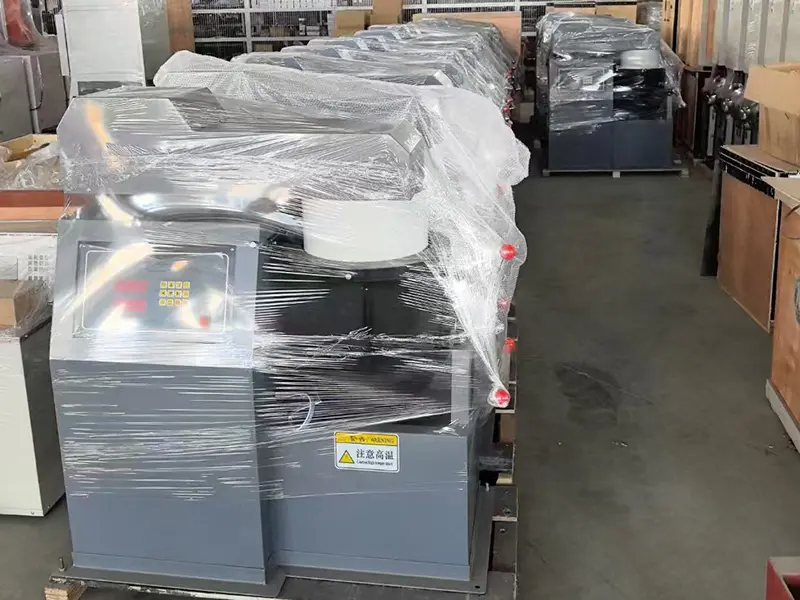
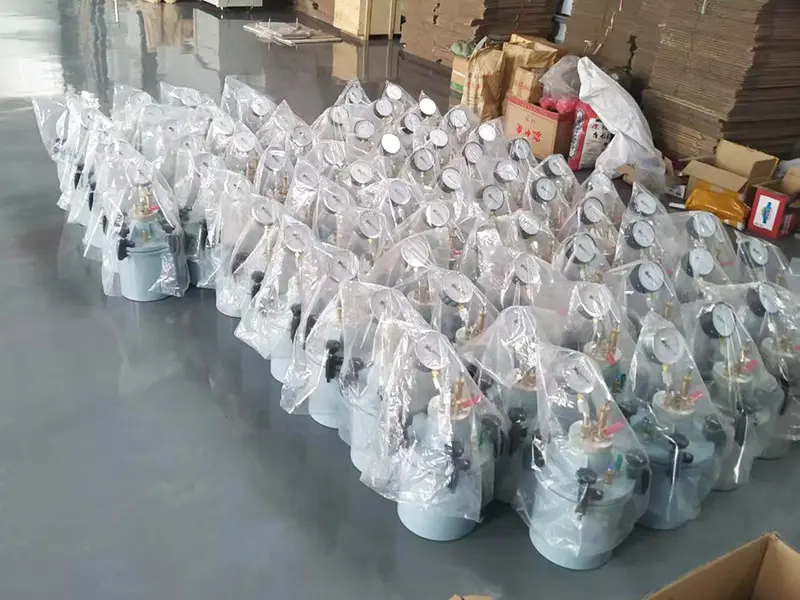
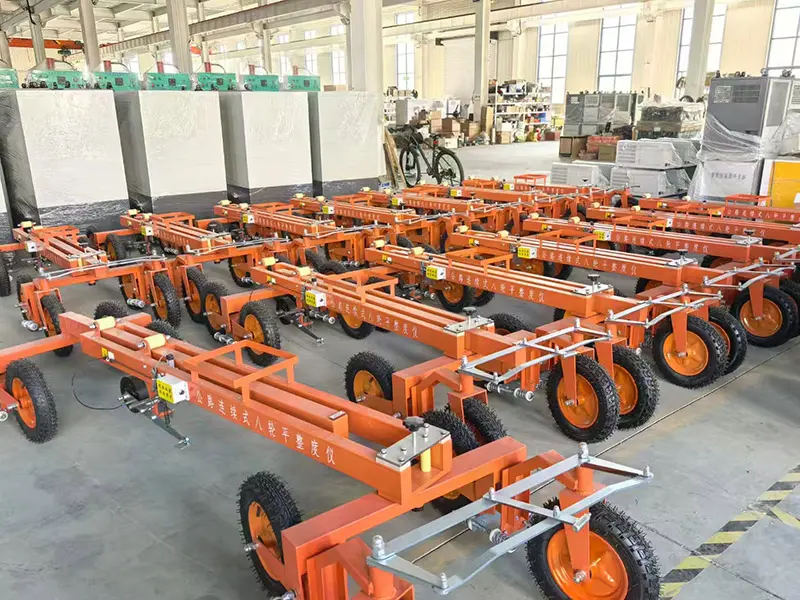
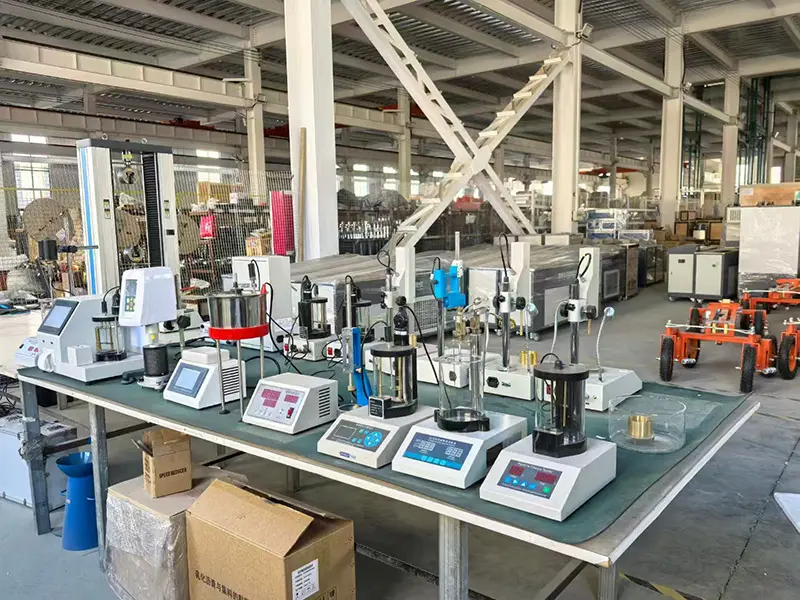
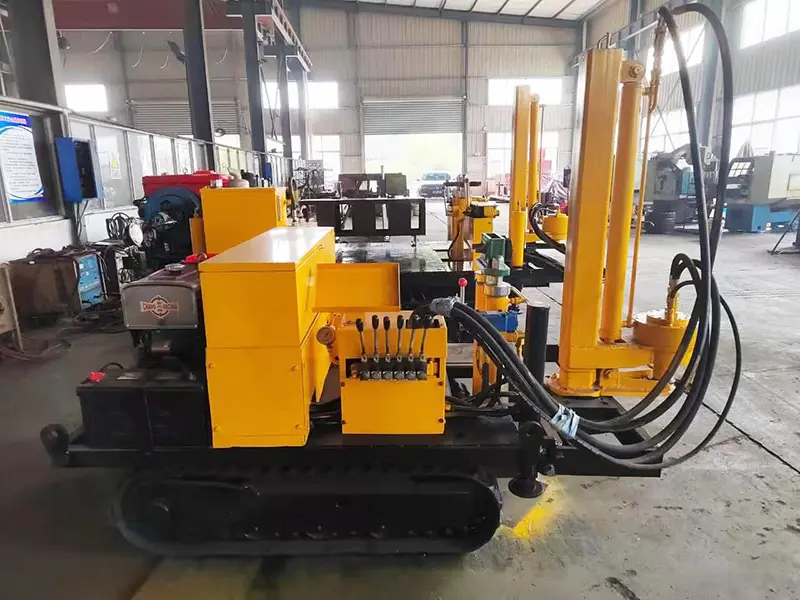
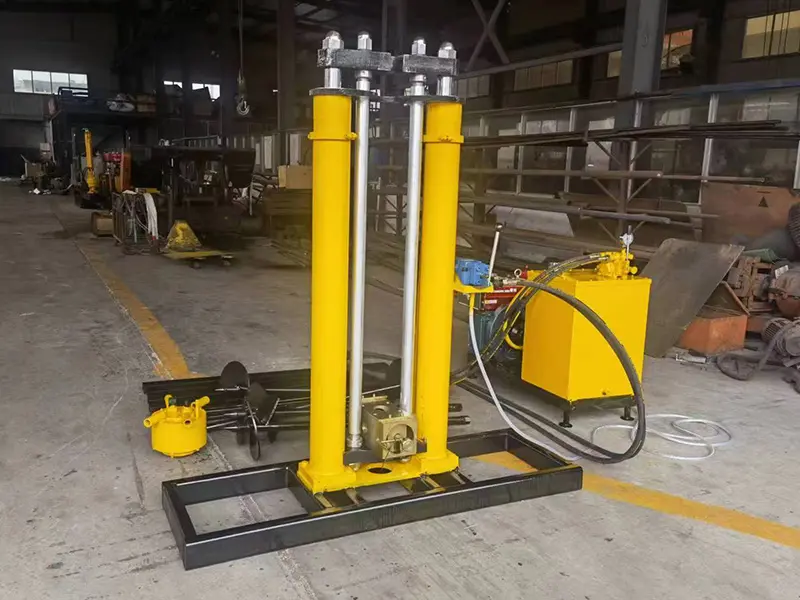
Our technical support, marketing, and web development teams are based in China and are dedicated to providing comprehensive customer support and services.
 Zealchon Electronic