OEM Standard Proctor Test Equipment Manufacturers & Supplier

Premium Compaction & Soil Mechanics Diagnostics for Global Geotechnical Infrastructure projects. Complying strictly with ASTM D698, AASHTO T99, and International Standards.

Precision Civil Engineering Products Group I

High-quality pavement, structural testing, and geotechnical characterization instruments engineered for durability.
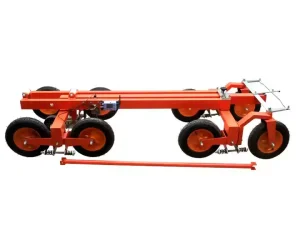
IRI Road Surface Roughness Testing Equipment

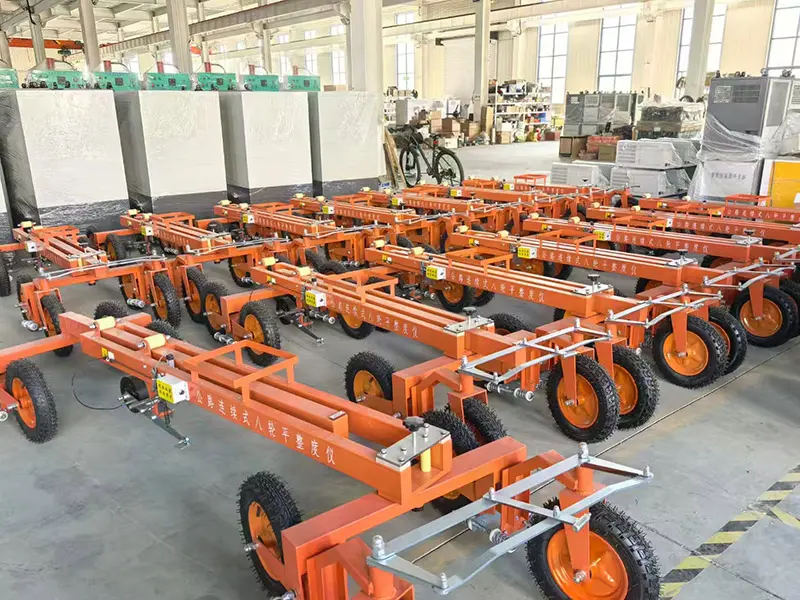
High-Quality IRI Road Surface Roughness Testing Equipment Continuous Eight-wheel Evenness Meter

View Product & Quotes
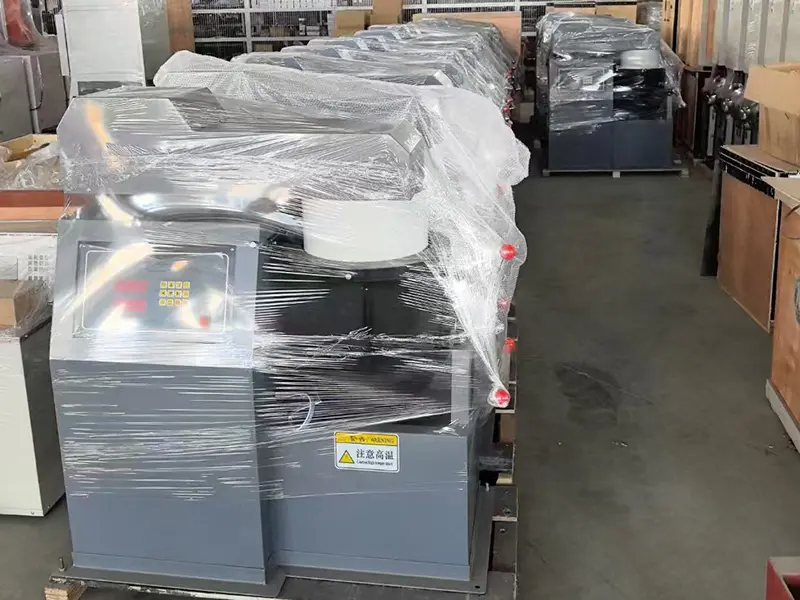
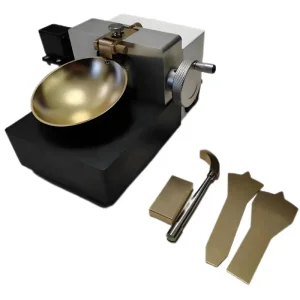
Casagrande Method Liquid Limit Device

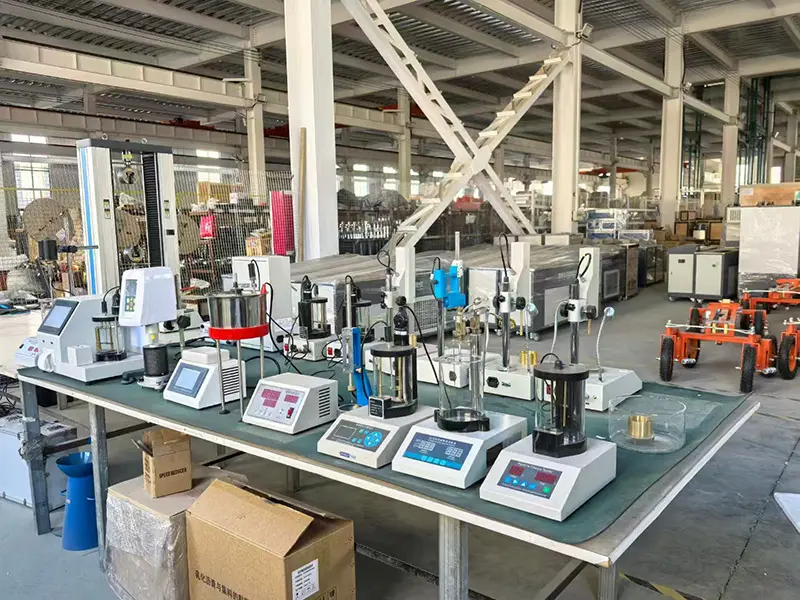
High-Quality Casagrande method mortised liquid limit device for soil lab test

View Product & Supplier
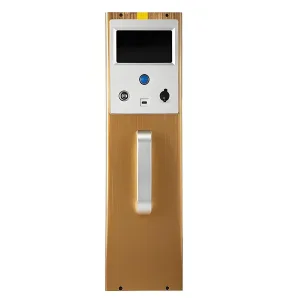
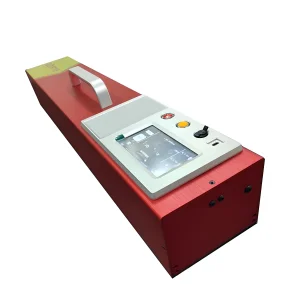
Portable Retroreflectometer

Wholesale Portable Quick Measurement Retroreflectometer For Road markings Manufacturer

Get Custom Quotes
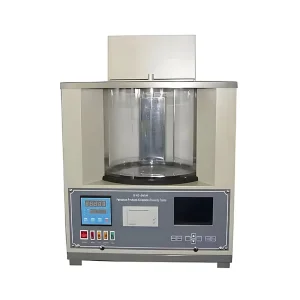
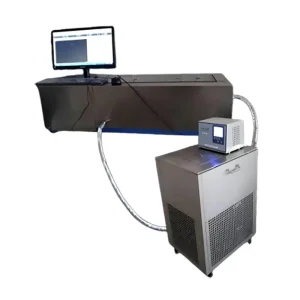
Asphalt Kinematic Viscometer

Wholesale Petroleum Products Asphalt Kinematic Viscometer Kinematic Viscosity Tester Capillary Viscometer

Request Price list
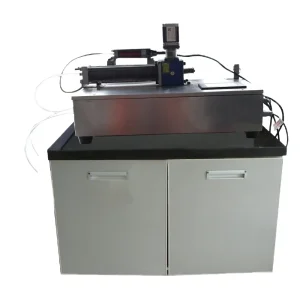
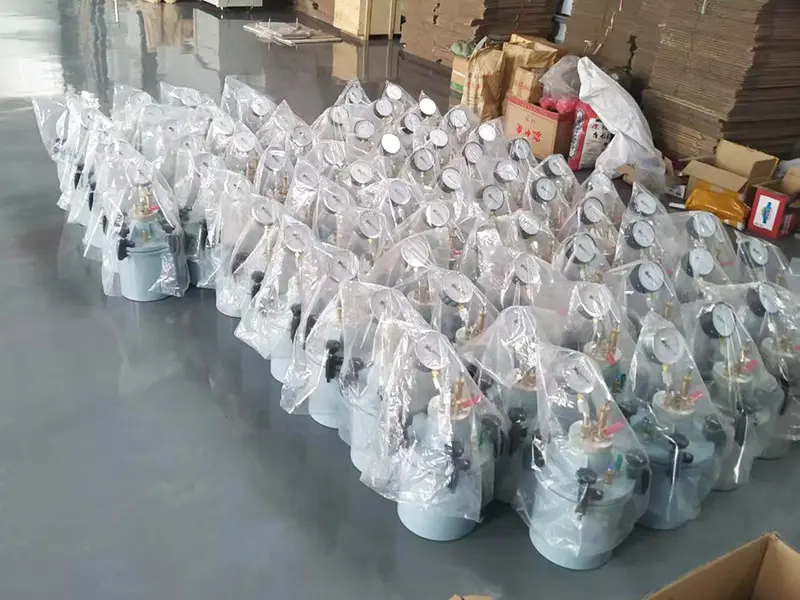
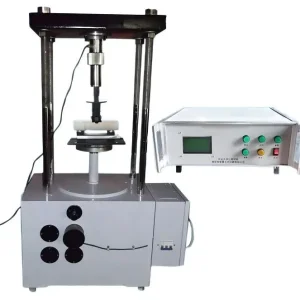
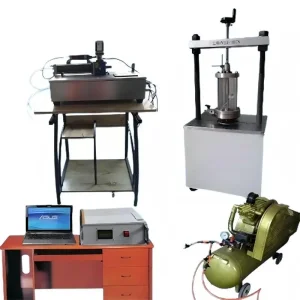
Soil Pressure Volume Control System

Custom Soil uniaxial and triaxial (soil infiltration) pressure volume control system

View Detailed Specs
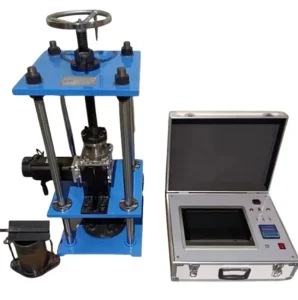
Soil Vane Shear Test Equipment

Wholesale Soil Vane Shear Test Apparatus Indoor Testing Vane Shear Test Equipment ASTM

Request Quotation
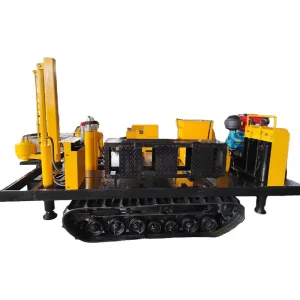
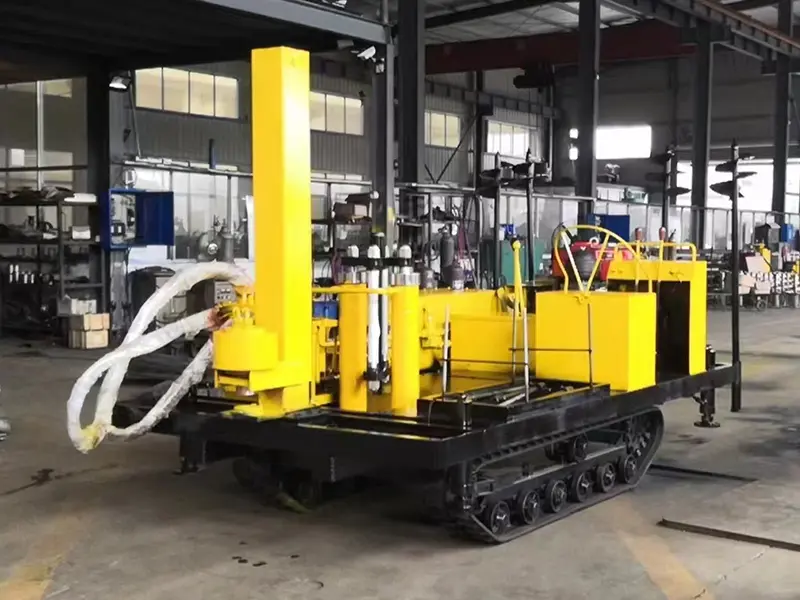
CPT Vehicle

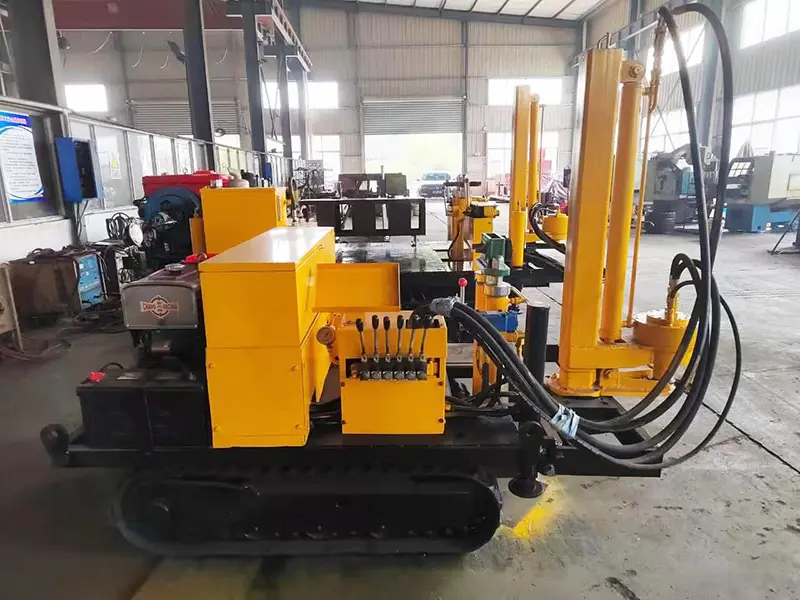
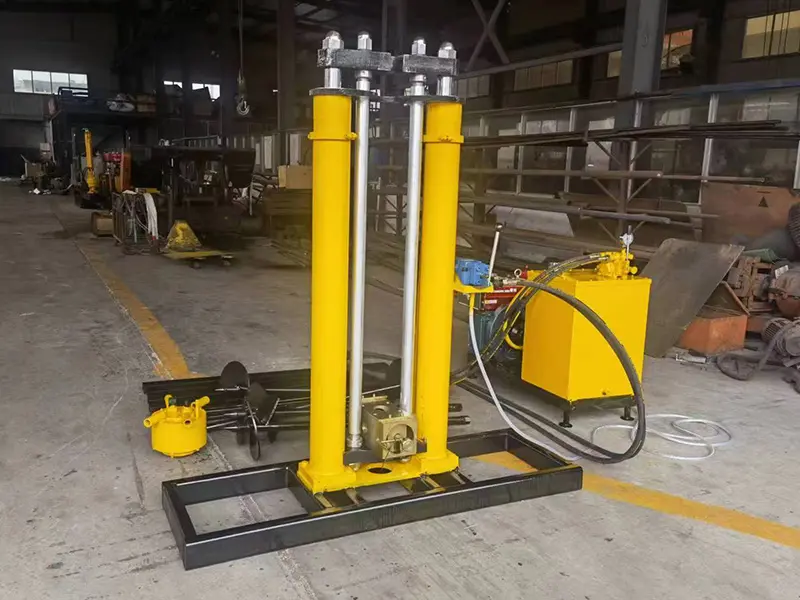
Wholesale crawler-type CPT Vehicle for Hydraulic Static Cone Penetrometer Manufacturers

Inquire Wholesale
Pavement Marking Retroreflectometer

Wholesale Pavement Marking Retroreflectometer RL&QD Retroreflectance measuring instrument

Contact Manufacturer

Industry White Paper: Soil Compaction Dynamics & OEM Standard Proctor Systems

Analytical insights into the mechanical characterization, standardization protocols, and digital calibration systems driving modern geo-infrastructure stability.

1. Foundations of Soil Compaction: Standard vs. Modified Proctor Tests

In modern civil engineering, understanding soil load-bearing capacities is key to constructing stable foundations, dams, railways, and highways. The fundamental technique for characterizing these soils relies on the Standard Proctor Compaction Test, originally established by Ralph R. Proctor in 1933. The test evaluates the relationship between dry density and soil moisture content, identifying the optimum moisture content (OMC) at which a given soil achieves its maximum dry density (MDD).

Under ASTM D698 and AASHTO T99, standard Proctor compaction involves drops of a 5.5 lb (2.49 kg) rammer from a height of 12 inches (305 mm) onto a soil sample loaded in standard 4-inch or 6-inch molds in three successive layers. Conversely, the Modified Proctor Test, designated by ASTM D1557 and AASHTO T180, is used for higher loading designs like airport runways and heavy-duty industrial pavements. It employs a 10 lb (4.54 kg) rammer dropped from a height of 18 inches (457 mm) in five layers, transferring roughly 4.5 times more energy. As an OEM manufacturer, we design equipment with modular components to handle both standards efficiently, allowing for simple modifications to meet varying testing demands.

2. Xi'an Zealchon: Over 15 Years of Civil Engineering and Research Leadership

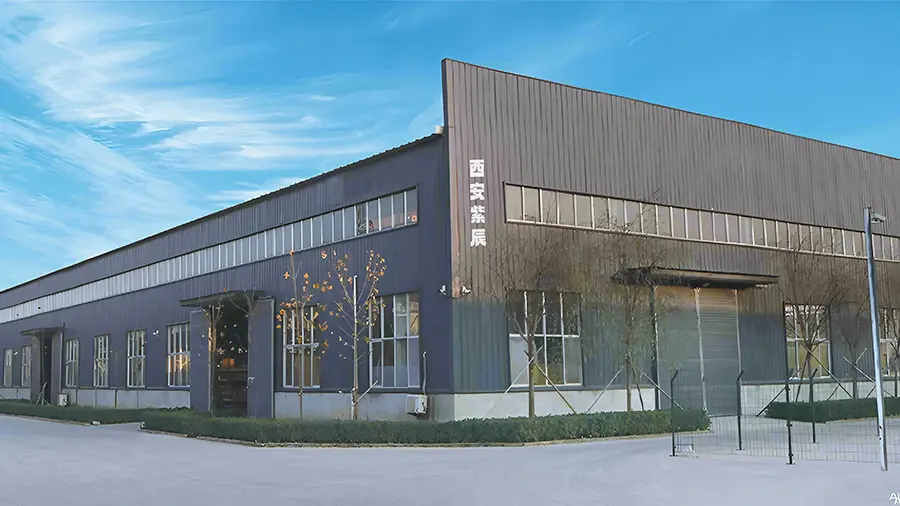
Founded in the High-Tech Industry Development Zone of Xi'an, China, Xi'an Zealchon Electronic Technology Co., Ltd. has grown to become a leading enterprise in geotechnical and structural laboratory equipment. Operating out of a modern facility spanning 7,500 square meters, our structural divisions specialize in geotechnical testing, asphalt/bitumen mixture analyzers, cement/concrete testing systems, and semiconductor laser technology.

Under our trademark "Xiya"—a recognized brand in Shaanxi Province—our engineering and development teams work closely with research universities, including the Chang'an University Highway College, the Air Force Engineering University, and the Xi'an University of Technology. This academic and industry integration enables us to engineer professional testing solutions that align with international standards. Our equipment fills critical technical gaps, receiving recognition from ministerial and provincial authorities, and is utilized globally by government agencies, commercial testing facilities, concrete producers, contractors, and universities.

3. Tech Roadmap & Future Outlook: The Digitalization of Soil Testing

The future of soil compaction testing is shifting from manual methods to automated, data-driven systems. Traditional manual compactors present challenges, including operator fatigue and variations in rammer drop heights or drop placement, which can compromise test repeatability. Our current technology roadmap is focused on developing smart systems with:

  • Automatic Drop Height Self-Calibration: Integrated optical and laser sensors dynamically check drop height to ensure consistent energy delivery of 594 kJ/m³ for ASTM D698 standards.
  • Digital Control & Interface Touchscreens: Microprocessor-based control panels allow users to pre-program blow counts and mold sizes (4-inch vs 6-inch) with automatic blow-pattern shifting.
  • Integrated Cloud Diagnostics: Soil mechanics data can be streamed directly to lab information management systems (LIMS), streamlining data logging and reducing transcription errors.
  • Modular Upgrades for Multipurpose Use: Interchanging components allows a single machine to transition between Standard Proctor, Modified Proctor, and California Bearing Ratio (CBR) tests.

China Factory 4.0: Supply Chain Resilience & Manufacturing Precision

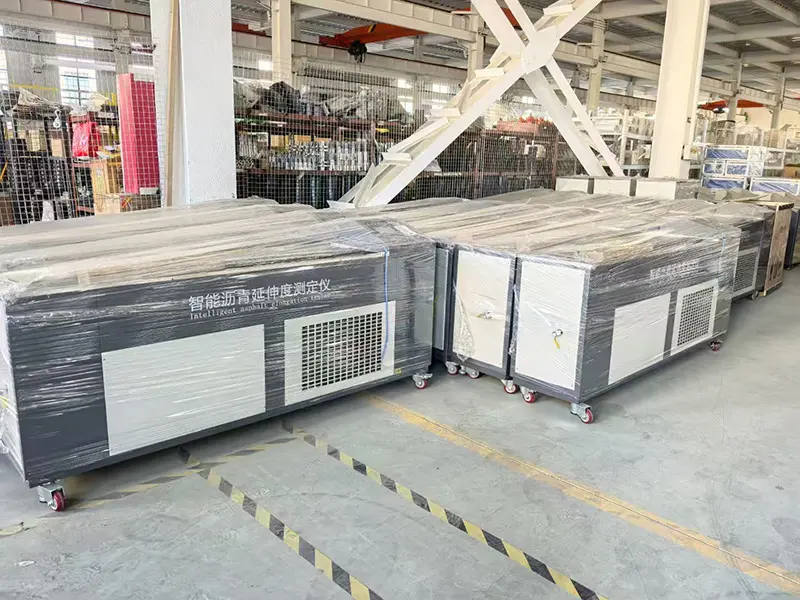
At Xi'an Zealchon, our manufacturing facility uses modern production machinery to deliver high-quality geotechnical equipment. Our workshops are outfitted with machining centers, CNC lathes, precision milling machines, planers, grinders, shearing systems, bending machines, and advanced electric and argon arc welding installations.

Operating under an ISO 9001:2015 quality management system, every stage of production—from raw steel processing to final calibration—is systematically tracked. This in-house capabilities allow us to manage product dimensions, mechanical clearances, and metallurgical finishes. By keeping manufacturing in-house, we can secure the supply chain and maintain reliable delivery timelines for large-scale procurement programs.
15+
Years of R&D
7500㎡
Production Space
100%
ASTM/EN Standards
50+
Export Nations
Xi'an Zealchon Electronic Technology Co., Ltd. Manufacturing Facility
Production Workshop CNC Lathe
Machining Center Mill
Geotechnical Assembly Area
High Precision Grinding Equipment
Welding Station
Quality Control Testing Zone
Material Shearing Machines
Bending and Metal Forming Machines

Global Enterprises Procurement Demands

EPC contractors and testing agencies face challenges when purchasing lab testing equipment internationally. Ensuring compliance across varying regional standards (e.g., standardizing on ASTM in North America vs. EN standard specifications in the European Union) requires versatile equipment and clear documentation.

We supply testing equipment with dual-labeled molds, multi-weight drop hammers, and variable-stroke mechanisms. This flexibility enables laboratories to perform testing in compliance with ASTM D698, ASTM D1557, AASHTO T99, AASHTO T180, and BS 1377-4 using a single hardware setup.

Localized Support & Compliance Protection

Our worldwide support system is backed by a structured program, providing three guarantees (repair, replacement, and calibration warranties) for all standard instrumentation. Our technical support, marketing, and web communication divisions are based in China, coordinating with partners in key regions to handle installation, software updates, and calibration tasks.

Every system is shipped with standard-traceable calibration sheets, ensuring that testing laboratories can pass local audits and accreditation inspections.

Macro Infrastructure Solutions: From Geotechnical Investigation to Quality Assurance

Standard Proctor testing equipment is used as part of wider construction quality assurance workflows. Our product line supports projects through every phase of development:

During the geological survey and planning stage, instruments like our static cone penetrometers (CPT vehicles) and vane shear systems help characterize soil layers in situ. In the materials formulation and laboratory analysis phase, our automatic rammers, Casagrande liquid limit units, dynamic triaxial chambers, and permeameters help refine soil and aggregate mix designs. Finally, in the onsite construction phase, equipment like our Dynamic Cone Penetrometers (DCP) and roughness testing meters (IRI meters) verify compaction levels and pavement smoothness to confirm compliance with design criteria.

Why Choose Zealchon

Partnering with laboratories, contractors, and research institutions worldwide to deliver durable testing solutions.

Quality Control

Our manufacturing and engineering processes are regularly updated to align with changes in national, ministerial, and global standard updates, ensuring our equipment delivers consistent performance.

Company Value

Guided by our core values—integrity, collaboration, and craftsmanship—we design and manufacture equipment centered on our customers' testing requirements and project goals.

Our Commitment

We provide comprehensive three-guarantee warranties (covering repair, replacement, and performance compliance) along with long-term technical support from our engineering teams.

Precision Civil Engineering Products Group II

Advanced diagnostic systems, rock mechanical characterization devices, and dynamic geotechnical test equipment.
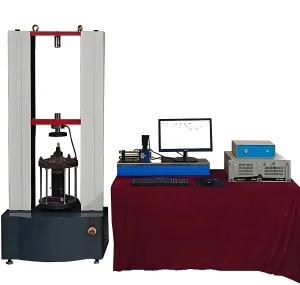
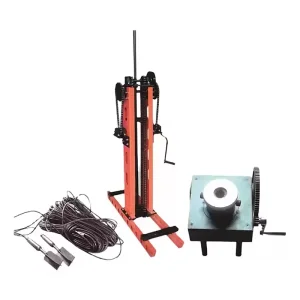
Digital Vibration Triaxial Tester

High-Quality Laboratory fully automatic digital vibration triaxial tester Suppliers

View Specs & Quotes
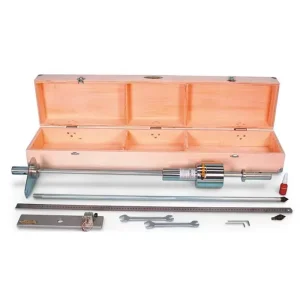
Field Vane Shear Test Apparatus

Wholesale Hand operated Field Vane Shear Test Apparatus Supplier

Request Quotation
Rock Fracture Toughness Tester

Custom Rock Fracture Toughness Tester Manufacturers

View Price list
Asphalt Tensile Fracture Tester

Custom Asphalt tensile fracture performance tester Manufacturers

Get Custom Pricing
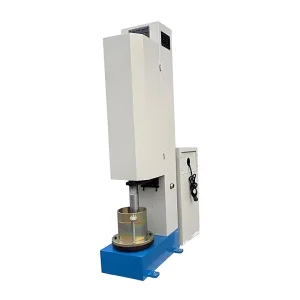
OEM Automatic Soil Compactor

OEM Automatic Soil 4inch 6inch Cbr Proctor Mould Rammer Compactor Manufacturer

View Price list
8kg DCP Penetrometer

High-Quality 8kg DCP Modified penetration Standard Dynamic Cone Penetrometer Manufacturer

View Specs & Suppliers
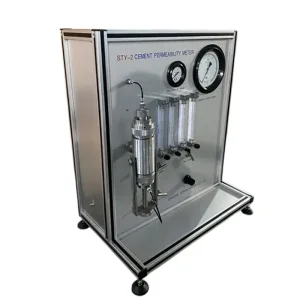
Liquid Steady-state Permeameter

Custom Liquid Steady-state Permeameter For Core And Cement Testing Manufacturers

Request Quotes
Soil Dynamic Triaxial Test Apparatus

Custom Soil Dynamic Triaxial Test Apparatus Manufacturers

View Product Details

Standard Proctor Testing & OEM Equipment FAQ

Answers to common technical, calibration, and procurement questions regarding soil compaction and lab testing standards.
1. What are the differences between ASTM D698 (Standard Proctor) and ASTM D1557 (Modified Proctor) compaction test equipment requirements?
The mechanical differences lie in the rammer's weight, drop height, and total compaction energy applied. Standard Proctor (ASTM D698 / AASHTO T99) requires a 5.5 lb (2.49 kg) hammer with a 12-inch (305 mm) drop height, compacted in 3 layers. Modified Proctor (ASTM D1557 / AASHTO T180) utilizes a 10 lb (4.54 kg) hammer with an 18-inch (457 mm) drop height, compacted in 5 layers. While the molds (4-inch and 6-inch) remain similar, automatic compactors must be adjustable to handle both setups, managing the hammer weight and drop height to ensure the correct energy application.
2. How does an automatic soil compactor maintain consistency compared to manual testing?
Manual testing can introduce operator-related variability, such as inconsistent hammer drop heights or uneven blow spacing across the soil surface. Our automatic rammers, like the OEM Automatic Soil Compactor, automate the drop height using index mechanisms and control the blow pattern to ensure even compaction coverage. The electronic counter stops the cycle automatically once the selected blow count is reached, which helps maintain test consistency across operators and laboratories.
3. Can standard Proctor molds and rammers be used for California Bearing Ratio (CBR) specimen preparation?
Yes. While standard Proctor tests typically use 4-inch molds for fine-grained soils, standard configurations also allow for a 6-inch mold. Preparing samples for CBR tests (following ASTM D1883) uses a similar 6-inch mold along with either standard or modified Proctor compaction rammers. Our automatic compactors support both 4-inch and 6-inch molds, allowing you to prepare specimens for both Proctor and CBR tests with the same machine.
4. What wear parameters and maintenance procedures are critical for Proctor test equipment?
Frequent contact with abrasive soil particles makes regular maintenance essential. Key areas to monitor include the internal diameter of the mold (which must remain within ASTM dimensional tolerances), the wear on the rammer face, and the guide sleeve clearances. Mechanical parts on automatic compactors, including lift chains, slide rods, and quick-release cams, should be cleaned and lubricated regularly. Regular calibration checks should also be performed to verify the slide weight and free-fall height.
5. How does the choice of mold size (4-inch vs. 6-inch) depend on the soil's particle size distribution?
The choice of mold size is based on the maximum particle size of the soil sample. If 7% or less (by weight) of the material is retained on a 3/8-inch (9.5 mm) sieve, a 4-inch mold is used. If more than 7% is retained on the 3/8-inch sieve but 20% or less is retained on the 3/4-inch (19.0 mm) sieve, a 6-inch mold is required. If more than 20% is retained on the 3/4-inch sieve, the material is typically oversized, and alternative testing methods or correction formulas must be applied.