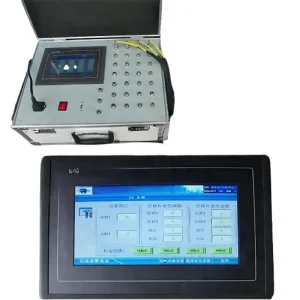
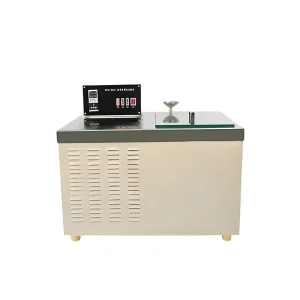
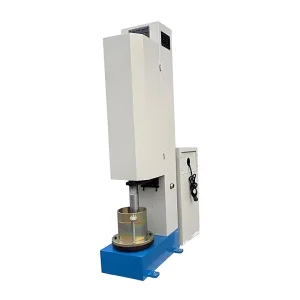
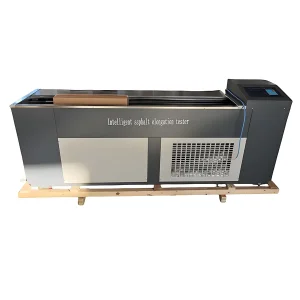
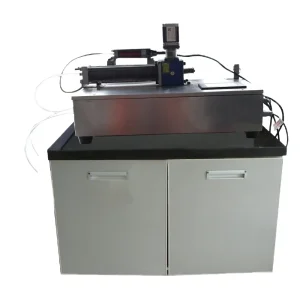
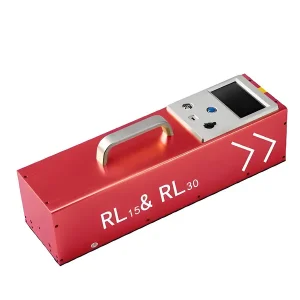
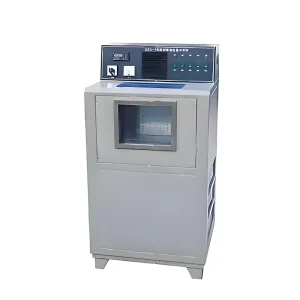
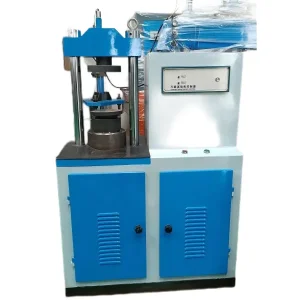
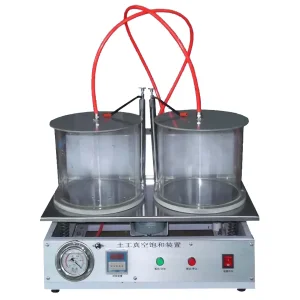
In the modern landscape of civil engineering, the Vacuum Pyknometer Apparatus has transitioned from a standard laboratory tool to a critical component of Infrastructure 4.0. As global urbanization accelerates, the demand for resilient pavement and soil foundations has never been higher. According to recent market analysis, the demand for precision asphalt testing equipment is projected to grow by 6.5% CAGR as nations invest in sustainable road networks.
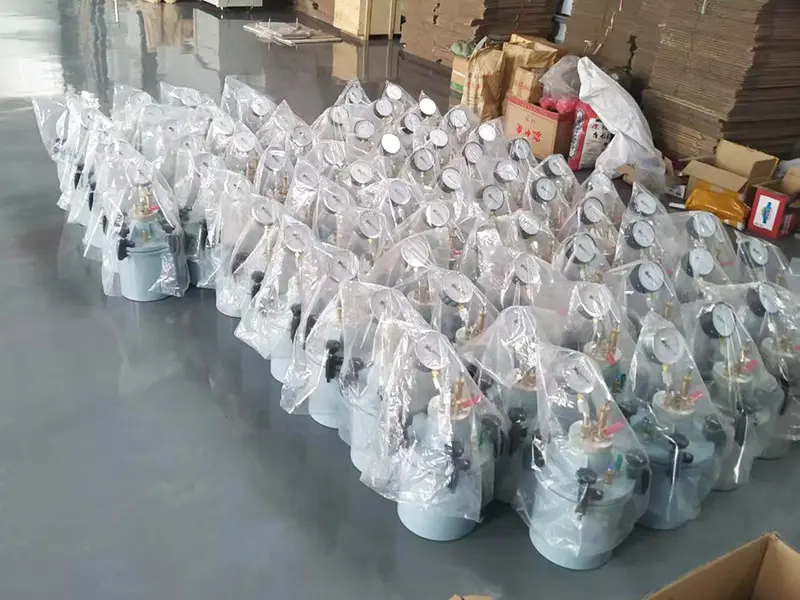
Primarily used for the Theoretical Maximum Specific Gravity (Gmm) of bituminous paving mixtures—commonly known as the Rice Test—our apparatus eliminates air bubbles trapped within material pores. This process is vital for calculating the air void content in compacted asphalt, which directly correlates to the lifespan, rutting resistance, and moisture susceptibility of highways.
We are moving beyond manual vacuum control. Our R&D roadmap focuses on:
Global procurement managers are no longer just looking for a "price." They are looking for compliance, longevity, and information gain. Our OEM Vacuum Pyknometer systems are engineered to provide more than just a measurement; they provide a data-backed assurance of material quality.
Urban Infrastructure: High-traffic municipal roads require frequent Gmm testing to ensure pavement density prevents water infiltration and freeze-thaw damage.
Aviation & Runways: Airport pavements demand the highest precision. Our apparatus supports the rigorous standards required for airport runway profilometer and friction testing correlations.
Geotechnical Survey: For water conservancy and hydropower projects, understanding soil vacuum saturation is paramount for dam stability analysis.
When requesting a Pricelist & Quotes, consider the following technical variables that influence cost and performance:
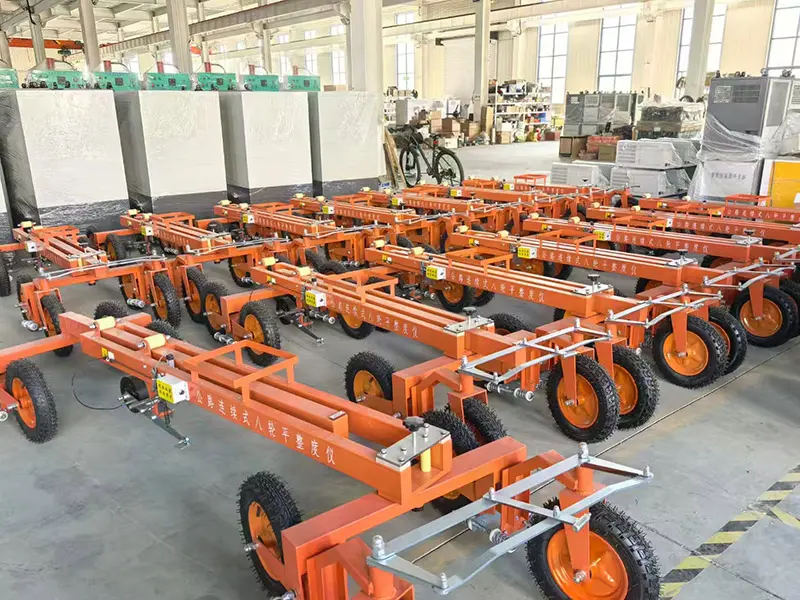
With more than 15 years of civil engineering background, located in new technology industry development zone in Xi'an, an ancient city in China. It covers an area of 7500 square meters of building area. We manufacture and supply testing instruments for civil engineering, geological survey, water conservancy and hydropower, roads and bridges, highways, railways and airports.
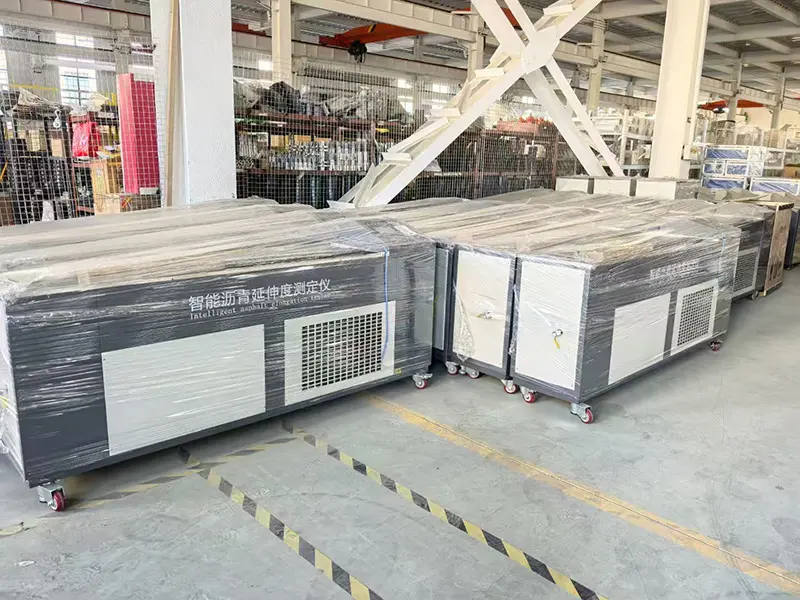
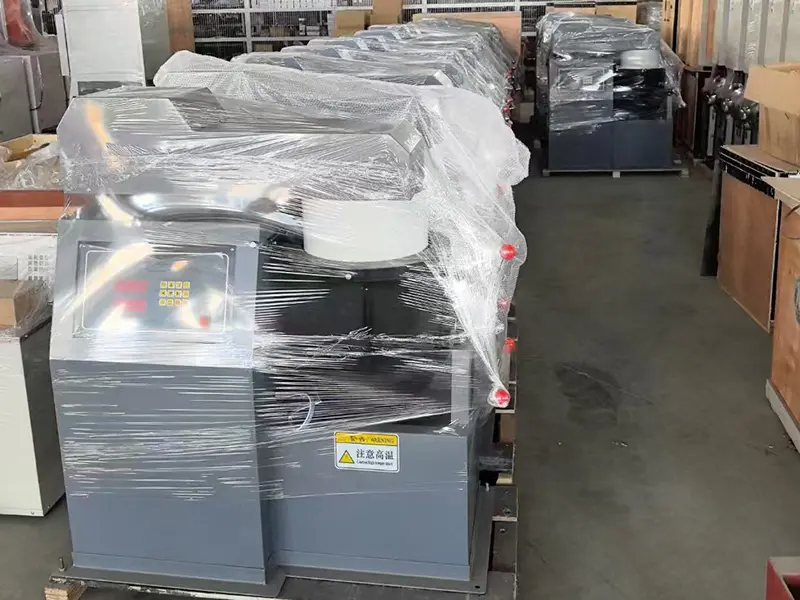
Our range includes research lab instruments, soil testing instruments, bitumen testing instruments, and cement & concrete testing equipment.
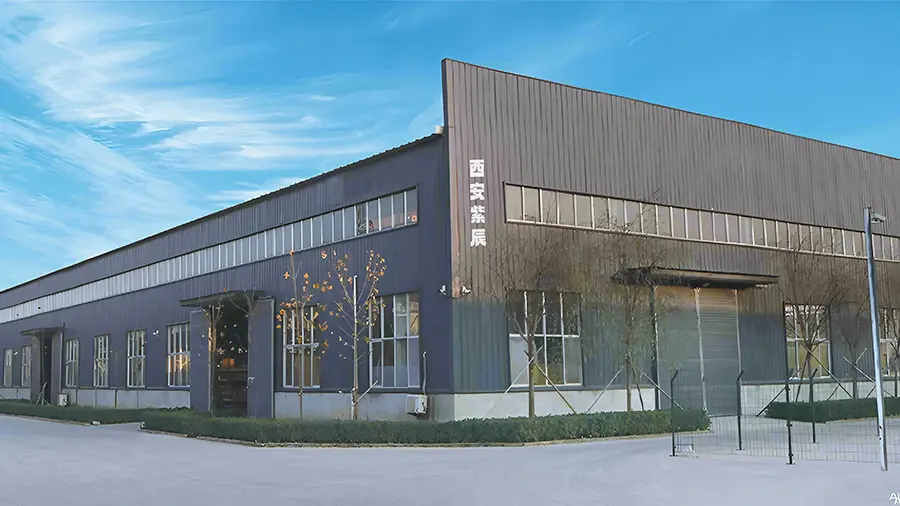
The "Xiya" trademark was rated as a trademark of Shaanxi Province. Under the guidance of professors from Chang'an University and Xi'an University of Technology, we developed core testing instruments that fill the gaps in domestic and international markets.
Our workshop features CNC lathes, milling machines, grinders, and argon arc welding units, ensuring every vacuum vessel is pressure-tested for zero-leakage performance.
Used world-wide by government agencies, commercial testing laboratories, and ready-mix producers. Our dedication to performance and value is the cornerstone of our success.
| Feature | Standard Series | Advanced OEM Series | Application Benefit |
|---|---|---|---|
| Vacuum Range | 0-100 kPa | 0-101.3 kPa (High Precision) | Ensures complete air removal from sample |
| Container Volume | 4000ml / 6000ml | Customized up to 10L | Handles larger aggregate sizes for Rice Test |
| Material | Heavy-duty Acrylic/Polycarbonate | Reinforced Aerospace Grade Alloy | Prevents implosion and maintains calibration |
| Vibration Mode | Manual / External | Integrated Electromagnetic Agitation | Automates the agitation process for consistency |
 Zealchon Electronic