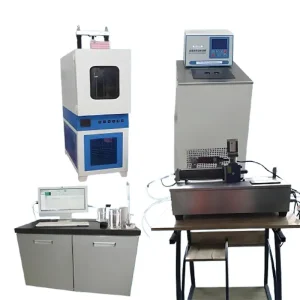
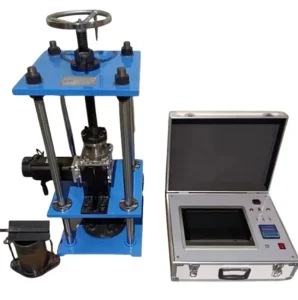
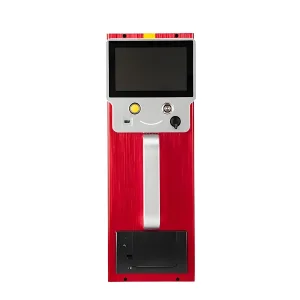
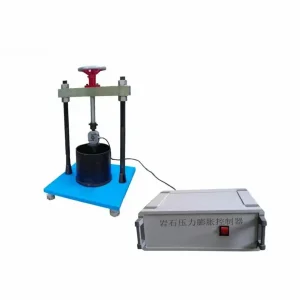
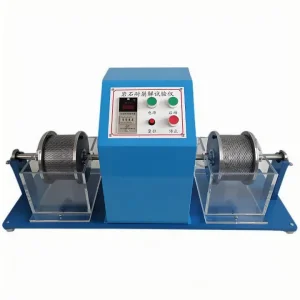
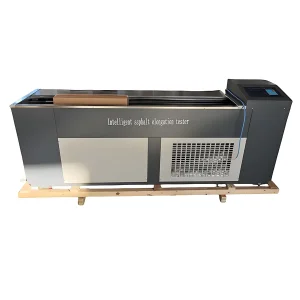
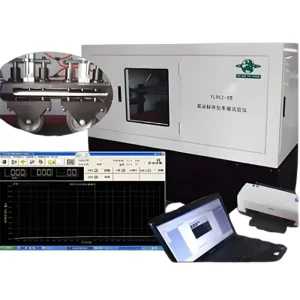
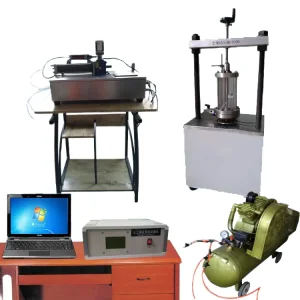
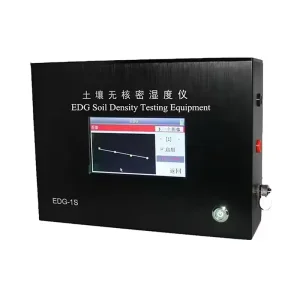
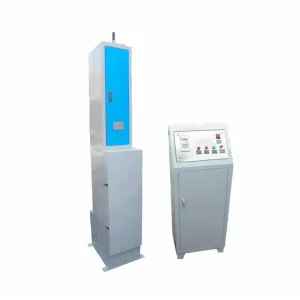
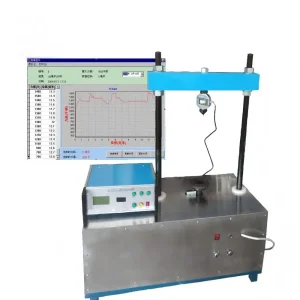
In the realm of geotechnical engineering, the Proctor compaction test is not merely a laboratory procedure; it is the fundamental benchmark for civil engineering safety. As a leading Wholesale Standard and Modified Proctor Test Manufacturer, Xi'an Zealchon Electronic Technology understands that the stability of highways, airport runways, and mega-dams hinges on the moisture-density relationship of the soil foundation.
Compaction is the process of densifying soil by reducing air voids through mechanical energy. The difference between structural success and catastrophic subsidence often lies in the precision of the Standard Proctor Test (ASTM D698) and the Modified Proctor Test (ASTM D1557). Our equipment is engineered to provide the "Information Gain" required by modern engineers to predict soil behavior under varying environmental loads.
The geotechnical testing market is projected to grow by 6.5% CAGR, driven by rapid urbanization in the APAC and MENA regions. High-precision Proctor molds and rammers are the most sought-after tools for quality control in these zones.
For international airports and high-speed rail, the Modified Proctor Test is essential. It provides the higher compactive effort needed to simulate the massive loads of modern aircraft and heavy freight.
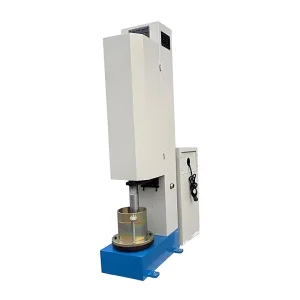
In dam construction, permeability and shear strength are paramount. Our automatic soil compactors ensure uniform density, minimizing the risk of internal erosion and seepage failures.
Changing weather patterns require soils that can withstand extreme saturation. Our testing kits allow engineers to find the Optimum Moisture Content (OMC) with 0.1% precision, ensuring resilience against flooding.
Understanding the technical nuances between these two protocols is vital for accurate procurement and application. As a specialized supplier, Zealchon provides a comparative roadmap:
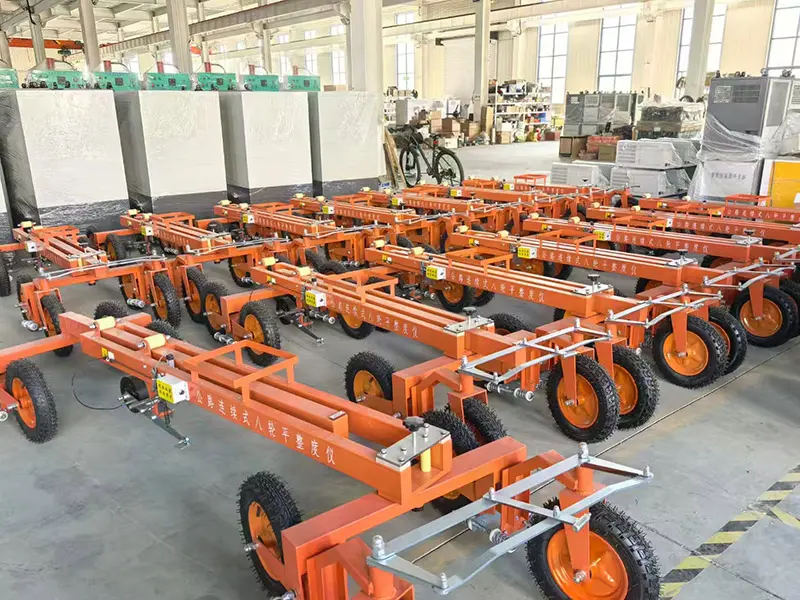
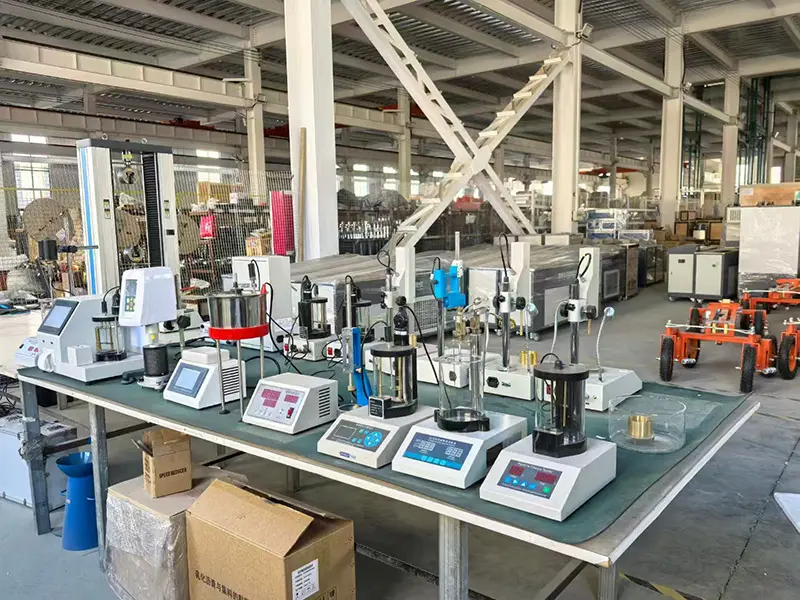
Based in the high-tech industrial zone of Xi'an, Xi'an Zealchon Electronic Technology Co., Ltd. brings over 15 years of civil engineering expertise to the global market. Our 7,500 square meter facility is a hub of innovation where "Expertise, Authoritativeness, and Trustworthiness" are manufactured into every gear.
Our research team is composed of elite personnel from Chang'an University and Xi'an Polytechnic University. This academic synergy has allowed us to develop the "Xiya" trademark, a symbol of quality recognized by government agencies and commercial testing laboratories world-wide.
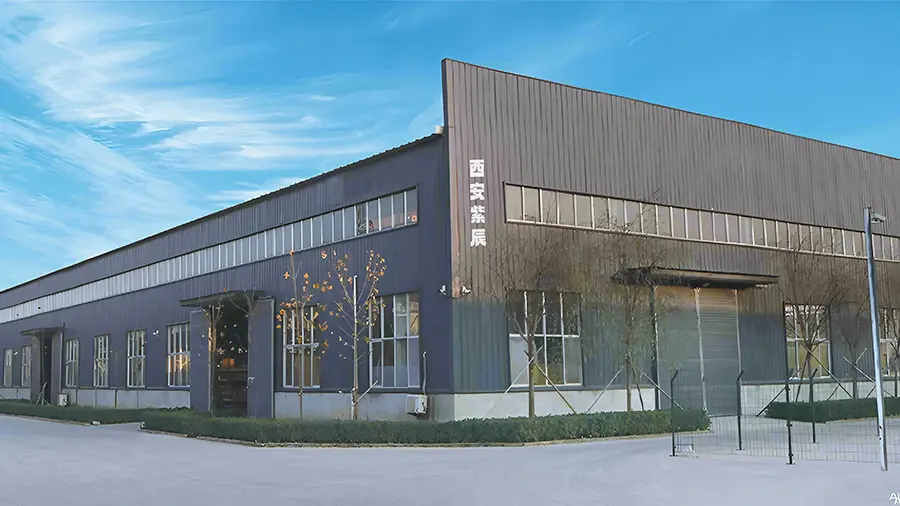
All our Proctor molds and rammers are calibrated to meet the stringent requirements of ASTM D698, D1557, and AASHTO T99/T180 standards, ensuring your data is valid for international audits.
We are transitioning from manual testing to AI-Integrated Automatic Compactors. Our future roadmap includes IoT-enabled molds that track compaction cycles and energy distribution in real-time.
We provide localized technical support and a "Three Guarantees" promise, ensuring that whether you are in Southeast Asia or South America, your equipment maintains peak performance.
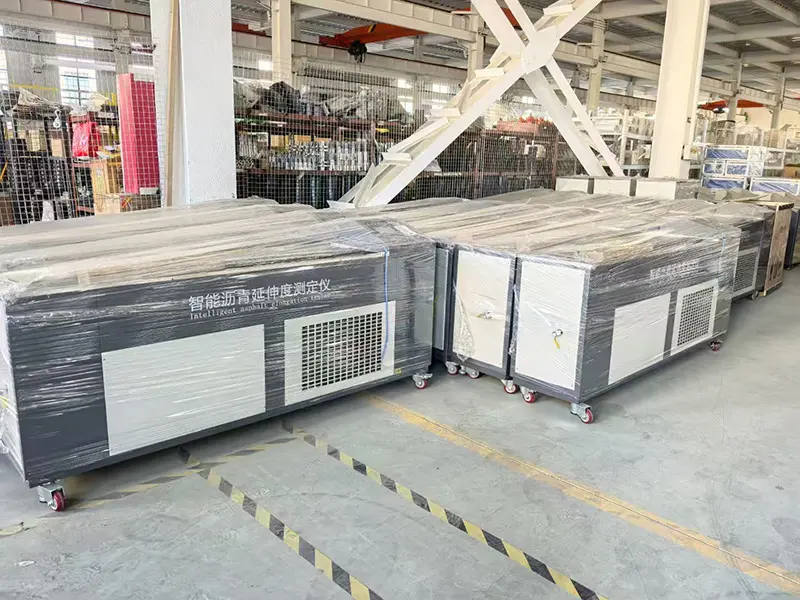
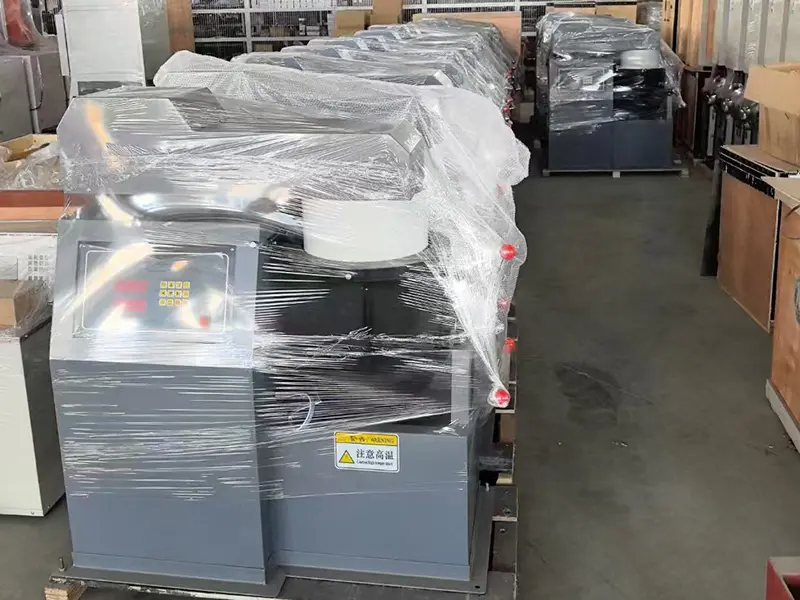
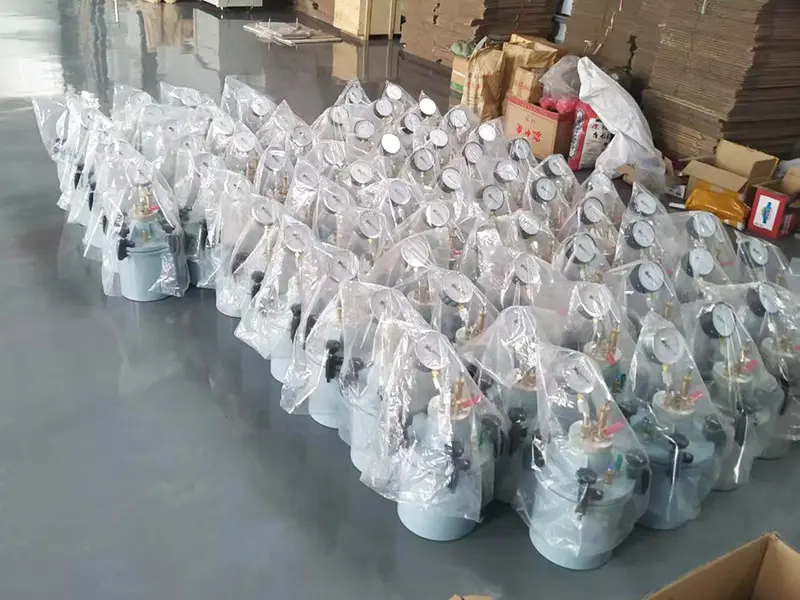
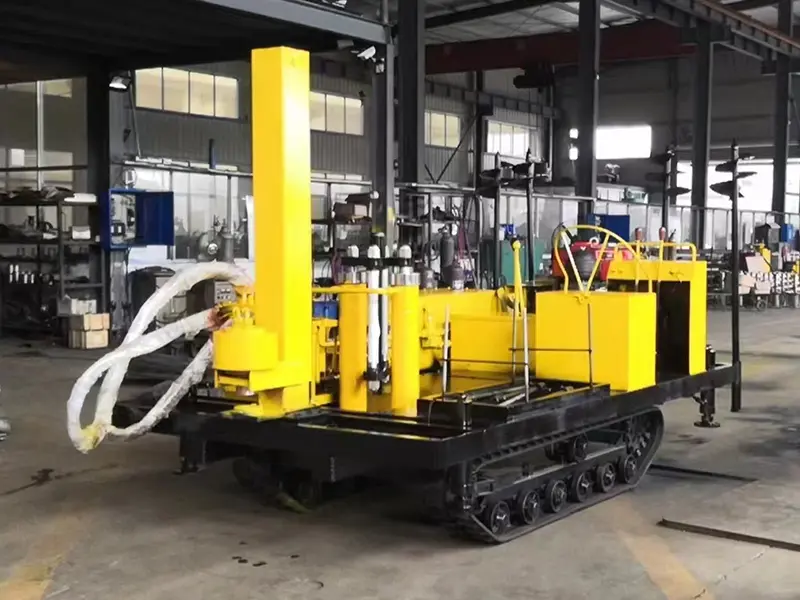
The primary difference is the energy applied. Modified Proctor uses a heavier rammer (10 lb) and a higher drop (18 in), resulting in roughly 4.5 times more compactive effort. This is necessary for structures that must support heavy modern loads like aircraft.
According to ASTM guidelines, equipment should be verified at least every 12 months or whenever damage is suspected. Our high-grade steel molds are designed to resist deformation, extending calibration stability.
Yes, our OEM automatic compactors are designed with versatile baseplates and programmable stroke counters to accommodate both 4-inch (standard) and 6-inch (CBR/Modified) molds seamlessly.
OMC is the moisture level at which soil achieves its maximum dry density. Testing ensures that the soil used in construction has the perfect balance to prevent both future shrinkage (if too wet) and instability (if too dry).
 Zealchon Electronic