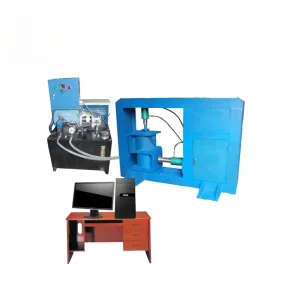
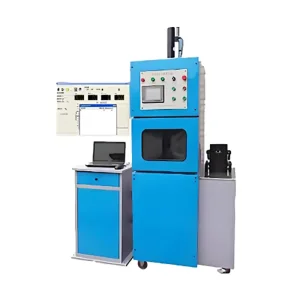
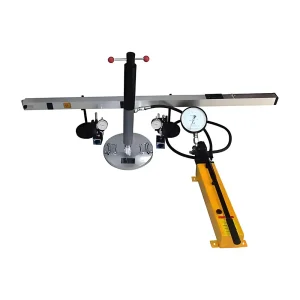
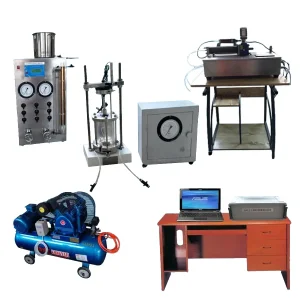
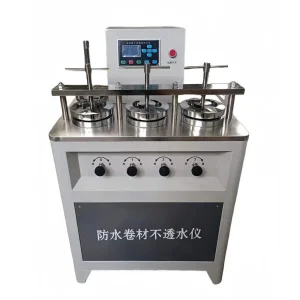
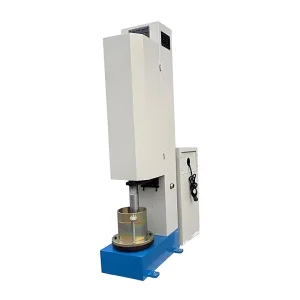
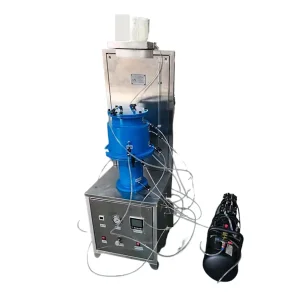
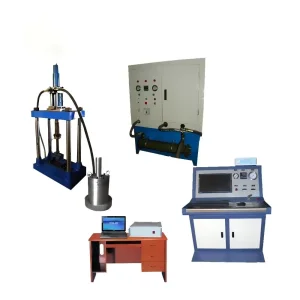
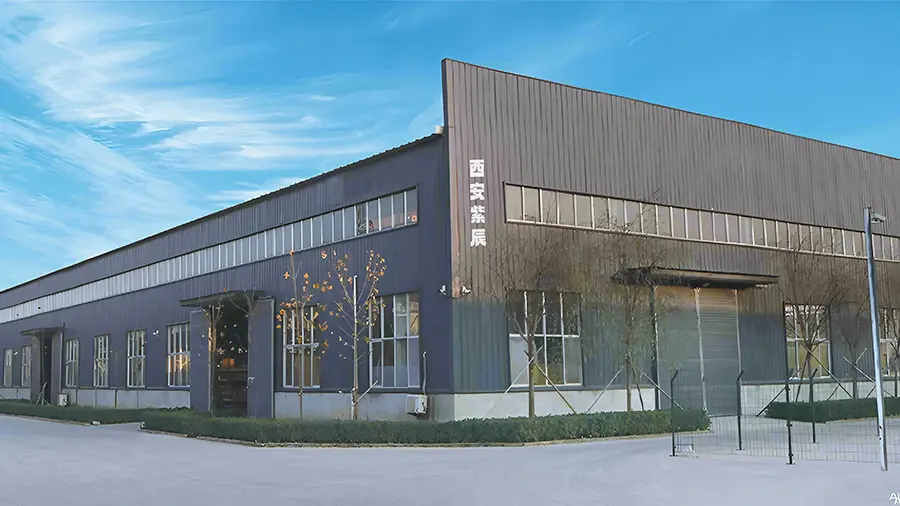
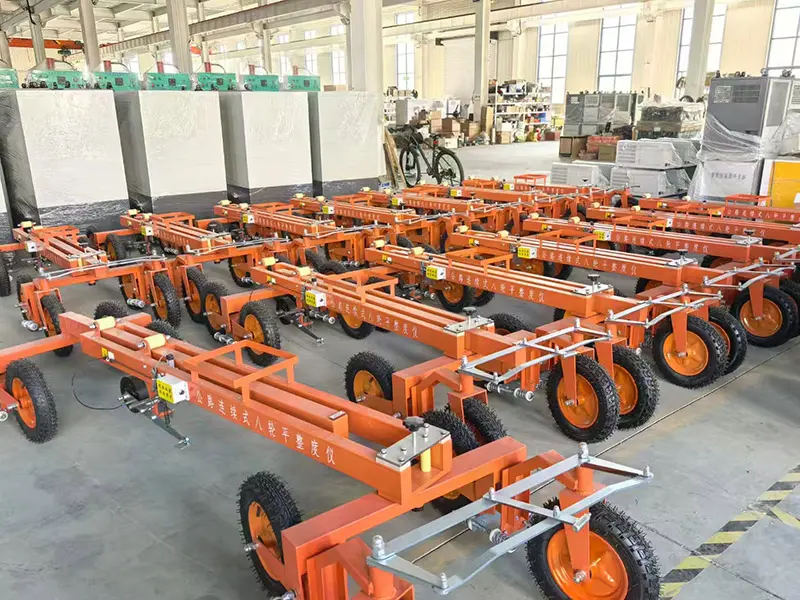
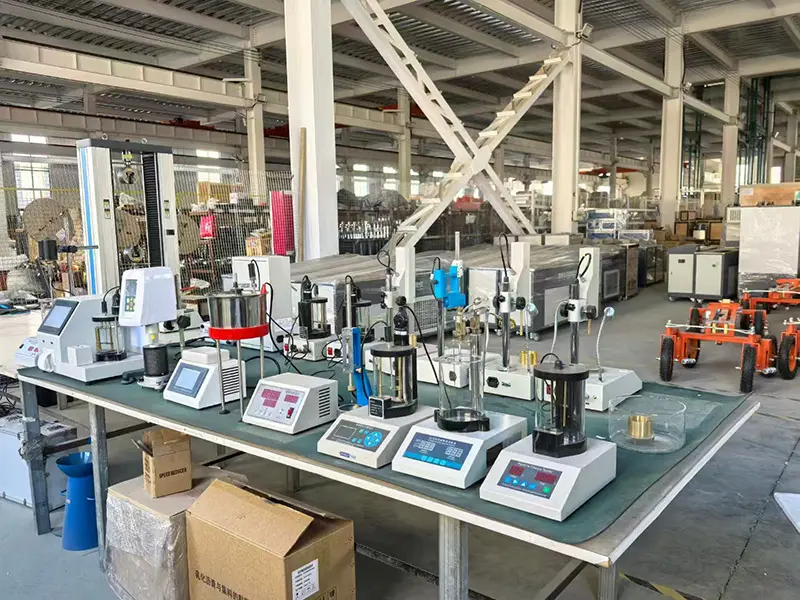
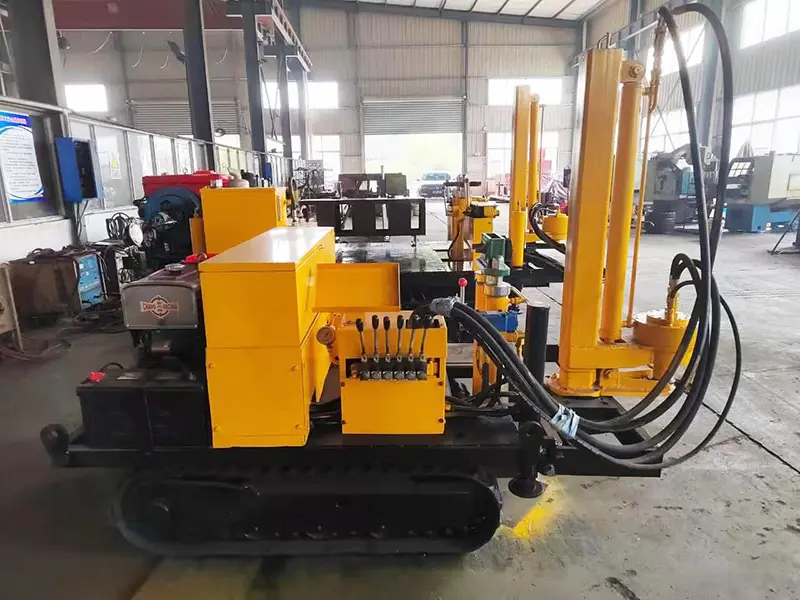
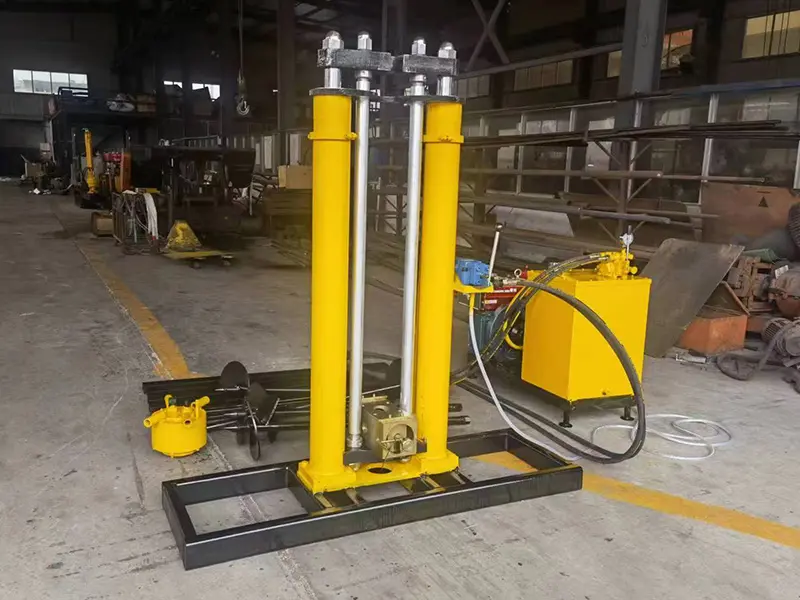
With more than 15 years of civil engineering background, Xi'an Zealchon Electronic Technology Co., Ltd. is strategically situated in the high-tech industry development zone of Xi'an, Shaanxi, China. Operating from an advanced facility covering 7,500 square meters, we stand at the forefront of designing, manufacturing, and supplying precision testing instrumentation.
Our core competence lies in engineered solutions for civil engineering research, geological survey, water conservancy, hydropower, bridges, highways, and aerospace. Through decades of application, we have bridged the gap between raw research and site implementation. Our portfolio encompasses advanced geotechnical testing machines, asphalt and dynamic asphalt mixture analyzers, and high-performance cement-concrete testing equipment.
Zealchon is unique: our activities branch into two complementary high-technology sectors—civil engineering research laboratory equipment and advanced semiconductor laser research & development. This dual expertise infuses our testing machines with unparalleled optical calibration precision, micro-displacement measurement accuracy, and advanced sensor synchronization.
In modern structural design, geotechnical reinforcement, and asphalt binder production, fluid flow dynamics dictate structural lifespan. The measurement of fluid resistance to deformation under shear or gravity forces is characterized by two fundamental dimensions: Dynamic (Absolute) Viscosity and Kinematic Viscosity.
| Viscosity Type | Fundamental Concept | Mathematical Definition | Standard Units | Primary Application in Civil/Geotech |
|---|---|---|---|---|
| Dynamic (Absolute) Viscosity | Internal resistance to flow under an applied external shear stress. | $\eta = \tau / \dot{\gamma}$ (Shear Stress / Shear Rate) | Pascal-seconds (Pa·s), Poise (P), Centipoise (cP) | High-temperature asphalt binder testing, dynamic shear rheometer (DSR) profiling, bentonite drill slurries. |
| Kinematic Viscosity | Resistive flow under the influence of gravity (no external pressure). | $\nu = \eta / \rho$ (Dynamic Viscosity / Density) | $\text{m}^2/\text{s}$, Stokes (St), Centistokes (cSt) | Liquid asphalt cement, hydraulic system oils, oil-water-gravel separation coefficients, runoff soil permeability. |
Viscosity is not merely a chemical attribute; it is a primary design variable in mechanical civil engineering systems:
International infrastructure companies demand testing equipment that bridges physical field dynamics with digital data compliance. Procuring custom viscosity and rheological testing systems requires key configurations to satisfy local design frameworks (such as AASHTO, ASTM, and EN standards).
From Arctic railway grading projects to Arabian desert highways, asphalt dynamic viscosity shifts drastically. Custom viscometers must feature precise thermoelectric heating (Peltier controls) or cryogenic cooling systems, ensuring measurement ranges between -20°C and 250°C.
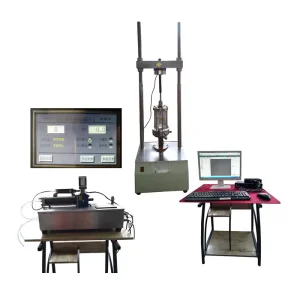
Modern testing labs are shifting from manual capillary viscometers to automatic, computer-controlled rotary, vibrating, or dynamic shear systems. Procurement criteria now mandate digital calibration certificates, cloud data storage compatibility, and minimal operator handling to mitigate data tampering.
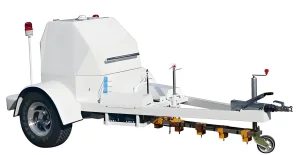
When deploying highway inspection tools like *Trailer-Mounted Falling Weight Deflectometers (FWD)*, hydraulic dynamic viscosity directly affects deflection sensor response times. Procuring agencies require dynamic viscosity matching for sensor dampening oils to maintain measurement repeatability down to ±0.1 micron displacements.
Backed by top-tier academic engineering universities, our "Xiya" trademark stands for benchmark quality across the global pavement, geological, and geotechnical testing industries.
Developed under the guidance and cooperation of professors and researchers from Chang'an University Highway College, Air Force Engineering University, Xi'an University of Technology, and Xi'an Petroleum University. We develop core-technology testing instruments that fill historical blanks in structural and asphalt testing.
Our facility features high-precision production machinery, including multi-axis machining centers, CNC lathes, heavy milling machines, planers, grinders, shears, bending machines, and certified argon arc welding systems to ensure robust structural builds.
Zealchon instruments are used by government highway agencies, commercial testing labs, concrete producers, infrastructure contractors, and universities across 40+ countries, serving as the cornerstone of major infrastructure builds.
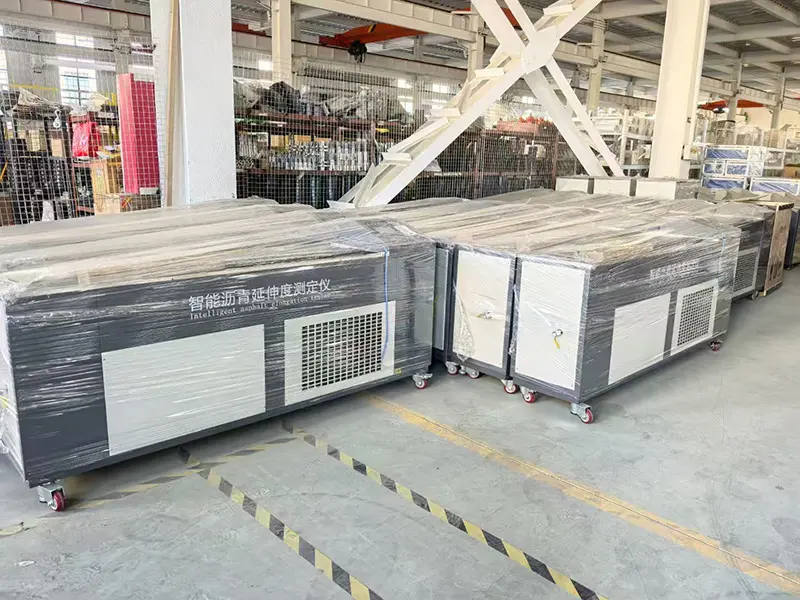
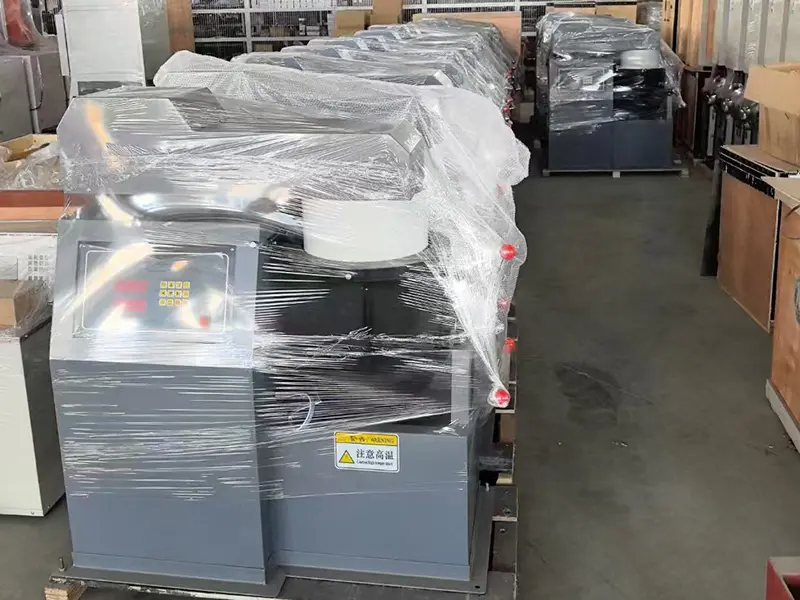
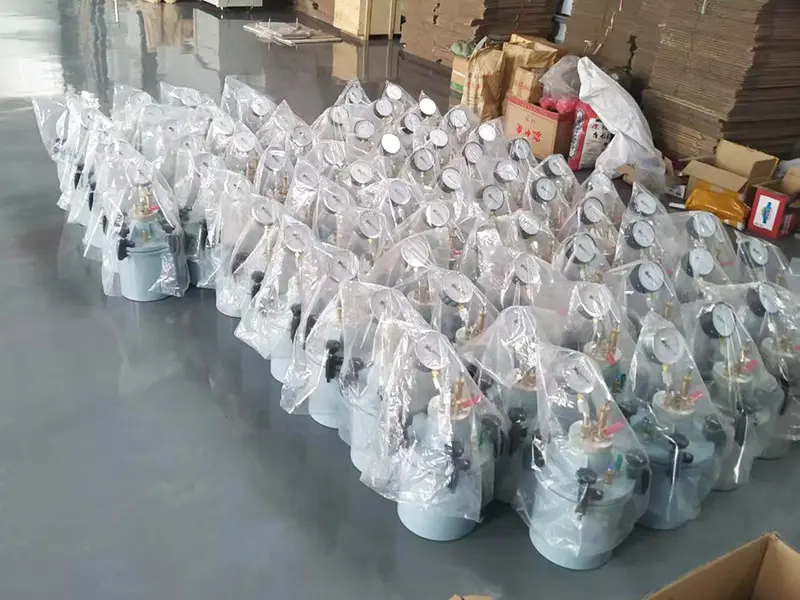
The future of material rheological characterization lies in the integration of real-time monitoring systems with classical fluid dynamics. Static laboratory measurements are giving way to continuous dynamic profiling:
Leveraging Zealchon's semiconductor laser R&D background, we are pioneering non-contact optical sensors capable of reading fluid shear stress at high speed. Using dynamic light scattering (DLS) combined with laser Doppler velocimetry, researchers can evaluate local shear velocity gradients without immersing physical spindles, eliminating cleanup cycles and device wear.
Future viscometers will adaptively adjust shear rates based on the fluid's non-Newtonian flow curve (pseudoplastic, dilatant, or thixotropic). Automated control algorithms detect changes in structural viscosity and modify temperature fields in real-time, matching standard EN and ASTM test guidelines seamlessly.
During underground micro-tunneling and deep soil bentonite consolidation works, our dynamic viscometers interface directly with slurry reclamation units. Automated warning systems flag fluid thinning or sand pollution, minimizing borehole collapsed zones and boosting structural integrity.
We adhere to strict international engineering protocols to deliver robust, high-fidelity testing setups under a verified quality assurance framework.
Zealchon maintains close alignment with the latest revisions of ASTM, AASHTO, ISO, and EN standards. Our production processes undergo rigorous internal audits to guarantee absolute precision across every sensor calibration curve.
Every product shipped carries a comprehensive manufacturer warranty, reflecting our engineering values: "quality first, honesty and trustworthiness, and customer first." We support our machines with lifetime maintenance and dynamic part replacement.
We provide remote calibration setup, detailed instrumentation training videos, and complete English technical support documentation. Our partner laboratories worldwide assist with local standards verification and maintenance.
Expert technical answers to critical lab measurement questions from material scientists and procurement officers.
 Zealchon Electronic