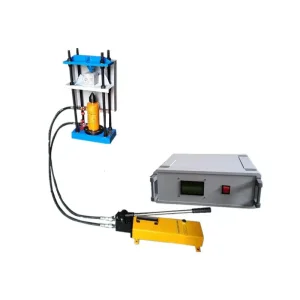
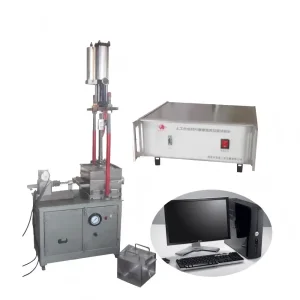
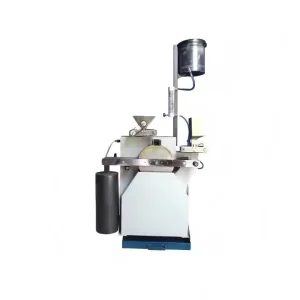
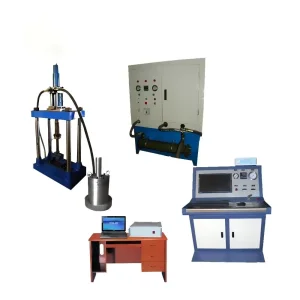
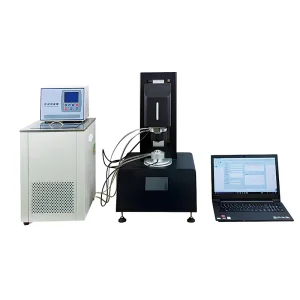
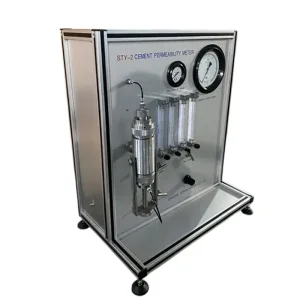
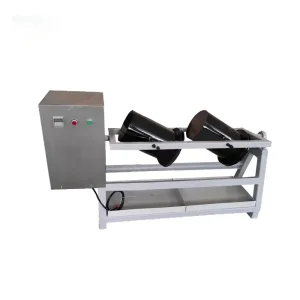
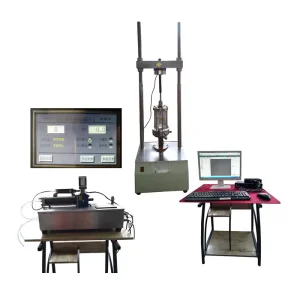
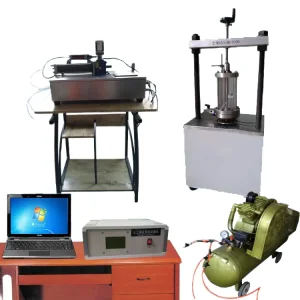
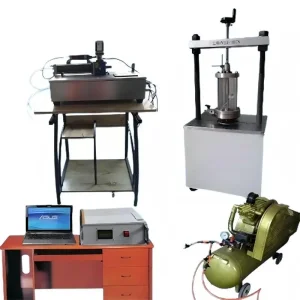
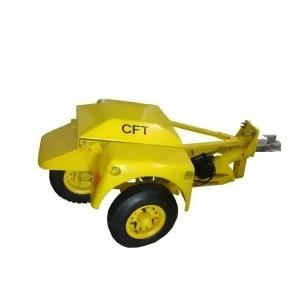
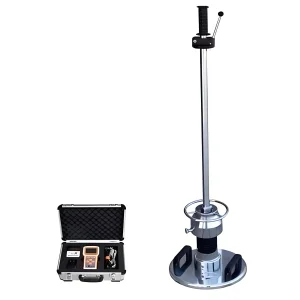
Unlike standard static load tests, the Cyclic Plate Load Test (CPLT) measures the deformation characteristics of soil under repeated loading and unloading. It is critical for determining the Strain Modulus (Ev2) and the ratio Ev2/Ev1, which indicates the compaction quality and bearing capacity of subgrades in high-speed rail and heavy-duty highway construction.
The global demand for high-precision geotechnical instruments has surged with the expansion of "Mega-Infrastructure" projects. CPLT is now a mandatory requirement for international standards such as ASTM D1194, DIN 18134, and BS 1377. Manufacturers are shifting toward 100% digital data acquisition to eliminate human error.
The "Information Gain" provided by Zealchon involves the integration of IoT-enabled LVDTs and real-time stress-strain curve analysis. This allows engineers to predict long-term settlement behavior of saturated clays and granular soils under dynamic traffic loads, a feature rarely found in basic OEM models.
Before testing, the OEM equipment must be leveled. The bearing plate (standard diameters 300mm to 762mm) is placed on a prepared surface. A loading column and hydraulic jack are positioned centrally.
The load is applied in increments (typically 0.08 MPa for subgrades). Each stage is held until settlement stabilizes (< 0.02 mm/min). This stage measures the initial stiffness of the soil matrix.
The load is reduced to zero in stages (usually 50%, 25%, and 0%). Following unloading, the Reloading Cycle (Ev2) begins. This second cycle is crucial because it accounts for the elastic recovery of the soil, providing a more accurate representation of structural response under repeated traffic.
Using the formula E = 1.5 * r * Δp / Δs, we calculate the modulus. The Ev2/Ev1 ratio should ideally be low; a high ratio suggests insufficient compaction or excessive moisture, necessitating soil stabilization.
With more than 15 years of civil engineering background, located in the new technology industry development zone in Xi'an, an ancient city in China. It covers an area of 7500 square meters of building area.
We manufacture and supply testing instruments for civil engineering, geological survey, water conservancy and hydropower, roads and bridges, highways, railways, and airports. We specialize in the production and sales of geotechnical testing instruments, asphalt and asphalt mixture testing instruments, cement and concrete testing equipment.
Zealchon is engaged in manufacturing and supplying a qualitative array of research and laboratory testing equipment. Zealchen specialize in civil engineering research and experimental apparatus; another is the semiconductor laser research and development. Our range includes research lab instruments, soil testing instruments, bitumen testing instruments, and cement & concrete testing equipment.
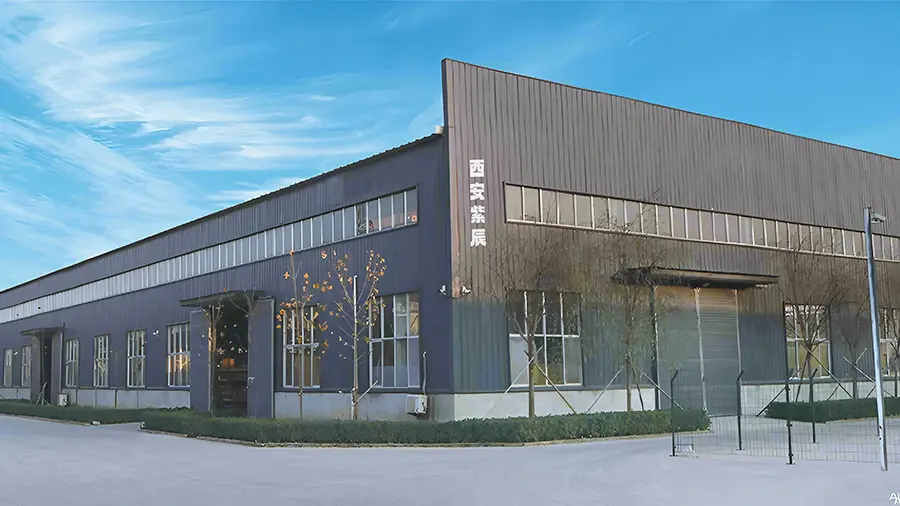
Equipped with machining centers, CNC lathes, milling machines, planers, grinders, shearing machines, and argon arc welders. This ensures every Cyclic Plate Load Tester meets micron-level precision.
Under the guidance of professors from Chang'an University and Xi'an University of Technology, we develop professional testing instruments that fill gaps in domestic and international markets. The "Xiya" trademark is a symbol of quality in Shaanxi Province.
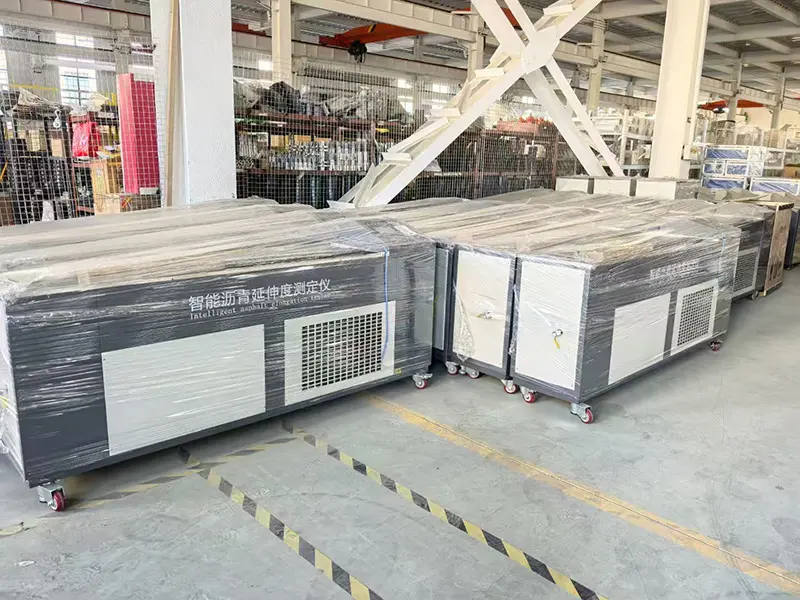
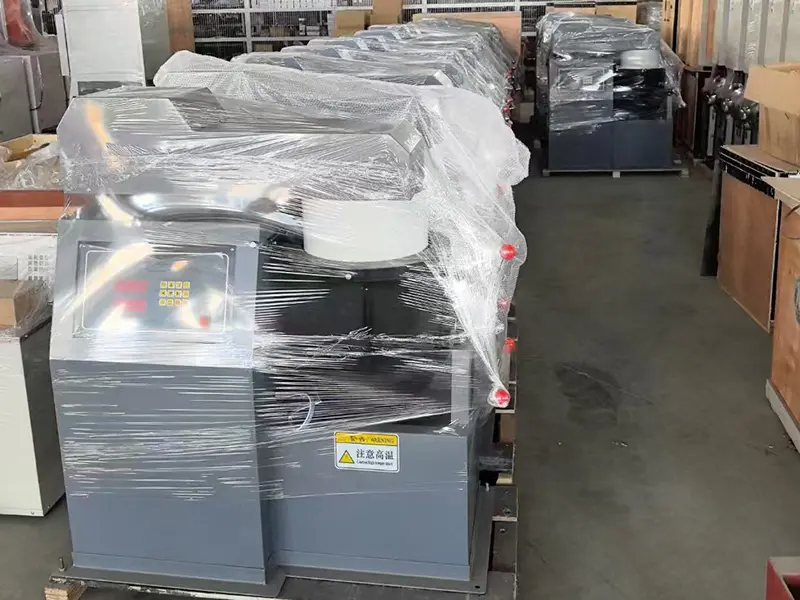
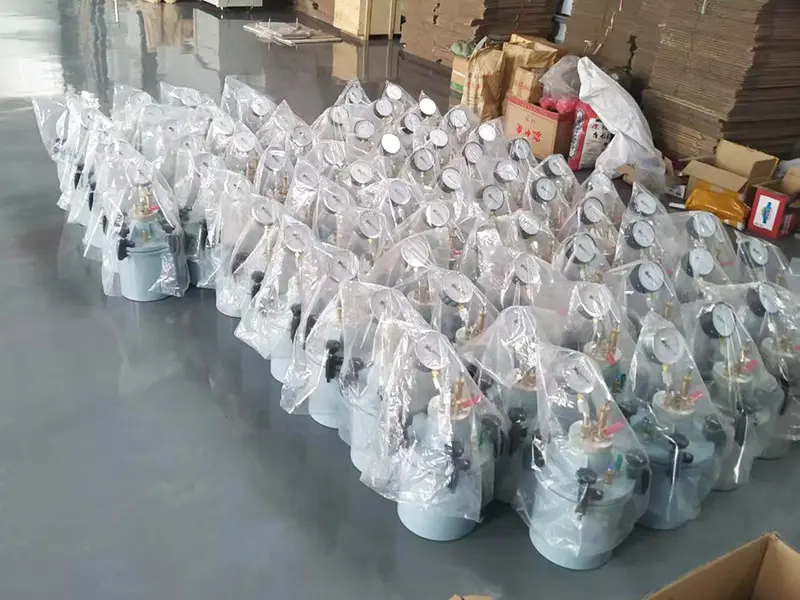
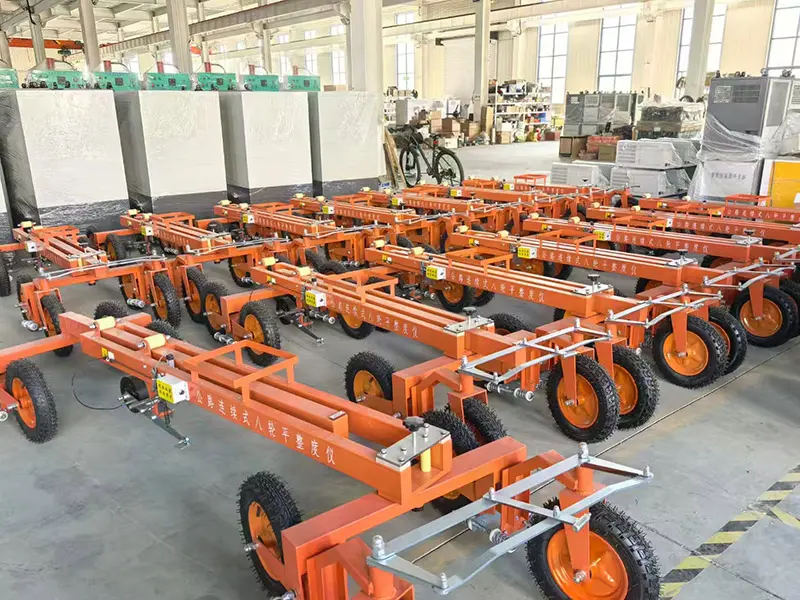
Leveraging the world's most complete industrial supply chain, Chinese manufacturers like Zealchon offer a 30-40% faster R&D-to-Market cycle. Our OEM services allow for custom hydraulic configurations and localized software interfaces at a fraction of the cost of European competitors.
Enterprises today demand "Smart Testing" solutions. Requirements include Bluetooth data transmission, GPS tagging for test locations, and cloud integration. Zealchon fulfills these via specialized sensor arrays and ruggedized tablets for field use.
The industry is moving toward Semi-Autonomous Load Testing. Future Cyclic Plate Load Testers will feature AI-driven settlement prediction, allowing engineers to terminate tests early if parameters exceed safety limits, saving significant field time.
Ensuring the strict Ev2/Ev1 ratios required for tracks operating at 350km/h. CPLT prevents track buckling and differential settlement.
Testing the bearing capacity of pavement layers to handle the massive static and dynamic loads of wide-body aircraft like the A380.
Validating the soil strength in reclamation areas where cyclic loading from heavy cranes and stacked containers is constant.
Q: What is the primary difference between Static and Cyclic Plate Load Tests?
A: Static tests measure ultimate bearing capacity, while Cyclic tests (CPLT) provide the modulus of deformation (Ev2) which reflects the soil's behavior under repeated traffic stress.
Q: Can Zealchon equipment be customized for specific international standards?
A: Yes, as an OEM manufacturer, we can calibrate our digital acquisition systems to DIN 18134, ASTM D1194, or any local Ministry of Transport requirements.
Q: What is the typical lead time for a custom OEM testing rig?
A: Thanks to our in-house CNC machining and dedicated assembly lines, standard configurations ship within 2 weeks, while custom OEM solutions take 4-6 weeks.
Q: How do you ensure the reliability of the hydraulic loading system?
A: We use precision-engineered hydraulic cylinders and high-stability load cells that are calibrated against national standards, ensuring < 1% error margin.
 Zealchon Electronic