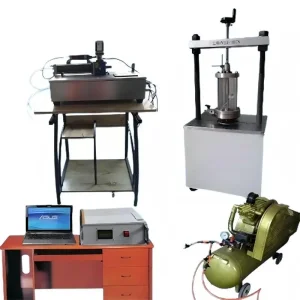
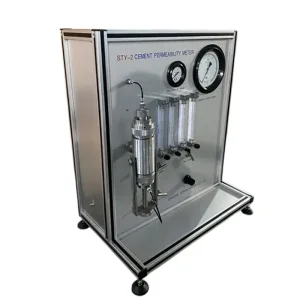
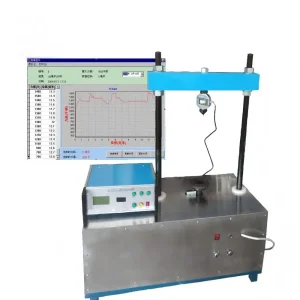
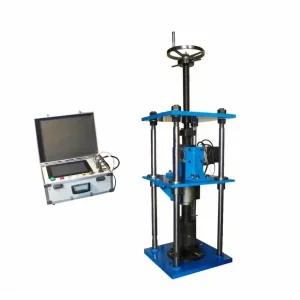
High-precision testing systems for geotechnical, road, and bridge inspection infrastructures.
In the domain of civil engineering and transportation asset management, structural health evaluation of road pavements is paramount. The Falling Weight Deflectometer (FWD) represents the gold standard for non-destructive testing (NDT) used globally to evaluate the physical properties of pavement structures. By simulating the wheel load of a moving heavy vehicle, FWD systems measure the dynamic response (deflection basin) of the pavement surface under a transient load impulse.
This comprehensive technical white paper examines the core mechanics, system configuration, international test standards (including ASTM D4694 and AASHTO T256), global procurement parameters, and manufacturing innovations. It provides engineering firms, road agencies, and laboratory equipment buyers with the required technical insights to navigate OEM partnerships, request precise quotes, and optimize long-term equipment performance.

Xi'an Zealchon Electronic Technology Co., Ltd. is a premier manufacturer established in the high-technology industry development zone of Xi'an, an ancient and historically significant industrial hub in China. With a solid legacy spanning more than 15 years in civil engineering, the enterprise operates out of a state-of-the-art facility covering 7,500 square meters of building area.
Zealchon designs, manufactures, and supplies top-tier testing instruments for geotechnical exploration, geological surveys, water conservancy, hydropower, highways, railways, and airport pavement evaluations. The company’s core scientific competency is divided into two major divisions: Civil Engineering Laboratory Equipment and Semiconductor Laser Research and Development. By combining optoelectronics with robust mechanical design, Zealchon produces highly reliable pavement diagnostic tools and soil dynamics systems that meet rigorous international specifications.
An in-depth look at how pavement engineers leverage FWD data to optimize asset lifecycle management.
By measuring the deflection basin through a multi-sensor geophone array (typically 7 to 9 sensors spaced at predetermined intervals), engineers backcalculate the elastic modulus of each individual pavement layer (surface course, base, subbase, and subgrade) using elastic layer theory (e.g., Boussinesq’s solutions) or finite element models.
Instead of relying on empirical estimates, FWD testing provides empirical-mechanical data points that help estimate the remaining structural life of a road. This enables precise calculations for the thickness of asphalt overlays needed to sustain projected traffic volumes, saving millions in unnecessary materials.
Airfields demand extreme load capacities. Heavy FWD systems (often called HWD or Heavy Duty Deflectometers, applying up to 300 kN of force) are used to determine the Pavement Classification Rating (PCR) or Pavement Classification Number (PCN) of airport runways, taxiways, and aprons, ensuring safe operation of commercial and military aircraft.
In jointed plain concrete pavements (JPCP), FWD tests are performed directly on and across joints to measure Load Transfer Efficiency. Evaluating whether load transfers effectively through dowel bars or aggregate interlocks helps prevent faulting, pumping, and structural slab failures.
Water intrusion and subgrade erosion often create critical voids beneath concrete pavements. FWD testing detects anomalous deflection responses at slab corners, identifying void locations before visual cracking occurs and enabling proactive slab-jacking or grouting.
Road authorities conduct routine FWD testing across municipal and national highway networks to compile structural health indices. This data assists in prioritizing maintenance budgets, optimizing resource allocations, and reducing lifetime capital expenditure on road networks.
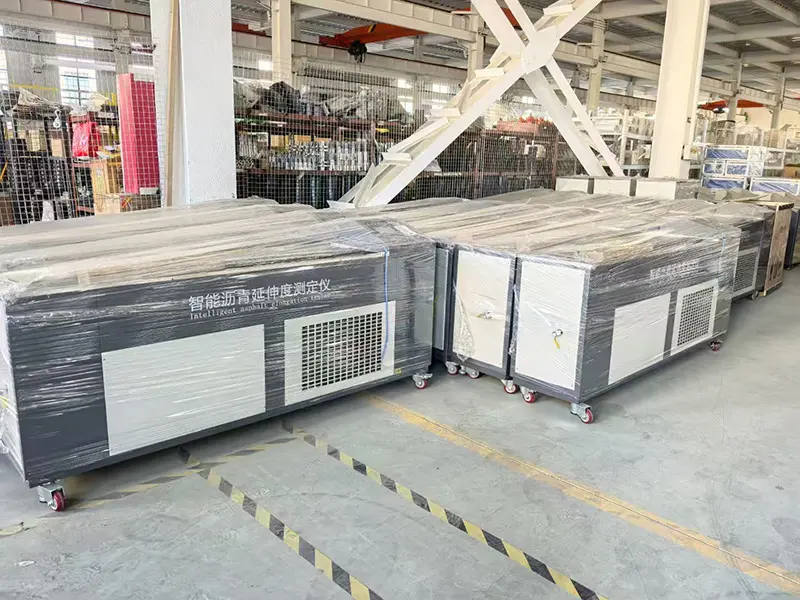

Our production facilities host a wide array of advanced machinery, including high-accuracy machining centers, CNC lathes, heavy milling machines, planers, surface grinders, precision shearing machines, bending presses, and specialized welding stations (including advanced argon arc welding). This comprehensive setup ensures that every mechanical component of our testing machinery is manufactured to tight tolerances.
The "Xiya" trademark, officially recognized as a celebrated brand in Shaanxi Province, represents engineering innovation. Our research and development projects are guided by partnerships with faculty and researchers from renowned institutions:
This technical collaboration has enabled the development of pavement, bridge deck, geotechnical, and structural testing instruments that meet international performance standards, with several products filling critical technology gaps in domestic and international markets.
Strategic insights for procurement managers sourcing high-precision pavement deflectometers.
Procuring OEM Falling Weight Deflectometers from China offers distinct supply chain advantages. Because of the concentrated industrial ecosystem in Shaanxi, Zealchon has immediate access to high-grade raw steels, precision hydraulic components, and optoelectronic sensor technologies. This spatial concentration lowers production lead times and material costs, allowing us to pass on significant cost savings to our global clients without sacrificing mechanical integrity or measurement resolution.
A major concern for international buyers is calibration and standards compliance. Zealchon's FWD configurations comply with ASTM D4694 (Standard Test Method for Deflections with a Falling-Weight-Type Impulse Load Device) and AASHTO T256. Our calibration systems are traceable to international metrology institutes. Furthermore, we offer localized software configurations supporting multiple languages, coordinate systems (GPS/GLONASS integration), and regional load parameters (metric vs. imperial scales).
When requesting an OEM FWD price quote, procurement officers should specify key engineering requirements. Zealchon offers modular systems tailored to these operational parameters:

The evolution of non-destructive testing and where smart infrastructure diagnostics are heading.
The field of pavement monitoring is transitioning from passive diagnostic routines to proactive, data-rich infrastructure analysis. While the Falling Weight Deflectometer remains the primary standard for structural strength validation, several trends are shaping the future of this technology:
At Zealchon, we adhere to the corporate spirit of "people-oriented, unity and cooperation, pursuit of excellence, and craftsmanship". We commit to a comprehensive customer support system:
Expert answers to the most common queries regarding FWD implementation, calibration, and procurement.
According to ASTM D4694 and AASHTO R32, FWD systems should undergo reference calibration annually. Reference calibration involves verifying the load cell against a reference load cell and calibrating the geophones using a specialized calibration stand. Relative calibration, which compares the geophones against one another to check for consistency, should be performed monthly or whenever anomalous measurements are suspected.
The primary difference lies in the maximum impact force capacity. A standard FWD generates impulse loads ranging from 7 kN to approximately 120 kN, which simulates standard highway wheel loads. An HWD is equipped with heavier drop weights and sturdier structural shock absorbers, generating forces up to 250 kN or 300 kN. HWDs are required for evaluating thick pavement structures, such as military and commercial airport runways.
Asphalt is a viscoelastic material, meaning its stiffness changes with temperature. Deflection measurements taken at higher temperatures will naturally be larger than those taken on cooler days. To account for this variability, FWD operators must measure the pavement surface and internal temperature (typically using infrared probes or drilling temperature holes) and apply correction factors to normalize the deflections to a standard reference temperature, usually 20°C (68°F).
Yes, FWD deflection basins can be used to estimate the effective Structural Number (SNeff) of existing pavement structures. Using AASHTO pavement design guidelines, the deflection measured at a specific distance from the load plate (usually where the response is determined solely by the subgrade stiffness) allows for the calculation of the subgrade resilient modulus. Once the subgrade modulus is determined, the overall structural capacity and SNeff can be calculated.
For customized OEM orders, our production lead time generally ranges from 30 to 60 days, depending on custom software integrations, specific geophone configurations, and compliance checks. We coordinate with major international freight forwarders to provide sea, air, and land transport options. All equipment is packed in heavy-duty, moisture-proof wooden crates to protect the electronics and calibration instruments during transport.
Integrate your research with our advanced material characterization and mechanical load testing systems.
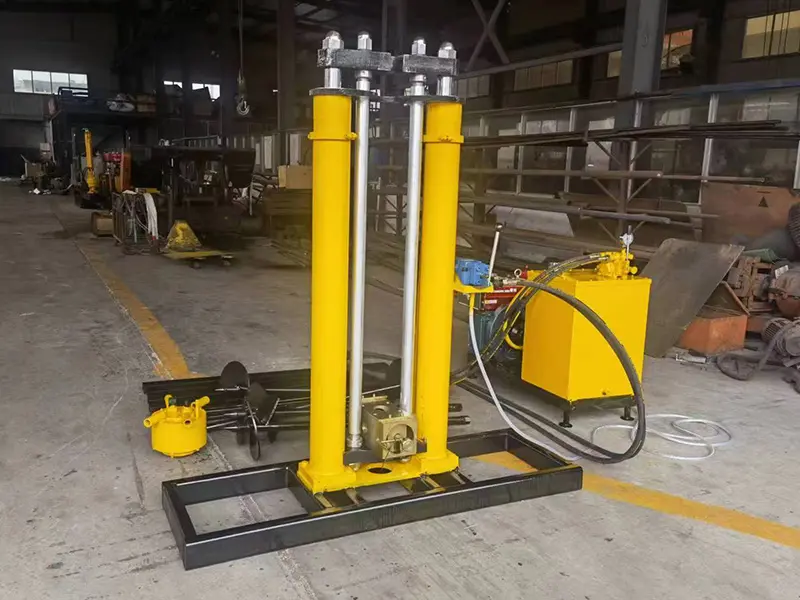
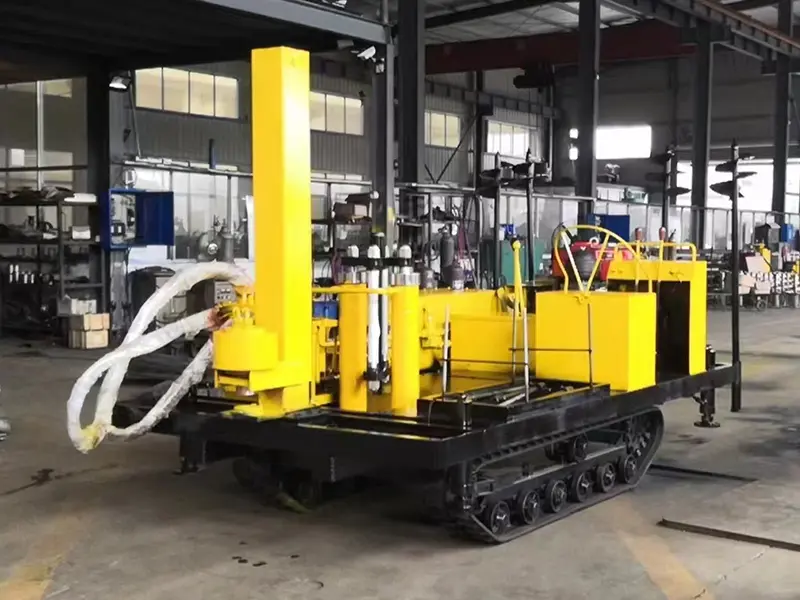
A glimpse inside our production workshops where precision meets industrial scale.
 Zealchon Electronic