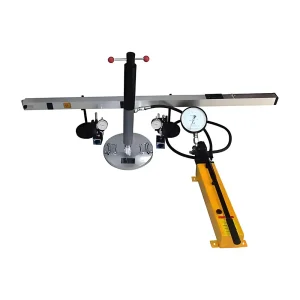
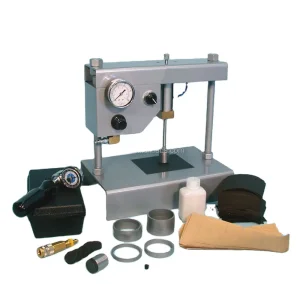
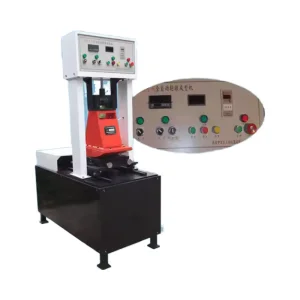
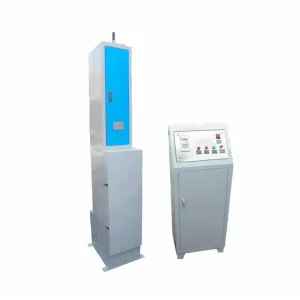
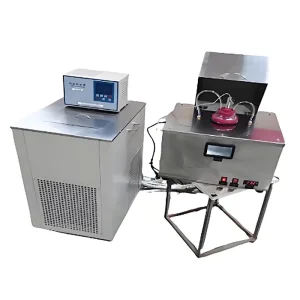
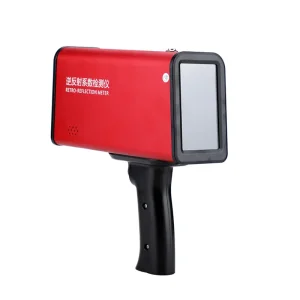
In the realm of modern civil engineering, understanding the mechanical properties of rock is non-negotiable. The Digital Point Load Test Apparatus serves as a cornerstone for determining the Point Load Strength Index (Is(50)), providing critical data for the classification of rock masses and the estimation of Unconfined Compressive Strength (UCS).
Our digital solutions are engineered to meet and exceed international standards including ISRM (International Society for Rock Mechanics) and ASTM D5731. This ensures that the data collected is globally recognized, facilitating seamless collaboration on international infrastructure projects from tunneling to dam construction.
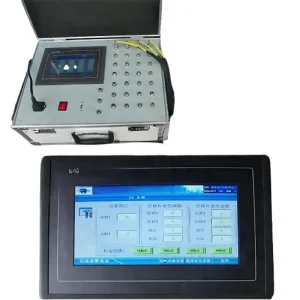
Moving beyond traditional hydraulic gauges, our digital apparatus integrates high-precision load cells and LCD micro-controllers. This transition minimizes human error, provides real-time peak load holding, and allows for instantaneous data export to cloud-based management systems.
The global demand for Digital Point Load Test Apparatus has seen a significant surge, driven by the rise in mega-infrastructure projects across Southeast Asia, the Middle East, and sub-Saharan Africa. As urbanization accelerates, the need for rapid on-site rock testing becomes a bottleneck for project timelines.
In the mining sector, rock mass rating (RMR) is essential for safety and efficiency. Digital point load testers allow geological engineers to perform high-frequency testing within the mines, ensuring that support systems are optimized based on empirical rock strength data.
High-speed rail networks and deep foundation piling for skyscrapers require rigorous soil and rock analysis. Our wholesale solutions provide contractors with the ability to equip multiple field sites with consistent, high-accuracy instruments at a competitive price point.
Offshore and onshore drilling operations utilize point load testing to understand the break-ability of rock strata. Our portable digital units are designed for rugged environments, providing laboratory-grade results in the most remote exploration camps.
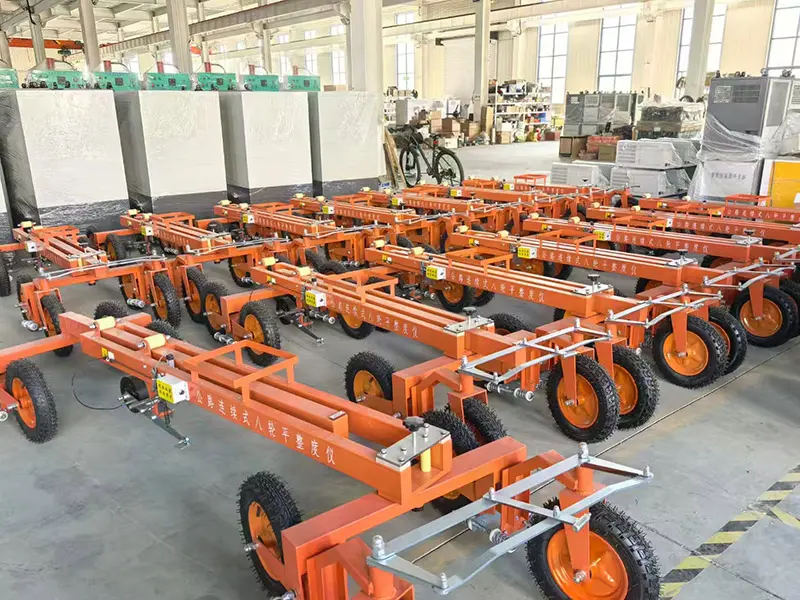
Xi'an Zealchon Electronic Technology Co., Ltd, with more than 15 years of civil engineering background, is located in the new technology industry development zone in Xi'an, an ancient city in China. It covers an area of 7500 square meters of building area. We manufacture and supply testing instruments for civil engineering, geological survey, water conservancy and hydropower, roads and bridges, highways, railways, and airports.
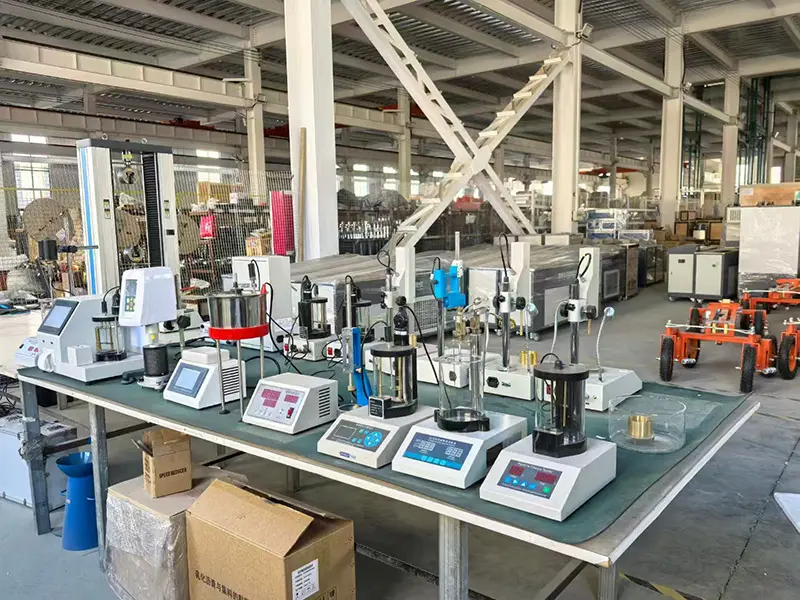
Zealchon is engaged in manufacturing and supplying a qualitative array of research and laboratory testing equipment. We specialize in civil engineering research and experimental apparatus, as well as semiconductor laser research and development. Our range includes research lab instruments, soil testing instruments, bitumen testing instruments, and cement & concrete testing equipment.
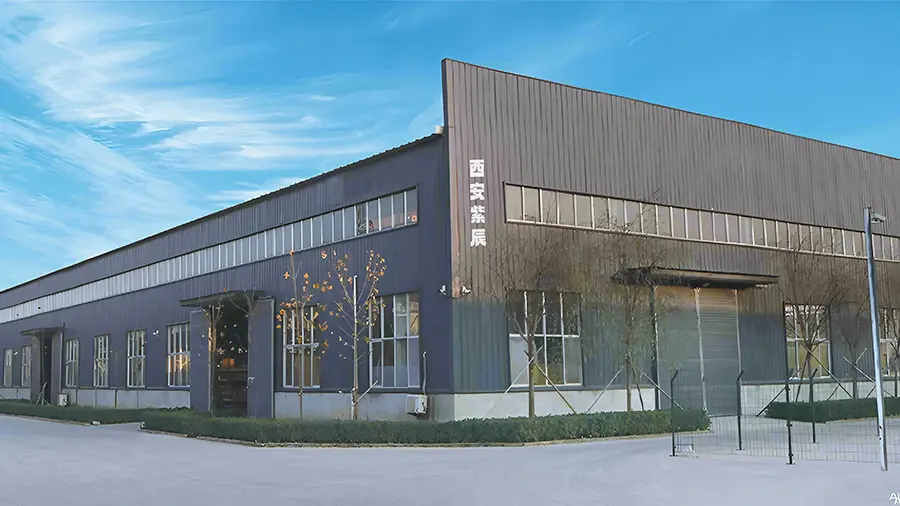
Our dedicated technical support team, marketing, and development teams are based in China, providing comprehensive 24/7 digital assistance and on-site training for international distributors and end-users.
The company promises to provide "three guarantees" for all products sold. This reflects our craftsman spirit and professional commitment to quality control, keeping pace with national and industry standards.
We ensure all Digital Point Load Test Apparatus quotes include certifications for CE, ISO, and specific regional requirements, ensuring your import process is smooth and the equipment is ready for immediate regulatory approval.
The future of rock testing is "Connected." Zealchon is leading the way by integrating AI and IoT into our next generation of testing apparatus.
Integrating machine learning algorithms to predict UCS based on a database of historical point load tests across different geological strata.
Real-time data synchronization between field testing units and central engineering offices, allowing for immediate design adjustments based on ground conditions.
Developing ultra-portable, hand-held digital units without sacrificing the 100kN load capacity required for high-strength rock varieties.
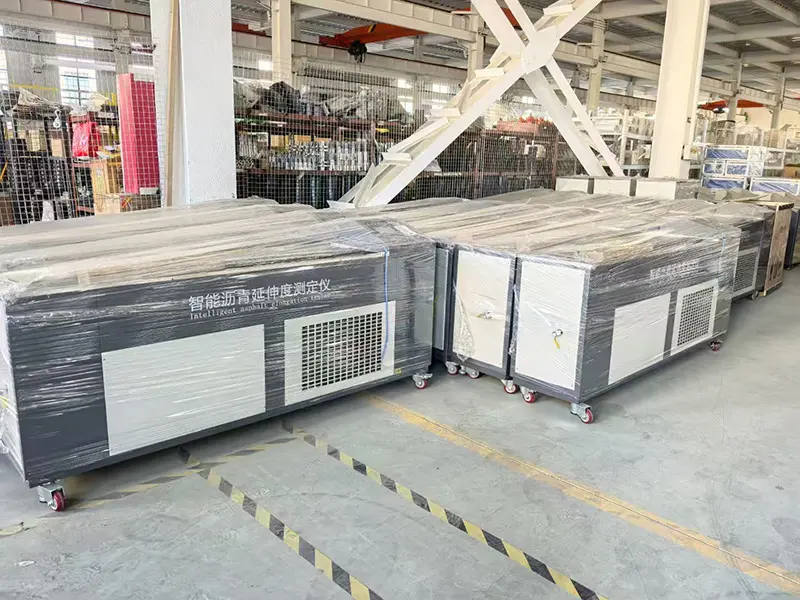
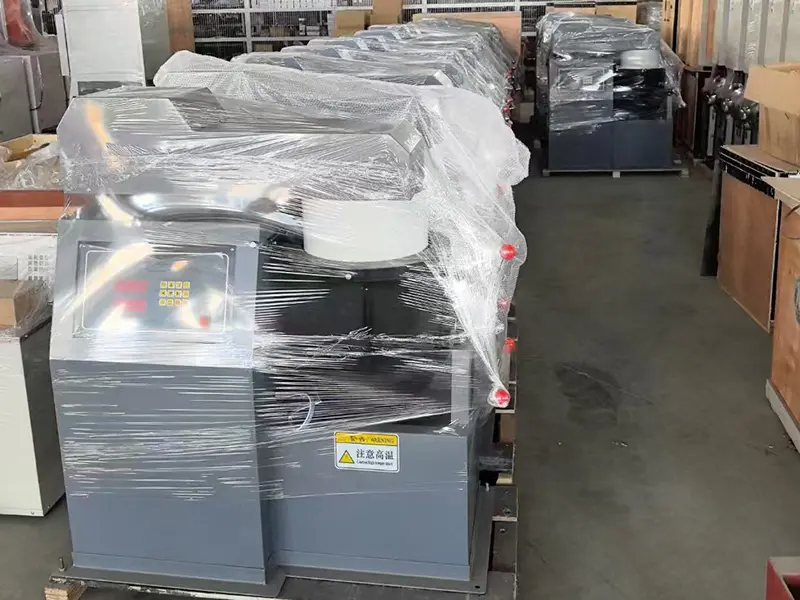
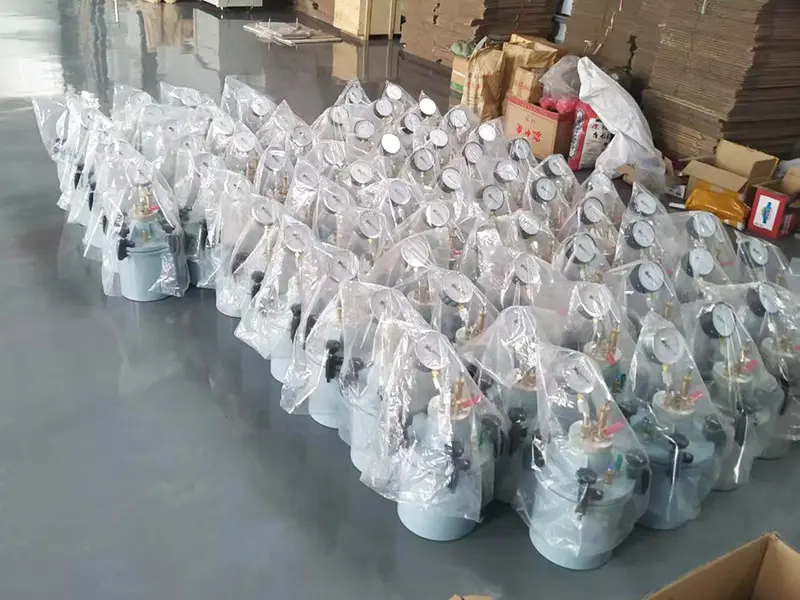
 Zealchon Electronic