In the modern landscape of civil engineering, the soil consolidation permeability coefficient serves as a fundamental metric for ensuring the structural integrity of mega-infrastructure projects. As urban centers expand and vertical construction becomes the norm, understanding how soil behaves under load over time is no longer just a laboratory exercise—it is a critical safety requirement.
Current Global Industrial Status: The shift from traditional manual consolidation testing to automated, high-precision electronic systems is accelerating. In regions like North America and the EU, stringent regulatory frameworks demand real-time data acquisition and digital logging of Darcy’s Law variables. Meanwhile, in emerging markets, the focus is on "Supply Chain Resilience," seeking manufacturers who can provide both technical excellence and logistical stability.
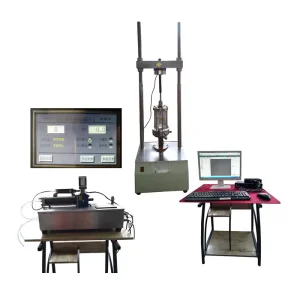
Procurement departments at Tier-1 construction firms are increasingly prioritizing "Smart Instrumentation." This includes IoT-enabled devices that can stream consolidation data directly to BIM (Building Information Modeling) software. The demand for multi-channel soil temperature analyzers and automatic triaxial test systems has surged by 25% annually as engineers seek to minimize human error in long-duration tests.
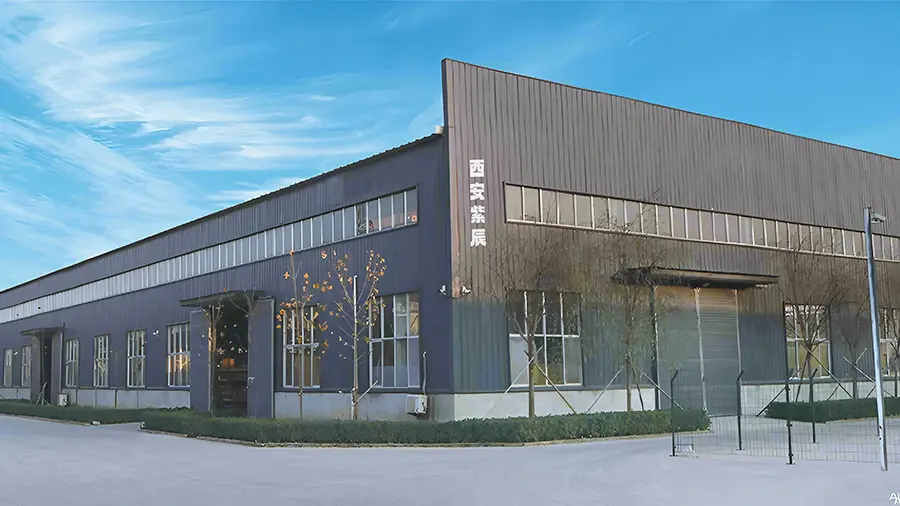
Located in the ancient city of Xi'an—a hub of Chinese aerospace and technology—Xi'an Zealchon Electronic Technology Co., Ltd. represents the pinnacle of "Factory 4.0" in the geotechnical sector. Our 7,500 square meter facility is equipped with advanced CNC lathes, machining centers, and argon arc welding stations.
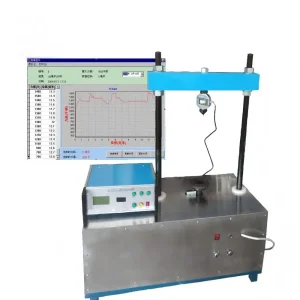
Efficiency & Resilience: Our manufacturing process integrates semiconductor laser research with traditional mechanical engineering. This cross-disciplinary approach allows us to produce instruments like the Automatic Soil Strain Controlled Consolidation Tester with micron-level precision that competitors struggle to match.
Top Technology: Backed by researchers from Chang'an University and Xi'an University of Technology.
Award Winning: "Xiya" trademark recognized for ministerial and provincial excellence.
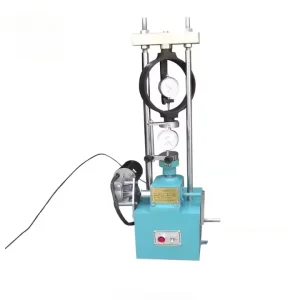
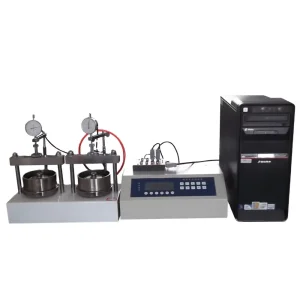
In densely populated cities, the consolidation rate of soft clay determines the settlement profile of skyscrapers. Our fully automatic consolitometer provides the E-v curve data necessary for predicting long-term structural health.
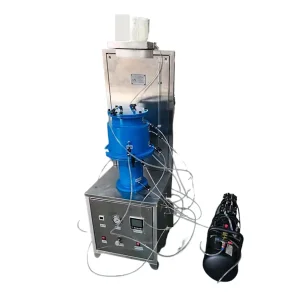
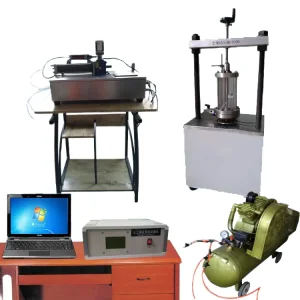
The stability of rail lines depends on the permeability coefficient of the subgrade material. Our coarse-grained soil permeability devices ensure that drainage layers prevent liquefaction during high-frequency loading.
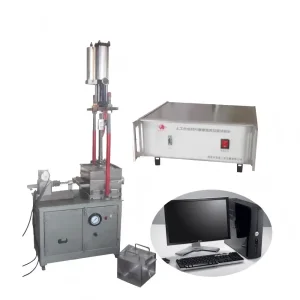
Water conservancy projects require precise measurement of seepage. The Triaxial Resonant Column Tester and related equipment simulate the hydraulic pressures found at the base of massive dam structures.
Our production workshop is a testament to quality control and technical expertise, featuring a comprehensive array of heavy machining and precision electronic assembly tools.
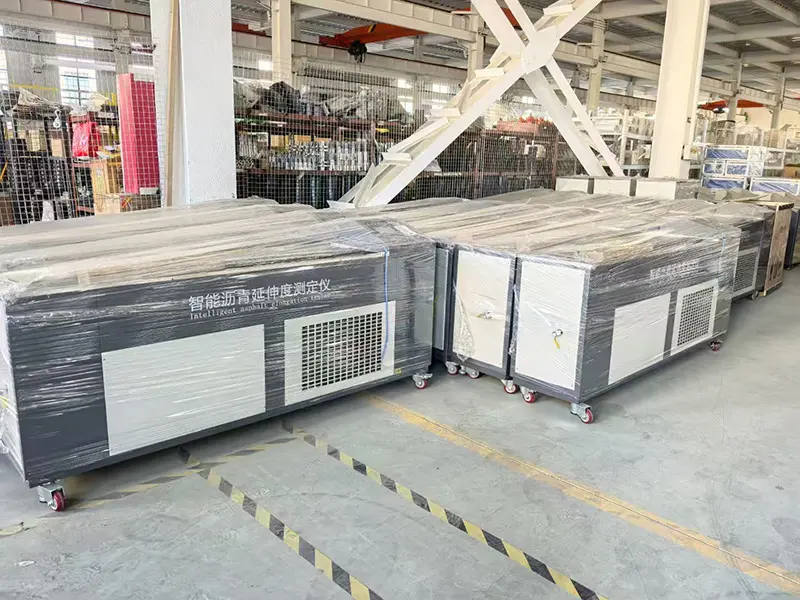
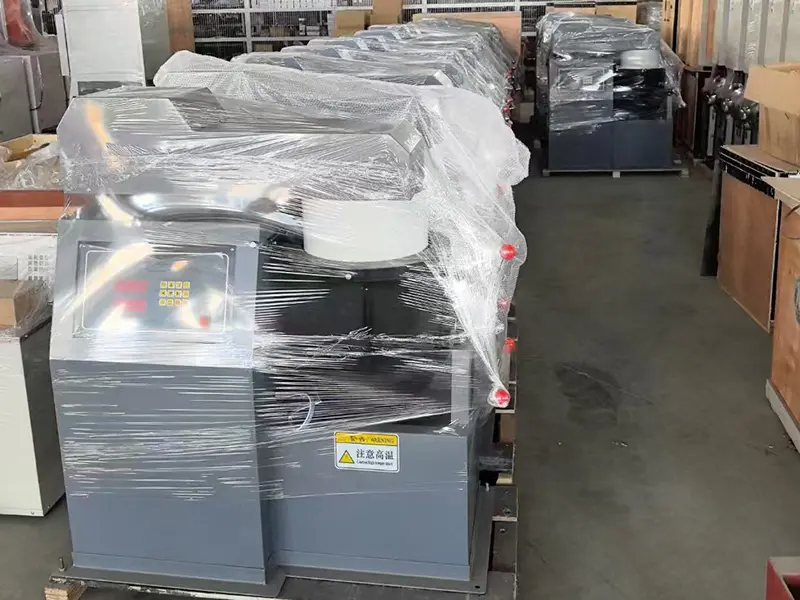
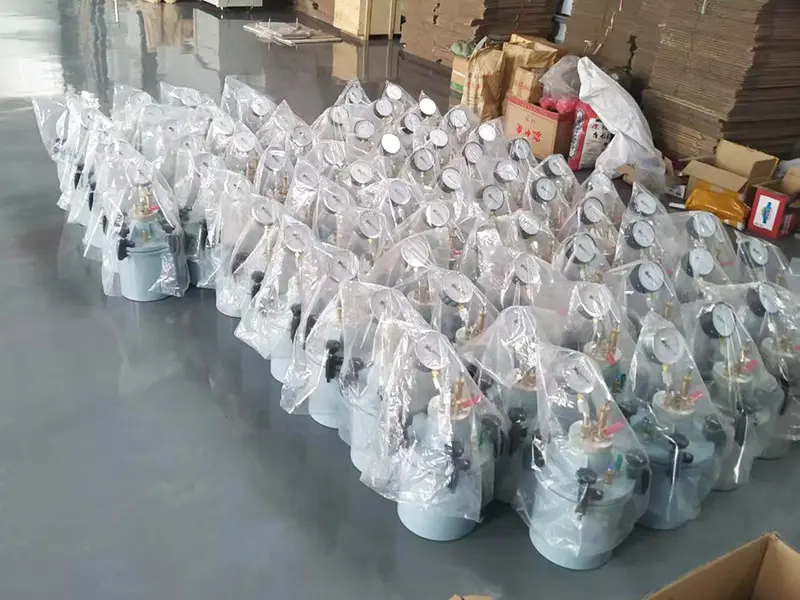
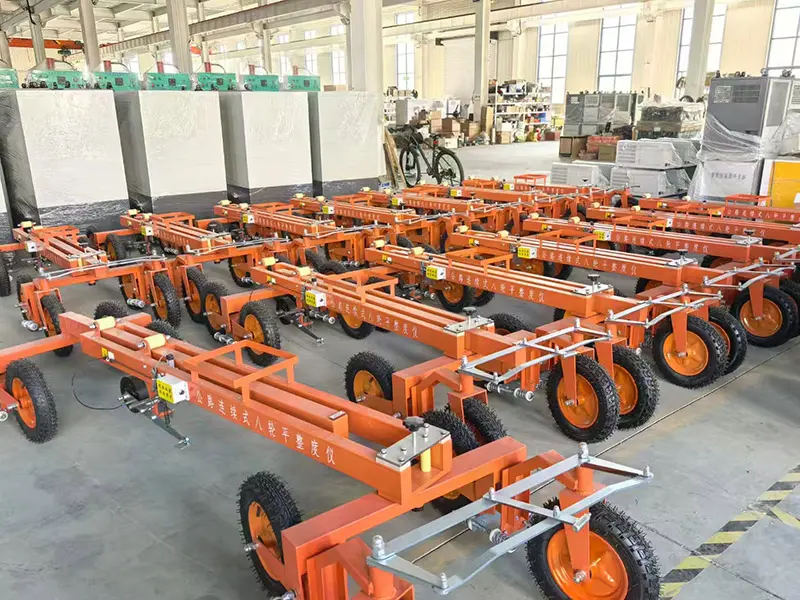
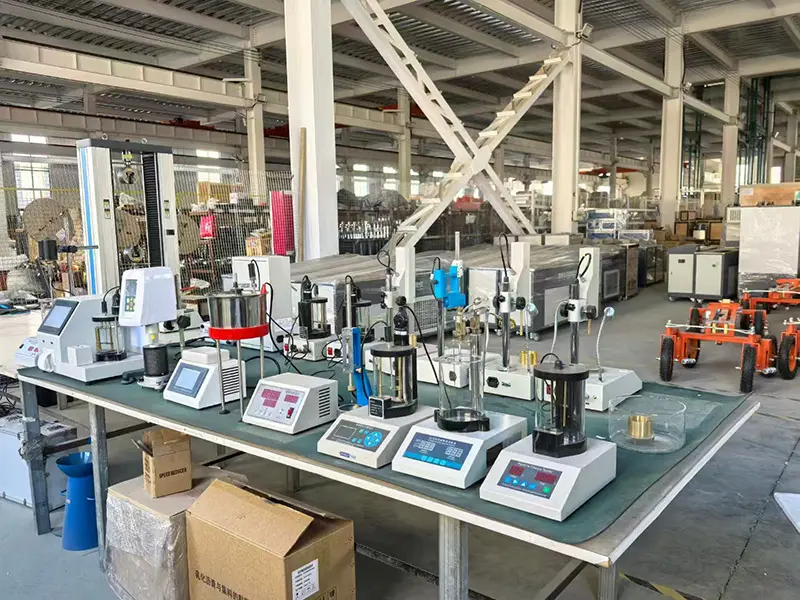
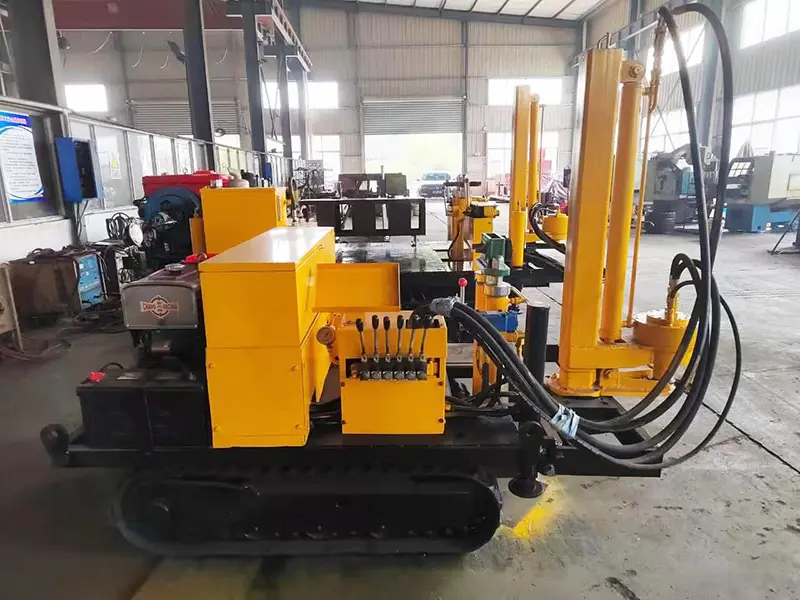
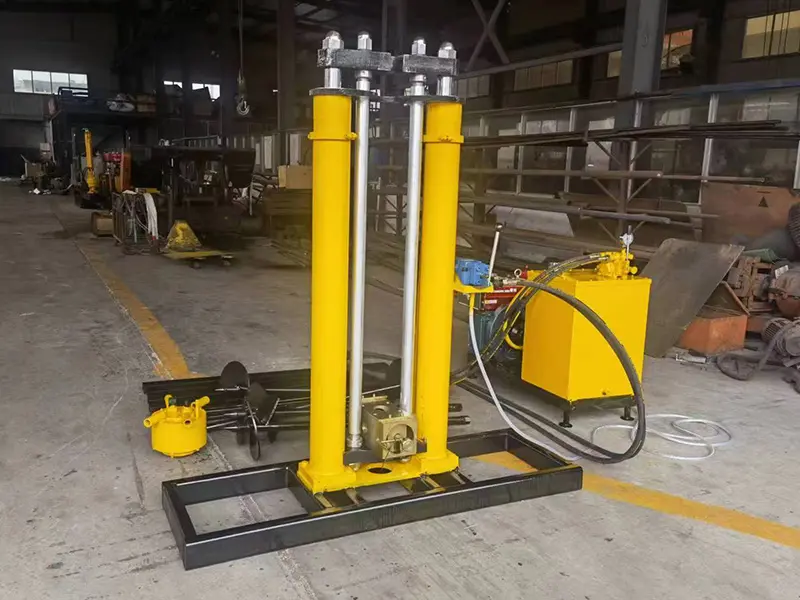
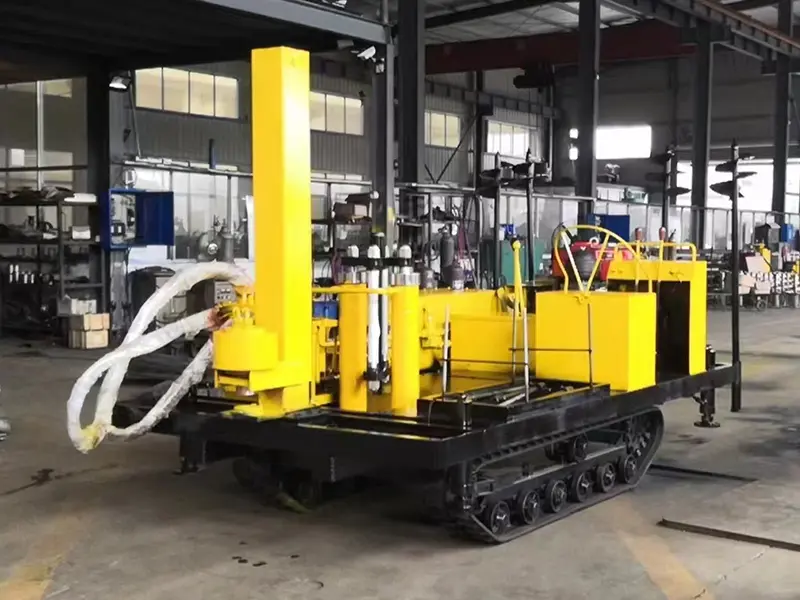
Our research team is founded by personnel from Chang'an University and Xi'an Polytechnic University, ensuring we remain at the cutting edge of geotechnical science.
Our machines are used worldwide by government agencies, commercial testing laboratories, and universities in over 30 countries.
Adhering to the corporate spirit of "pursuit of excellence," we provide a triple guarantee on all products sold, backed by 15 years of industry trust.
According to Terzaghi’s consolidation theory, the coefficient of consolidation (Cv) is directly proportional to the permeability (k). As the soil consolidates and the void ratio decreases, the permeability typically drops, which slows down the rate of further consolidation.
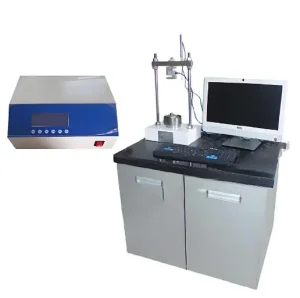
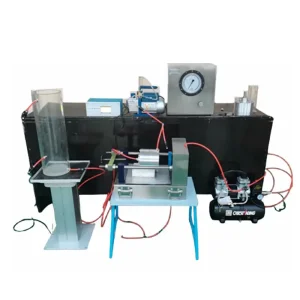
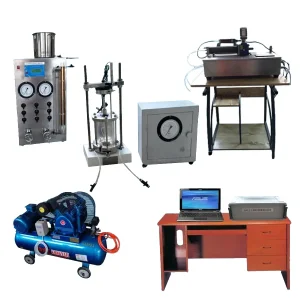
Manual testing often suffers from inconsistent head pressure and human error in volume measurement. Automatic systems, like our Automatic Soil Permeability Test Equipment, provide constant pressure control and digital sensors that capture data at millisecond intervals, ensuring E-E-A-T compliant results.
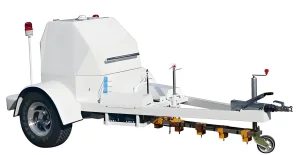
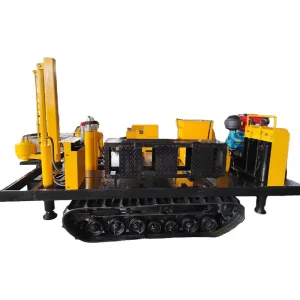
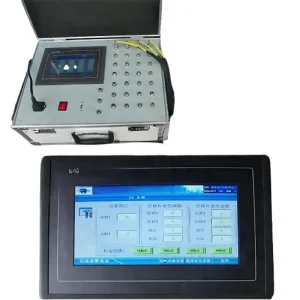
Our field instruments, such as the CPT Vehicle and Multi-channel temperature acquisition instruments, are built with industrial-grade enclosures and high-memory logs (1GB+) to withstand extreme weather and remote logistics.
Yes, we specialize in equipment for both fine clay and coarse-grained gravel. Our permeability testers are specifically designed to accommodate larger particle sizes without compromising the accuracy of the hydraulic gradient.
 Zealchon Electronic